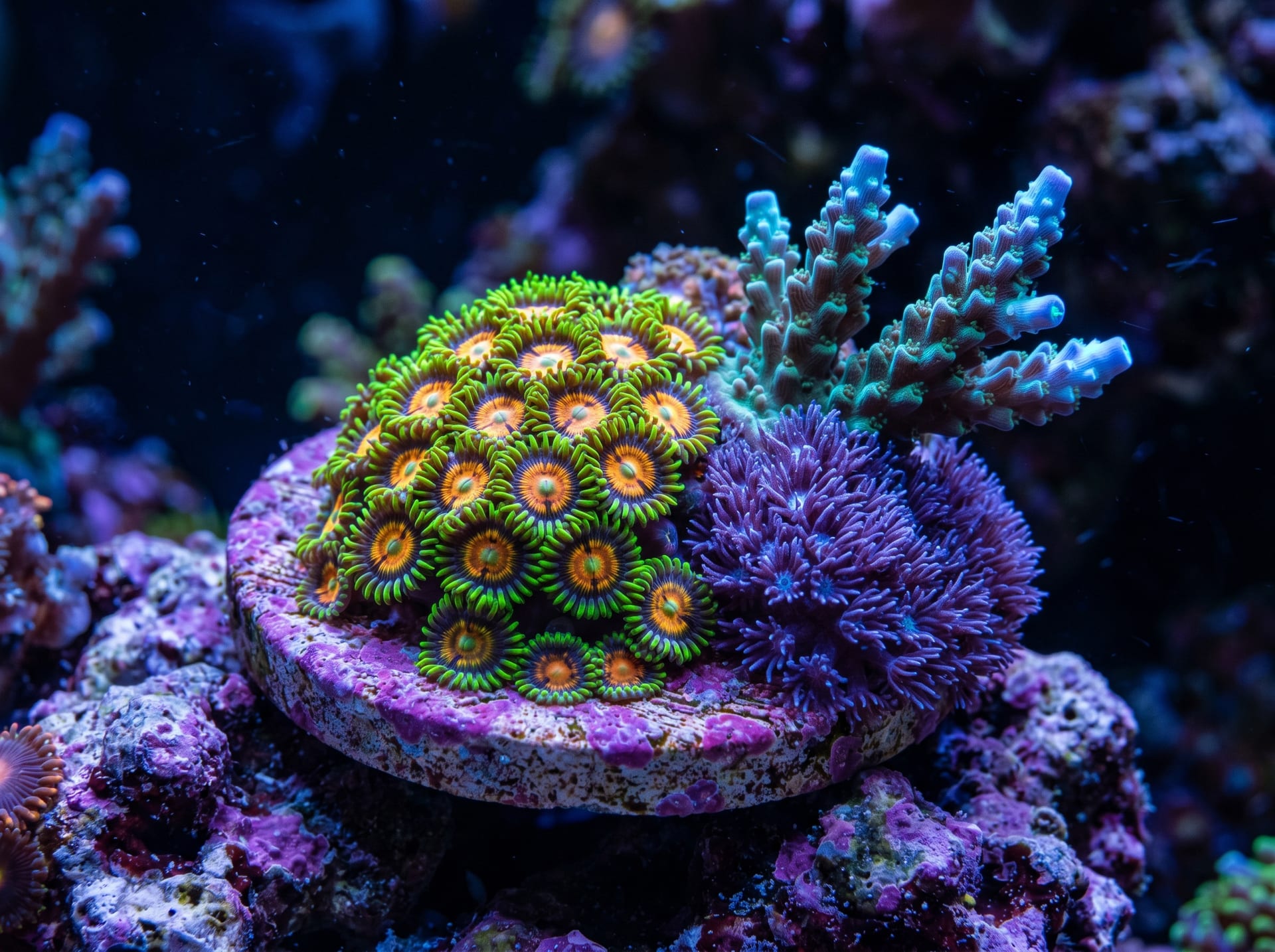
Coral Frags
A "frag" is a small fragment cut from a larger coral colony, mounted on a base, and grown out into a colony of its own. It isn't the name of a single species — it describes how the piece was propagated — so color, shape, and growth pattern can vary widely between pieces, even ones cut from the same parent colony. Part of the appeal is watching a small starting piece gradually color up, branch out, and fill in over time inside your own tank, shaped by your lighting, flow, and placement. When choosing a frag, it's worth looking beyond appearance alone and asking the seller how the piece has been cared for and settled in, since that context makes it easier to picture how to look after it once it arrives.
0% commission on your first sales!Register by September 30, 2026 and your first 2 sales are commission-free!
Breeder Wanted!
List on BreederDirect and sell directly to customers nationwide!
BreederDirect's 6 Transparency Promises
Every Marine Fish & Coral listing shows Breeder's full disclosure. No wild-caught. Captive-bred priority, tank size guidance, temperament details—transparent aquaculture.
- Captive-bred
- WYSIWYG
- Reef-safe
- Care Info Included
- Origin Disclosed
- Temperament Listed
Browse all 42 breeds
Care Difficulty
Reef-safe
Temperament
Verified breeders wanted for Marine Fish & Coral
Breeders are signing up now ahead of launch. Subscribe to be notified when new listings go live.
Getting alerts is free with a member account. When new listings match your saved search, we'll notify you by email and in-app.
Browse other categories
Verified breeders (preview)
Are you raising marine fish & coral?
Register as a breeder and connect with buyers directly.
Apply as a breederAbout Coral Frags
Coral frags are small pieces cut from a parent colony and mounted on a base — not a single species, but a propagation style where each piece looks different. Here's what to check before choosing one.
7 things to know before welcoming a Coral Frags
1What "Frag" Means
A "frag" refers to a small piece cut from a coral colony, mounted on a base, and grown out on its own — it's not the name of a specific type of coral. Because of that, color, shape, and growth can vary a lot from one piece to the next, even under the same listing name. It helps to think of each frag as its own individual piece rather than a fixed, predictable product.
2Check the Base It's Mounted On
Frags are usually sold already mounted on a base, such as a ceramic plug or a small piece of live rock. The material, size, and mounting method can differ from listing to listing, so it's worth checking whether the base will fit your existing aquascape before you commit.
3Take Acclimation Slowly
A frag goes through shipping and a change of environment before it settles into your tank. Taking extra time with acclimation on arrival, and avoiding sudden shifts in temperature or water chemistry, tends to make ongoing care easier afterward.
4Find Its Spot by Observing
Where a frag sits in the tank affects how its color and growth develop over time. Rather than settling on a spot right away, it can help to watch how the piece responds for a while and adjust placement as you learn what suits it.
5Questions Worth Asking the Seller
Even frags listed under the same name can differ depending on how they were raised. Asking the seller when and how the piece was cut, and how long it's been settling since, can help you picture what to expect after it arrives. It's worth raising any questions before you commit to a purchase.
6Leave Room Between Pieces
As a frag grows, it can eventually come into contact with neighboring pieces, so leaving some space around it when placing it makes later management easier. If you're unsure how it might interact with other corals or tankmates, it's reasonable to ask the seller for their input.
7Watch It Closely After Arrival
For a while after a frag arrives, it helps to check in regularly for anything that looks different from usual, such as changes in color or how open it appears. Keeping periodic photos makes small changes easier to notice and can be useful for ongoing care.
Frequently asked questions about Coral Frags
- Q.Is "frag" the name of a specific coral species?
- A.No, "frag" isn't the name of a species — it describes a piece cut from a larger colony and grown out on its own. Because of that, even pieces listed under the same name can differ in color and shape.
- Q.Can I place it wherever I like as soon as it arrives?
- A.You can, but it's often better to keep it in a calmer spot for a while as it adjusts to the new environment. From there, you can gradually move it while watching how its color and appearance respond, until you find a good long-term spot.
- Q.Does the coral come attached to a base?
- A.In most cases, yes — frags are typically sold already mounted on a base such as a plug or a small piece of live rock. Since the material and size vary by listing, it's best to check the listing details or ask the seller directly.
- Q.Is it fine to place it next to other corals?
- A.This can vary a lot depending on the individual pieces involved, so there's no single answer. Before deciding on placement, it can help to ask the seller about the environment it was raised in and what it was kept near.
- Q.Could the actual color look different from the photos?
- A.Yes, differences in lighting and tank conditions can make a piece look different in person than it does in a photo. If this is a concern, asking the seller about the lighting used when the photos were taken can help set expectations.
Useful tools for Coral Frags care
Coral Frags related articles
See more Coral Frags articles →More in this category
Can't find the one you're looking for?
Post your wishes for free and breeders with matching animals will contact you with introductions.