Lionfish / Scorpionfish
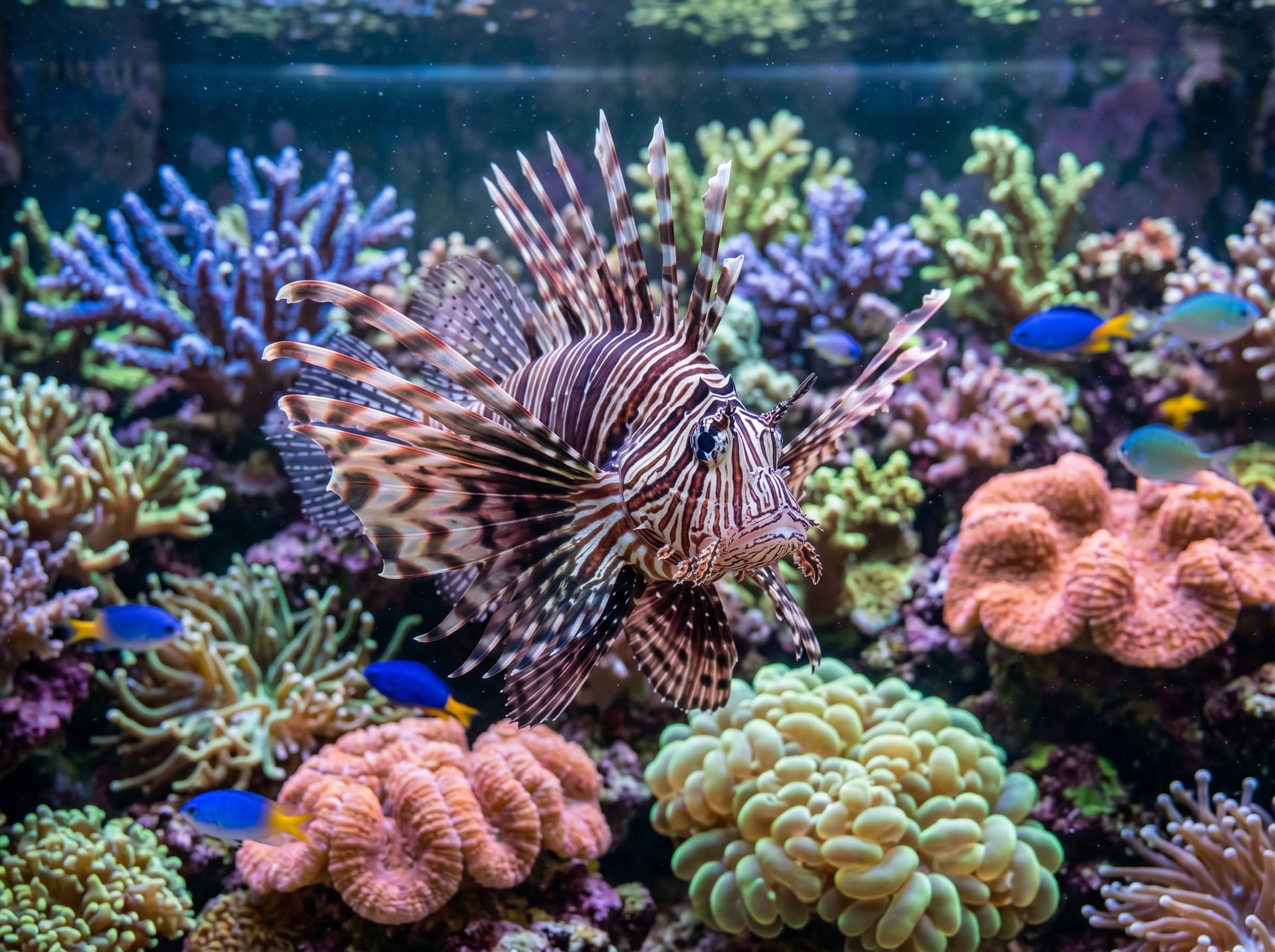
Lionfish and scorpionfish are striking marine fish known for their fan-like fins and vivid banded patterns, making them popular centerpieces in saltwater aquariums. While many species are reasonably hardy and manageable for intermediate keepers, their venomous dorsal spines require careful handling. Their slow, graceful movements and bold appearance make them a favorite among marine aquarium enthusiasts.
View Lionfish / Scorpionfish encyclopedia →0% commission on your first sales!Register by September 30, 2026 and your first 2 sales are commission-free!
Breeder Wanted!
List on BreederDirect and sell directly to customers nationwide!
BreederDirect's 6 Transparency Promises
Every Marine Fish & Coral listing shows Breeder's full disclosure. No wild-caught. Captive-bred priority, tank size guidance, temperament details—transparent aquaculture.
- Captive-bred
- WYSIWYG
- Reef-safe
- Care Info Included
- Origin Disclosed
- Temperament Listed
Browse all 42 breeds
Care Difficulty
Reef-safe
Temperament
Verified breeders wanted for Marine Fish & Coral
Breeders are signing up now ahead of launch. Subscribe to be notified when new listings go live.
Getting alerts is free with a member account. When new listings match your saved search, we'll notify you by email and in-app.
Browse other categories
Verified breeders (preview)
Are you raising marine fish & coral?
Register as a breeder and connect with buyers directly.
Apply as a breederLionfish / Scorpionfish key facts
- Care level
- Intermediate
- Lifespan
- 10-15 years
- Size
- 20-40cm
- Diet
- Live food, Frozen food
- Housing
- Large tank (180L+) required
- Feeding
- Start with live food, gradually switch to frozen
- Compatibility
- Will eat fish that fit in its mouth
- Notes
- Venomous spines, handle with extreme care
About Lionfish / Scorpionfish
Lionfish and scorpionfish (family Scorpaenidae) are widespread across tropical and subtropical reef environments in the Indian and Pacific Oceans. Their most striking features are their fan-shaped pectoral fins and bold striped patterns in red, white, and brown. The common lionfish grows to 25–35 cm and carries venomous spines on its dorsal, pelvic, and anal fins—an effective defense that leaves them with almost no natural predators. They are ambush hunters by nature, spending daylight hours sheltering beneath rock overhangs before emerging at night to prey on small fish and shrimp. Their slow, deliberate movements and commanding presence make them standout centerpieces in marine aquariums, appealing to both experienced hobbyists and newcomers. Successful long-term care requires a large tank and stable water quality, but once acclimated to prepared foods, they can be kept for many years as impressive, long-lived display animals.
7 things to know before welcoming a Lionfish / Scorpionfish
1Beware of Venomous Spines
The dorsal, pelvic, and anal fins carry venomous spines that cause intense pain if touched. Always wear thick gloves during tank maintenance and avoid reaching in with bare hands. If stung, seek medical attention promptly.
2Large Tank Required
Many lionfish species reach 20–35 cm as adults, requiring a minimum tank size of 150–200 liters. Cramped conditions can easily trigger stress-induced refusal to eat. Provide ample space along with hiding spots such as live rock.
3Choose Tankmates Carefully
Any fish or shrimp small enough to fit in their mouth will be eaten, so avoid such tankmates. Larger, relatively peaceful marine fish may coexist, but housing multiple scorpionfish together can lead to territorial conflicts.
4Transitioning from Live to Prepared Food
Wild-caught specimens often initially accept only live feeder fish or shrimp. For long-term care, transitioning them to frozen krill or prepared foods is important and may require patience. Once trained, feeding becomes much easier to manage.
5Stable Water Parameters Are Key
Maintaining stable salinity (SG 1.020–1.025), temperature (24–27°C), and pH (8.1–8.3) is fundamental to their health. Sudden parameter shifts can trigger refusal to eat or disease. Consider investing in quality filtration such as a protein skimmer.
6Watch for Refusal to Eat
Scorpionfish can stop eating relatively quickly in response to stress or environmental changes. If they refuse food for more than a week, check water parameters and ensure adequate hiding spots. Removing the cause early improves the chance of recovery.
7Expect Higher Initial Costs
Beyond the fish itself, you will need a large tank, protein skimmer, live rock, and synthetic sea salt, often totaling tens of thousands of yen in startup costs. Ongoing expenses include electricity, artificial seawater, and food. Plan your long-term budget before acquiring one.
Frequently asked questions about Lionfish / Scorpionfish
- Q.Can beginners keep lionfish?
- A.Lionfish can be kept by those with a basic understanding of marine aquarium care, but their venomous spines and large tank requirements make them better suited to hobbyists with some prior experience. It is generally advisable to gain confidence with hardier marine species first.
- Q.What should I do if stung by the spines?
- A.Immersing the sting site in hot water (around 45–50°C) is often recommended to denature the venom protein and ease pain. However, always seek medical attention rather than relying solely on home treatment. In rare cases anaphylaxis can occur, so call emergency services without hesitation if symptoms are severe.
- Q.What should I feed lionfish?
- A.Frozen krill and frozen small fish are standard staples. Presenting food on feeding tongs or a stick and gently moving it in the water helps trigger a feeding response. Fish dependent on live food will need gradual conditioning to accept frozen or prepared alternatives.
- Q.How long do lionfish live?
- A.Under good care, lionfish have been reported to live 10–15 years. Stable water conditions and a well-balanced diet are key to longevity. Before acquiring one, be prepared for a long-term commitment to their care.
- Q.What is the minimum tank size needed?
- A.A tank of at least 150–200 liters is generally recommended for adult-sized lionfish. Dwarf species may be manageable in tanks of around 80–100 liters. Always choose a tank size based on the fish's expected adult dimensions, not its size at purchase.
Useful tools for Lionfish / Scorpionfish care
Learn more about Lionfish / Scorpionfish in the encyclopedia
View Lionfish / Scorpionfish encyclopedia entry →
Care difficulty, lifespan, size and diet — all basics covered.
Lionfish / Scorpionfish related articles
Spotted Fin Lionfish Care Guide | Venom Spine Management and Feeding Techniques
The Spotted Fin Lionfish is a relatively compact and visually striking marine fish within the Pterois genus. This guide covers all essential knowledge for keeping them: safe handling of venom spines, feeding methods, tankmate compatibility, and proper aquarium conditions.
Lionfish (Pterois) Care Guide | Handling Venomous Spines, Tank Setup, and Feeding Techniques
Learn how to care for impressive lionfish (Pterois species) in saltwater aquariums. This guide covers safe handling of venomous spines, proper tank size and water quality management, techniques for feeding frozen foods, and compatible fish species.
More in this category
Can't find the one you're looking for?
Post your wishes for free and breeders with matching animals will contact you with introductions.