Spotted Fin Lionfish Care Guide | Venom Spine Management and Feeding Techniques
The Spotted Fin Lionfish is a relatively compact and visually striking marine fish within the Pterois genus. This guide covers all essential knowledge for keeping them: safe handling of venom spines, feeding methods, tankmate compatibility, and proper aquarium conditions.
Key Takeaways
The Spotted Fin Lionfish is a relatively compact and visually striking marine fish within the Pterois genus. This guide covers all essential knowledge for keeping them: safe handling of venom spines, feeding methods, tankmate compatibility, and proper aquarium conditions.
What Kind of Fish is the Spotted Fin Lionfish?
✍️
BreederDirect Editorial
The BreederDirect editorial team specializes in care information for animals, covering veterinary care and breeding to deliver beginner-friendly guides.
Find Marine Fish on BreederDirect
Buy directly from verified breeders
Browse Related Listings
Find Marine Fish listings related to this article on BreederDirect. Buy directly from verified breeders.
Related Tools
Related Articles
Browse by Category
🪸Coral
🐠Marine Fish
🐟Tropical Fish
🐡Goldfish
🐟Medaka
🦎Reptiles
Share
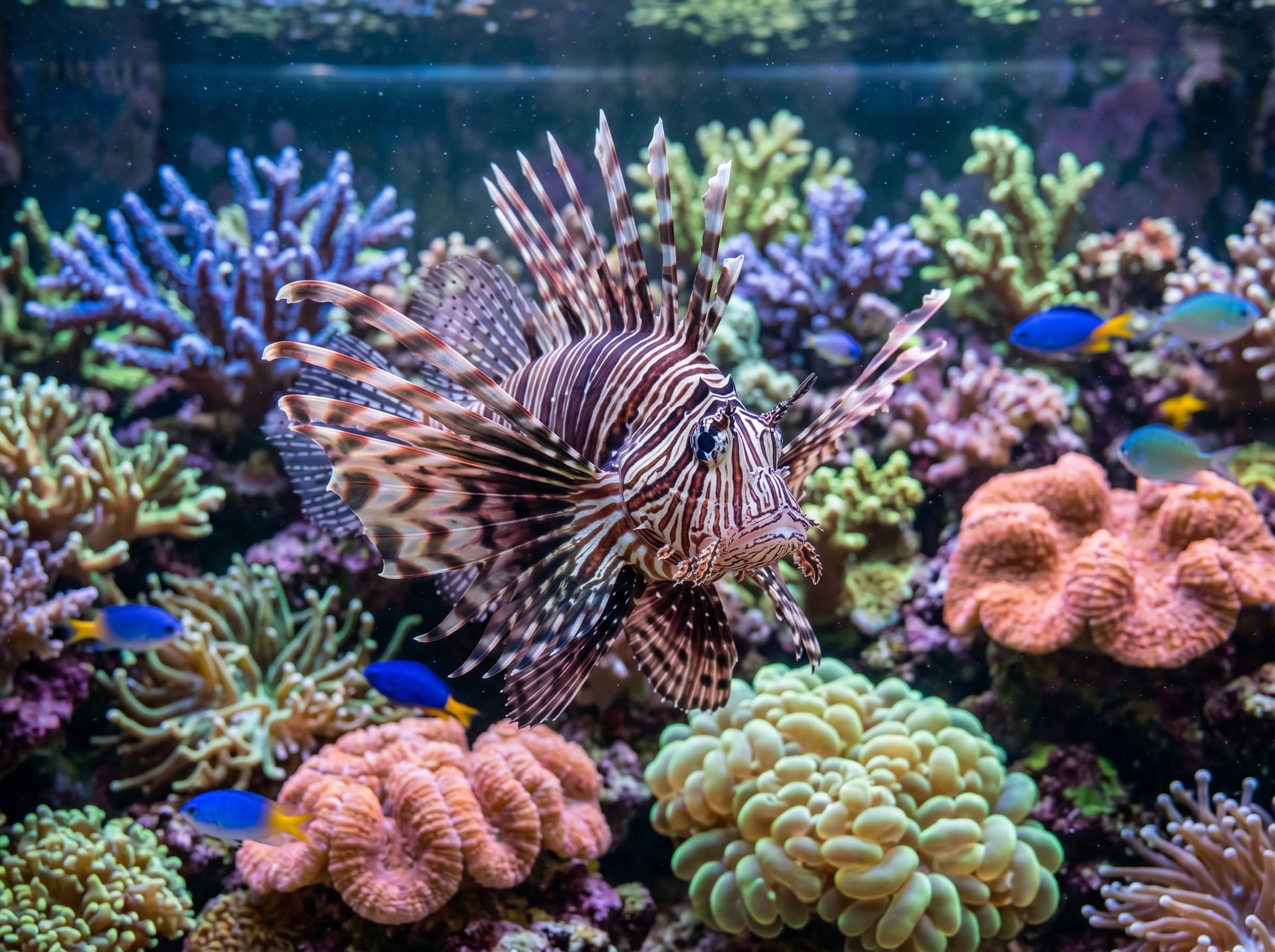
The Spotted Fin Lionfish (Pterois antennata) is a marine fish belonging to the family Scorpaenidae, genus Pterois, inhabiting coral reefs throughout the Indo-Pacific region. Compared to its congener, the Red Lionfish (Pterois volitans), it is somewhat smaller, with distinctive white and brown striped patterns on the body sides and numerous white spots arranged on the pectoral fins—hence the name "spotfin."
The maximum length is approximately 20 cm, making it a more manageable size than the Red Lionfish. In aquariums, it spends long periods hiding in rock crevices and is relatively easy to observe. The main concern is its venomous spines on the dorsal, pelvic, and anal fins, which can cause severe pain and swelling if encountered. Implementing safe husbandry practices is essential for long-term success.
Required Aquarium Conditions
Tank Size: A minimum 90 cm aquarium is recommended. Being nocturnal, this species spends much of the day hidden in crevices, making live rock and cave-like structures essential for shelter. A tank with greater depth than width (45 cm depth or more) is better suited for creating three-dimensional layouts and reduces stress.
Water Parameters:
- Salinity (Specific Gravity): 1.023–1.026
- Temperature: 24–27°C
- pH: 8.1–8.3
- Nitrate: 20 mg/L or less
- Ammonia and Nitrite: Below detection limit
Lighting: This species prefers subdued lighting and is more active in dim environments. If keeping with corals, create shaded areas among rocks to accommodate this preference.
Handling Venom Spines and Safety Management
The Spotted Fin Lionfish's venom is a heat-labile protein toxin. If stung, immediately immerse the affected area in hot water (42–45°C, avoiding burns) for 20–30 minutes to denature the toxin and significantly reduce pain. However, severe allergic reactions can occur; seek medical attention if symptoms are severe.
When performing aquarium maintenance and water changes, follow these precautions carefully:
Wear thick rubber gloves and long sleeves before working
Use long plastic tongs to guide the fish
Verify the fish's location before moving rocks where it may be hiding
Always confirm the fish's position before directing water change hoses by hand
Simply keeping track of the fish's location daily will significantly reduce the risk of injury.
Feeding Methods and Diet Management
In the wild, the Spotted Fin Lionfish ambush-preys on small fish and crustaceans. In captivity, few individuals are accustomed to artificial feeds from the start; most require gradual acclimation.
Feeding Process:
1. Start with live food (small gobies, bloodworms, golden algae eaters, etc.) to confirm feeding response
2. Once feeding is confirmed, transition to frozen chopped shrimp or frozen krill
3. Moving krill with chopsticks or a thin stick in front of the fish encourages feeding strikes
4. Eventually acclimating it to pellet or granule-based prepared foods makes management easier
Feeding acclimation varies by individual and may take weeks to months. The key is patience—show food only when the fish is hungry.
Feeding 2–3 times per week is sufficient; overfeeding degrades water quality.
Tankmate Compatibility
Though relatively peaceful, the Spotted Fin Lionfish will prey on fish small enough to fit in its mouth. Keep these compatibility guidelines in mind:
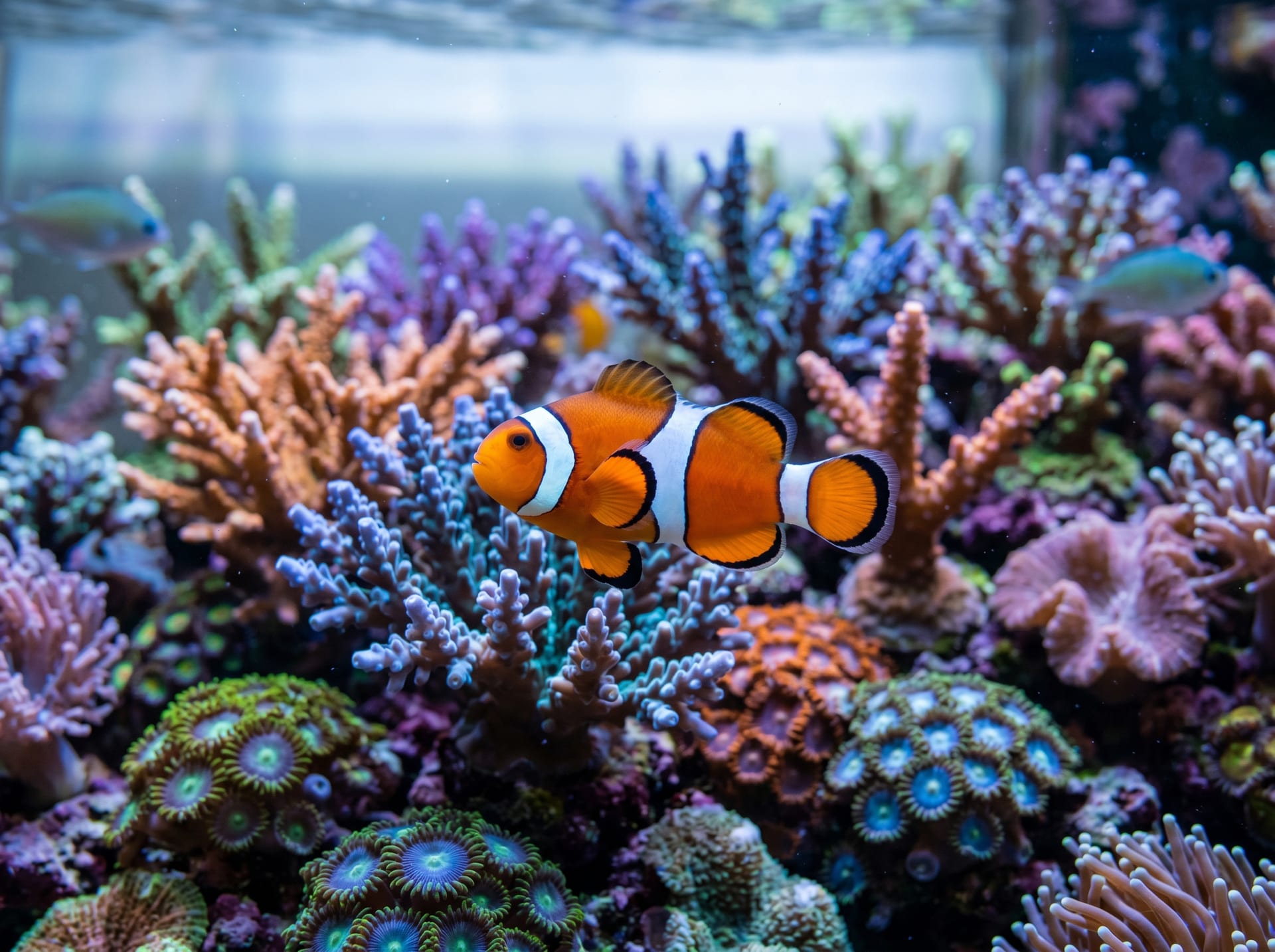
Same-sized or larger fish (Clownfish, Angelfish, etc.) are generally compatible
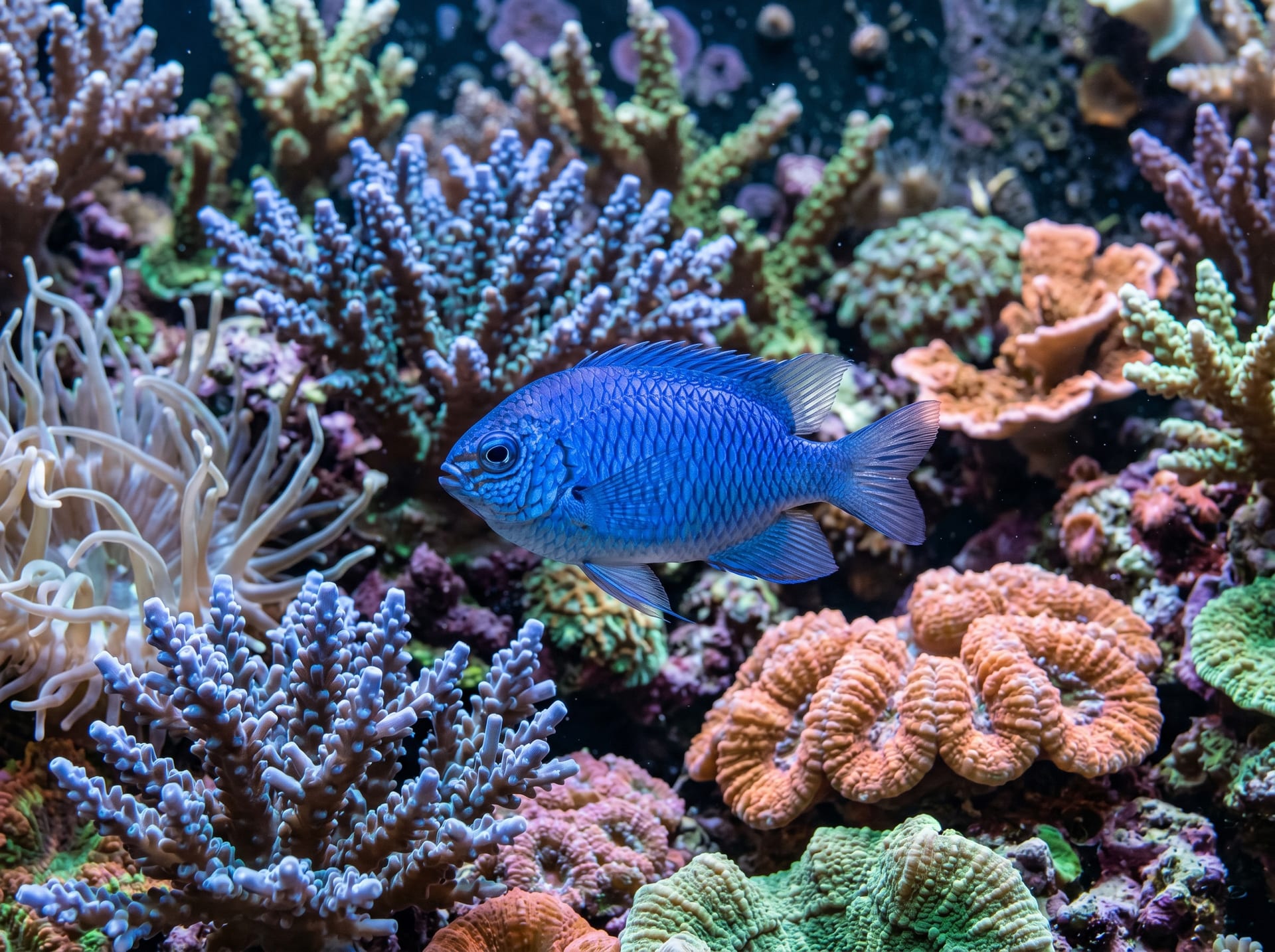
Small gobies, blennies, and damsels are likely to disappear over time
Keeping with the same or closely related Pterois species often results in territorial disputes
Shrimp and crabs are treated as prey and should not be housed together
Compatibility with corals is generally good, and it can be kept in reef tanks. However, it may perch on coral polyps or rub against them, so take care to protect small coral frags from damage.
Disease and Health Management
The Spotted Fin Lionfish is susceptible to ich (Cryptocaryon irritans). Always quarantine new specimens in a treatment tank for 2–4 weeks to check for white spots before introducing them to the main display.
Healthy specimens feed actively and display their pectoral fins gracefully. If feeding decreases, white spots appear on the body, or gill movement accelerates, check water parameters and consider hyposaline treatment (specific gravity 1.010–1.012 for 7–10 days) or formalin baths as needed.
Summary: The Appeal of Keeping Spotted Fin Lionfish
Though venom spines require careful management, the Spotted Fin Lionfish's elegant form and serene aquarium presence captivate marine aquarium enthusiasts. With proper knowledge and safety practices, long-term care of 10+ years is entirely achievable. Enjoy the magnificent presence of this lionfish gracing your aquarium.