Bicolor Angelfish (Centropyge bicolor) Care Guide | Tank Mates, Feeding, Reef Safety, and Long-Term Maintenance Tips
What is the Bicolor Angelfish? The Bicolor Angelfish ( Centropyge bicolor ) is a dwarf angelfish characterized by its striking two-tone coloration—bright…
Key Takeaways
What is the Bicolor Angelfish? The Bicolor Angelfish ( Centropyge bicolor ) is a dwarf angelfish characterized by its striking two-tone coloration—bright…
Related Species
What is the Bicolor Angelfish?
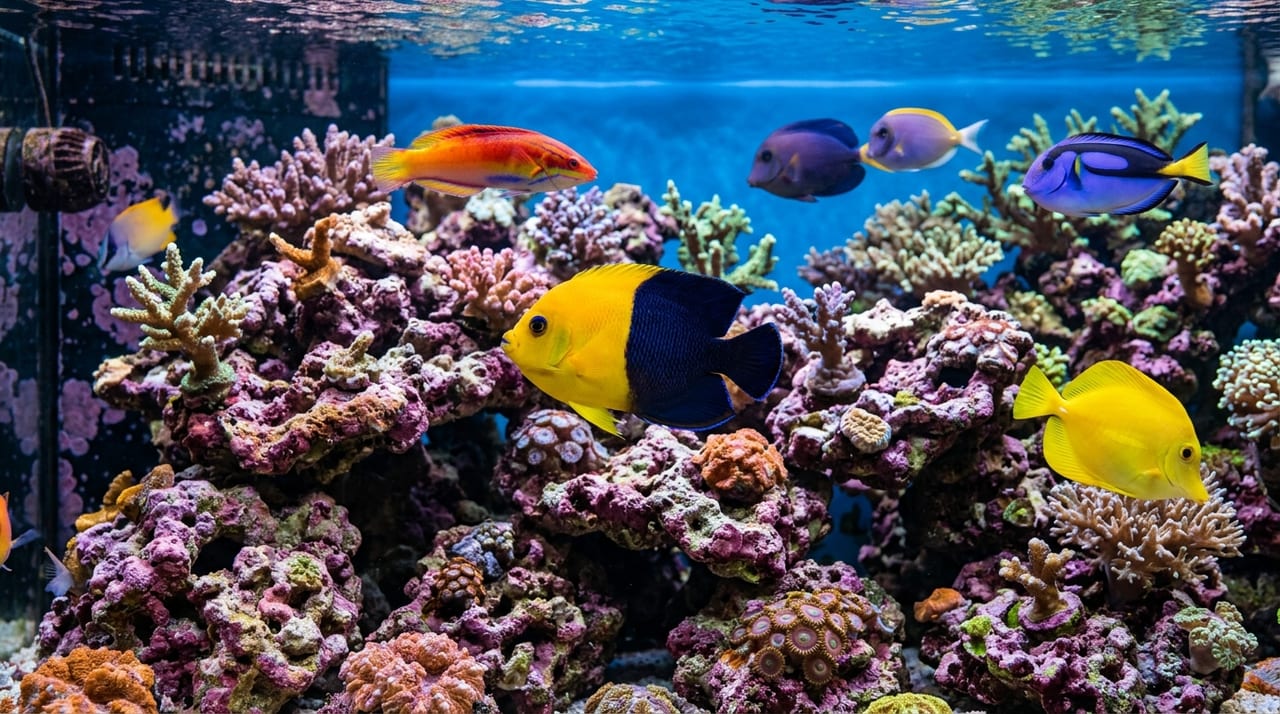
The Bicolor Angelfish (Centropyge bicolor) is a dwarf angelfish characterized by its striking two-tone coloration—bright yellow on the front half of the body and dark blue-black on the rear half. It is widely distributed across the Indian Ocean and Western Pacific, inhabiting rocky areas of coral reefs. It reaches a maximum size of approximately 14 cm and is considered somewhat large among dwarf angelfish.
Its beautiful appearance and ready availability have made it popular among beginners, but its actual care difficulty is moderate to somewhat challenging. Understanding its reluctance to accept artificial feeds and its strong territorial behavior toward conspecifics and related species is the first step toward successful long-term care.
Tank Size and Environmental Setup
A minimum tank size of 90 cm (200 L) or larger is recommended for keeping Bicolor Angelfish. Despite its modest body length of about 14 cm, it has strong territorial instincts and will experience constant stress in smaller tanks. A tank of 120 cm or larger provides even better stability.
The ideal water parameters are as follows:
- Temperature: 24–27°C
- Salinity (specific gravity): 1.023–1.025
- pH: 8.1–8.4
- Ammonia/Nitrite: 0 ppm
It is important to provide abundant live rock with many crevices and cave-like spaces where the fish can hide. The Bicolor Angelfish establishes territories within rocky crevices and uses them as a base for swimming. With insufficient hiding places, its aggression toward other fish increases.
Feeding and Food Methods
In nature, the Bicolor Angelfish is omnivorous, grazing on algae and small organisms; however, it often refuses artificial feeds when first introduced to an aquarium. The following steps are effective for acclimating it to captive diets:
Step 1: Begin with Frozen Foods
Start by offering live or frozen foods that trigger the fish's natural feeding instinct, such as copepods, brine shrimp, or frozen daphnia. In the initial acclimation period, feed small amounts twice daily and confirm that the fish is eating.
Step 2: Provide Dried Algae (Nori and Spirulina)
Place spirulina wafers or dried nori sheets on live rocks. Since this species has a strong herbivorous tendency, it will naturally begin grazing as part of its normal behavior.
Step 3: Transition to Artificial Pellet Foods
Once the fish is feeding reliably on frozen foods and algae, gradually introduce small marine pellet foods by mixing them with the frozen foods. Slowly increase the proportion of artificial foods over time.
It is not uncommon for this process to take 2–4 weeks. Patience is essential.
Considerations for Tank Mates
The Bicolor Angelfish is one of the more difficult species to keep with conspecifics or with other similarly shaped dwarf angelfish.
Incompatible or Problematic Tank Mates
- Conspecific Bicolor Angelfish (males engage in intense territorial disputes)
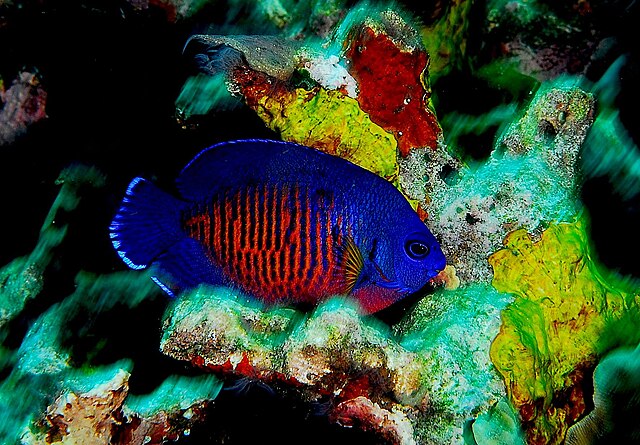
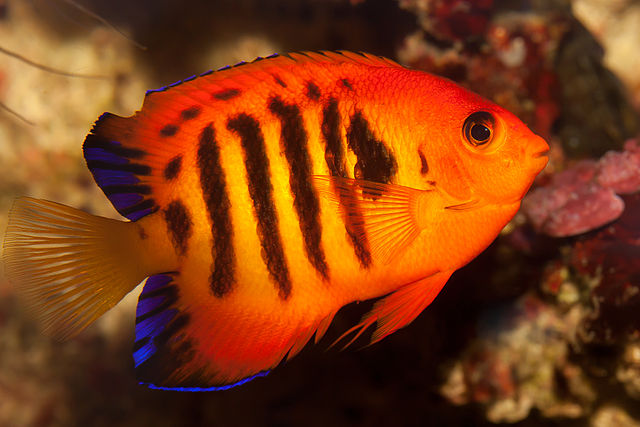
- Other dwarf angelfish (Flame Angelfish, Coral Beauty, etc.)
- Fish with similar coloration (may trigger confusion and aggression)
In larger tanks, keeping multiple dwarf angelfish together can work to some degree if introduced simultaneously or if larger individuals are added after smaller ones, but individual variation is high, making outcomes unpredictable.
Relatively Compatible Tank Mates
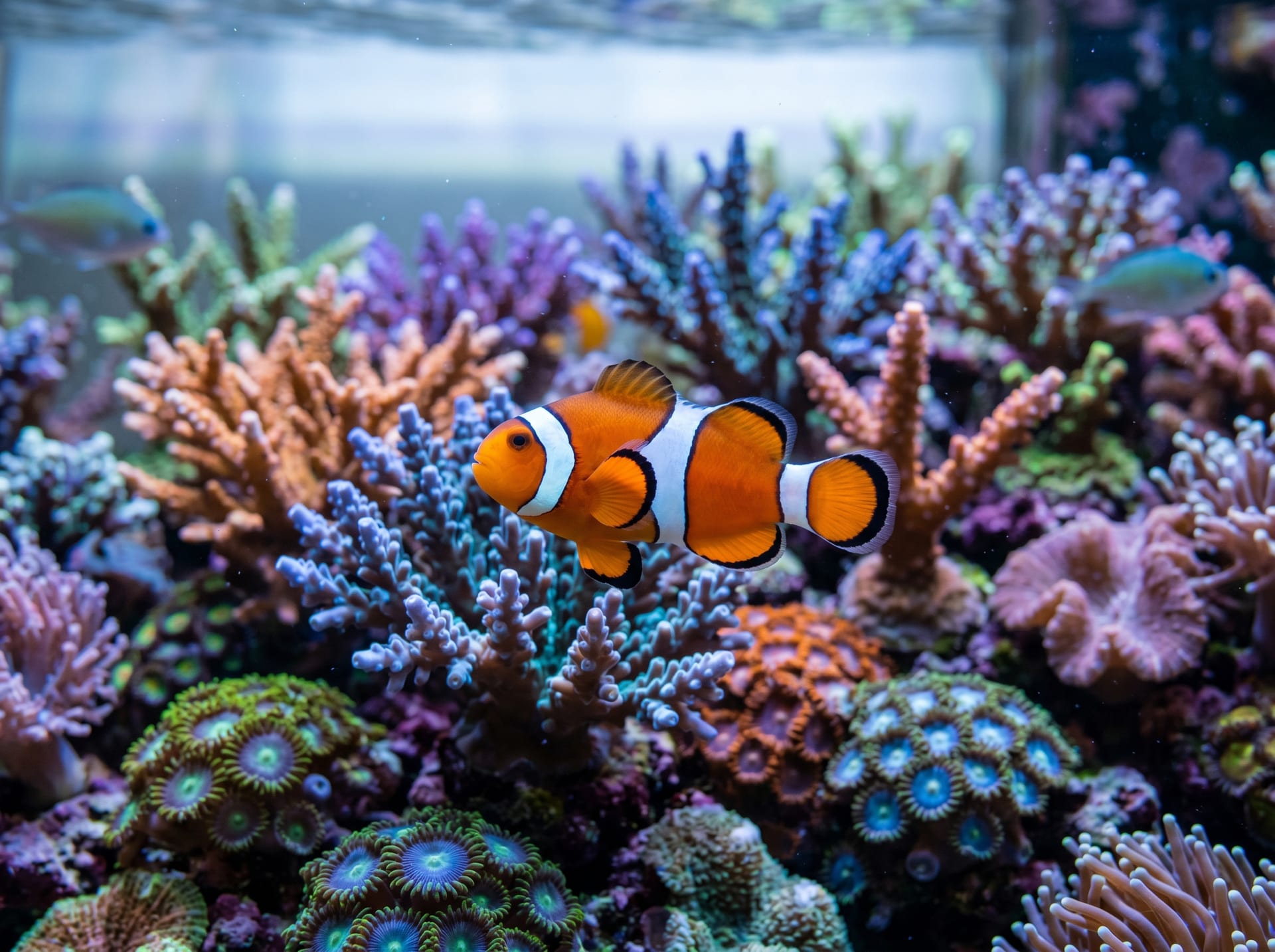
- Fish that occupy different swimming zones, such as Ocellaris Clownfish or Yellow Tang
- Bottom-dwelling fish such as gobies and blennies
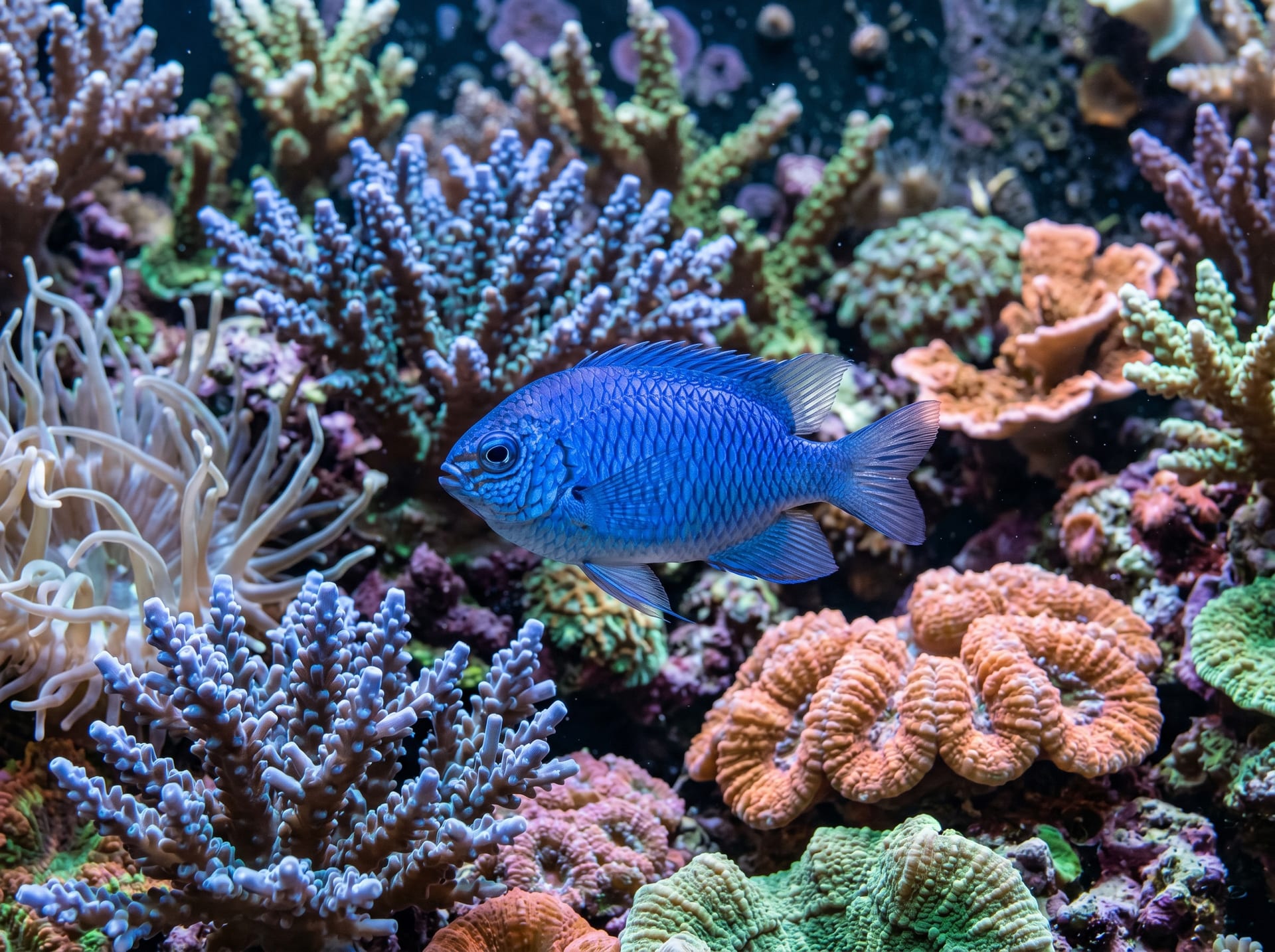
- Schooling species like fairy wrasses and damsels (though watch for territorial overlap)
Reef Safety
The Bicolor Angelfish may pick at soft corals and some LPS (Large Polyp Stony corals), making it not entirely reef-safe. Individual variation is significant—some specimens never nip corals, while others may even peck at SPS (Small Polyp Stony corals).
Its overall risk level is considered "moderate." Zoanthids (button polyps) and the soft tissues of LPS are most at risk, so if adding this fish to a reef tank, make it a habit to inspect coral polyps daily. In SPS-dominated tanks, problems are less likely to occur.
Tips for Long-Term Care
Here are key points for maintaining a Bicolor Angelfish for years:
Balanced Nutrition
Feeding a combination of frozen foods, dried algae, and artificial pellets is effective for maintaining coloration and strengthening immunity. Spirulina-enriched foods and seaweed-based wafers also enhance color vibrancy.
Water Quality Stability
When nitrate exceeds 20 mg/L, the fish's colors dull and stress signs appear. Keep nitrate low through regular water changes and proper protein skimmer maintenance.
Strict Quarantine
The Bicolor Angelfish is susceptible to ich (white spot disease). Quarantine the fish for 4–6 weeks before introduction to confirm good health; this greatly improves long-term success.
Eliminate Stress Factors
The fish may attack its own reflection in a mirror or window. If the tank is near a window or if external reflections are strong, consider repositioning it.
Common Diseases and Treatment
Understanding diseases common to the Bicolor Angelfish and their treatments is essential for long-term care.
Ich (Cryptocaryon irritans)
This is the most common disease. Small white spots appear on the fish's body. In severe cases, spots cover the entire body, and the fish swims at an angle with rapid breathing. Upon discovery, immediately isolate the fish and treat it with copper ion therapy or medicated baths. Since copper cannot be used in reef tanks, it is ideal to maintain a dedicated quarantine tank.
Velvet Disease (Oodinium ocellatum)
Fine gold or yellow particles (finer than ich) cover the body. Characteristic signs include folded fins and the fish rubbing its body against rocks. Treatment uses copper sulfate or specialized medications. The disease spreads rapidly to other fish, so isolate immediately upon detection.
Nutritional Disorders
Inconsistent feeding causes dull coloration and weight loss. Insufficient animal protein particularly compromises immunity. Review your feeding regimen and regularly include frozen krill, daphnia, and brine shrimp.
Choosing a Healthy Specimen
Selecting a healthy specimen is the first step toward long-term success. Here is a checklist for purchasing:
- Check for wounds, white spots, or sloughed mucus on the body: Examine all fish in the tank for signs of ich.
- Are both eyes clear? Avoid fish with cloudy or protruding eyes.
- Are the tail and dorsal fins intact? Transport stress may have caused fin tears or splits.
- Does it swim normally? Avoid fish that tilt while swimming or rest on the tank bottom, as these indicate poor health.
- Confirm feeding response: If possible, ask the shop to feed the fish and observe its appetite.
Most Bicolor Angelfish available are imported from Indonesia and the Philippines. Those that have been treated and acclimated over time tend to be more stable than freshly collected specimens.
Cost and Availability
Bicolor Angelfish typically cost ¥3,000–¥8,000 in the domestic market (as of 2025), with steady availability. They can be purchased at specialty tropical fish shops, marine aquarium retailers, and breeder marketplaces such as BreederDirect.
When purchasing directly from a breeder, I recommend confirming whether the fish has been treated and its feeding status. Domestically bred individuals tend to have less transport stress and adapt better to new environments.