Care Guide for Onespot Foxface (Siganus unimaculatus) | Algae-Eating Ability, Venomous Spines, and Reef Safety
About the Onespot Foxface The Onespot Foxface ( Siganus unimaculatus ) is a marine fish of the Siganidae family characterized by a single black spot on its…
Key Takeaways
About the Onespot Foxface The Onespot Foxface ( Siganus unimaculatus ) is a marine fish of the Siganidae family characterized by a single black spot on its…
Related Species
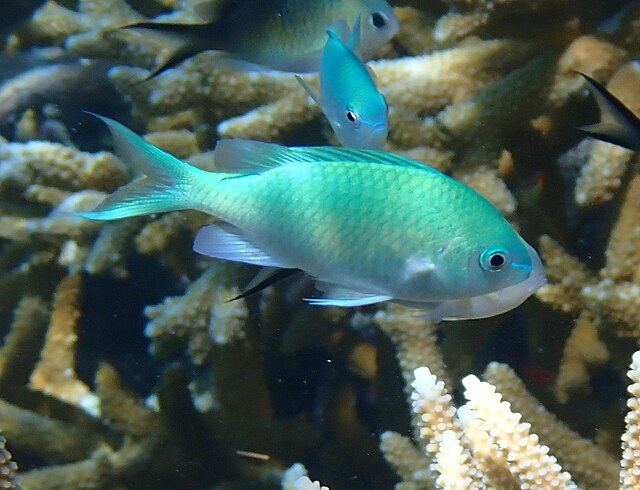
About the Onespot Foxface
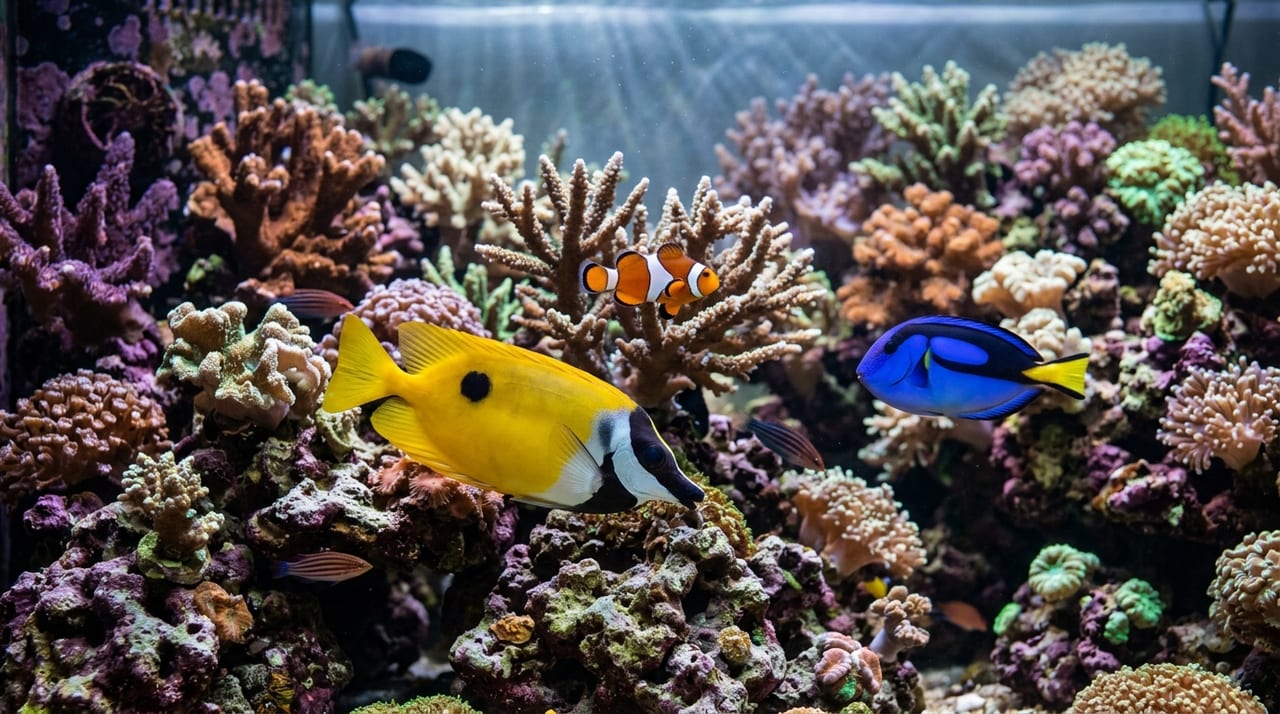
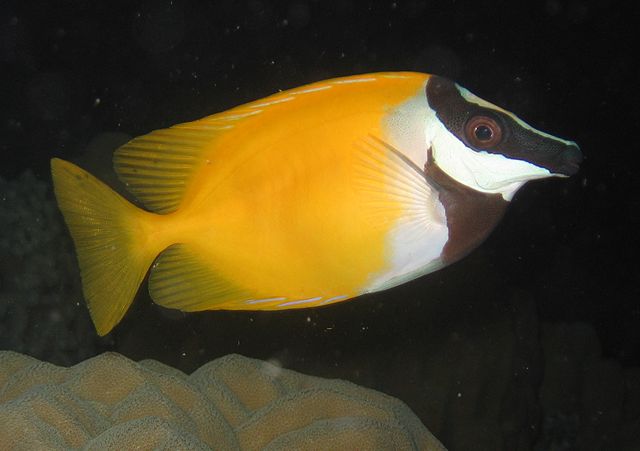
The Onespot Foxface (Siganus unimaculatus) is a marine fish of the Siganidae family characterized by a single black spot on its body side, and is widely distributed throughout the Indian and Western Pacific Oceans. Also known as the "Onespot Foxface" or "Blackspot Foxface," it bears a striking resemblance to the closely related Foxface (Siganus vulpinus).
It grows to approximately 20–25 cm in length and is characterized by its yellow body and pointed snout. It is popular as a practical cleaner fish in saltwater aquariums due to its hardiness, easy feeding acclimation, and excellent algae-eating ability. However, it possesses venomous spines on its dorsal and pelvic fins, requiring careful handling.
Tank Environment and Size
Because the Onespot Foxface is an active swimmer, a minimum tank size of 120 cm (200+ liters) is recommended. Considering the adult size of nearly 25 cm and swimming space requirements, 150 cm or larger is ideal.
Appropriate water quality parameters are as follows:
- Temperature: 23–27°C
- Salinity (specific gravity): 1.023–1.025
- pH: 8.1–8.4
- Nitrate: 20 mg/L or lower (lower is better)
Provide plenty of live rock, balancing open swimming space with hiding areas. When startled, the fish exhibits rapid color-change behavior (transitioning from tan to mottled patterns) as camouflage—a sign of stress or vigilance.
Algae-Eating Ability and Diet
The primary practical value of the Onespot Foxface lies in its excellent algae-eating ability. It actively consumes the following types of algae:
- Filamentous thread algae (hair algae)
- Hard red and calcareous algae (excluding coralline algae)
- Cyanobacteria (blue-green algae)
It also readily accepts prepared foods, eagerly consuming spirulina-based pellets, flakes, and algae wafers. Maintaining health can be achieved by combining a primarily algae-based diet with nutritionally balanced marine fish food.
However, because this is a long-gutted, strongly herbivorous species, a diet centered on carnivorous freeze-dried foods or bloodworms will result in nutritional imbalance. It is important to maintain a high proportion of vegetable matter in its diet.
Caution Regarding Venomous Spines and Handling
The Onespot Foxface possesses venom in the spines of its dorsal, pelvic, and anal fins. Puncture wounds result in severe localized pain and swelling, and in the worst cases may cause shock.
Handling Precautions
- Do not handle with bare hands. Always use a fish net designed for saltwater fish, and vinyl gloves are recommended.
- Be careful to avoid fin contact with hands during water changes and tank cleaning.
- When removing the fish from the tank, use a plastic cup or container.
If stung, the primary first aid is to denature the venom with heat. Immersing the affected area in hot water of approximately 45–50°C (hot but tolerable) for 30–60 minutes will alleviate pain. If pain persists, swelling is severe, or systemic symptoms (dizziness, palpitations) develop, seek medical attention.
Tankmate Compatibility
The Onespot Foxface is relatively peaceful, but territorial disputes may occur with conspecifics or congeners if the tank is not sufficiently spacious.
Compatible Tankmates
- Surgeonfish and tangs (different swimming levels)
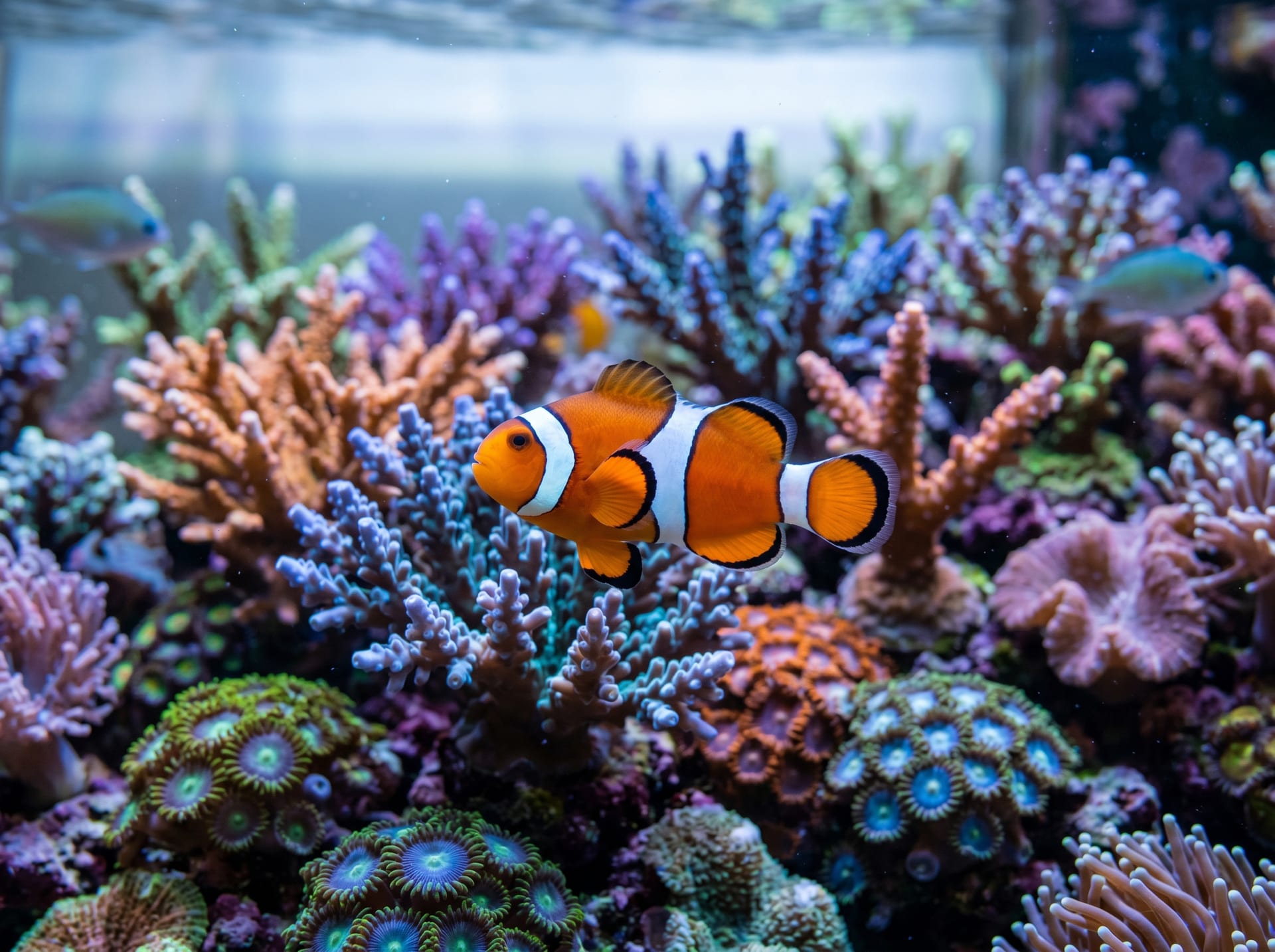
- Clownfish, Chromis schools
- Bottom-dwelling fish such as gobies and blennies
Reef Safety The Onespot Foxface is generally harmless to corals, limiting its grazing behavior to algae on live rock. As nibbling of SPS, LPS, or soft corals is rarely reported, it can be confidently introduced to reef tanks. However, some individuals may be observed nipping soft corals, so continued observation after introduction is recommended.
Tips for Long-Term Care
The Onespot Foxface is a hardy fish that can live 5–10 years with proper care. Key points for long-term success include:
- Feed vegetable-rich foods daily: Never skip algae and spirulina-based pellets.
- Maintain stable water quality: Nitrate accumulation compromises immune function, leading to white spot disease and skin problems. Perform regular water changes consistently.
- Quarantine new fish: Fish purchased from shops may carry white spot disease, so 4–6 weeks of quarantine observation is recommended.
- Provide hiding spots: Areas where the fish can retreat when startled will reduce stress and promote long-term stability.
Differences from the Foxface
The Onespot Foxface is often confused with the Foxface (Siganus vulpinus). While the two are very similar, the Onespot Foxface can be distinguished by a single black spot marking on its body side.
Both species have nearly identical care requirements, algae-eating abilities, and venomous spine danger levels. Choice between them can be based on personal preference for appearance.
Disease and Treatment
White Spot Disease The Onespot Foxface is susceptible to white spot disease. Risk is especially elevated immediately after transport and introduction due to high stress levels. Rigorous quarantine observation for 4–6 weeks before introduction will prevent transmission to the main tank.
If white spot disease is detected, copper cannot be used in reef tanks. Treatment in an isolation tank with fish-only should combine sodium thiosulfate (hypo), UV exposure, and temperature adjustment (raised to 28°C).
Color Fading (Camouflage and Warning Coloration) When startled or threatened, the Onespot Foxface's body shifts from yellow to gray or mottled patterns. This is camouflage behavior, not disease—the fish returns to its normal yellow color when calm. However, prolonged color fading is a sign of malnutrition or deteriorating water quality.
Purchasing Considerations and Price
Market prices for the Onespot Foxface typically range from ¥1,500–4,000 (slightly higher than the standard Foxface). When purchasing from a shop, verify the following:
- Bright yellow body coloration with clearly visible black spot
- Clear eyes (not cloudy)
- Confirm the fish is eating (request the staff to feed if possible)
- No white spots or visible injuries on the body
- Select a shop where staff carefully use nets due to the fish's venomous spines
Juveniles of 5–8 cm typically experience less transport stress and acclimate better to new tanks. Larger specimens (15 cm or more) may experience greater stress from transport and environmental changes.
The Onespot Foxface combines excellent algae-eating ability, hardiness, and beautiful appearance—a trio of desirable qualities. With proper handling and environmental management, it becomes an outstanding long-term partner for the saltwater aquarium.