Sea Slug (Nudibranch) Care Guide | Species Selection, Feeding, Lifespan, and Tank Compatibility Considerations
A comprehensive guide to caring for sea slugs suitable for marine aquariums (such as bent sea slugs and tall sea slugs). We explain their feeding habits, diet methods, lifespan, cohabitation with anemones, and important notes on isolation care.
Key Takeaways
A comprehensive guide to caring for sea slugs suitable for marine aquariums (such as bent sea slugs and tall sea slugs). We explain their feeding habits, diet methods, lifespan, cohabitation with anemones, and important notes on isolation care.
Related Species

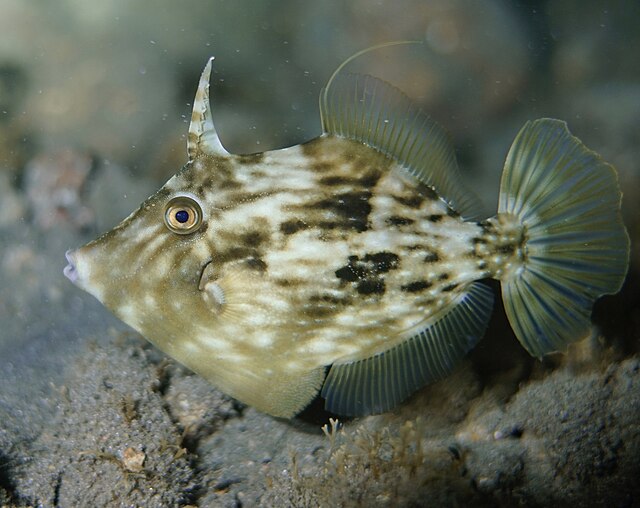
What Are Sea Slugs (Nudibranchs)?
Sea slugs (English: Nudibranch, Nudibranchia) are a group belonging to the class Gastropoda of the phylum Mollusca. Through evolution, they lost their shells and developed brightly colored protrusions on their bodies (secondary gills and tentacle-like appendages). Over 3,000 species are known worldwide, inhabiting diverse marine environments from Antarctica to tropical regions.
Their striking appearance continues to fascinate divers, underwater photographers, and marine aquarists. Many species display colors that seem impossible for living creatures—electric blues, fiery reds, and golden hues. However, behind this beauty lies the challenge of keeping them. This article explains the fundamental knowledge needed to care for sea slugs in a home marine aquarium and highlights key considerations for increasing your success rate.
Sea Slug Biology: Specialized Diet and Short Lifespan—The Barriers to Care
The first critical fact to understand when keeping sea slugs is that most species feed exclusively on specific foods (specialized feeding). Common feeding patterns include the following:
- Sponge feeders: Most species eat only specific sponges, making continuous sponge supply in an aquarium difficult
- Hydroid and bryozoan feeders: Species that eat hydroids and bryozoans naturally occurring on live rock; these are considered relatively beginner-friendly
- Soft coral feeders: Species that feed exclusively on soft corals cannot be kept in coral aquariums
- Mollusk and sea slug predators: Carnivorous species that prey on other sea slugs and mollusks
- Algae feeders: Species that consume microalgae on live rock are relatively easy to manage
If introduced to an aquarium without appropriate food sources, they starve within days to weeks. It is essential to identify what they eat before acquiring them.
Suitable Species and Difficulty Levels
Not all sea slugs are difficult to keep. Difficulty varies significantly by species.
Relatively easy species: Species that feed on microalgae, hydroids, and bryozoans naturally occurring on live rock and substrate (such as some blue sea slug species) can be kept for extended periods in aquariums with abundant live rock. However, "extended" is relative—they weaken as food sources deplete.
Difficult species: Species that feed exclusively on specific sponges or cnidarians are extremely challenging to keep long-term. Though they may appear healthy initially, they often die within weeks if food supply cannot be maintained.
Unsuitable species: Species that feed on soft corals or SPS (Small Polyp Stony corals) become pests in coral aquariums. Accidental introduction can result in widespread coral destruction throughout the tank.
Tank Environment and Water Quality Requirements
Sea slugs are more sensitive to water quality fluctuations than typical marine fish. Follow these management guidelines:
Temperature: While it varies by species, most temperate and tropical species thrive around 22–26°C (72–79°F). Rapid temperature swings are extremely dangerous; even 1–2°C fluctuations can weaken them.
Salinity (specific gravity): The standard range is 1.023–1.026. Use an automatic top-off (ATO) system to prevent salinity rise from evaporation.
Water flow: Excessive current damages their bodies. Position them away from direct powerhead discharge.
Live rock quality: Live rock rich in microorganisms, bryozoans, and hydroids is crucial for ensuring adequate food sources. "Mature" live rock with some remaining organic matter often contains more abundant food than fully cured live rock.
Tank Compatibility: What NOT to House Together
When keeping sea slugs with other organisms, observe these guidelines:
Fish compatibility: Many sea slugs possess toxins or deterrent compounds on their skin, so fish rarely try to eat them. However, triggerfish, pufferfish, and some other trigger fish are aggressive and can injure sea slugs. It's safest to avoid housing them with large fish.
Coral compatibility: Depending on the species, sea slugs may consume soft corals, LPS, or SPS. Thoroughly research the species' feeding habits before housing them together.
Sea slug-to-sea slug compatibility: Some species engage in cannibalism or predation on conspecifics. As a rule, carnivorous sea slugs should be kept individually.
Lifespan and Reproduction: Managing Expectations
Most sea slugs are short-lived; in the wild, some species live less than one year. In home aquariums, where food, water quality, and stress are harder to manage, their lifespans are often even shorter.
Approach their care with the mindset that "long-term survival is a bonus." That said, under ideal conditions, you may observe spawning, and the white-to-pink ribbon-like egg masses are remarkably beautiful. Hatched larvae undergo a planktonic stage, making larval rearing in home aquariums nearly impossible.
Finding Sea Slugs and Care Supplies on BreederDirect
Many sea slug species are difficult to find at typical pet shops. On BreederDirect, specialist breeders and enthusiasts in marine fish and invertebrates list rare sea slug species available in Japan. By confirming the slug's current diet, feeding schedule, and temperature environment directly with the seller before purchase, you can significantly reduce post-acquisition problems. Because sea slug care is challenging, pre-purchase research is the key to success. Acquiring the necessary live rock and microalgae materials together enables you to establish a more stable environment.