Epaulette Shark Care Guide | Environment, Feeding, and Precautions for Keeping Small Sharks in Home Aquariums
The epaulette shark (*Hemiscyllium ocellatum*) is one of the few sharks that can be kept in a home aquarium. We provide a detailed explanation of the necessary tank size, substrate, water quality, feeding methods, and precautions for housing with other fish.
Key Takeaways
The epaulette shark (*Hemiscyllium ocellatum*) is one of the few sharks that can be kept in a home aquarium. We provide a detailed explanation of the necessary tank size, substrate, water quality, feeding methods, and precautions for housing with other fish.
About the Epaulette Shark
The epaulette shark (Hemiscyllium ocellatum) is a small shark of the carpet shark family that inhabits coral reefs along the coasts of northern Australia and New Guinea. It grows to a maximum body length of approximately 107 cm (average 70-80 cm), but due to slow growth and relatively easy management in an aquarium, it is known as one of the few shark species that can be kept in a home aquarium.
✍️
BreederDirect Editorial
The BreederDirect editorial team specializes in care information for animals, covering veterinary care and breeding to deliver beginner-friendly guides.
Find Marine Fish on BreederDirect
Buy directly from verified breeders
Browse Related Listings
Find Marine Fish listings related to this article on BreederDirect. Buy directly from verified breeders.
The name derives from the large black eye-like markings (ocelli) located at the base of the pectoral fins (at the shoulder-like position), which resemble epaulettes on military uniforms.
Distinctive Feature: The "Walking" Shark
The epaulette shark exhibits the remarkable behavior of walking on land (across coral reefs) by undulating its body when the tide recedes and the coral reef becomes exposed. It has an exceptional ability to adapt to low-oxygen environments and can survive briefly out of water.
This "walking" ability is also displayed in captivity, making secure tank lids and thorough sealing of gaps essential. This species is known for frequent escape incidents.
Required Tank Size
Since the epaulette shark moves by crawling along the bottom, a tank that is wider than it is tall is most suitable.
Growth Stage
Recommended Tank Size
Juvenile (up to 40 cm)
120 cm L × 60 cm W × 60 cm H (approximately 430 L)
Adult (40-80 cm)
180 cm L × 90 cm W × 60 cm H (approximately 970 L or larger)
Maximizing floor area is the top priority. The width of the substrate has a greater impact on behavior than tank height.
Substrate and Layout
Substrate: Use fine coral sand (2-5 mm grain size) at a depth of 5-8 cm. Since sharks rest with their bellies on the bottom, sand that is too coarse will damage their skin.
Rock Structures: Create arch-shaped rock formations to serve as hiding places. Since the shark has a tendency to enter narrow spaces, ensure gaps large enough for the shark to pass through (15-20 cm diameter or larger).
Live Rock: Small amounts are acceptable, but it is important to secure them firmly to prevent damage when the shark moves. A low, stable layout is more suitable than stacking rocks vertically.
Corals: Hard corals (SPS) are recommended to be avoided as they are susceptible to damage. Tough soft corals (such as leather corals) can sometimes coexist.
Water Quality Management
Since the epaulette shark is a coral reef marine fish, high-quality water parameters are necessary.
Parameter
Recommended Range
Specific Gravity (Salinity)
1.022-1.025 (equivalent to natural seawater)
Temperature
22-26°C (watch for overheating)
pH
8.1-8.3
Ammonia
0 mg/L
Nitrite
0 mg/L
Nitrate
20 mg/L or less
Alkalinity
8-10 dKH
Filtration: A powerful external filter or sump (overflow system) is required. Since sharks are large fish with high waste production, the biological filtration capacity should be designed to be substantial.
Protein Skimmer: Install a large, high-quality protein skimmer and remove organic matter regularly.
Water Changes: 10-20% weekly water changes are standard. An automatic water change system is ideal due to the large water volume.
Feeding
The epaulette shark is carnivorous and in the wild feeds on crabs, shrimp, polychaete worms, and small fish.
Recommended Foods
Frozen squid/octopus (cut into pieces)
Frozen shrimp (with shell)
Frozen cuttlefish or mantis shrimp
Conger eel or goby fillets
Crickets or dubia roaches (as protein supplements)
Feeding Method
Feed 2-3 times per week as standard (overfeeding leads to elevated ammonia levels)
Use long tongs or feeding sticks for safe feeding
Start with live foods (such as live small shrimp) until the shark becomes accustomed to feeding to minimize food refusal
General feeding amount per session: approximately 5-10% of body length
Caution: Epaulette sharks have an extremely keen sense of smell, and placing your hand in the tank during feeding may result in accidental bites. Always use tongs.
Tank Mates
The epaulette shark is relatively docile, but the following points require attention.
Incompatible Tank Mates
Small fish that fit in the mouth (15 cm or less in length) will be preyed upon
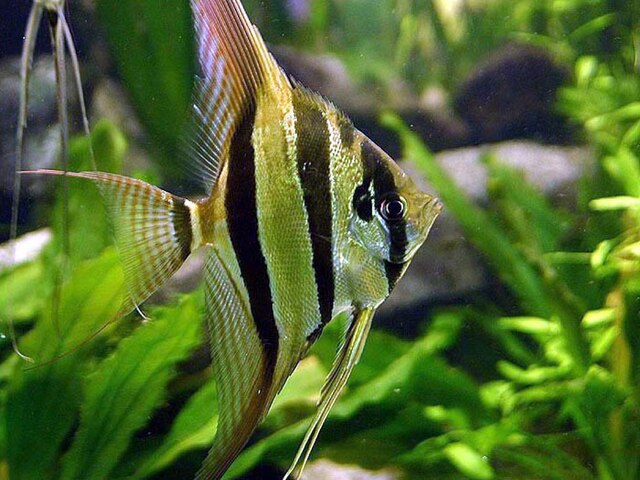
Aggressive angelfish and triggerfish will nip at the shark's fins
Other shark species (territorial conflicts)
Cleaner shrimp (will be preyed upon)
Compatible Tank Mates
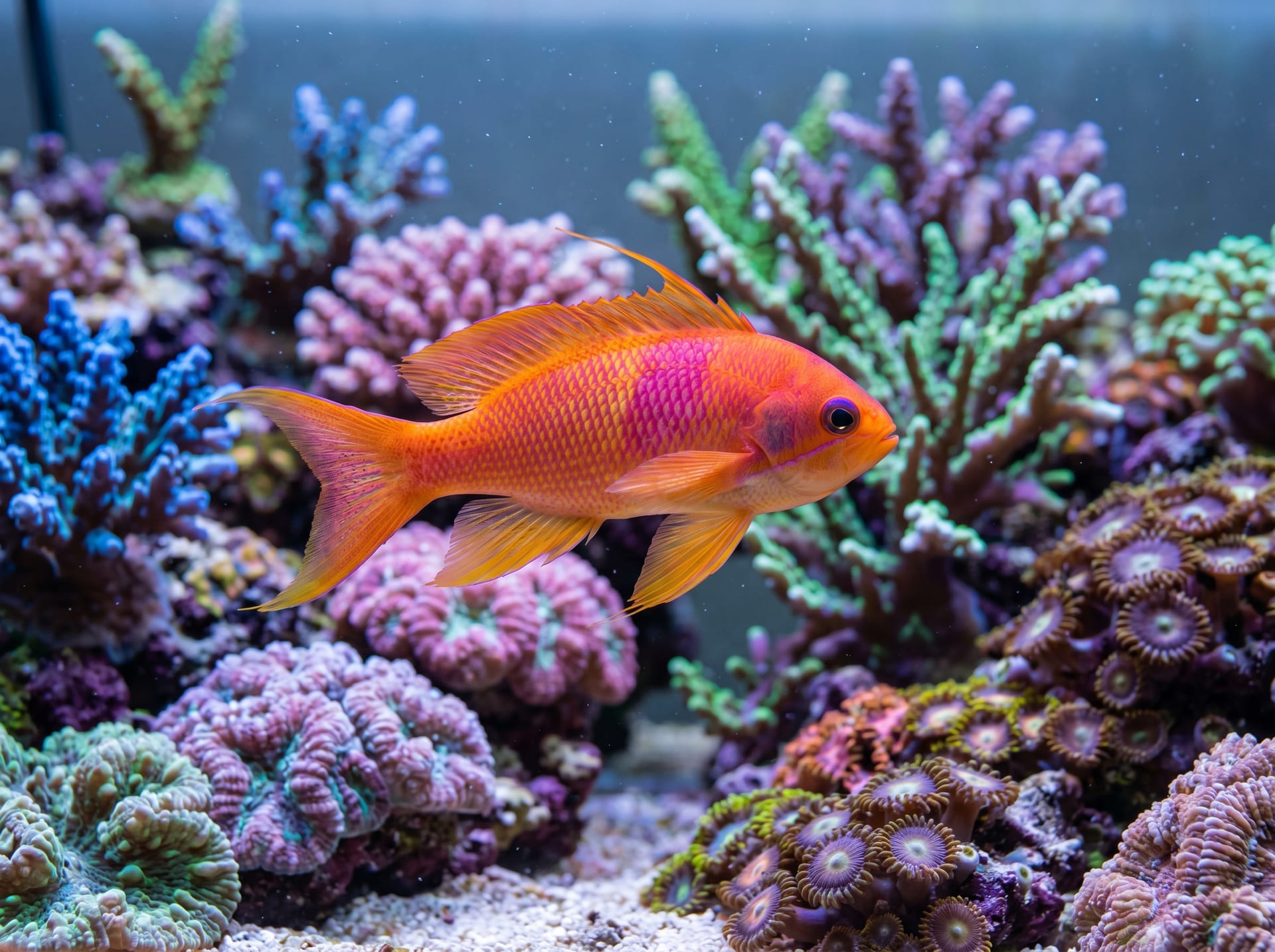
Medium-sized or larger anthias and grouper species (docile varieties)
Large angelfish (be cautious with butterflyfish)
Large saury-type fish (equal size or larger)
Legal Status and Acquisition
The epaulette shark is not currently listed in CITES Appendix II (restricted species), but importation and sale may be subject to fisheries-related regulations that should be verified. Always acquire from reputable domestic breeding facilities or shops and confirm necessary documentation.
Captive-bred domestic individuals tend to adapt to their environment more quickly and have higher success rates for long-term care compared to wild-caught specimens.
Summary
The epaulette shark is one of the few options that fulfills aquarists' dream of keeping a shark. However, it is a large fish that ultimately grows to around 80 cm, requiring a large-capacity tank, high-quality filtration, and specialized feeding management.
With adequate equipment and knowledge, it will become a wonderful long-lived marine fish companion that can live 15-20 years or more. Above all, never neglect secure lid management to prevent escapes.