Lionfish (Pterois) Care Guide | Handling Venomous Spines, Tank Setup, and Feeding Techniques
Learn how to care for impressive lionfish (Pterois species) in saltwater aquariums. This guide covers safe handling of venomous spines, proper tank size and water quality management, techniques for feeding frozen foods, and compatible fish species.
Key Takeaways
Learn how to care for impressive lionfish (Pterois species) in saltwater aquariums. This guide covers safe handling of venomous spines, proper tank size and water quality management, techniques for feeding frozen foods, and compatible fish species.
Related Species
Can You Keep Lionfish? — Appeal and Important Considerations
Striking pectoral fins, distinctive striped patterns, and an impressive swimming posture—lionfish (Pterois species) enjoy enduring popularity among saltwater aquarium enthusiasts. However, many hesitate to keep them due to their venomous nature.
In reality, lionfish can be successfully kept by beginner-to-intermediate aquarists with proper knowledge and equipment. The venom is located in the spines of their fins, but with correct handling, the risk of being stung is virtually zero. This article systematically explains everything you need to know about lionfish care, from choosing the right species to daily maintenance.
Lionfish Species and Selection Guide
Small Species for Beginners
Dwarf lionfish grow only 10–15 cm in length and can be kept in 30–60 cm tanks. They have a relatively calm temperament and readily accept frozen krill, making them the most recommended species for beginners.
Radial firefish are somewhat larger than dwarfs (up to 25 cm) and are known for their elaborate fins. They can be successfully kept in tanks 60 cm or larger.
Large Species for Intermediate-to-Advanced Keepers
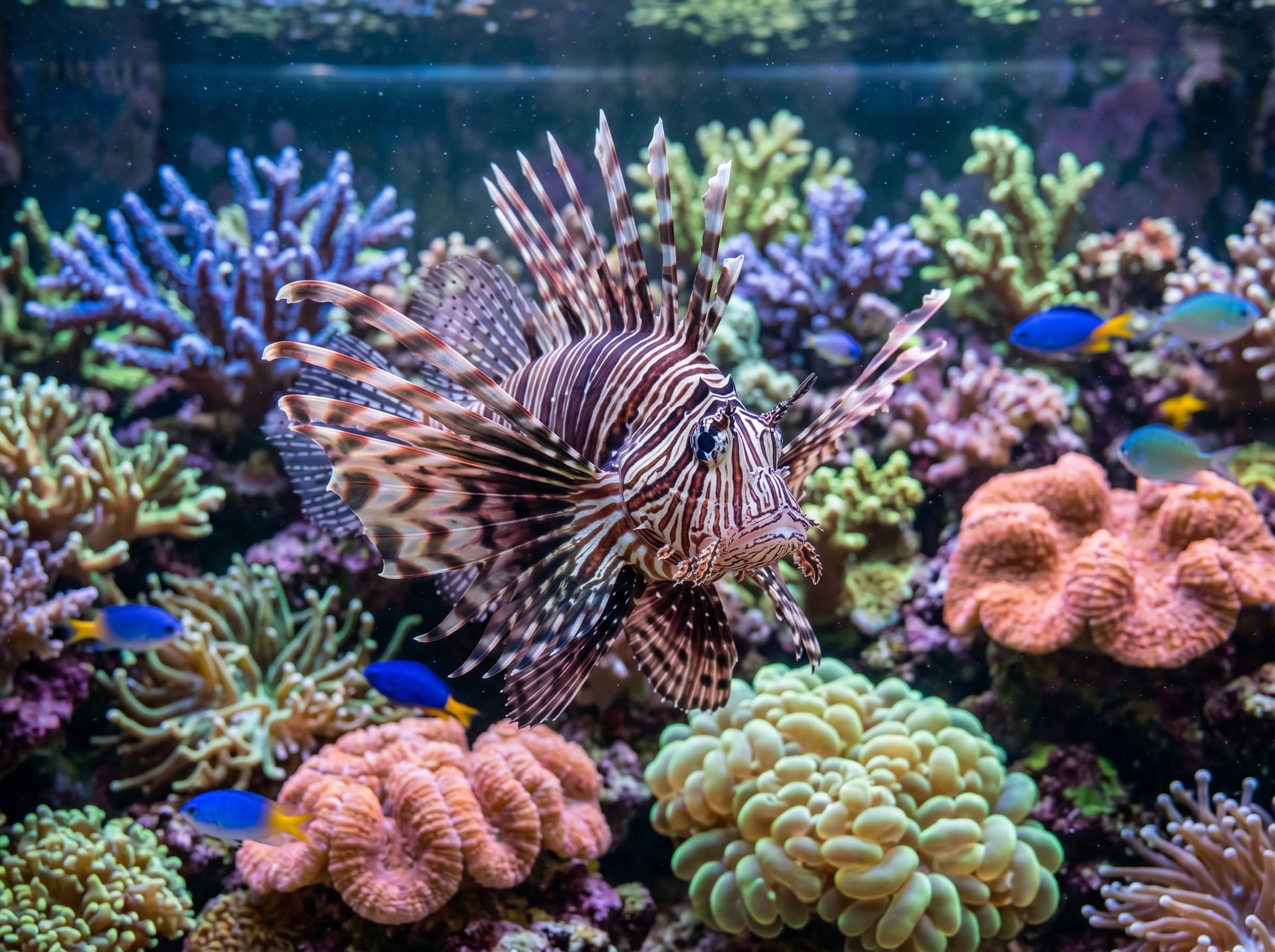
Red lionfish (Pterois volitans) grow to approximately 35 cm maximum and command a dominant presence in the aquarium. Because few fish species can be housed with them, they are typically kept alone or with other large carnivorous fish. A tank of 90 cm or larger is recommended.
Giraffe firefish are characterized by their elongated body shape and vertical stripes. Though more expensive, they are familiar species that also inhabit Japanese waters.
Health Checks When Purchasing
- Check that fins are naturally extended (not withered or curled)
- Verify there are no white spots, ulcers, or wounds on the body
- Ensure the fish doesn't panic excessively when people approach (calm individuals are preferable)
- Confirm whether the fish is already eating (individuals accepting frozen krill or pellets are ideal for beginners)
Safe Handling of Venomous Spines
Understanding the Venom's Properties
Lionfish venom is stored in venom glands at the base of the spines in the dorsal, ventral, and anal fins. Being stung causes intense, burning pain that lasts for several hours. Severe cases are rare, but those with allergies should exercise caution.
If stung, the first aid treatment is to immerse the affected area in hot water (40–45°C). Heat denatures the protein-based toxin and reduces pain. Afterwards, seek medical attention immediately.
Precautions During Tank Work
- Wear thick rubber or leather gloves. Never work in the tank with bare hands.
- When netting the fish, use a large-sized net to prevent spines from getting caught in the mesh.
- Use tongs or long kitchen tweezers to feed without direct contact.
- As lionfish may jump when startled, always cover the tank.
Tank and Equipment Setup
Tank Size
| Species | Minimum Tank Size | Recommended Tank Size |
|---|---|---|
| Dwarf lionfish | 40 cm (60 L) | 60 cm (80–120 L) |
| Radial firefish | 60 cm (120 L) | 90 cm |
| Red lionfish (large) | 90 cm | 120 cm or larger |
Lionfish spend more time stationary beneath live rock or in dark areas than swimming, so prioritize abundant hiding places over open swimming space in your layout.
Filtration and Water Quality Management
- Protein skimmers are essential. Since lionfish are carnivorous and produce high organic waste, frequent cup cleaning is necessary.
- Temperature: 24–26°C (heater and thermostat required)
- Specific gravity: 1.023–1.025 (standard for saltwater aquariums)
- pH: 8.1–8.3
- Ammonia and nitrite: 0 ppm (introduce after nitrogen cycle is established)
Since they are heavy eaters producing excess waste and uneaten food, design your filtration system with excess capacity. Regular replacement of activated carbon prevents water yellowing.
Live Rock and Layout
Arrange live rock in arches and cave-like structures to create hiding spaces for your lionfish. They dislike bright lighting, so layouts with abundant shadows are preferred. If using LED lighting, low to moderate intensity is sufficient.
Feeding and Diet Management
Transitioning from Live Food to Frozen Food
Transitioning wild-caught or live-food-dependent individuals to frozen food requires a gradual approach.
Step 1: Reduce live food gradually
For the first 1–2 weeks, provide live shrimp (grass shrimp or Artemia) while acclimating the fish to the tank.
Step 2: Mix frozen krill with live food
Present frozen krill while moving it with tweezers (making it "dance"). Lionfish respond to movement, so once they take frozen food into their mouth, they quickly recognize it as food.
Step 3: Transition completely to frozen krill
Once feeding is established, discontinue live food. Live food (live fish or shrimp) degrades water quality and encourages the habit of eating only moving prey.
Feeding Frequency and Quantity
- Adults: Feed once every 2–3 days (overfeeding causes fatty liver and obesity)
- Portion size: Approximately 1/3 of body length per feeding
- If refusal to eat persists: Raise water temperature by 1–2°C, increase hiding places, or vary feeding times
Recommended Food Types
- Frozen krill (Euphausia): Most common and nutritionally balanced
- Frozen silverside or small fish: Supplementary food for larger individuals
- Frozen white shrimp: Highly palatable and easy to use for conditioning
- Nutritional supplements (vitamins, HUFA): Soak frozen food to enhance nutrition
Tank Compatibility
Compatible Fish Species
The basic rule with lionfish is "anything that fits in their mouth will be eaten." With this in mind, compatible tank mates are limited.
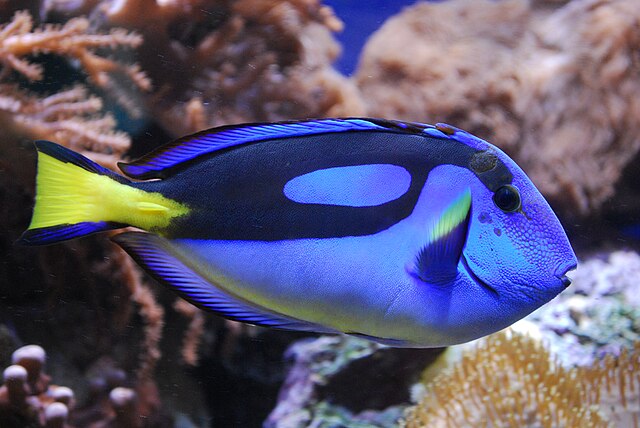
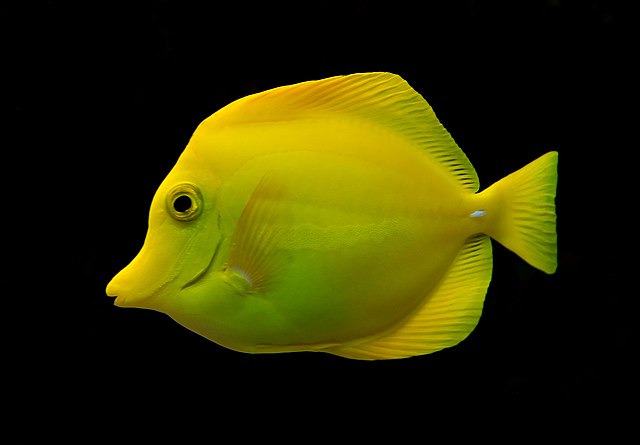
- Large surgeonfishes (tangs): Yellow tangs, blue tangs, etc. (same size or larger)
- Large angelfish: King angelfish, French angelfish, etc.
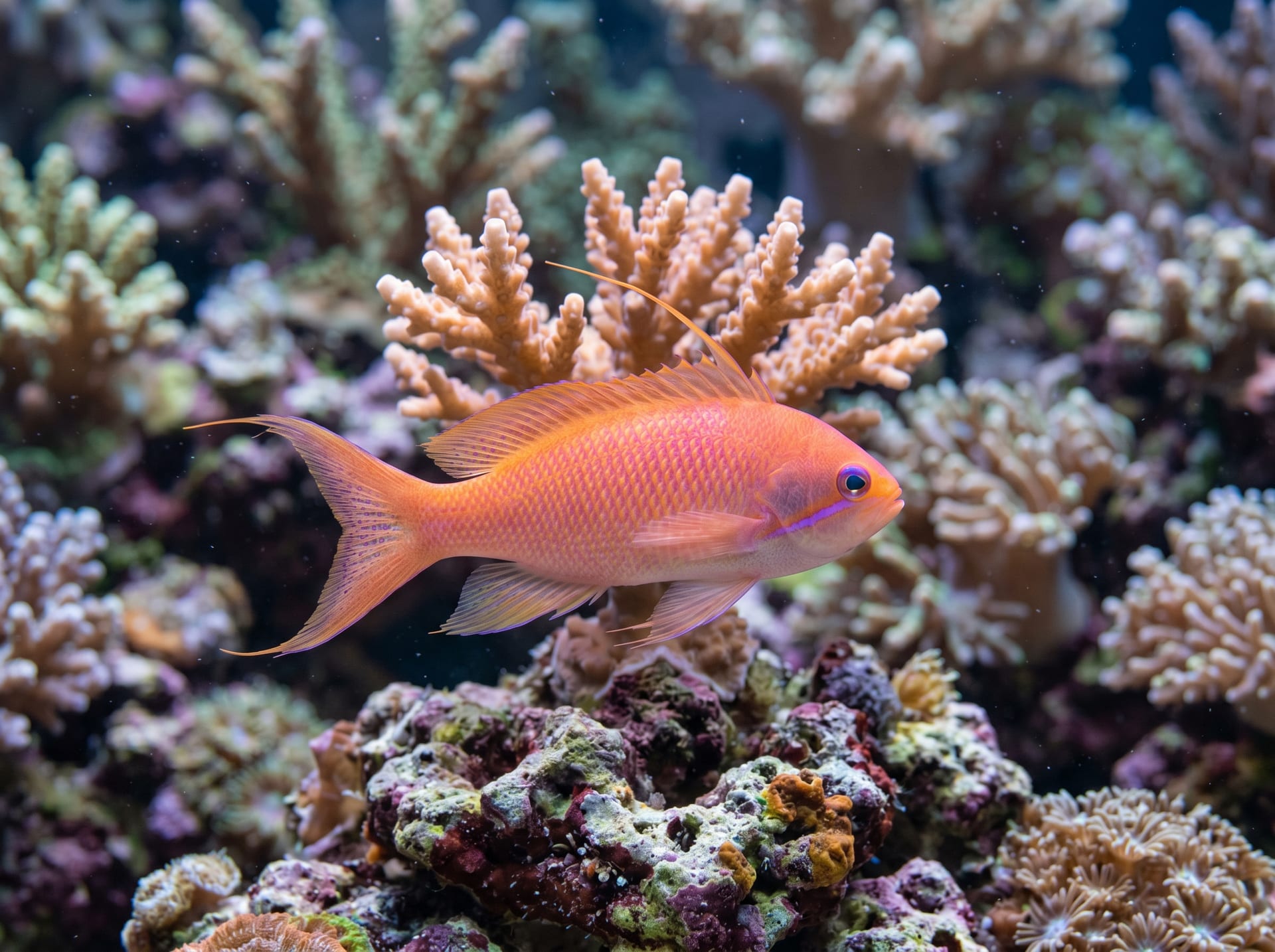
- Large blennies and anthias: Compatible if sufficiently large
- Other lionfish: Same or related species may coexist (varies by individual)
Incompatible Species
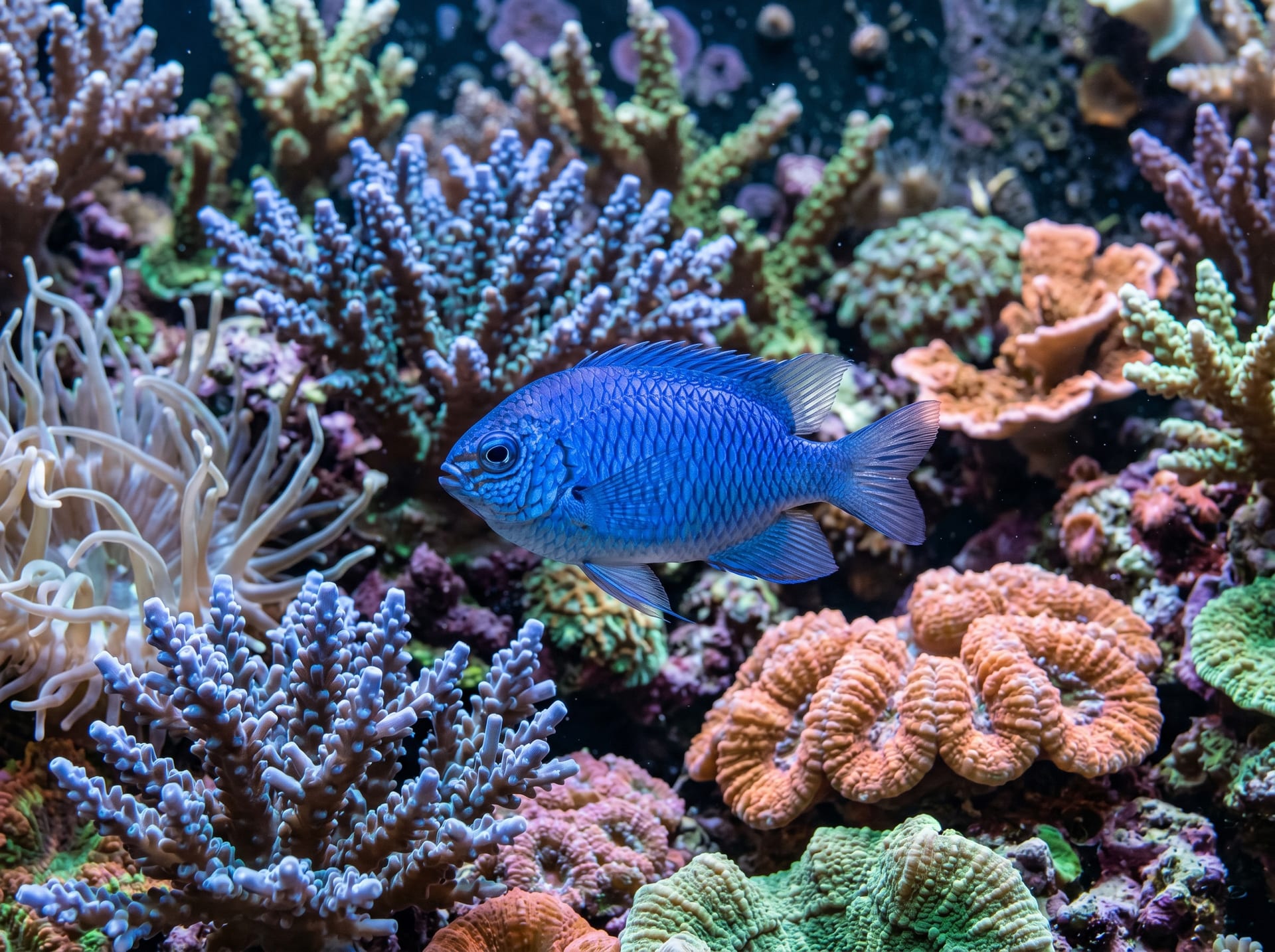
- Small fish in general: Damsels, clownfish juveniles, gobies, small wrasses, etc.
- Small crustaceans: Shrimp and crabs (will almost certainly be eaten)
- Sea cucumbers and starfish: May react negatively with venom
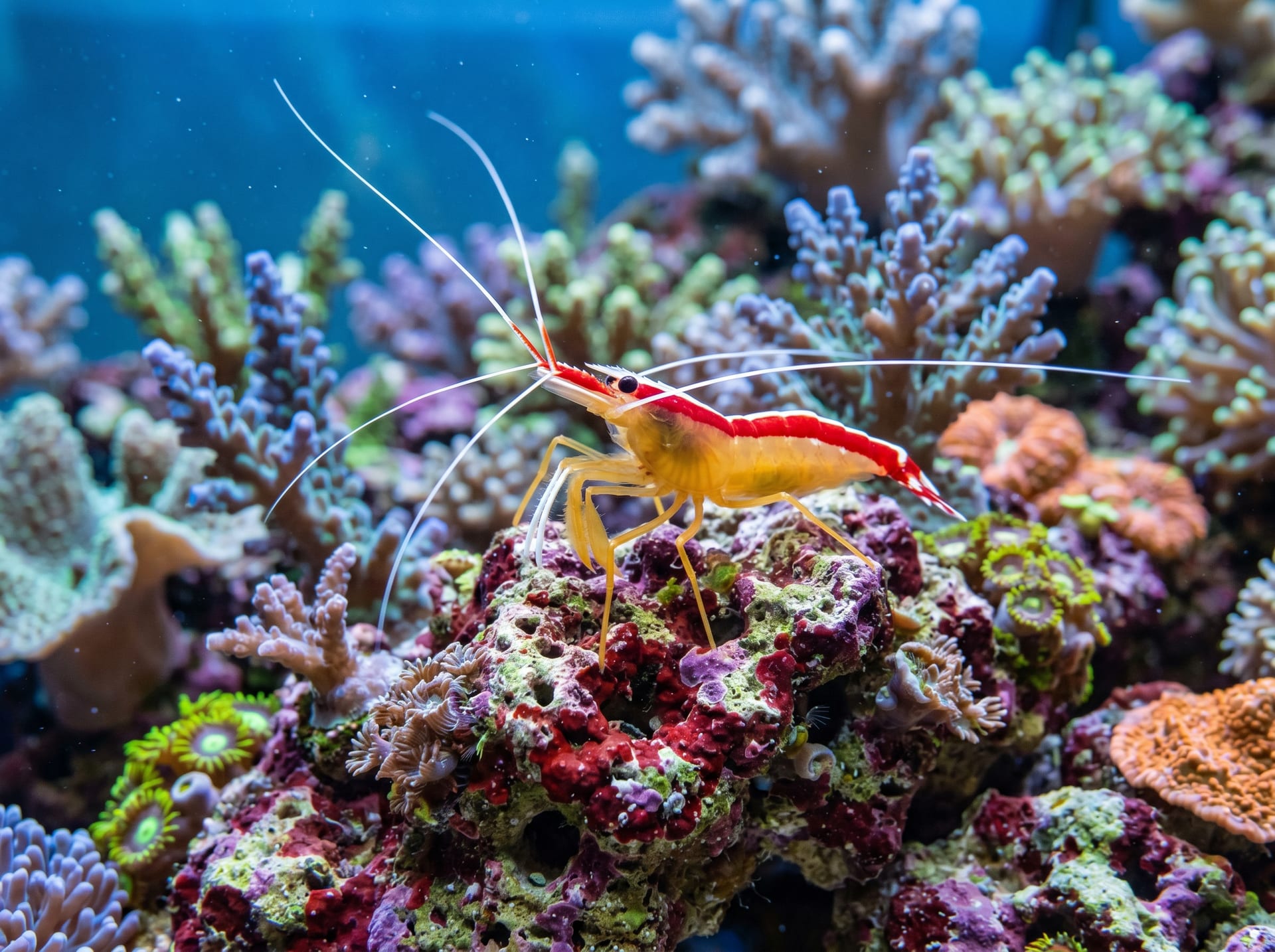
Regarding cleaner shrimp (such as skunk shrimp), while some individuals may not eat them, be aware of the risk of predation.
Common Problems and Solutions
Loss of Appetite
It is normal for lionfish to refuse food for 1–2 weeks during transition to frozen food or after environmental changes. However, if refusal persists beyond 3 weeks, check the following:
- Is the temperature appropriate (24–26°C)?
- Are water parameters (ammonia, nitrite) within acceptable ranges?
- Are there sufficient hiding places in the tank?
- Is the lighting too intense?
White Spot Disease
Lionfish are susceptible to white spot disease (Cryptocaryon irritans). Copper treatment is effective, but treating in the main tank is ineffective because live rock absorbs the copper. Always treat in a separate quarantine tank.
Natural Spine Loss and Spine Damage
Spines may break or shed during captivity. While new spines regenerate, damaged spines pose infection risks, so treat with iodine baths and maintain meticulous water quality.
Summary — The Joy of Keeping Lionfish
Though lionfish often seem like "dangerous creatures," they are hardy fish that can be kept for many years (10+ years) with proper care. Many individuals recognize their keepers' faces and learn to anticipate feeding time, making the experience uniquely rewarding.
Refer to this guide to safely enjoy keeping lionfish. If you're looking for captive-bred lionfish, you can purchase directly from breeders nationwide through the breeder direct-sale platform "BreederDirect." Being able to select individuals while consulting with experienced breeders is one of the major advantages of buying directly from breeders.