Other Coral

Other Coral

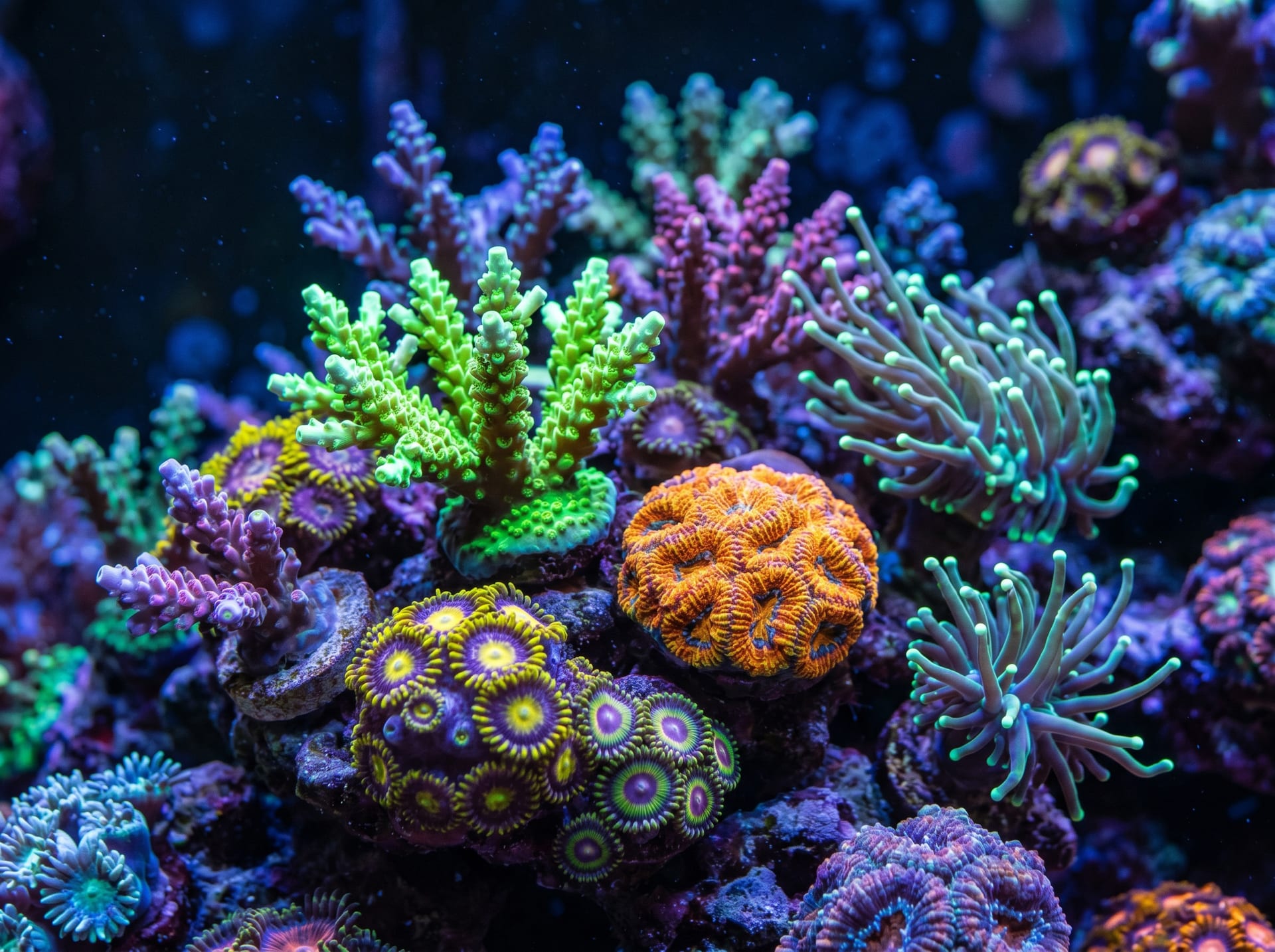
The "Other Corals" category includes unique species that don't fit neatly into LPS, SPS, or soft coral classifications, as well as rare species without widely established common names. Many feature distinctive forms and coloration that add personality and variety to a reef aquarium. Care requirements vary greatly by species, so it's important to research the specific needs of each coral before purchase.

Limited Time Offer

0% commission on your first sales!Register by September 30, 2026 and your first 2 sales are commission-free!

Breeder Wanted!

List on BreederDirect and sell directly to customers nationwide!

Free registrationNo monthly feesCommission on sales only
Register Now for Free

BreederDirect's 6 Transparency Promises

Every Marine Fish & Coral listing shows Breeder's full disclosure. No wild-caught. Captive-bred priority, tank size guidance, temperament details—transparent aquaculture.

  • Captive-bred
  • WYSIWYG
  • Reef-safe
  • Care Info Included
  • Origin Disclosed
  • Temperament Listed

Recommended Tank Size

0 items

Verified breeders wanted for Marine Fish & Coral

Breeders are signing up now ahead of launch. Subscribe to be notified when new listings go live.

Getting alerts is free with a member account. When new listings match your saved search, we'll notify you by email and in-app.

Browse other categories

Verified breeders (preview)

Are you raising marine fish & coral?

Register as a breeder and connect with buyers directly.
Apply as a breeder

About Other Coral

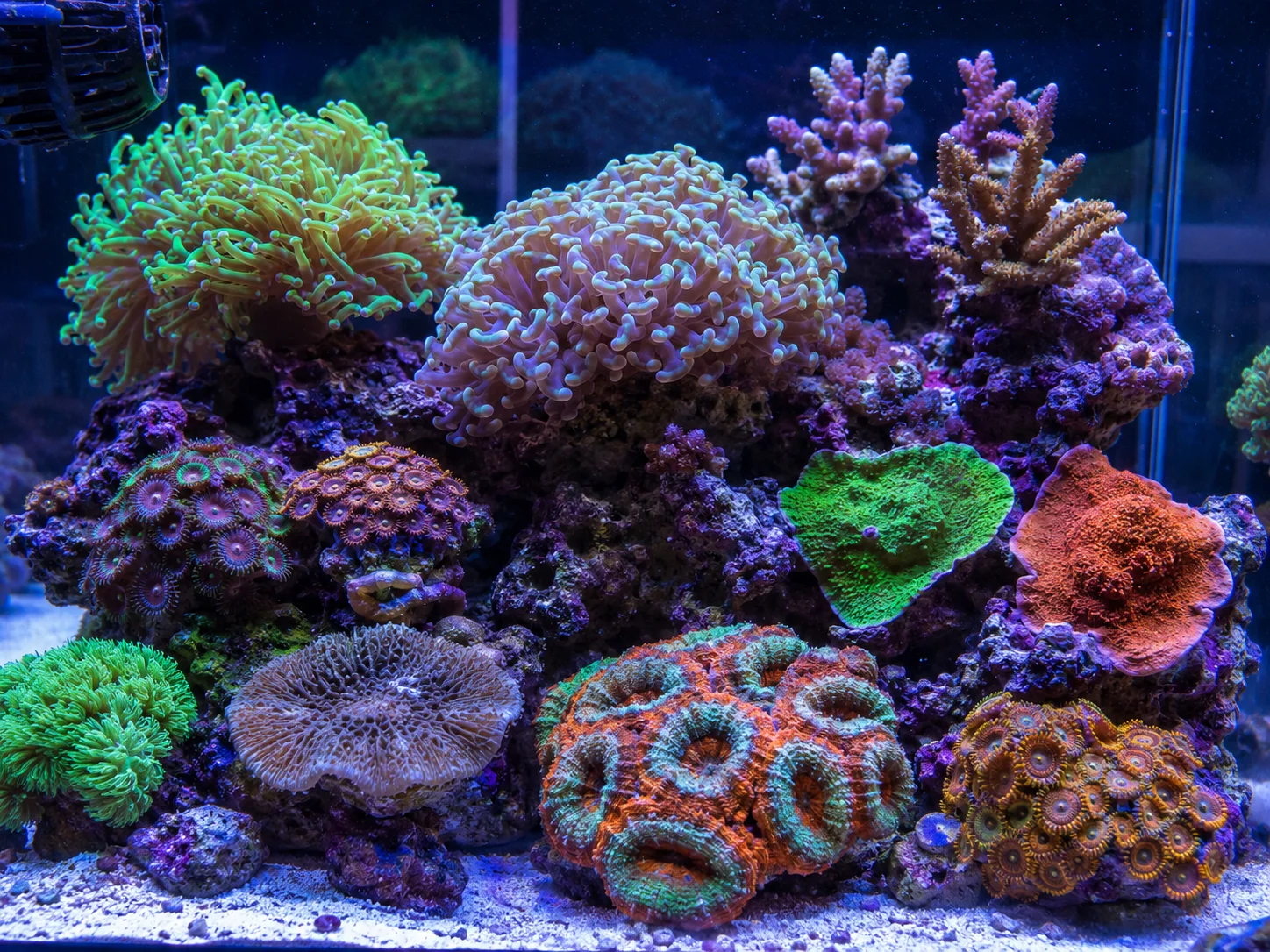
"Other Corals" is a category that encompasses the remarkable diversity of reef species that don't fit neatly into established classifications in the marine aquarium hobby. These corals originate from reef systems across the globe — the Indian Ocean, Pacific, Caribbean, and beyond — each bringing its own character to the aquarium. Their appearances range from mushroom-like spreading forms to intricately branching structures and semi-translucent, jelly-like textures. Many species exhibit striking fluorescent coloration or shift hues depending on lighting angle, lending a dreamlike quality to any tank. Behaviorally, they span the spectrum from cooperative symbiotic species to those with aggressively extending sweeper tentacles, requiring thoughtful aquascape planning. Care difficulty ranges from beginner-friendly to expert-only, making this a deeply rewarding category for hobbyists willing to research each species individually.

Featured breeders for Other Coral

See all Other Coral breeders (1) →

7 things to know before welcoming a Other Coral

  1. 1Difficulty Varies by Species

    Species in this category range from beginner-friendly to expert-level in terms of care difficulty. Before purchasing, identify the species and research its specific requirements for lighting, flow, and water quality. Don't hesitate to ask the seller or a specialist for detailed information.

  2. 2Water Stability Is Essential

    While stable water quality matters for all corals, rare species can be especially sensitive to fluctuations. Aim for pH 8.1–8.3, salinity around 1.025, and nitrates below 10 ppm. Regular water testing is key to long-term success.

  3. 3Match Lighting to the Species

    Light requirements range from low to high intensity depending on the species. Providing too little or too much light can cause bleaching or color loss. Confirm the recommended PAR value at the time of purchase and position the coral at an appropriate depth in the tank.

  4. 4Manage Flow Strength and Direction

    Proper flow helps corals shed mucus and waste, maintaining health. However, direct strong flow can damage polyps, so indirect turbulent flow is generally preferred. Observe the coral after placement and adjust flow strength according to how the species responds.

  5. 5Check Compatibility with Neighbors

    Some corals use sweeper tentacles or chemical compounds to compete with neighboring corals. Since aggression levels of many species in this category may be unknown, maintain a spacing of at least 10–15 cm and observe behavior before finalizing placement.

  6. 6Determine If Target Feeding Is Needed

    While many corals get nutrients through photosynthesis via zooxanthellae, some species benefit from target feeding with plankton or liquid foods. Research whether the species requires feeding, and if so, the appropriate frequency and amount. Overfeeding can degrade water quality, so moderation is important.

  7. 7Understand Initial and Ongoing Costs

    Rare or imported species can carry a higher purchase price. Additionally, suitable lighting, a protein skimmer, and potentially a calcium reactor represent significant equipment investments. Factor in ongoing costs for additives, synthetic sea salt, and test kits when budgeting for long-term care.

Frequently asked questions about Other Coral

Q.Are there "Other Corals" suitable for beginners?
A.This category does include species suitable for beginners, and the most reliable approach is to ask the seller directly about the care difficulty level. Species that rely primarily on photosynthesis and don't require target feeding are generally easier to maintain. Starting with a single species to learn its care requirements is highly recommended.
Q.Can I add them to my existing coral tank safely?
A.Addition is generally possible, but certain species can affect existing corals through sweeper tentacles or chemical allelopathy, so maintaining adequate spacing is essential. Research the species' aggression level and compatibility before introduction. Using a quarantine tank for observation before transferring to the main display helps reduce risk.
Q.Where can I find care information for species without common names?
A.Directly contacting the shop or breeder you purchased from is the most reliable source of information. If the scientific name or origin is known, searching international reef-keeping forums and academic databases can surface detailed husbandry records. Marine aquarium communities on social media also frequently hold valuable species-specific knowledge.
Q.What should I do if the coral starts bleaching?
A.Bleaching is a stress signal triggered by changes in light, temperature, or water chemistry. Start by measuring temperature (target 24–26°C), salinity, nitrate, and phosphate to check for sudden shifts. If parameters are off, make gradual adjustments, and also review whether direct strong flow or light may be the cause.
Q.Is it possible to propagate or frag them?
A.Some species reproduce naturally through fission or budding, and certain specimens are suitable for fragging. However, since information on unclassified or rare species is limited, only attempt propagation once the parent colony is thoroughly healthy and stable. To reduce infection risk at cut sites, some hobbyists apply a diluted iodine solution after fragging.

Useful tools for Other Coral care

💧Aquarium Volume CalculatorCalculate water volume, weight, and heater wattage from tank dimensions🧪Water Quality CheckerFind compatible fish, shrimp, plants & corals based on pH, temperature & hardness🍽️Feeding GuideCheck feeding frequency, portion sizes & supplements by species and growth stage🤝Compatibility CheckerCheck compatibility between two species on a 5-level scale📊Fish Compatibility MatrixCheck fish compatibility at a glance with our matrix chart🔄Nitrogen Cycle GuideAuto-calculate bacteria colonization timeline for new tank cycling🗓️Seasonal Care CalendarMonthly care events and seasonal management tips at a glance🚿Water Change CalculatorAuto-calculate optimal water change frequency and volume by tank size and fish count🐠Stocking CalculatorCalculate max fish capacity for your tank size with overstocking alerts🏞️Tank Layout PlannerGet substrate, plant & hardscape suggestions based on tank size and style🧮Care Cost SimulatorEstimate initial, monthly & annual costs by category, care level and quantity⚖️Species Comparison ToolCompare two species side by side: care difficulty, size, lifespan & temperature🎯Pet Match DiagnosticAnswer 7 questions to find your top 3 perfect pets🚚Transport Safety CheckerCheck transport safety score and precautions by category, season, method and distance⏱️Quarantine & Acclimation TimerManage quarantine periods and acclimation steps with countdown timers. Includes recommended durations by species

More in this category

Can't find the one you're looking for?

Post your wishes for free and breeders with matching animals will contact you with introductions.