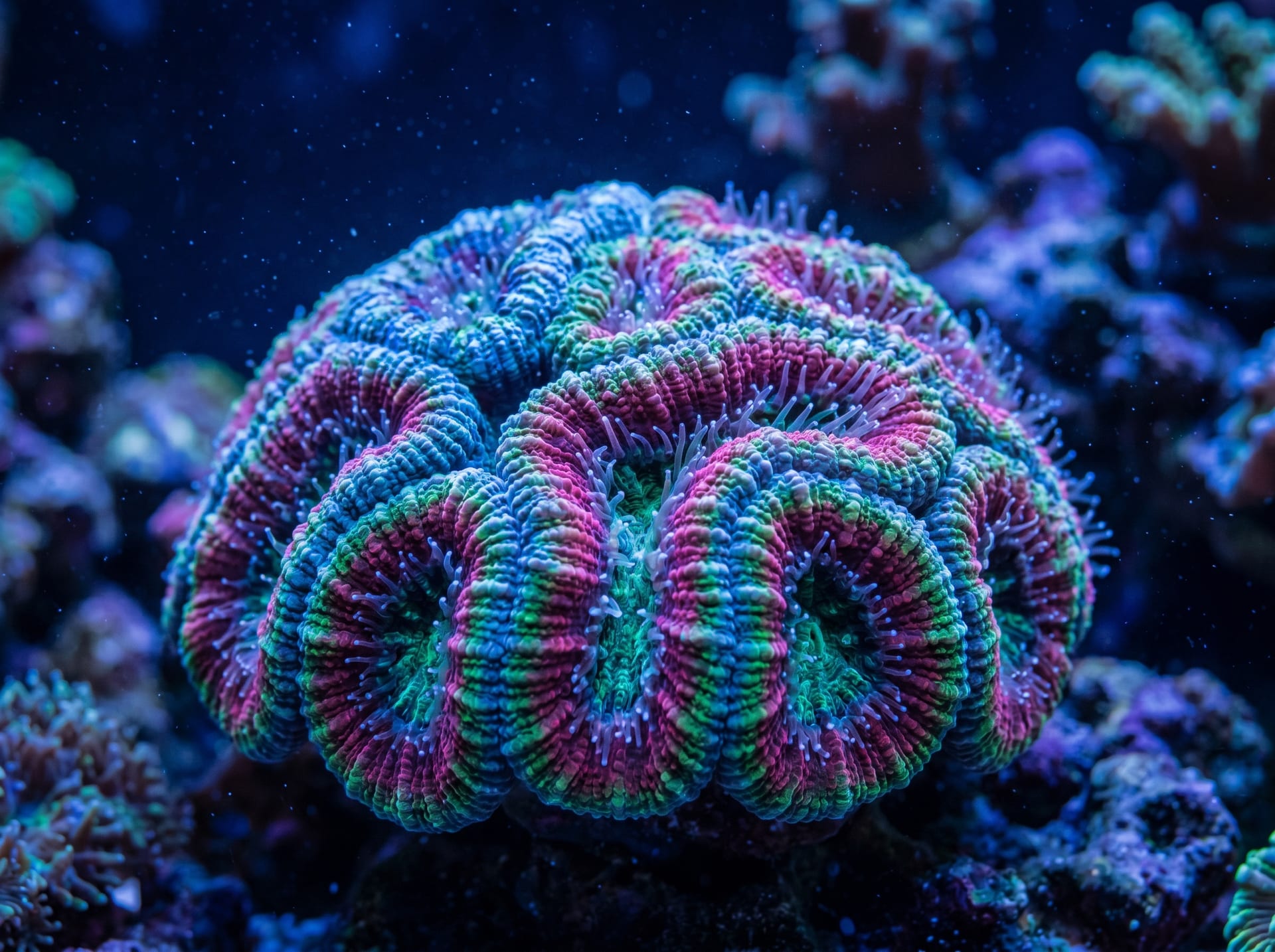
LPS (Brain Coral etc.)
LPS (Large Polyp Stony) corals, such as Lobophyllia and Favia, are known for their large, fleshy polyps and striking visual presence in a reef tank. Compared to SPS corals, they tend to be more tolerant of fluctuating water parameters, making them a popular next step for marine aquarium hobbyists. Their vivid colors and gentle swaying movement add a dynamic, eye-catching quality to any aquascape.
0% commission on your first sales!Register by September 30, 2026 and your first 2 sales are commission-free!
Breeder Wanted!
List on BreederDirect and sell directly to customers nationwide!
BreederDirect's 6 Transparency Promises
Every Marine Fish & Coral listing shows Breeder's full disclosure. No wild-caught. Captive-bred priority, tank size guidance, temperament details—transparent aquaculture.
- Captive-bred
- WYSIWYG
- Reef-safe
- Care Info Included
- Origin Disclosed
- Temperament Listed
Browse all 42 breeds
Care Difficulty
Reef-safe
Temperament
Verified breeders wanted for Marine Fish & Coral
Breeders are signing up now ahead of launch. Subscribe to be notified when new listings go live.
Getting alerts is free with a member account. When new listings match your saved search, we'll notify you by email and in-app.
Browse other categories
Verified breeders (preview)
Are you raising marine fish & coral?
Register as a breeder and connect with buyers directly.
Apply as a breederAbout LPS (Brain Coral etc.)
LPS (Large Polyp Stony) corals encompass a diverse group of reef-building species including Favites, Favia, Trachyphyllia, and Cynarina, naturally found across shallow tropical and subtropical reef zones worldwide. Their thick, fleshy polyps and slow, rhythmic movement have captivated marine aquarium enthusiasts since the hobby expanded in the 1980s, and they are now kept in reef tanks around the globe. Colors range from electric green and vivid purple to deep orange and blue, with remarkable variation between individual specimens of the same species. Compared to SPS corals, LPS tolerate a broader range of flow, light, and water parameter fluctuations, making them an accessible entry point for aquarists venturing into their first reef setup. That said, successful long-term keeping requires understanding their specific needs—including potential aggression via sweeper tentacles, the importance of target feeding, and consistent management of calcium and alkalinity levels.
7 things to know before welcoming a LPS (Brain Coral etc.)
1Moderate Lighting Required
Many LPS corals prefer moderate light intensity, generally around PAR 150–250. Excessive lighting can cause bleaching by expelling their symbiotic zooxanthellae, so consider using shading techniques or carefully managing light timers to find the right balance.
2Gentle, Random Flow
LPS corals dislike strong, direct flow and may retract their polyps in response. Gentle, randomized water movement encourages full polyp extension and healthy feeding behavior. Using a wavemaker or controller to simulate natural surge patterns is the ideal approach.
3Stable Water Chemistry
Stable levels of calcium (400–450 ppm), alkalinity (8–10 dKH), and magnesium (1250–1350 ppm) are essential for healthy skeleton growth. Sudden swings in these parameters cause stress, so regular testing (about once a week) and small, frequent water changes help maintain consistency.
4Watch for Coral Aggression
Many LPS species extend sweeper tentacles to sting and damage neighboring corals. When aquascaping, maintain at least 10–15 cm between specimens, and place more aggressive species like Lobophyllia toward the edges of the tank to minimize contact.
5Target Feeding Boosts Growth
While LPS corals photosynthesize, they also benefit significantly from supplemental target feeding with mysis shrimp, copepods, or small pellet foods. Feeding once or twice a week at night when polyps are fully open, using a pipette to deliver food directly, produces the best results. Temporarily turning off protein skimmers after feeding allows nutrients to be absorbed.
6Careful Acclimation at Arrival
Newly acquired LPS corals are often stressed from shipping. Acclimate slowly using the drip method over 1–2 hours, and initially place them in a lower-flow, lower-light spot for the first few days. It can take up to a week for polyps to open fully, so patience during this adjustment period is key.
7Cost and Equipment Budget
Individual LPS coral prices vary widely by species and size, ranging from a few hundred to tens of thousands of yen, with rare morphs potentially exceeding that. Equipment costs—including reef-grade lighting, a protein skimmer, and a calcium reactor or two-part dosing system—typically bring initial setup costs to between 50,000 and 150,000 yen or more.
Frequently asked questions about LPS (Brain Coral etc.)
- Q.Can beginners successfully keep LPS corals?
- A.For beginners who have mastered the basics of saltwater tank management, LPS corals are a relatively approachable choice. They tolerate a wider range of water parameter fluctuations than SPS corals, and species like Favites and Trachyphyllia are often recommended as starter corals. That said, it is important to have a stable, established tank before adding them.
- Q.Do LPS corals need to be fed?
- A.Feeding is not strictly required, but many aquarists find that regular feeding improves growth rates and coloration. Offering small amounts of frozen food or specialized coral food once or twice a week when polyps are extended—typically at night—tends to be most effective. Always remove uneaten food promptly to avoid water quality issues.
- Q.Why are my LPS polyps not opening?
- A.Common causes include flow that is too strong, sudden changes in lighting, unstable water parameters, or stress from a recent move. Start by checking temperature, salinity, and alkalinity, then review the strength and direction of water flow. If the environment is stable, polyps will often open naturally within a few days to a week.
- Q.Can LPS corals be kept with fish in the same tank?
- A.LPS corals can coexist with many reef-safe fish, but species that nip at or eat coral tissue—such as butterflyfish and some angelfish—should be avoided. Gobies, clownfish, and other reef-compatible species are common tank mates. Always research the coral compatibility of any fish before adding it to a reef tank.
- Q.How much do LPS corals typically cost?
- A.Common species such as Favites and Trachyphyllia are typically priced in the range of a few thousand to around ten thousand yen, though rare color morphs and collector specimens can exceed several tens of thousands of yen. Purchasing directly from a breeder can reduce intermediary costs and provide access to healthy, well-cared-for specimens at competitive prices. When buying, evaluate not only color but also polyp extension and tissue condition.
Useful tools for LPS (Brain Coral etc.) care
LPS (Brain Coral etc.) related articles
Introduction to Mushroom Corals and LPS | Stepping Up from Soft Corals
An explanation of the characteristics, difficulty level, and management methods of mushroom corals and LPS as the ideal next step after soft corals. Selection criteria for species to choose as an intermediate step before beginners progress to SPS, and equipment requirements.
Care Guide for Chalice Corals (Echinophyllia) | Intermediate Guide to Lighting, Water Flow, and Color Enhancement for LPS
Detailed guide on caring for Chalice Corals (Echinophyllia/Oxypora). Covers proper lighting intensity, water flow settings, feeding, and fragging—key points for intermediate aquarists to maintain them long-term.
Coral Tank PAR·PPFD Measurement and Light Spectrum Optimization Guide | Species-Specific LED Adjustment and Breeding Promotion
Practical protocol for PAR·PPFD measurement using quantum sensors, spectrum optimization for SPS·LPS·NPS categories, LED multi-channel adjustment procedures, photoperiod scheduling for breeding induction, and detailed explanation of continuous measurement data monitoring methods.
Lobophyllia (Lobophyllum Coral) Care Guide | Low Light, Feeding, Digestive Filament Management and Long-Term Maintenance Tips
Comprehensive guide to caring for Lobophyllia (Lobophyllia spp.). Covers water quality parameters for this meaty LPS coral, low to mid-light illumination settings, gentle water flow environment, weekly target feeding (1–3 times per week) and nighttime polyp feeding, placement strategies to prevent digestive filament attacks on neighboring corals, and procedures for creating frags.
Candy Cane Coral (Caulastrea) Care Guide | Lighting, Water Flow, Feeding, and Propagation Management
A guide to caring for the beginner-friendly LPS coral "Candy Cane Coral (Coral Beads)". This article covers everything from proper lighting intensity, water flow, and feeding methods to placement location and propagation through frag creation—all the basic knowledge needed to care for corals of the Caulastrea genus.
Coral Light Adaptation Guide | Optimal PAR/PUR by LED Kelvin and Spectrum Explained
A scientific guide to lighting in coral aquaculture. This article explains the differences between PAR, PUR, and Kelvin color temperature, recommends optimal light intensity and spectrum settings for SPS, LPS, and soft corals, outlines a light acclimation protocol for introducing new corals, and provides solutions for light bleaching (photo-bleaching).
More in this category
Can't find the one you're looking for?
Post your wishes for free and breeders with matching animals will contact you with introductions.