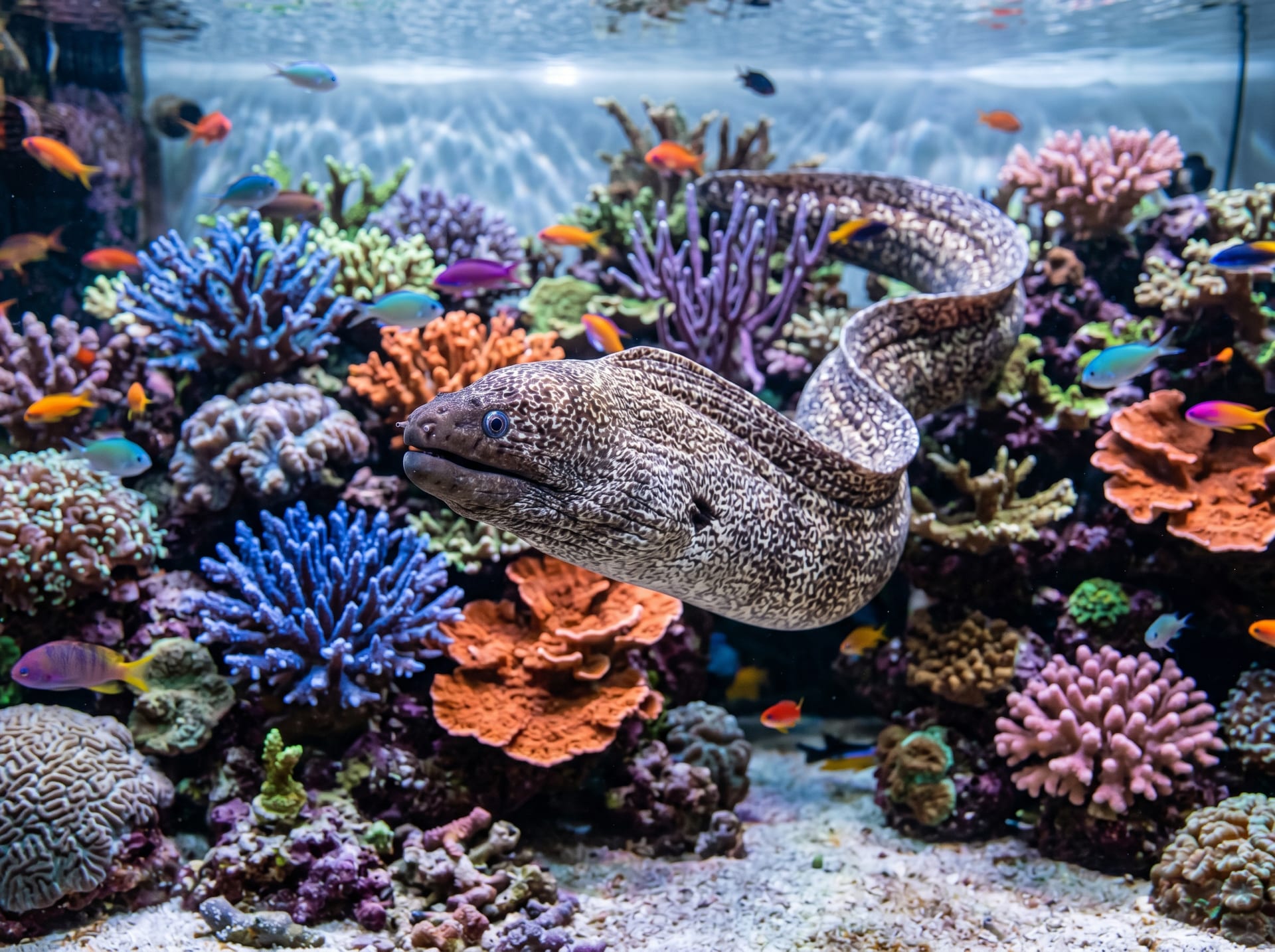
While moray eels are striking hunters suitable for saltwater aquariums, the perception that "they are difficult to keep with other fish" is strong, and many are forced into solitary care. However, in reality, if you correctly understand the moray eel's species, size, and temperament and select appropriate fish, long-term cohabitation in the same tank is possible. This article explains the criteria for fish that can and cannot coexist with moray eels, and practical risk management for successful mixed-species tanks.
Understanding Moray Eel Predatory Behavior
Moray eels eat other fish under three main conditions.
- Size fits in mouth: Moray eels typically do not eat creatures larger than their own head. However, even fish with small heads but elongated bodies (such as gobies and wrasses) carry a risk of being swallowed.
- Sluggish behavior or bottom-dwelling fish: Moray eels are nocturnal hunters that locate prey through smell. Small bottom-dwelling fish that hide in rock crevices (such as blennies and gobies) face high predation risk.
- Unfamiliar newcomers: Aggression increases immediately after introduction due to heightened territorial awareness.
Relationship Between Moray Eel Body Size and Predation Risk
| Moray Eel Size | Mouth Gape | Approximate Fish Size Safe from Predation |
|---|
| Under 30cm | 2–3cm | Adult fish 4cm and larger are generally safe |
| Around 50cm | 4–5cm | Aim for adult fish 7cm and larger |
| Around 1m (large species) | 8–10cm | Requires mid-sized fish 20cm or larger |
Moray Eel Species and Their Tankmate Compatibility by Temperament
Snowflake Moray (Echidna nebulosa)
Known as the species with the highest tankmate compatibility. It has relatively rounded teeth, tends to specialize in crustaceans (crabs and shrimp), and shows low aggression toward fish.
- Length: Maximum 80cm (50–60cm in aquariums)
- Tankmates: Coexists easily with mid to large saltwater fish
- Weakness: Crustaceans such as cleaner shrimp may be predated
Zebra Moray (Gymnomuraena zebra)
Beautiful striped pattern, rounded teeth, and a specialist crustacean predator. Shows similarly low aggression toward fish as the Snowflake Moray.
- Length: Maximum 150cm (60–80cm in aquariums)
- Tankmates: Many examples of coexistence with mid to large fish in spacious tanks
Spotted Moray (Gymnothorax favagineus)
A popular species with a beautiful yellow base and black spots. Fish-eating and strong-tempered, making it difficult for mixed-species tanks.
- Length: Maximum 3m (can reach 80cm to over 1m in aquariums)
- Tankmates: A dedicated large moray-only tank is preferable
Golden Tail Moray (Gymnothorax miliaris)
A small species (maximum 60cm), relatively docile but fish-eating. Prefers to peek out from crevices.
Conditions for Compatible Fish and Concrete Examples
Conditions for Fish in the "Safe Zone"
- At least 2–3 times the size of the moray's head
- Active swimmers that don't hide in rock crevices
- Not nocturnal (not in rock crevices at night when eels are active)
Fish Species with Proven Coexistence Success
Mid to Large Surgeonfish
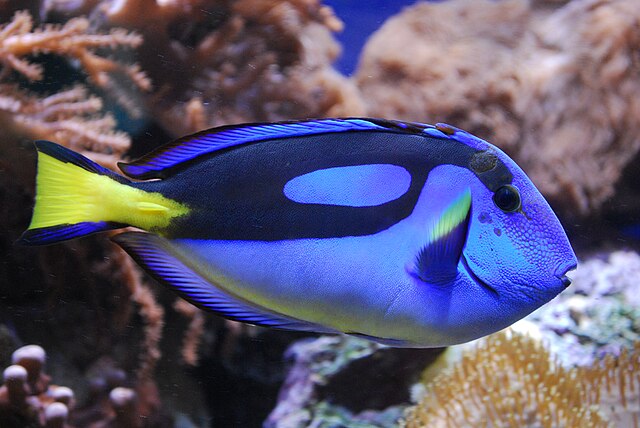
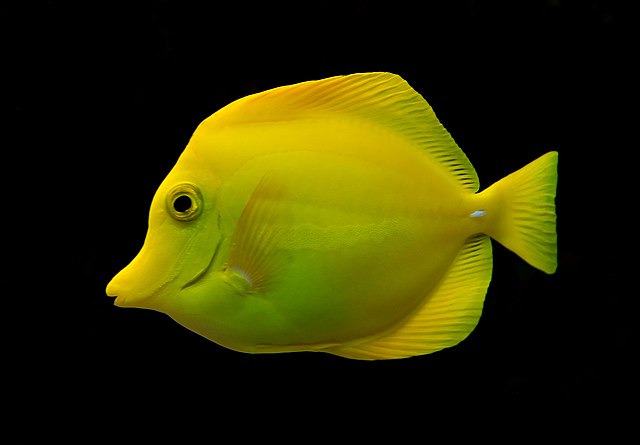
- Tangs: Yellow Tang, Blue Tang, etc. Swift swimmers that are too large for eels to catch
- Foxface (Siganus vulpinus): Has venomous spines that eels tend to avoid
Large Wrasses
- Hogfish: Large-bodied and difficult for eels to eat
- Large wrasse species (Napoleon Wrasse, Cheilinus undulatus, is an ideal tankmate but becomes extremely large)
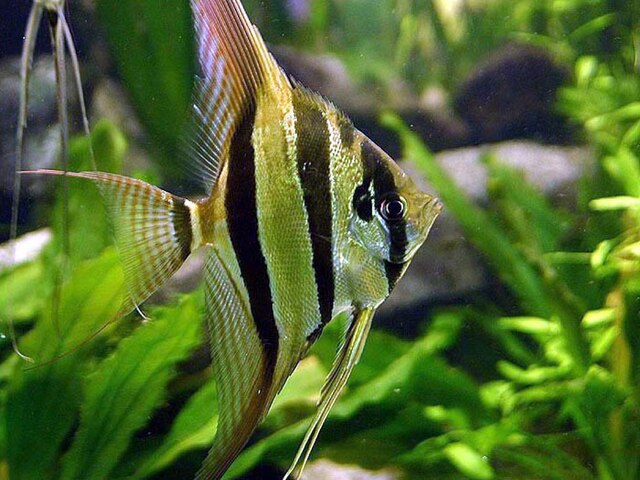
Large Angelfish
- Adult French Angelfish, Emperor Angelfish, and similar species (15–20cm or larger)
Pufferfish and Boxfish (large individuals)
- The puffing behavior and toxins of pufferfish may deter eels
Fish Species That Cannot Coexist or Pose High Risk
Combinations to Remove Immediately
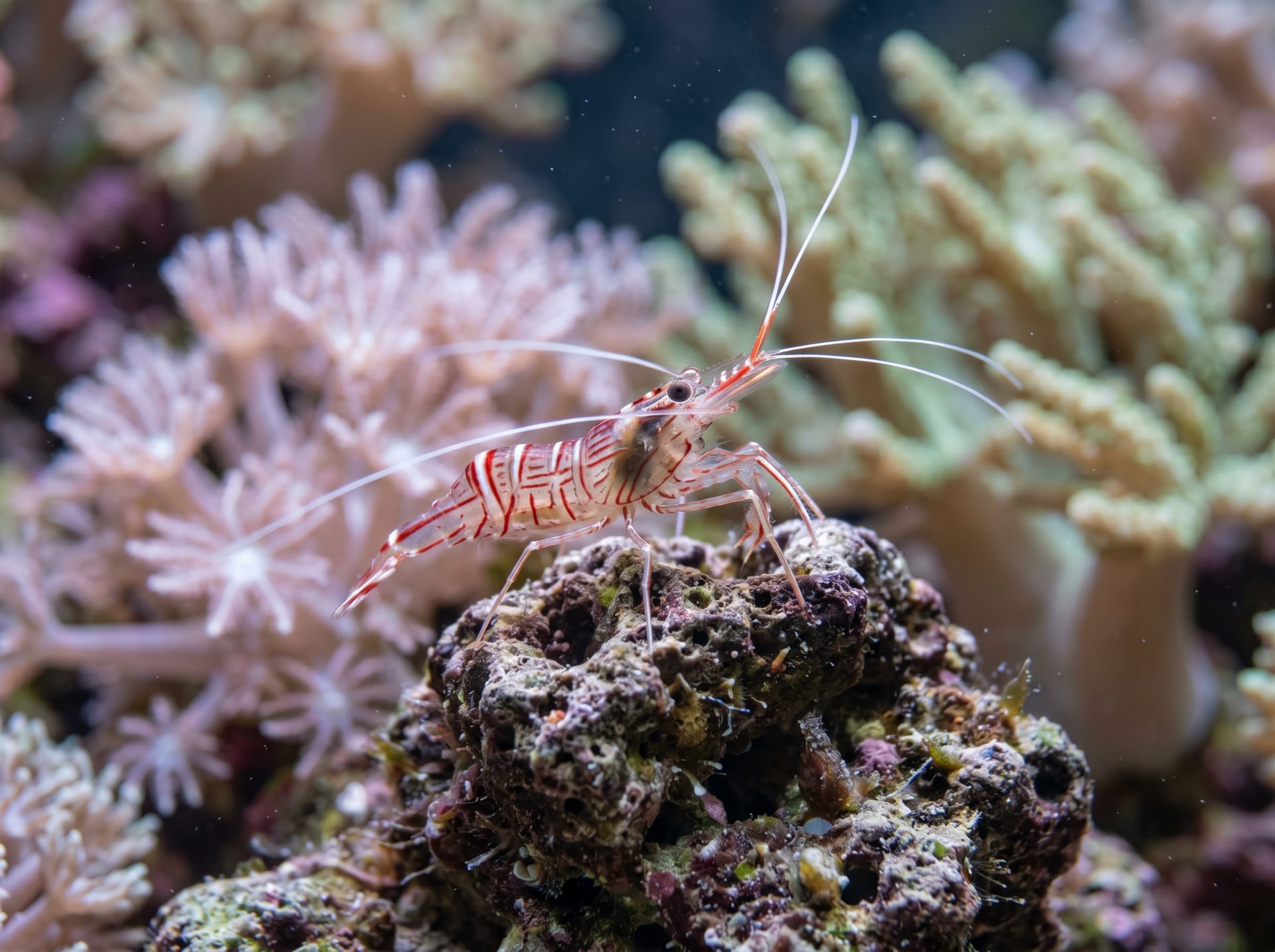
Cleaner Crustaceans (caution applies beyond Snowflake and Zebra eels)
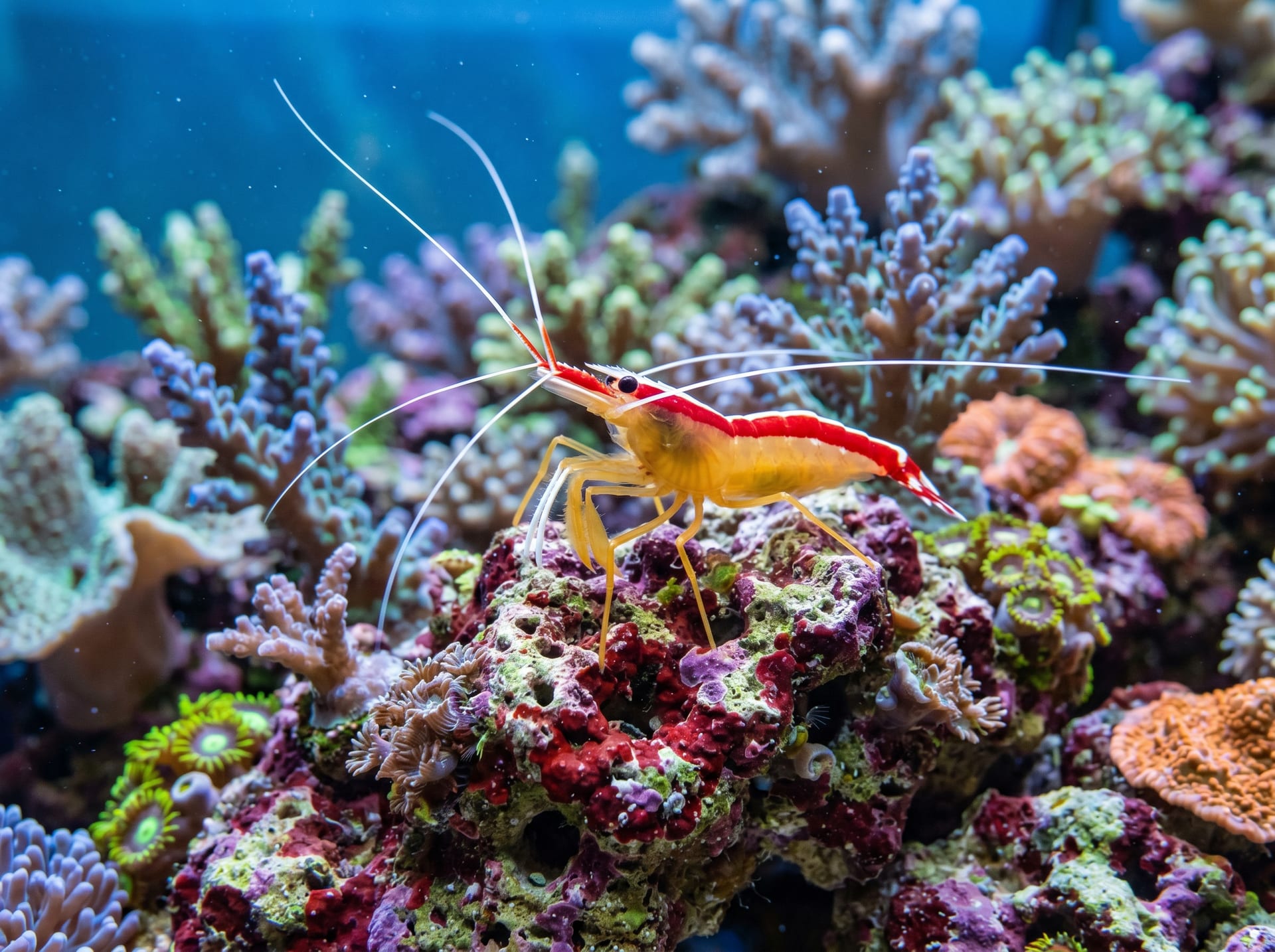
- Skunk Shrimp, White-socks Shrimp, Peppermint Shrimp, etc. face high predation risk from crustacean-eating moray eels
Small Bottom-Dwelling Fish
- All gobies (especially sand-sifting gobies that pair with pistol shrimp)
- Blennies
- Dwarfish gobies
Nocturnal Small Fish
- Cardinalfish: Nocturnal, prefer rock crevices, easily predated during eel activity hours
Elongated Fish
- Eel-like or streamlined fish (Firefish, Dartfish, etc.) can be swallowed even with small heads
Mixed-Species Tank Design and Risk Management
Tank Size
Moray eels require a tank with a floor length of at least 1.5–2 times their body length. Keep small tanks (60–90cm) limited to solitary or small-group setups; reserve mixed-species tanks for tanks 150cm or larger.
Layout
Always create a refuge (cave) using live rock where the moray eel can retreat safely. Having a refuge reduces territorial stress and decreases aggression toward other fish. Once a moray establishes its cave, it remains there except when leaving to hunt, naturally creating separation from free-swimming fish.
Feeding Management is Key to Coexistence Success
Hungry moray eels attack tankmates more frequently. Maintaining adequate feeding 2–3 times per week (frozen scampi, squid, capelin, etc.) significantly reduces aggression.
It's also important to completely separate feeding of tankmates from feeding of the moray. When food remains from tankmate feeding, the moray finds and eats it at night. Therefore, management to prevent food waste is essential.
Moray Eels with Coral Tanks
Snowflake and Zebra moray eels are considered reef-safe (they don't eat corals directly). However, as they grow larger, they may break corals through physical contact during movement, so densely planted SPS coral tanks (such as Acropora) are not ideal. Many examples show successful coexistence in soft coral and LPS-dominated tanks.
Summary
Moray eel coexistence comes down to "species selection" and "size matching".
- Snowflake and Zebra eels have low fish-eating tendencies and are easier to keep with tankmates
- Tangs, Foxface, and large Angelfish have proven coexistence records
- Small bottom-dwellers, crustaceans, and elongated small fish cannot coexist
- Large tanks, cave layouts, and regular feeding reduce risk
With familiarity, moray eels become very tame to their keepers, with some becoming so friendly they eat from your hand. Design your mixed-species tank with proper management and enjoy the striking presence of a moray eel aquarium.