When purchasing saltwater fish, individuals of the same species can vary dramatically—some acclimate smoothly with good appetite, while others decline shortly after introduction. This difference depends not just on the keeper's experience, but heavily on the distribution process the fish undergoes before reaching your tank: the origin, collection method, transport route, and number of intermediaries involved. This article explains how saltwater fish import distribution works and how to assess quality.
Main Saltwater Fish Origins and Characteristics
Most ornamental saltwater fish in trade are collected from tropical and subtropical waters of the Indian and Pacific Oceans. Here are the major origins and their distribution characteristics.
Indonesia (Sulawesi, Java, Bali, etc.) is one of the world's largest suppliers of ornamental saltwater fish, characterized by abundant variety and relatively stable supply volumes. However, collection regulations vary by island, and the region has long been flagged for cyanide collection issues. While regulatory enforcement and international monitoring have strengthened, quality varies depending on import sourcing.
The Philippines is a major supplier alongside Indonesia, exporting anemonefish, anthias, dwarf angelfish, and similar species. The region had severe cyanide collection problems in the past, but MAC (Marine Aquarium Council) certified operators now distribute net-caught certified specimens as well.
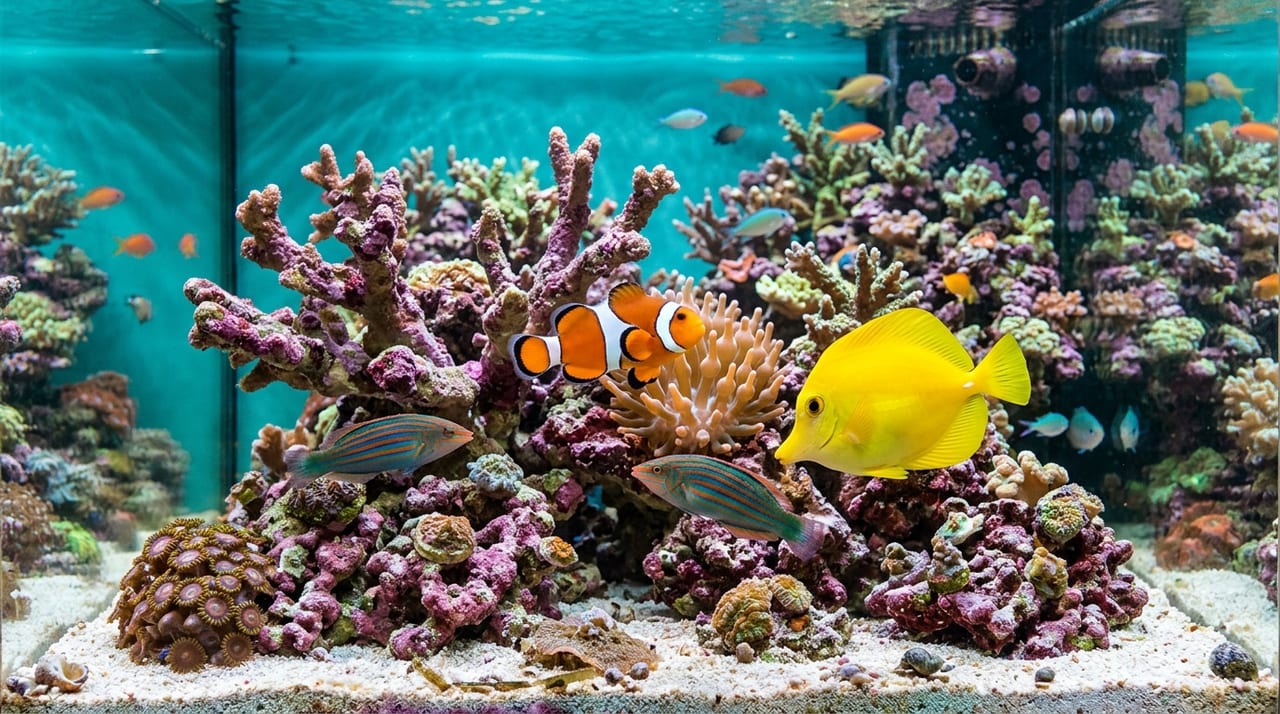
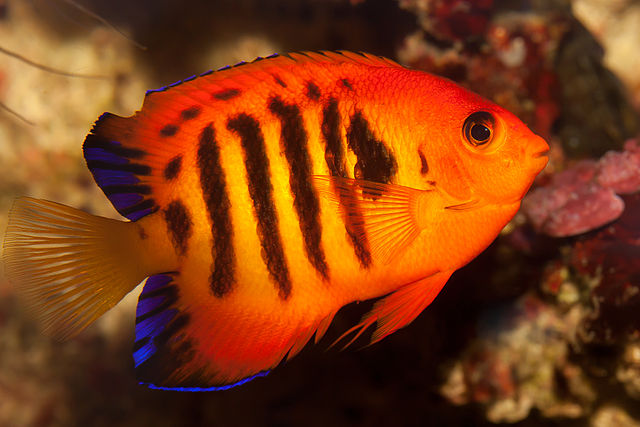
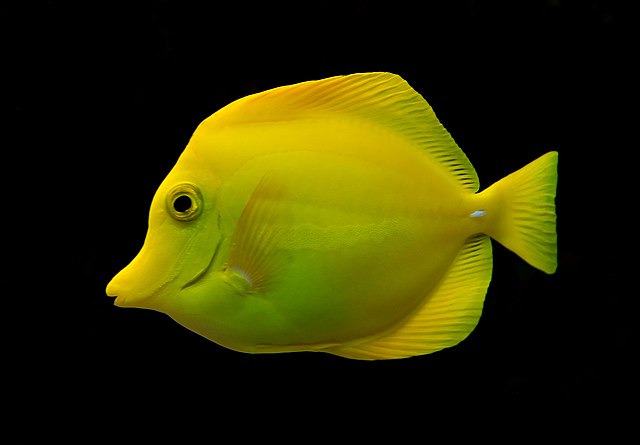
Hawaii is known as the origin for Hawaiian endemic species collected from islands like Oahu and Kauai. Representative species include yellow tang, flame angelfish, and potter's angelfish. Collection regulations are strict, with net collection mandated; fish generally enjoy good health and withstand long-distance transport better. However, environmental protection limits collection quotas, resulting in higher prices.
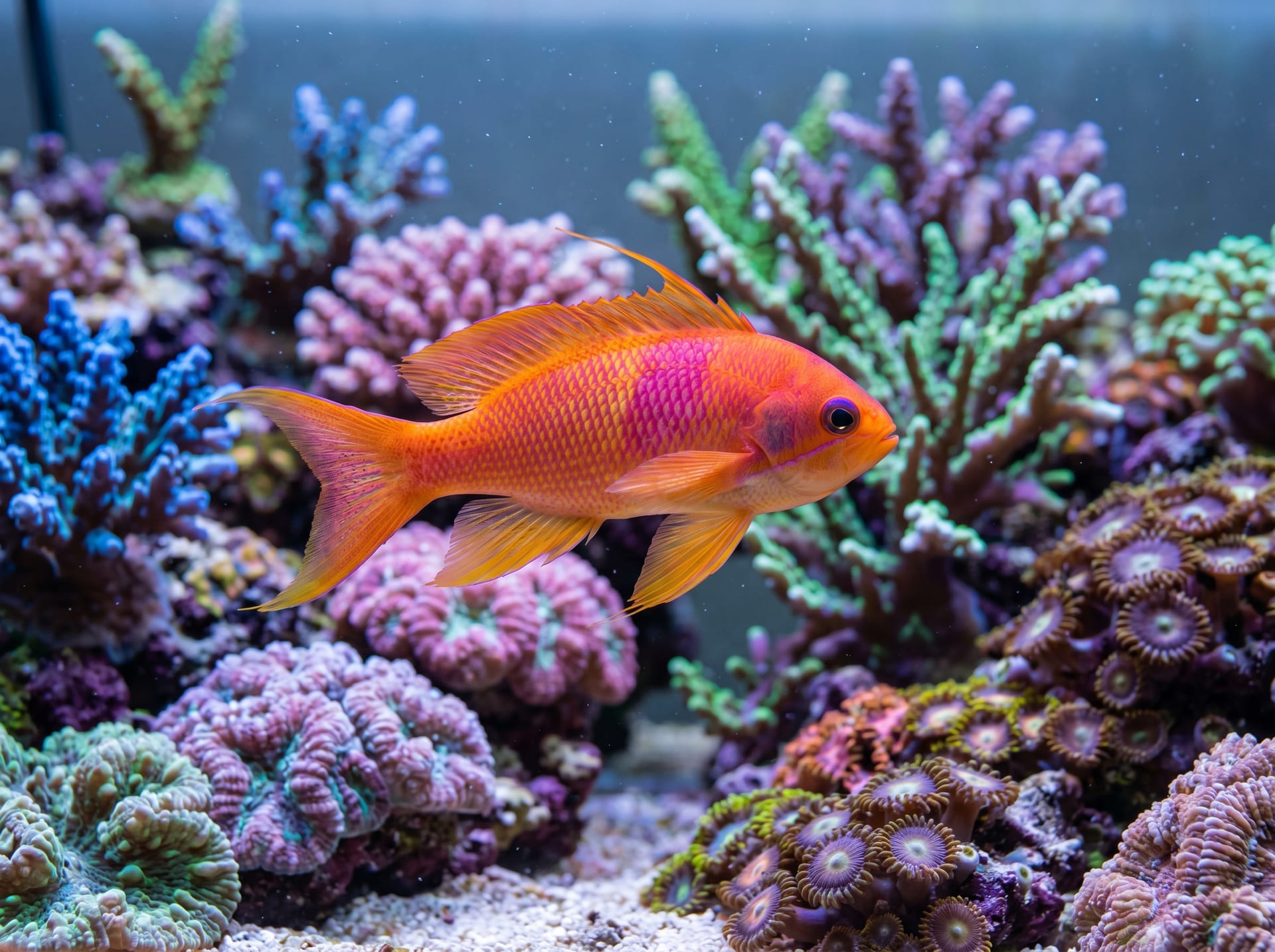
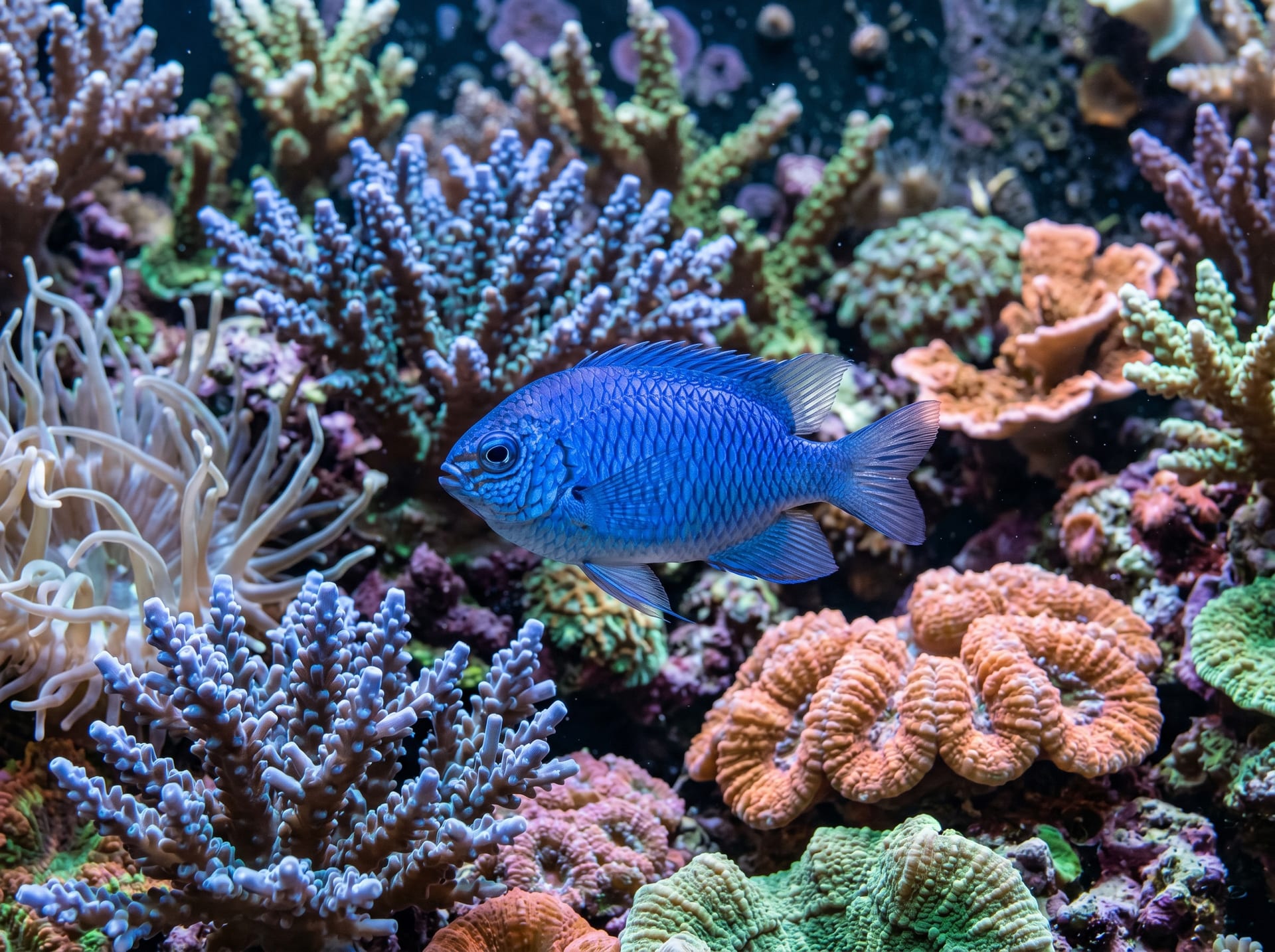
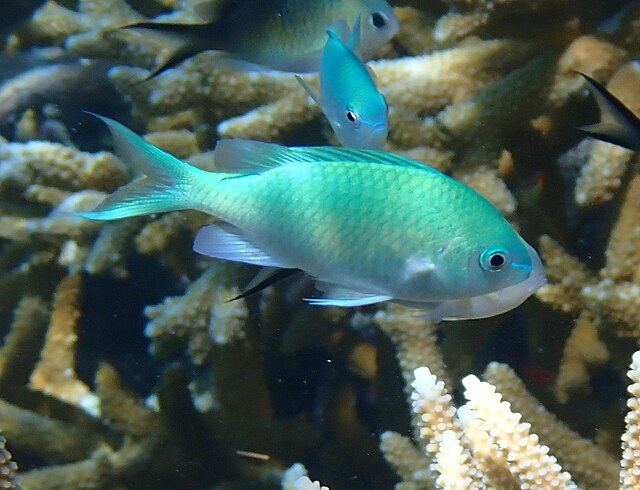
Maldives and Sri Lanka are major origins for swarming damselfish, chromis species, and Indian Ocean endemics. Net collection predominates, and specimens from healthy reefs show stable condition.
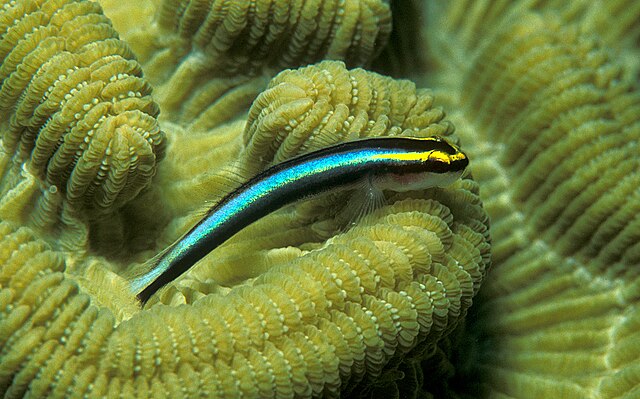
The Caribbean (Barbados, Florida, etc.) supplies royal gramma, flame-back angelfish, neon goby, and similar species. Florida's commercial collection operates under licensing, resulting in relatively stable quality.
How Cyanide versus Net Collection Affects Fish Condition
Among collection methods for ornamental fish, the difference between cyanide and net collection is particularly critical.
Cyanide collection involves spraying diluted cyanide solution at fish hiding in coral crevices to temporarily stun them for capture. It's low-cost and efficient, which is why some regions have used it historically. The problem is that stunned individuals suffer invisible internal organ damage. Even if fish appear healthy immediately after capture, liver and digestive system damage often manifests weeks later as sudden death. Cyanide-collected fish are difficult to identify during distribution, and keepers cannot confirm this visually.
Net collection uses nets underwater to chase fish toward capture, causing physical stress but no chemical damage, allowing better recovery and typically smoother acclimation to captive feeding.
When purchasing from trustworthy importers or breeders, if you can confirm "collection method certification (MAC certification, etc.)," selecting net-capture certified specimens is advantageous for long-term keeping.
Distribution Routes and Transport Stress
Saltwater fish travel through multiple steps from origin to a keeper's tank: origin → local collection operators → exporters → Japanese wholesalers → retail shops → consumer. Each additional step accumulates transport stress, depleting the fish's stamina.
Primary stress factors during transport include ammonia accumulation, dissolved oxygen depletion, temperature fluctuation, and visual deprivation from darkness. Ammonia especially accumulates rapidly in transport bags, damaging the gills and nervous system. Long-distance transport (24–48+ hours) involves chilling and high-CO2 treatment to reduce metabolism, but without proper management, fish can arrive severely depleted.
The generally safe window from collection to final tank arrival is within 4–7 days; beyond that, condition assessment becomes more critical.
Advantages of Breeder Direct Sales (Captive-Bred Individuals)
Compared to wild-caught individuals, captive-bred (CB) specimens have several clear advantages.
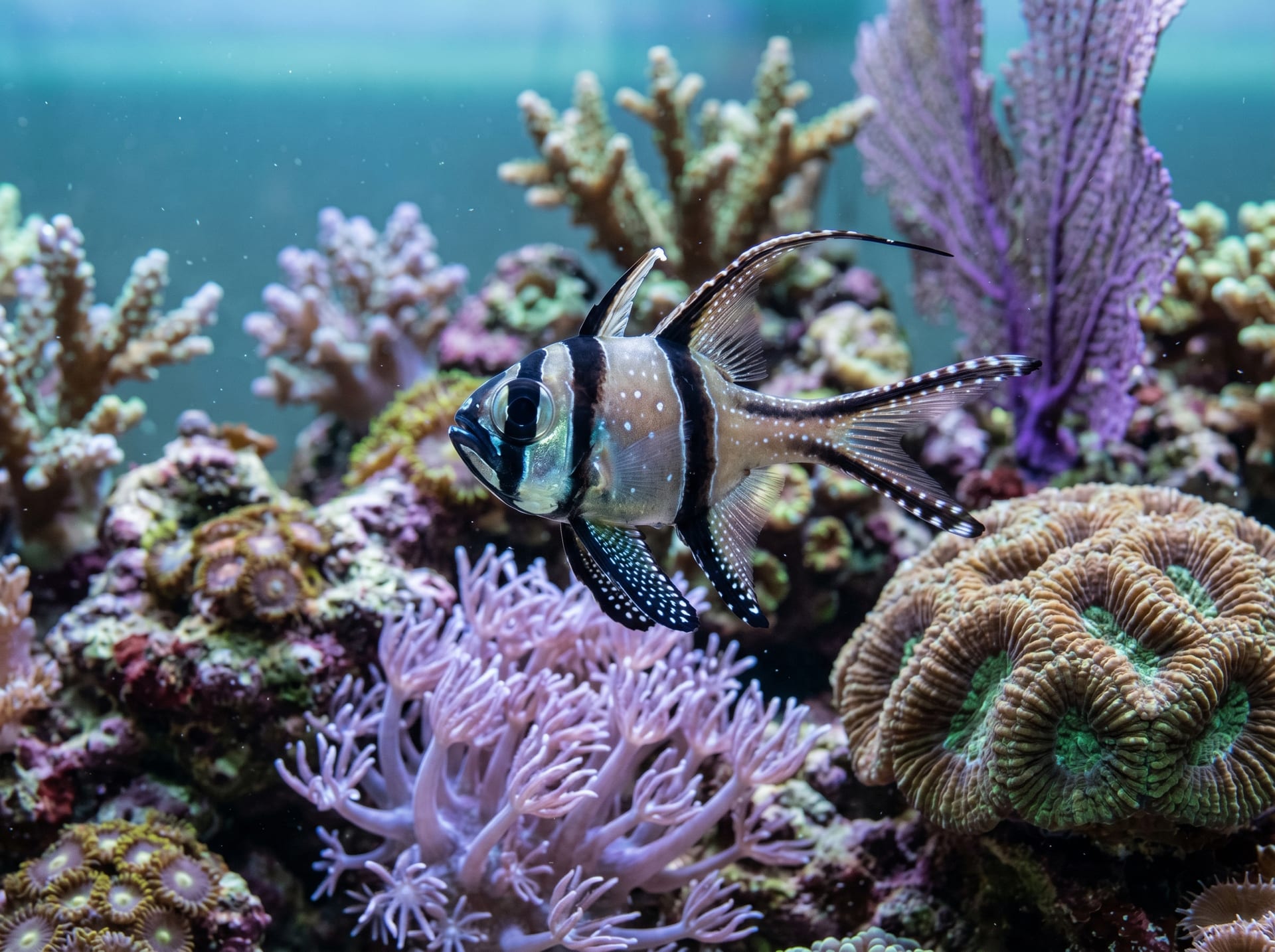
CB fish are typically accustomed to prepared feeds from birth, so feeding is extremely smooth. They lack any chemical collection history and may possess genetic traits suited to captive tank environments. Butterflyfishes, mandarinfish, Banggai cardinalfish, and many clownfish species are available as CB in the market, enabling more reliable introductions than wild-caught. Using a breeder direct sales platform lets you confirm the fish's history, parent information, and feeding status beforehand, increasing your purchase decision accuracy.
Health Check Points When Purchasing
Even if origin and route are unknown, checking the following at purchase gives you a condition baseline:
Observe whether breathing rate is normal (frequent gasping signals gill disease or parasites), check for white spots, velvet-like coating, or wounds on the body surface, confirm appetite (ask the shop to show you feeding), verify swimming behavior is normal with no listing, spinning, or bottom-sinking, and confirm eyes aren't cloudy. Specimens that have been at the shop for a week or longer typically show reduced transport stress and lower introduction risk.
Summary
Saltwater fish success depends heavily on "where collected, how, and by what route it reached you." Prioritizing certified net-caught specimens, CB individuals, and trustworthy breeder direct sales raises your odds of obtaining healthy fish. Repeatedly choosing unknown-origin and unknown-method fish just because they're cheap carries a long-term risk of high loss costs. Paying attention to distribution routes is the first step in responsible saltwater fishkeeping.