Complete Guide to CITES (Washington Convention) and Marine Fish | Understanding Import Regulations, Appendices, and Illegal Trade
Essential knowledge about CITES (Washington Convention) for marine fish enthusiasts. Explains listed species in the appendices, how import regulations work, precautions for personal imports and private sales, and penalties for violations.
Key Takeaways
Essential knowledge about CITES (Washington Convention) for marine fish enthusiasts. Explains listed species in the appendices, how import regulations work, precautions for personal imports and private sales, and penalties for violations.
Related Species
What is the Washington Convention (CITES)?
The Washington Convention (CITES — Convention on International Trade in Endangered Species of Wild Fauna and Flora), which regulates international trade in wild animals and plants, is an international agreement that came into force in 1975. It aims to "prevent excessive international trade in order to protect endangered wild animals and plants," and is currently signed by over 180 countries and territories.
Many marine organisms including marine fish, corals, and mollusks are listed in CITES appendices, with both exporting and importing countries managing trade through documentation procedures. Within Japan, the treaty is incorporated into domestic law through the "Law for the Conservation of Endangered Species of Wild Fauna and Flora" and the "Foreign Exchange and Foreign Trade Act," and violations are subject to criminal penalties.
Understanding the Three Categories of Appendices
CITES regulations are managed through three tiers of appendices.
- Appendix I (Most Stringent Regulations): Lists species currently or likely to become extinct in the near future. International trade for commercial purposes is prohibited in principle, and even for scientific purposes, permits from both exporting and importing countries are required. Among marine fish, some populations of Napoleon wrasse (Cheilinus undulatus) are listed in Appendix II, with discussions of Appendix I-level restrictions occurring in the past. Seahorses (Hippocampus spp.) are also listed in Appendix II.
- Appendix II (Trade Monitoring and Management): Covers species not necessarily currently facing extinction but that may become endangered if trade is not regulated. Commercial trade is possible, but an export permit (CITES permit) from the exporting country is required, and the importing side must provide import documentation. Many hard corals (most species in the order Scleractinia) are included in Appendix II in marine organisms, a category with significant implications for the aquarium industry.
- Appendix III (Regulation by Request of Specific Countries): Where one treaty member requests cooperation from other countries to protect its own species, differing in character from the above two categories.
The Aquarium Industry and CITES: Species Specifically Affected
In imports of marine fish and ornamental fish, CITES Appendix II is the most practically relevant category.
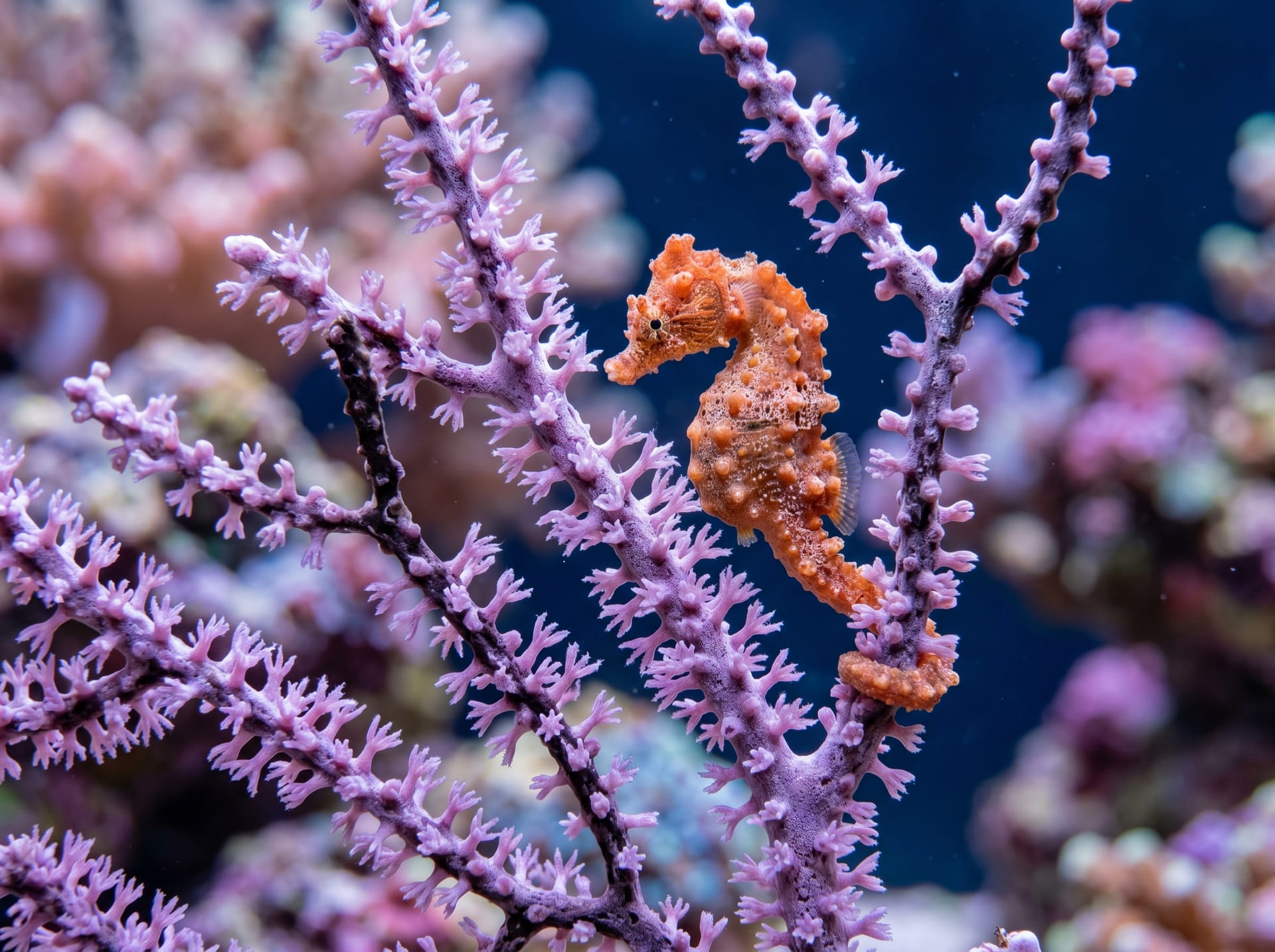
- Seahorses (Hippocampus spp.): All species are listed in Appendix II, and imports require a CITES permit. In addition to demand for traditional medicine and food, observation as ornamental fish is high, making monitoring particularly strict.
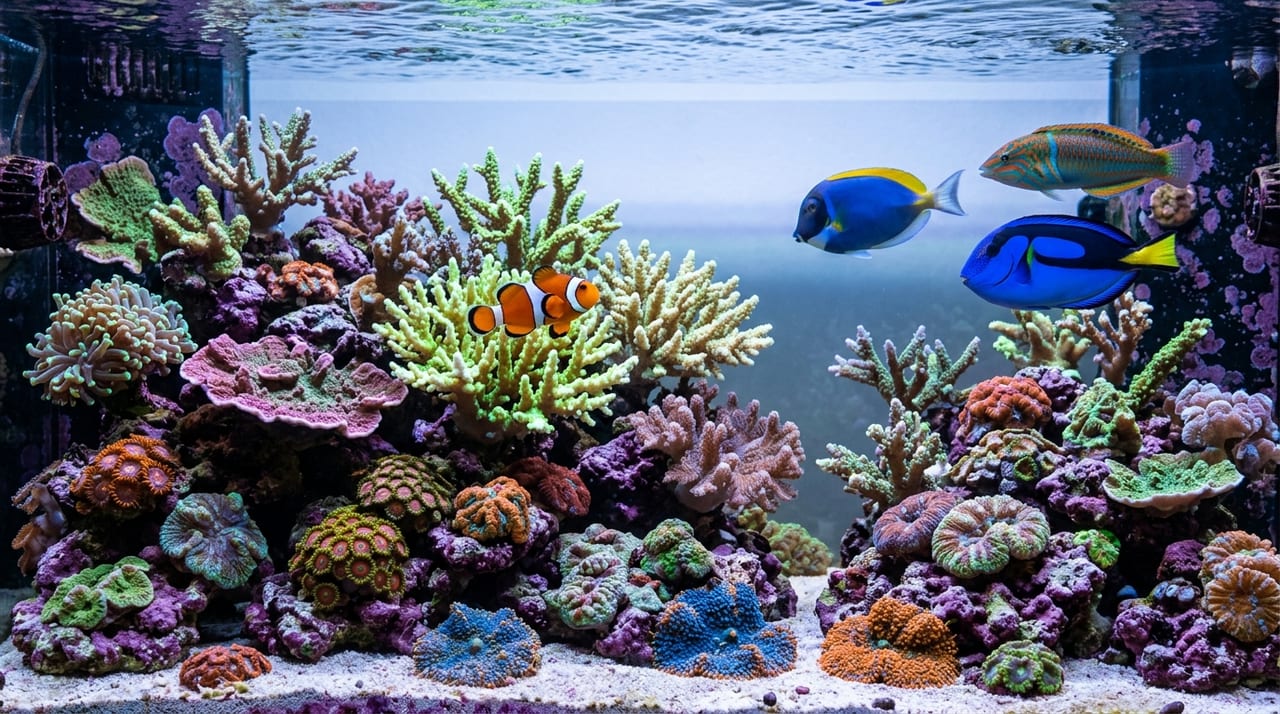
- Hard Corals (All species in order Scleractinia): Commercial collection and trade are strictly managed against the backdrop of coral reef destruction and coral bleaching issues. Corals propagated in tanks (frags) may be treated differently from wild-collected specimens, but documentation management is important.
- Napoleon Wrasse (Cheilinus undulatus): CITES-regulated due to slow growth rates and vulnerability to overharvesting. Large individuals are subject to strict documentation reviews in trade.
- Seahorses and Pipefish: Listed in Appendix II, requiring verification of supporting documents at import.
Precautions When Importing and Purchasing in Japan
To legally import CITES-listed marine fish to Japan, an export permit or re-export certificate issued by the exporting country's CITES management authority and an import report or permit from Japan's side are required. Missing these documents constitutes a violation of the Conservation Law, resulting in confiscation, fines, or imprisonment.
Personal imports are no exception. The notion that "it's fine because I'm using it myself" or "it's okay because the quantity is small" does not hold up in law. Even when importing from overseas through the internet for personal use, if the species is subject to CITES, proper documentation procedures are necessary.
Regarding domestic second-hand sales and resale, it is generally not a CITES violation to buy and sell domestically legally obtained specimens domestically. However, purchasing and reselling specimens with unclear import history carries risk. When trading CITES-listed species on marketplaces like BreederDirect, it is important to confirm that the seller obtained the specimen through legitimate channels.
Current Status of Illegal Trade and International Enforcement
Wildlife smuggling and illegal trade in violation of CITES are considered international crimes on a scale second only to arms and drug trafficking. Illegal coral collection and smuggling of wild-caught marine fish from Southeast Asia continue unabated. Interpol, the World Customs Organization (WCO), and national customs agencies are strengthening enforcement in coordination, with increasing seizures at international airports and ports.
Breeders, collectors, and dealers involved in the aquarium industry developing awareness that they will "trade only specimens with proof of acquisition through legitimate channels" leads to protection of wild populations and the health of the industry.
Guidelines for Trading CITES-Listed Species on BreederDirect
BreederDirect is an online marketplace where breeders, collectors, and enthusiasts can trade directly. When listing or purchasing marine fish and corals, it is strongly recommended to check in advance whether the target species is listed in a CITES appendix. Listing status can be searched in the CITES official website database and the Ministry of the Environment's website.
When listing, clearly specify the origin of acquisition, presence or absence of import documents, and whether the specimen is domestically bred, providing information that allows buyers to trade with confidence. This is the first step to becoming a trusted seller. As appropriate trading practices spread, the sustainability of the entire keeping culture increases.