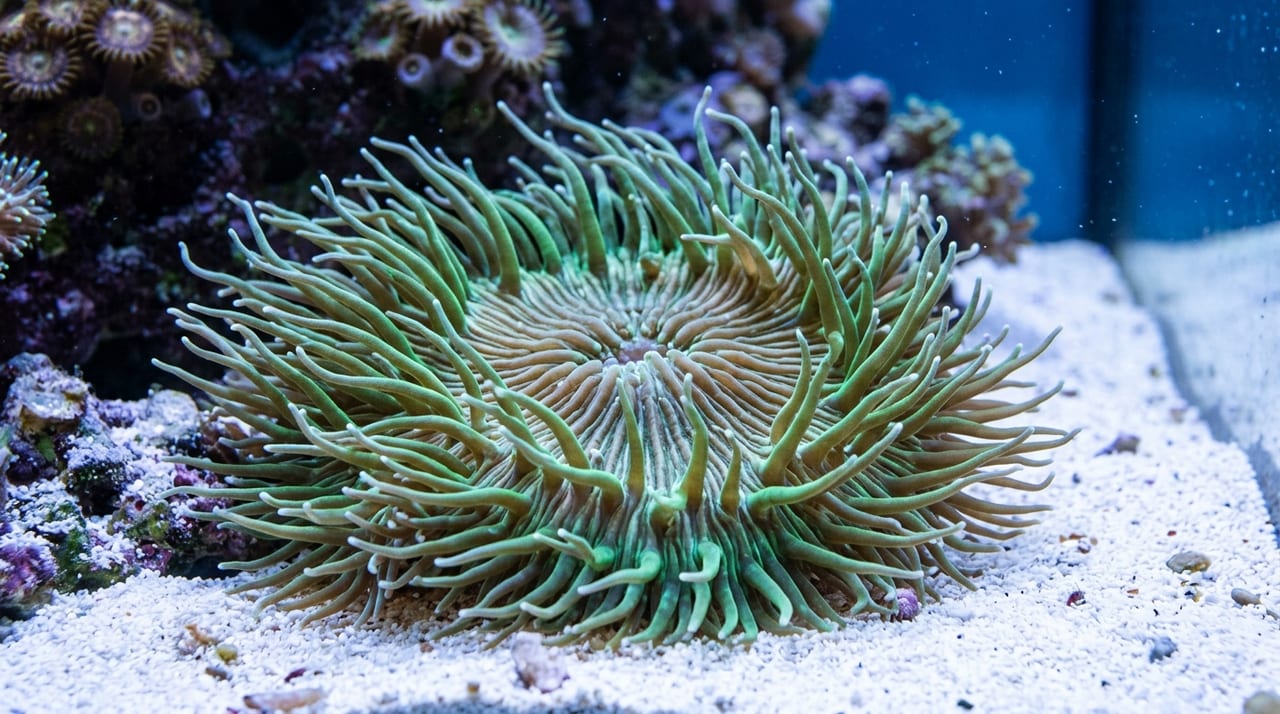
Why CITES Applies to Corals
Coral reefs support approximately 25% of marine biodiversity on Earth. However, due to overharvesting, bleaching, and environmental destruction, coral reefs worldwide are facing a severe crisis. In response, the Washington Convention (Convention on International Trade in Endangered Species of Wild Fauna and Flora: CITES) has listed nearly all hermatypic corals (Order Scleractinia) in Appendix II, regulating international trade.
For aquarium enthusiasts and breeders, this regulation is "legislation that must be understood when keeping and trading corals." Violating it unknowingly can expose importers, sellers, and buyers alike to criminal penalties and administrative sanctions.
---
Basic Structure of the Washington Convention (CITES)
CITES is an international treaty adopted in 1973, and currently has 183 signatory nations. Japan joined in 1980.
Three Types of Appendices
| Appendix | Regulation Level | Examples (Coral-Related) |
|---|
| Appendix I | Commercial international trade principally prohibited | Some members of Milleporidae (Black Coral Family) |
| Appendix II | Trade permitted with permit | All hermatypic corals (Order Scleractinia) |
| Appendix III | Protected upon request by specific nations | No coral species (currently) |
Nearly all hermatypic corals (Order Scleractinia) are listed in Appendix II. However, individuals produced by aquaculture-approved facilities (Op.I) can be traded for commercial purposes.
Meaning of Appendix II Listing
Appendix II listing means "not currently endangered but at risk of extinction without regulation." Import and export require the following documents:
- Export Permit: Issued by the exporting country's CITES Management Authority
- Import Permit: In Japan, issued by the Ministry of Economy, Trade and Industry
---
Regulatory Framework in Japan
When importing and trading corals in Japan, regulations apply beyond the Washington Convention, including domestic laws. The main relevant laws are as follows:
Foreign Exchange and Foreign Trade Law (Foreign Exchange Law)
Functions as the domestic implementation law of CITES. Import of Appendix I and II listed species requires permission from the Minister of Economy, Trade and Industry. Importing without permission is subject to "imprisonment for not more than 3 years or a fine of not more than 3 million yen."
Law for the Conservation of Endangered Species of Wild Fauna and Flora (Species Protection Law)
Regulates the trade of "internationally rare wild fauna and flora species" that Japan has determined require special protection. Currently, very few coral species are designated, but additional designations are possible in the future.
Animal Welfare and Management Law
Domestic regulations under the Animal Welfare and Management Law also apply to the import and sale of living animals. Internet sales of living animals require registration as a Class II animal handler.
---
Legal Process for Importing Corals
Step 1: Verify the CITES Export Permit from the Exporting Country
Legally imported corals include a CITES export permit issued by the exporting country. The permit contains the following information:
- Exporting country name and signature of the management authority
- Scientific name of the species, quantity, and weight
- Origin of the specimen (wild-caught W, aquaculture F, captive-bred C, etc.)
- Validity period
Step 2: Obtain Japan's Import Permit
File an import permit application with the Ministry of Economy, Trade and Industry. The application requires a copy of the export country's permit. Even "personal imports" of small quantities require the same permit.
Step 3: Customs Declaration
Declare at customs at international airports (Narita, Kansai, etc.) or ports. Document review for CITES-regulated species may take considerable time.
Step 4: Plant and Animal Quarantine by the Ministry of Agriculture, Forestry and Fisheries
Live animal imports require plant and animal quarantine inspection. Corals may be treated as "plants" and subject to plant quarantine (varies by source and species).
---
Special Provisions for Cultured Specimens (Frags and Captive-Bred)
Under CITES, corals produced at aquaculture-approved facilities (Aquaculture Production Facility, Op.I registered) qualify for "Appendix II exemption," allowing commercial trade without the stricter Appendix I-level regulations for export and import.
In the aquarium industry, tank-bred corals (TC) and frags (FRAG) produced domestically or overseas are widely distributed and can be legally traded with proper documentation.
Importance of "Frags" and "Aquaculture Certification"
Even in domestic frag trading of corals in Japan, it is important to maintain documentation proving the original specimen was legally imported (such as copies of import permits). When purchasing from breeders, it is the responsibility of a conscientious coral enthusiast to ask, "Where did the parent of this individual come from? Do you have an import certificate?"
---
Points to Note When Purchasing from Domestic Shops and Breeders
Unfortunately, corals with incomplete documentation are sometimes found in circulation within Japan. Here are key points to confirm before purchasing.
Documentation to Verify
- Copy of Import Permit (issued by Ministry of Economy, Trade and Industry)
- Copy of CITES Export Permit
- For cultured specimens, aquaculture certificate or country-of-origin certificate
Situations to Avoid
- Price is significantly below market rate (possibility of smuggled goods)
- Seller avoids answering questions about origin and sourcing
- When asked to provide documentation, seller changes the subject or refuses
Cautions for Online Trading
Coral transactions via internet auctions and social media are increasing yearly, but the same regulations apply. There is a common misconception that "personal transactions are fine," but trading Appendix II species without documentation can violate the Foreign Exchange Law.
---
Compliance for Breeders
If you operate as a breeder breeding and selling corals, pay particular attention to the following points.
Documentation of Origin
It is important to maintain records of the sourcing routes for parent corals you keep and preserve documentation such as import permits. When selling frags, it is ideal to provide buyers with documentation so they can verify that "this specimen was obtained legally."
Registration as a Class II Animal Handler
If you repeatedly and continuously sell living animals via the internet or other means, registration as a Class II animal handler (sales) under the Animal Welfare and Management Law is required. Corals may be included in the definition of "animals" (though there is interpretive dispute; verification is recommended).
Notification to the Ministry of Environment and Japan Fisheries Agency
When keeping wild-caught specimens through collection or purchase, notification to the Ministry of the Environment may be required if they are species protected under the Species Protection Law. Regularly check the current list of designated species.
---
Summary: How to Enjoy Corals Legally
The regulations governing coral keeping and trade may seem complex, but the essence is simple.
- Make document verification a habit when purchasing: Always verify copies of import permits and CITES permits
- Actively choose cultured specimens: Prioritizing cultured corals (tank-bred) over wild-caught contributes to environmental protection
- Avoid suspicious cheap transactions: Always ask yourself, "Why is this so inexpensive?"
- If selling, ensure thorough documentation: Prepare certification documents even for frag sales
To pass the beauty of corals on to future generations, compliance awareness among each enthusiast is essential. CITES regulations represent a global effort to protect coral reefs, and we aquarists are among its guardians.