Saltwater Fish Compatibility Guide: Quick Reference Table by Aggression & Size
A comprehensive guide with a quick reference table organizing saltwater fish compatibility by aggression, size, and diet. Detailed explanations of compatibility and precautions for popular species like Clownfish, Blue Tangs, and Yellow Tangs.
Key Takeaways
A comprehensive guide with a quick reference table organizing saltwater fish compatibility by aggression, size, and diet. Detailed explanations of compatibility and precautions for popular species like Clownfish, Blue Tangs, and Yellow Tangs.
Related Species
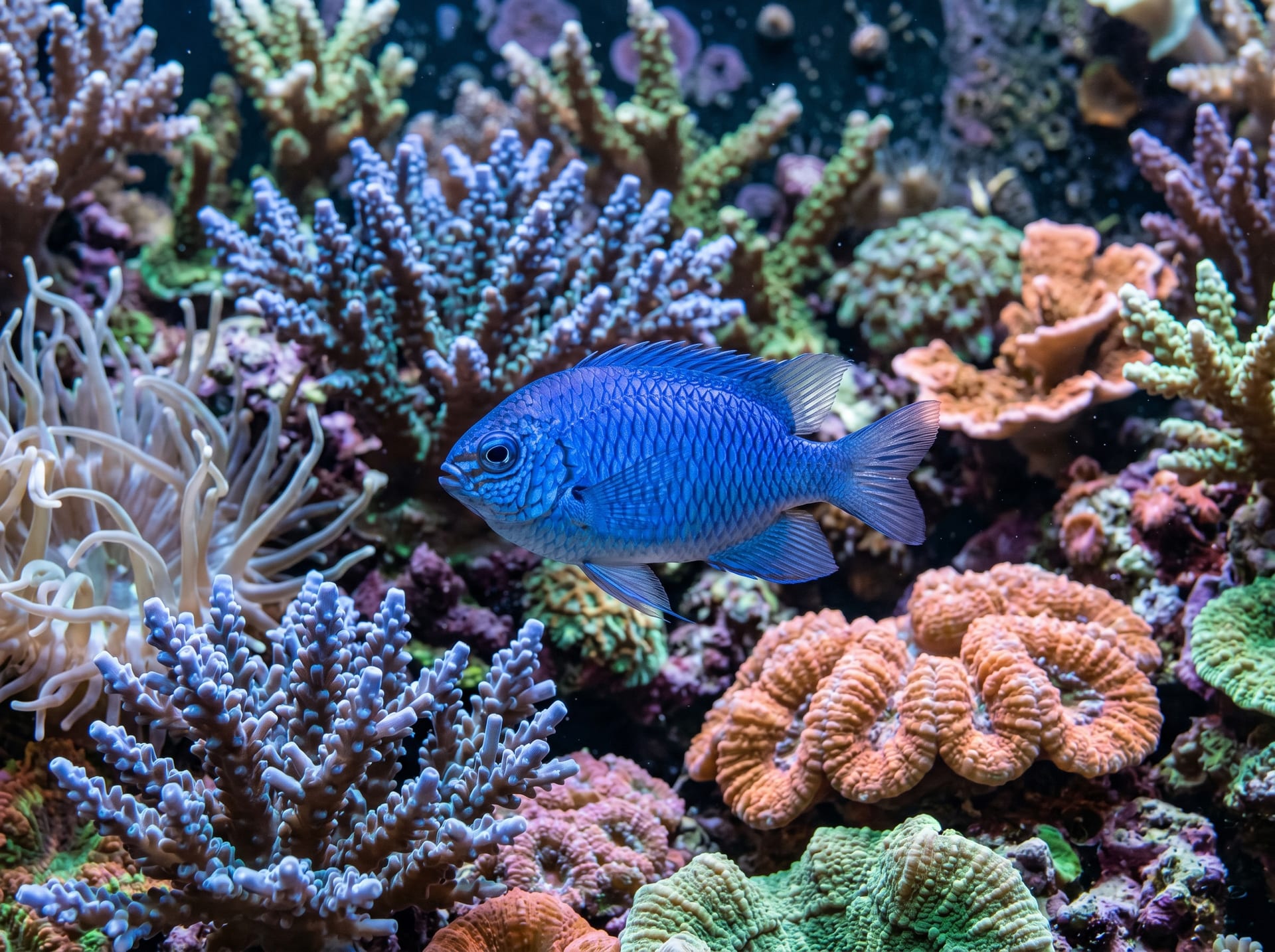
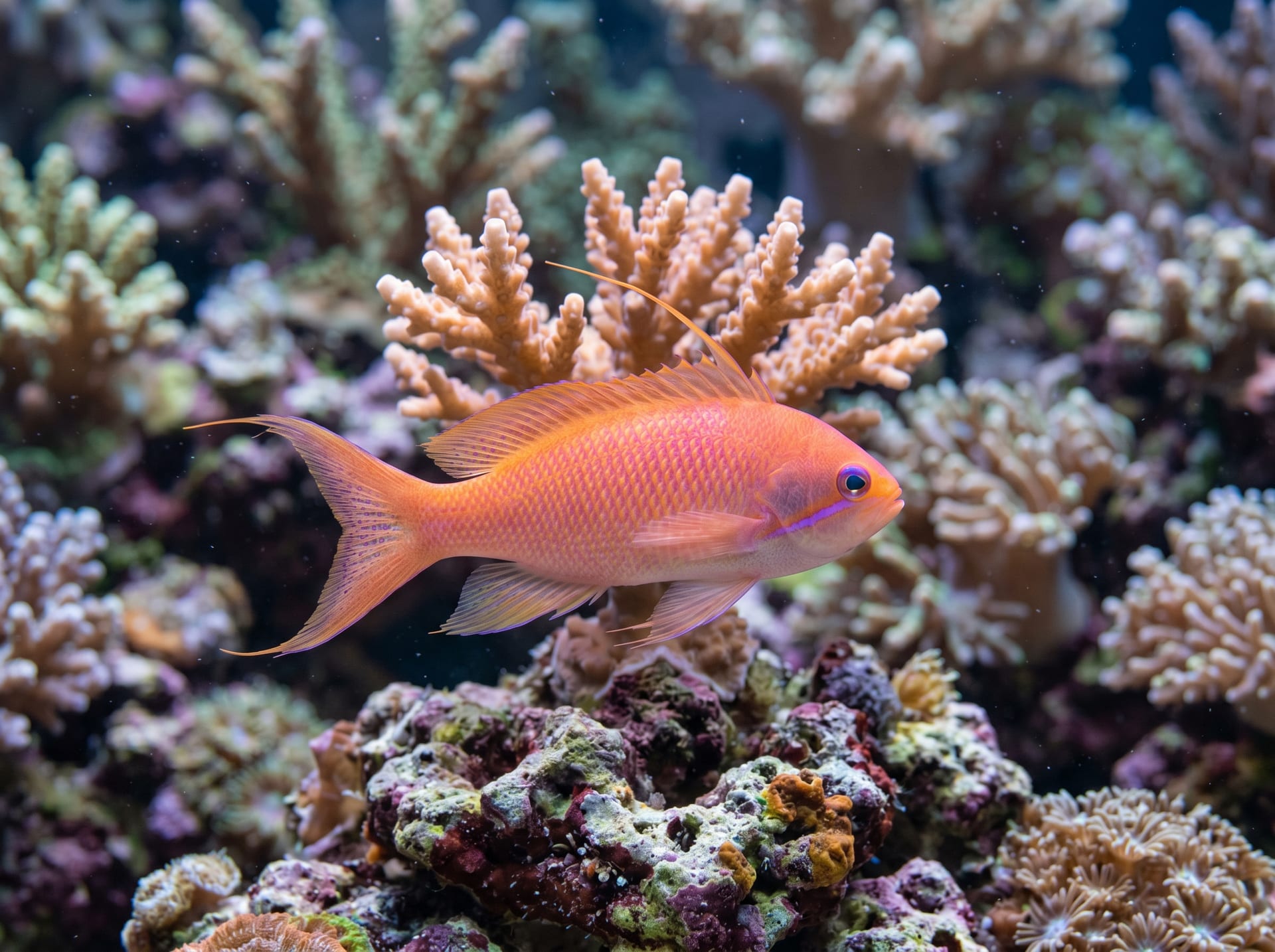
Keeping saltwater fish in mixed-species tanks is said to be more challenging than freshwater aquaria. This is because territorial instincts, aggression levels, and feeding habits vary significantly by species. Improper combinations can result in weaker individuals being bullied and, in worst cases, dying. However, with proper knowledge, creating a beautiful mixed-species saltwater tank is entirely achievable. This article breaks down compatibility into three key axes—aggression, size, and diet—and provides specific examples of popular species combinations.
Three Factors That Determine Compatibility
When evaluating saltwater fish compatibility, assess each species along the following three axes:
① Aggression & Territorial Behavior Many saltwater fish display strong aggression toward their own or closely related species. Butterfly fish and damselfish, in particular, defend territories fiercely. It's helpful to categorize aggression levels as "high," "medium," or "low."
② Body Size Differences When there's a significant size gap, larger fish may predate on smaller ones. As a general rule, a body length difference of 3x or greater introduces predation risk.
③ Feeding Habits (Carnivorous, Herbivorous, Omnivorous) Carnivorous fish target small fish and crustaceans. Herbivorous fish consume algae on live rock and benefit tank conditions, though they may compete for the same feeding grounds. Different feeding habits can reduce competition, but carnivorous species require extra caution when mixing.
Compatibility Quick Reference Table by Aggression & Size
Use the table below where "〇 = Easy to mix," "△ = Conditional compatibility," and "× = Difficult to mix."
| Combination | Compatibility | Primary Reason |
|---|---|---|
| Clownfish × Blue Tang | 〇 | Similar size, different diet, non-overlapping territories |
| Clownfish × Clownfish (different pair) | × | Intense conflict between same species (limit to one pair) |
| Blue Tang × Yellow Tang | △ | Tang-to-tang territorial disputes; possible with large tanks |
| Yellow Tang × Firefish Goby | 〇 | Different feeding habits and living zones; minimal interference |
| Lionfish × Small fish (under 3cm) | × | High predation risk |
| Lionfish × Pufferfish | △ | Possible if similar-sized, but requires close monitoring |
| Damselfish (except Three-stripe) × Peaceful small fish | × | Damselfish chase and harass relentlessly |
| Three-stripe Damselfish × Most peaceful small fish | 〇 | Most peaceful damselfish; suitable for schooling |
| Butterfly Fish × Butterfly Fish | × | Same species or closely related species frequently engage in territorial battles |
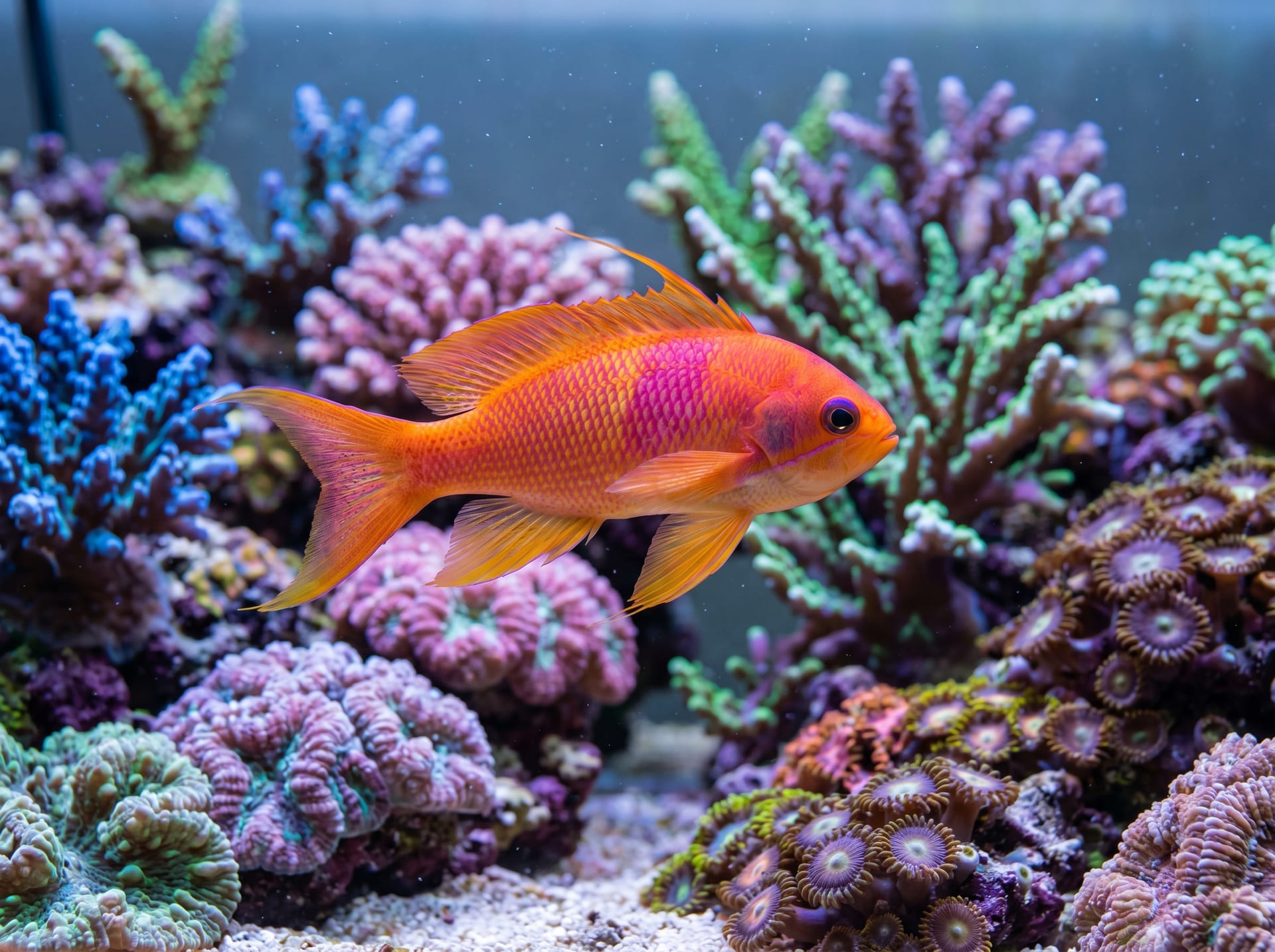
| Fairy Basslets × Small Goby species | 〇 | Different living zones; minimal competition |
Notes & Recommendations by Popular Species
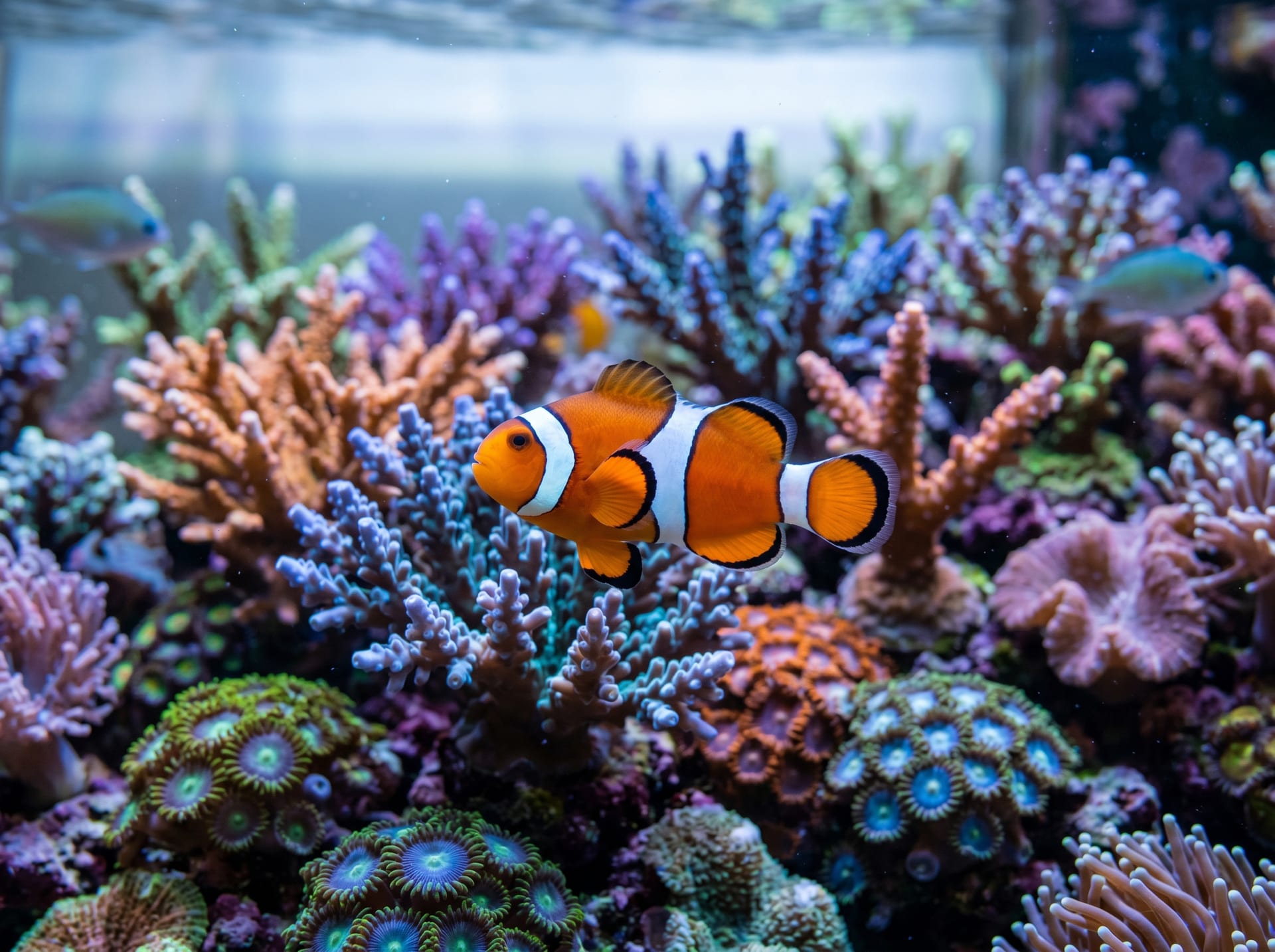
Clownfish (Amphiprioninae)
Aggression: Low to Medium / Maximum length: ~11cm
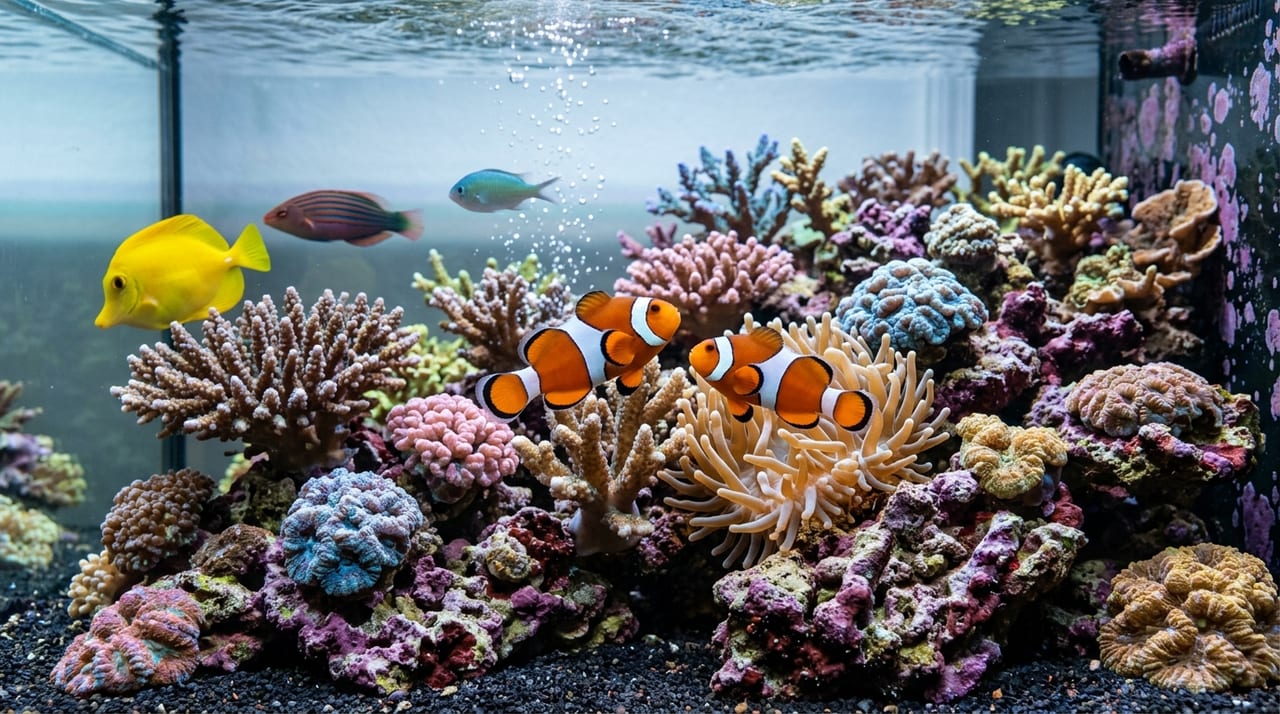
While clownfish appear docile due to their anemone-hosting behavior, they actually possess fairly strong pair territorial instincts. They will attack other clownfish pairs and damselfish with similar coloration.
- Recommended tankmates: Blue Tang, Firefish Goby, Three-stripe Damselfish, Fairy Basslet
- Avoid: Other clownfish pairs, unpaired males of the same species
- Tip: In a 60cm+ tank, providing one host anemone per pair helps them settle comfortably
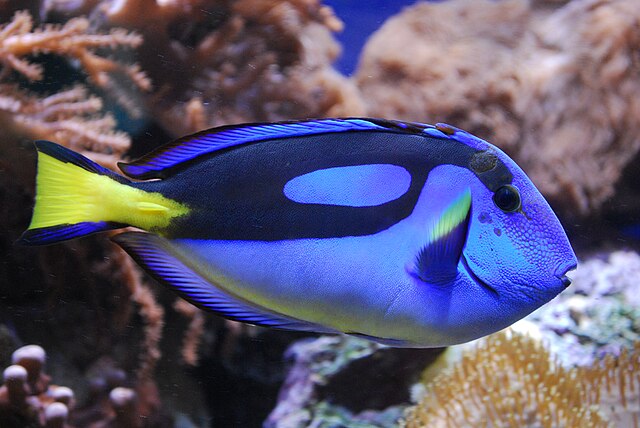
Blue Tang (Paracanthurus hepatus)
Aggression: Low / Maximum length: ~31cm
Famous from animated films for its vibrant blue coloring, the Blue Tang has a peaceful temperament suited to mixed tanks. However, same-species and same-genus combinations require caution. Adults grow large and ideally require tanks 90cm or larger.
- Recommended tankmates: Clownfish, Yellow Tang (in spacious tanks), Fairy Basslets, Three-stripe Damselfish
- Avoid: Same-species individuals (territorial conflict), large tang species like Palette Tangs
- Tip: Tangs are prone to ich (white spot disease). Practice rigorous quarantine and treatment protocols even in mixed systems
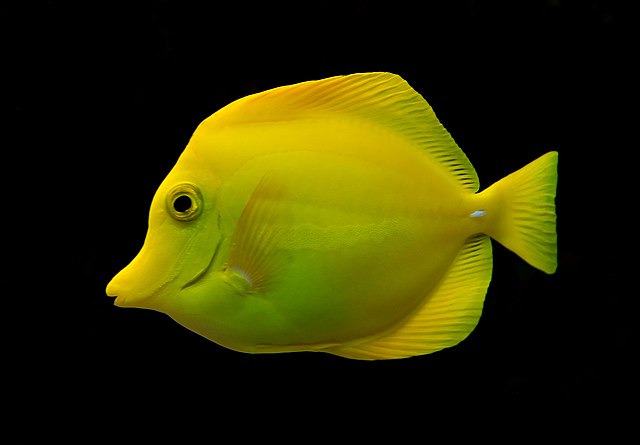
Yellow Tang (Zebrasoma flavescens)
Aggression: Medium / Maximum length: ~20cm
This striking yellow species is popular with aquarists. While more peaceful than some tangs, Zebrasoma genus members (same family) will fight over territory.
- Recommended tankmates: Clownfish, Firefish Goby, Flame Fairy Basslet, Three-stripe Damselfish
- Avoid: Blue Tang compatible only in tanks 120cm+; incompatible in smaller systems
- Tip: Yellow Tangs prefer algae-covered live rock. Adding algae-covered stones reduces feeding-related stress
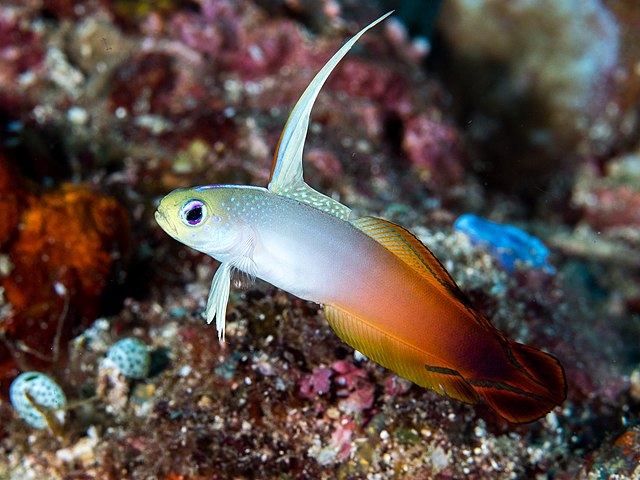
Firefish Goby (Nemateleotris magnifica)
Aggression: Extremely Low / Maximum length: ~9cm
Striking white-to-red gradient coloring, this small goby is peaceful but timid. Strong water flow or aggressive tankmates will cause it to retreat into its burrow.
- Recommended tankmates: Clownfish (one pair), Yellow Tang, Three-stripe Damselfish, Small Fairy Basslets
- Avoid: Damselfish (except Three-stripe), highly aggressive large fish
- Tip: Escape incidents are common; a lid is essential. Introducing them as pairs promotes stability
Improving Compatibility Through Introduction Sequence & Tank Layout
Compatibility isn't determined solely by fish selection. The order of introduction and tank layout significantly impact success.
Introduce Peaceful Fish First
Fish already established in the tank develop stronger territorial claims. Introducing docile species (Firefish Gobies, Three-stripe Damselfish) first, then adding moderately aggressive species (Clownfish pairs) later allows the established fish to accept newcomers with less hostility.
Create Hiding Spots & Visual Barriers
Arrange live rock to form multiple "caves" and "crevices," allowing each fish to establish separate territories. An open tank leaves weaker individuals with no escape route, escalating bullying. When mixing aggressive species, strategic rock placement that blocks line-of-sight is critical.
Allow Adequate Tank Volume
A "60cm tank with 2 clownfish pairs + 1 Blue Tang" may seem feasible but typically results in constant territorial disputes. A practical guideline: for each additional fish, allocate an extra 20–30 liters of effective tank volume.
Common Mistakes & Solutions
Mistake 1: Adding damselfish caused a total loss Damselfish are popular with beginners due to their cute appearance and hardiness, but most species (except Three-stripe Damselfish) are extremely aggressive. Adding them later causes relentless chasing. If mixing damselfish, start with a large tank from the beginning, limit numbers, or choose only Three-stripe Damselfish.
Mistake 2: Butterfly fish stopped eating Butterfly fish have strong same-species and close-species territorial instincts. When bullied by tankmates, they become stressed and refuse food. Solitary keeping or housing with fish that occupy entirely different niches/diets is safest.
Mistake 3: Lionfish ate small fish Lionfish are carnivorous and consume anything that fits in their mouths. A cardinal rule for lionfish tanks: mix only with same-sized or larger fish.
Summary: Three Keys to Successful Mixing
- Verify aggression, size, and diet before introducing fish
- Add peaceful fish first to establish territories; introduce aggressive species later
- Provide ample water volume and live rock hideouts
Saltwater fish mixing, when it fails, costs lives. However, with proper research and an appropriate tank environment, creating a beautiful display—such as clownfish and blue tangs peacefully swimming together—is entirely achievable. The key is to start with compatible pairs and gradually increase species diversity through careful observation and patience. Take your time, watch closely, and build your ideal saltwater aquarium step by step.