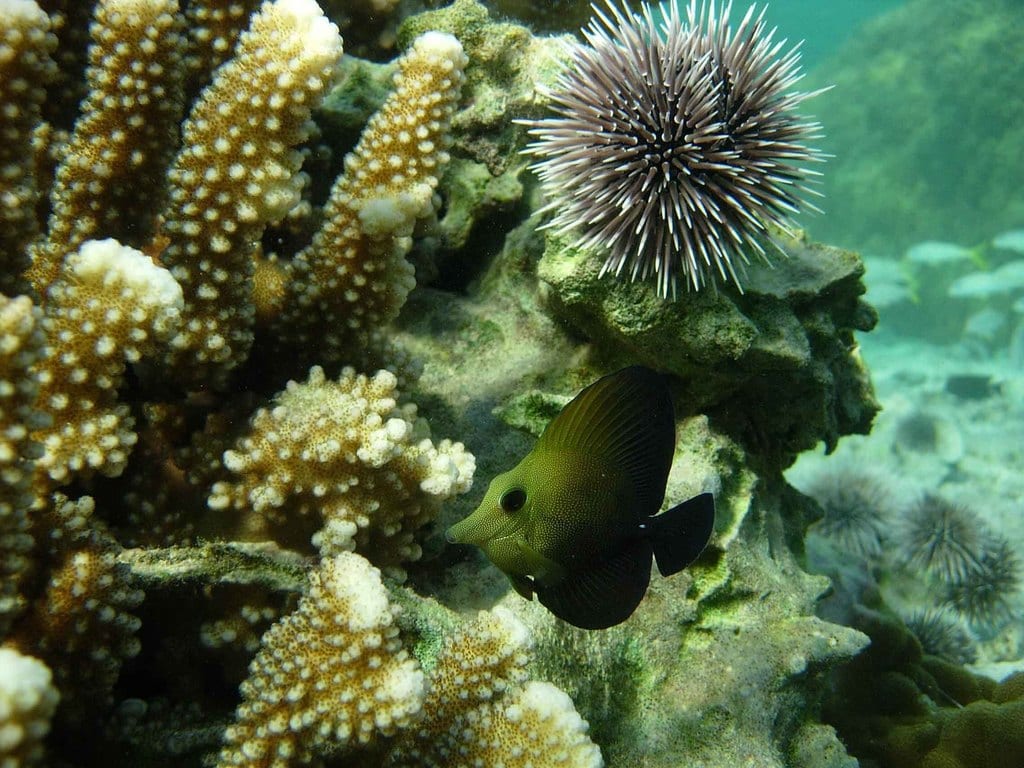
 © natomik / CC BY 4.0
Longnose surgeonfish
The Black Longnose Tang, known in English as the Longnose surgeonfish, is a tang of the Zebrasoma genus from islands in the central South Pacific. Its body is entirely black, with a long protruding snout and white only around the spine at the base of the tail. Its range is limited and not many are collected, which makes it an uncommon black Zebrasoma. It reaches a maximum total length of 21 cm (FishBase) and is rated for intermediate keepers, so it is best introduced once you are comfortable with basic marine care.
View Longnose surgeonfish encyclopedia →Breeder Wanted!
List on BreederDirect and sell directly to customers nationwide!
BreederDirect's 6 Transparency Commitments
Every Marine Fish listing shows Breeder's full disclosure. No wild-caught. Captive-bred priority, tank size guidance, temperament details—transparent aquaculture.
- Captive-bred
- WYSIWYG
- Reef-safe
- Care Info Included
- Origin Disclosed
- Temperament Listed
Browse all 215 breeds
Care Difficulty
Reef-safe
Temperament
Verified breeders wanted for Marine Fish
Breeders are signing up now ahead of launch. Subscribe to be notified when new listings go live.
Getting alerts is free with a member account. When new listings match your saved search, we'll notify you by email and in-app.
Browse other categories
Verified breeders (preview)
Are you raising marine fish?
Register as a breeder and connect with buyers directly.
Apply as a breederLongnose surgeonfish key facts
- Care level
- Intermediate
- Size
- Up to 21 cm TL
- Temperature
- 23〜28℃
- Diet
- Herbivore (filamentous algae, seaweed, algae-based prepared foods)
- Water Temperature & Quality
- 23-28°C (FishBase). Keep water well oxygenated and stable.
- Aquarium
- An active swimmer needing a large tank with open space and rockwork for cover.
- Tank Mates & Compatibility
- Often fights other Zebrasoma and similar tangs; avoid mixing congeners or add them together in a very large tank.
- Reef Compatibility
- An algae-eating herbivore that leaves corals and invertebrates alone; considered reef-safe.
- Diet & Feeding
- Feed mainly algae-rich prepared foods and dried seaweed.
- Health & Cautions
- Its range is restricted and supply is limited. Handle with care because of the sharp spine at the tail base.
About Longnose surgeonfish
The Longnose surgeonfish is an all-black Zebrasoma tang with white only around its tail spine. Up to 21 cm, for intermediate keepers. Learn about care, temperament and what to know before buying.
7 things to know before welcoming a Longnose surgeonfish
1Black body, white spine
The whole body is black, with a long protruding snout and white only around the spine at the base of the tail. This solid black look is unusual among Zebrasoma and stands out clearly in a tank.
2For intermediate keepers
Its care level is rated intermediate, so it suits keepers who are already comfortable maintaining stable water conditions and handling tangs. Data on its lifespan is scarce, so it is wise to prepare for long-term care.
3Grows up to 21 cm
Adults reach a maximum total length of 21 cm (FishBase). Choose a tank based on the adult size rather than the size at purchase. A tank with a wide footprint suits it best, since it needs room to swim.
4Territory and tankmates
Tangs tend to be territorial and may be aggressive toward their own kind or fish with a similar body shape. If you plan a community tank, think carefully about tank size and combinations, and watch how the fish get along. Temperament varies between individuals, so the order in which you introduce fish also matters.
5An algae-based diet
Zebrasoma tangs are mostly herbivorous grazers that eat a lot of algae. Base the diet on plant-based foods such as dried seaweed and foods made for tangs. Right after arrival, check every day that the fish is actually eating.
6Health after arrival
Tangs are said to be prone to parasitic conditions such as white spot disease. Rather than moving a new arrival straight into the main tank, it helps to keep it in a separate tank for a period of observation (quarantine). Watch its skin, breathing and appetite every day so you can notice changes early.
7Spine and jumping risk
The spine at the base of the tail is sharp and can catch in a net or injure a hand, so handle the fish with care. Tangs may also jump when startled, so it is safer to keep the tank covered.
Frequently asked questions about Longnose surgeonfish
- Q.Can beginners keep this fish?
- A.It is rated for intermediate keepers and is on the difficult side for a first marine fish. It is easier to manage once you are comfortable with water quality control and judging tankmate compatibility. Gaining experience with easier fish first is one sensible route.
- Q.How large does it grow?
- A.FishBase lists a maximum total length of 21 cm. Prepare a tank with the adult size in mind.
- Q.How long does it live?
- A.Reliable data on its lifespan is scarce, so no firm figure can be given. It is best to set up the tank on the assumption that you will keep it for a long time.
- Q.What does it eat?
- A.Zebrasoma tangs are mostly herbivorous and graze on algae. Base the diet on plant-based foods such as dried seaweed, and check every day after arrival that the fish is eating.
- Q.Can it live with other fish?
- A.Tangs tend to be territorial and may be aggressive toward their own kind or fish with a similar body shape. Consider the tank size and the combination of species carefully, and add tankmates gradually while watching their behavior. Temperament differs from one individual to another.
Useful tools for Longnose surgeonfish care
Learn more about Longnose surgeonfish in the encyclopedia
View Longnose surgeonfish encyclopedia entry →
Care difficulty, lifespan, size and diet — all basics covered.
More in this category
Can't find the one you're looking for?
Post your wishes for free and breeders with matching animals will contact you with introductions.