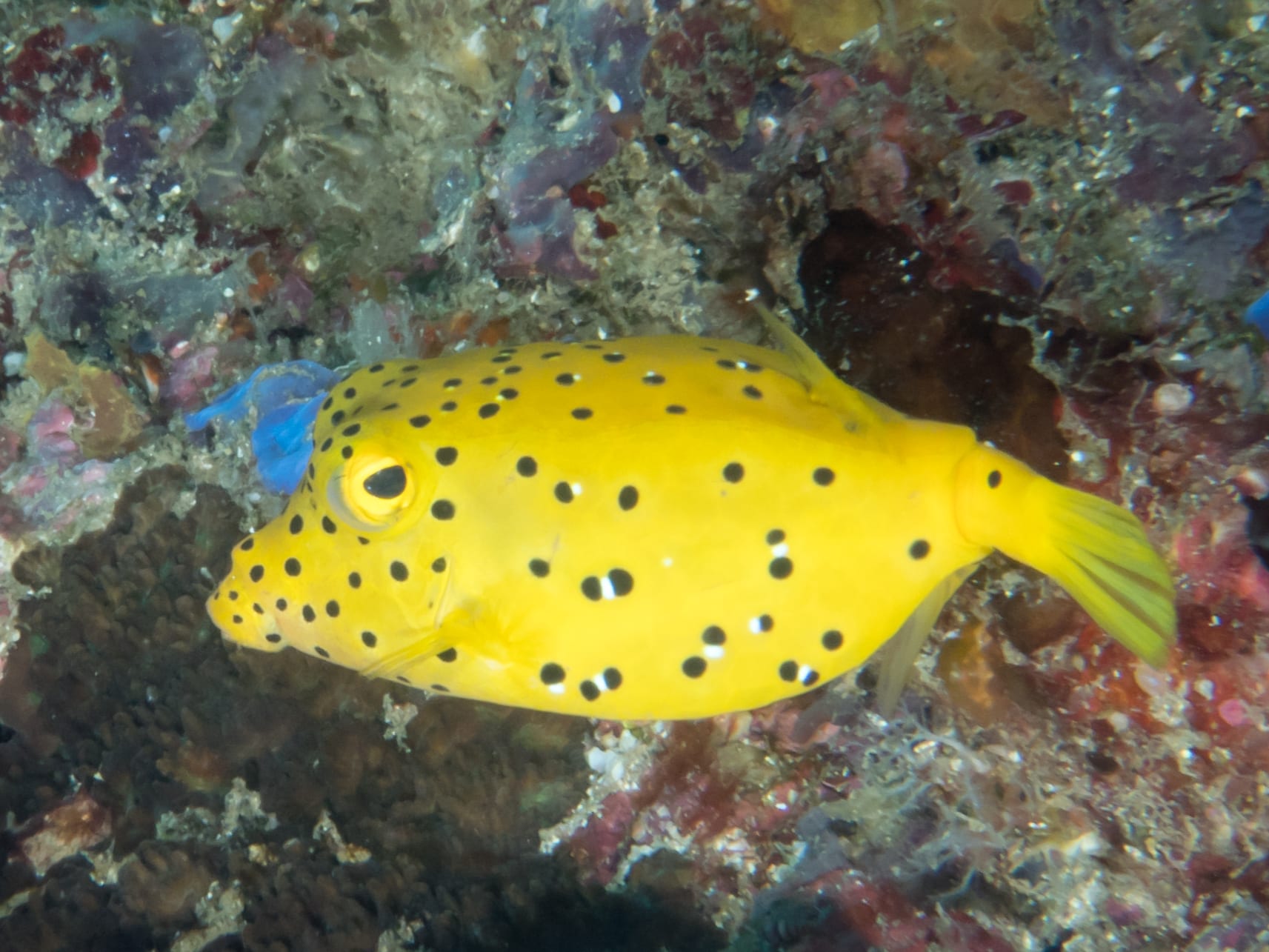
 © Rickard Zerpe / CC BY 2.0
Yellow Boxfish
The Yellow Boxfish is instantly recognizable for its playful, cube-shaped body dotted with black spots on a vivid yellow background—a look that makes juveniles especially popular in the aquarium hobby. As the fish matures, that bright yellow gradually fades to a muted brown, and adults can reach up to 45 cm in length. Rather than swimming in the usual fish-like way, it hovers gracefully by rippling its fins, giving it a distinctly deliberate motion. However, when severely stressed, it can release toxins from its skin, so it's generally kept alone rather than with other fish. Given this toxin risk and its sensitivity to water conditions, it's considered a fish best suited to experienced aquarists.
View Yellow Boxfish encyclopedia →0% commission on your first sales!Register by September 30, 2026 and your first 2 sales are commission-free!
Breeder Wanted!
List on BreederDirect and sell directly to customers nationwide!
BreederDirect's 6 Transparency Promises
Every Marine Fish listing shows Breeder's full disclosure. No wild-caught. Captive-bred priority, tank size guidance, temperament details—transparent aquaculture.
- Captive-bred
- WYSIWYG
- Reef-safe
- Care Info Included
- Origin Disclosed
- Temperament Listed
Browse all 175 breeds
Care Difficulty
Reef-safe
Temperament
Verified breeders wanted for Marine Fish
Breeders are signing up now ahead of launch. Subscribe to be notified when new listings go live.
Getting alerts is free with a member account. When new listings match your saved search, we'll notify you by email and in-app.
Browse other categories
Verified breeders (preview)
Are you raising marine fish?
Register as a breeder and connect with buyers directly.
Apply as a breederAbout Yellow Boxfish
Known for its cube-shaped yellow juvenile form with black spots, the Yellow Boxfish fades to brown as it grows, reaching up to 45 cm. It can release toxins when stressed, making solo care essential for this advanced-level marine fish.
7 things to know before welcoming a Yellow Boxfish
1Best Kept Alone
Yellow Boxfish release toxins from their skin when severely stressed. In an enclosed tank this can rapidly foul the water and harm tankmates—and even the fish itself—so they are best kept alone rather than in a community tank.
2Color Changes With Age
Juveniles are known for their bright yellow, cube-shaped bodies dotted with black spots. As they grow, the yellow gradually fades and the body takes on a more subdued brownish tone.
3An Advanced-Level Fish
Due to the risk of toxin release and sensitivity to water quality changes, the Yellow Boxfish is considered an advanced-level fish, best suited to keepers with prior marine aquarium experience.
4A Distinctive Swimming Style
Because of its rigid, box-shaped body, this fish cannot bend to swim like typical fish. Instead it hovers along using small, rippling movements of its dorsal, anal, and pectoral fins—a distinctive motion that's fascinating to watch.
5Plan for a Large Adult Size
Adults can grow up to about 45 cm, making this a large fish over time. Rather than planning around the small juvenile you bring home, prepare a tank that will offer enough swimming space as it matures.
6Sensitive to Water Quality
Sudden shifts in water quality or inadequate filtration put significant stress on Yellow Boxfish. A fully cycled, stable tank along with regular water quality monitoring goes a long way toward keeping them healthy.
7An Omnivorous Diet
In the wild, Yellow Boxfish feed on algae and small invertebrates, making them omnivorous. They generally adapt well to a variety of foods in captivity, though appetite can dip while settling into a new tank, so patience during the adjustment period is important.
Frequently asked questions about Yellow Boxfish
- Q.Can Yellow Boxfish be kept with other fish?
- A.Yellow Boxfish are generally recommended to be kept alone, since they can release toxins when severely stressed. In an enclosed tank, this can endanger not only tankmates but the fish itself.
- Q.How big does a Yellow Boxfish get?
- A.Adults can reach up to about 45 cm in length—considerably larger than their small juvenile size might suggest—so it's important to choose a tank with future growth in mind.
- Q.Do Yellow Boxfish look different as they mature?
- A.Yes. Juveniles are bright yellow with black polka-dot markings, but as they grow the yellow gradually fades into a more subdued brownish coloration.
- Q.How difficult is it to keep a Yellow Boxfish?
- A.Yellow Boxfish are considered an advanced-level fish. Given the risk of toxin release and their sensitivity to water quality changes, they're best suited to keepers with prior marine aquarium experience.
- Q.What can I do to avoid stressing a Yellow Boxfish?
- A.Sudden water quality changes, overcrowded tankmates, and cramped tanks are all major sources of stress. Maintaining stable water conditions and providing a calm, single-occupant environment helps keep them settled.
Useful tools for Yellow Boxfish care
Learn more about Yellow Boxfish in the encyclopedia
View Yellow Boxfish encyclopedia entry →
Care difficulty, lifespan, size and diet — all basics covered.
More in this category
Can't find the one you're looking for?
Post your wishes for free and breeders with matching animals will contact you with introductions.