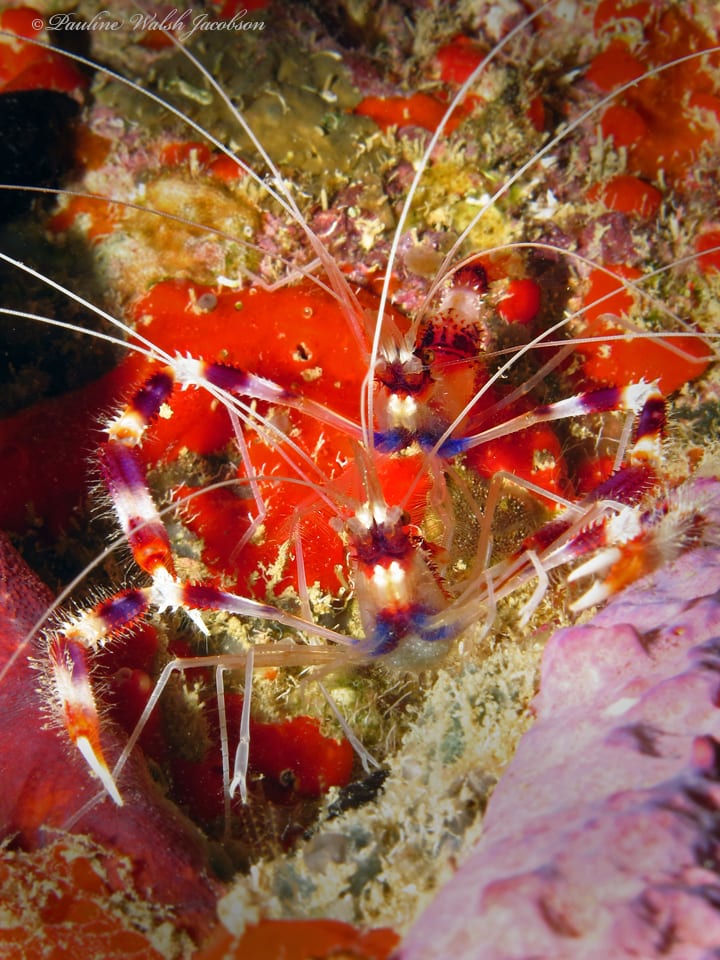
 © Pauline Walsh Jacobson / CC BY 4.0
Banded Coral Shrimp
Banded Coral Shrimp are striking cleaner shrimp known for their bold red-and-white stripes and long, elegant white antennae that sweep gracefully as they move among the rocks. They're a favorite entry point into marine invertebrate keeping thanks to their hardy nature and readiness to accept food. That said, they can be territorial: they often clash with their own kind or with smaller shrimp, so they're best kept solo or as an established, compatible pair. True to their cleaner-shrimp reputation, they pick parasites and debris off tankmates' bodies, adding a useful role alongside their striking looks.
View Banded Coral Shrimp encyclopedia →Breeder Wanted!
List on BreederDirect and sell directly to customers nationwide!
BreederDirect's 6 Transparency Commitments
Every Marine Fish listing shows Breeder's full disclosure. No wild-caught. Captive-bred priority, tank size guidance, temperament details—transparent aquaculture.
- Captive-bred
- WYSIWYG
- Reef-safe
- Care Info Included
- Origin Disclosed
- Temperament Listed
Browse all 215 breeds
Care Difficulty
Reef-safe
Temperament
Verified breeders wanted for Marine Fish
Breeders are signing up now ahead of launch. Subscribe to be notified when new listings go live.
Getting alerts is free with a member account. When new listings match your saved search, we'll notify you by email and in-app.
Browse other categories
Verified breeders (preview)
Are you raising marine fish?
Register as a breeder and connect with buyers directly.
Apply as a breederBanded Coral Shrimp key facts
- Care level
- Beginner-friendly
- Lifespan
- 5-8 years
- Size
- 4-6cm body length (up to about 7.5cm; about 15cm including antennae)
- Temperature
- 22〜26℃
- Diet
- Frozen foods, flake and pellet foods
- Notes
- Cannot tolerate copper or high nitrate. It hides for 1-2 days around molting; keep iodine at proper levels.
- Container & Tank
- Provide crevices or overhangs in live rock where it can hang upside down. Drip-acclimate on introduction.
- Water Temperature & Quality
- 22-26 C, pH 8.1-8.4, specific gravity 1.023-1.025. Avoid sudden changes and keep parameters stable.
- Diet & Feeding
- An omnivorous scavenger that readily eats frozen foods and flake or pellet foods.
- Tank Mates & Compatibility
- Harmless to fish and corals, but aggressive toward its own species and smaller shrimp. Keep singly or as a confirmed pair.
About Banded Coral Shrimp
Banded Coral Shrimp are hardy, beginner-friendly cleaner shrimp with bold red-and-white stripes, growing to about 4-6cm. They're territorial toward their own kind and smaller shrimp, so keep them solo or in a bonded pair.
7 things to know before welcoming a Banded Coral Shrimp
1Best Kept Solo or in Pairs
Banded Coral Shrimp can be highly aggressive toward their own kind and smaller shrimp, so compatibility matters if you plan to keep more than one. If you want a pair, introduce two individuals that are already a confirmed match. Keeping just one avoids the risk of conflict altogether.
2A Natural Cleaner
They pick parasites and debris off the bodies and mouths of fish, a habit that gives them their cleaner-shrimp reputation. This makes them easy to integrate into a community tank, where fish often welcome their attention.
3Hardy and Easy to Feed
They are omnivorous scavengers and readily accept a wide range of foods, including frozen food and flake or granular prepared foods. This makes them a solid choice for anyone new to marine invertebrates. However, they cannot tolerate copper or high nitrate, so keep the water quality stable.
4Provide Places to Hide
In the wild they hide in crevices and overhangs of reefs, with only their long antennae showing. Providing spots in the tank where they can hide, such as live rock crevices and overhangs, helps them feel secure.
5Molting Is Part of Growth
As crustaceans, they molt repeatedly as they grow. Right after molting, the new shell is soft and they're vulnerable, so they tend to stay still in hiding — avoid handling or disturbing them during this period.
6Mind Small Shrimp Tankmates
They are harmless to fish and corals, but they have large claws and are aggressive toward their own kind and smaller shrimp. Avoid housing them with small shrimp, and consider the overall balance of your tank when choosing tankmates.
7Acclimate Slowly Before Introduction
They're sensitive to sudden shifts in temperature and water chemistry, so a slow, careful acclimation process matters when introducing them to a new tank. Avoid dropping them straight into the tank and instead let them adjust gradually.
Frequently asked questions about Banded Coral Shrimp
- Q.Will a Banded Coral Shrimp attack my fish?
- A.They are harmless to fish and corals, and are actually known as cleaner shrimp that pick off parasites. However, they are aggressive toward their own kind and smaller shrimp, so avoid housing them with small shrimp.
- Q.Can I keep more than one?
- A.They tend to be aggressive toward their own kind, so keeping them solo or as a pre-confirmed compatible pair is the standard approach. Forcing incompatible individuals together can result in one injuring the other.
- Q.What should I feed it?
- A.They're hardy and will readily eat a variety of foods, including pellets and frozen food. Watching them search for food with their long antennae is part of the appeal, and their easy feeding habits make them a good pick for beginners.
- Q.Is the Banded Coral Shrimp subject to CITES?
- A.No, the Banded Coral Shrimp is not subject to CITES.
- Q.How should I handle it during molting?
- A.Right after molting, its shell is soft and it's vulnerable, so keep the environment calm and let it stay hidden. Avoid handling it or making major changes to the tank during this time.
Useful tools for Banded Coral Shrimp care
Learn more about Banded Coral Shrimp in the encyclopedia
View Banded Coral Shrimp encyclopedia entry →
Care difficulty, lifespan, size and diet — all basics covered.
More in this category
Can't find the one you're looking for?
Post your wishes for free and breeders with matching animals will contact you with introductions.