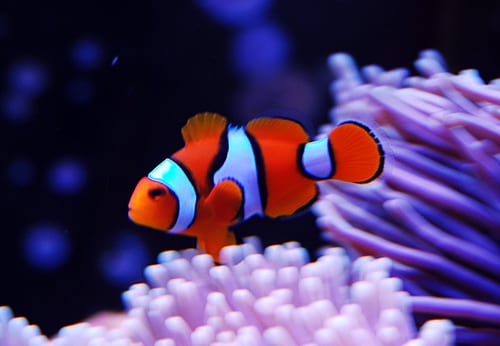
 © CrisisRose / CC BY-SA 3.0
Percula Clownfish
The Percula Clownfish is one of the most beloved clownfish varieties, known for its vivid orange body banded with three thick, black-edged white stripes. It closely resembles the common clownfish but has bolder black edging and deeper coloration, making the two fun to tell apart. Hardy and widely available as captive-bred stock, it's a classic choice for anyone new to marine fishkeeping. Percula Clownfish naturally pair with anemones, and keeping a mated pair lets you watch their close, symbiotic bond up close. Active swimmers by day, they bring lively personality and constant motion to any reef tank.
View Percula Clownfish encyclopedia →0% commission on your first sales!Register by September 30, 2026 and your first 2 sales are commission-free!
Breeder Wanted!
List on BreederDirect and sell directly to customers nationwide!
BreederDirect's 6 Transparency Promises
Every Marine Fish listing shows Breeder's full disclosure. No wild-caught. Captive-bred priority, tank size guidance, temperament details—transparent aquaculture.
- Captive-bred
- WYSIWYG
- Reef-safe
- Care Info Included
- Origin Disclosed
- Temperament Listed
Browse all 175 breeds
Care Difficulty
Reef-safe
Temperament
Verified breeders wanted for Marine Fish
Breeders are signing up now ahead of launch. Subscribe to be notified when new listings go live.
Getting alerts is free with a member account. When new listings match your saved search, we'll notify you by email and in-app.
Browse other categories
Verified breeders (preview)

Are you raising marine fish?
Register as a breeder and connect with buyers directly.
Apply as a breederAbout Percula Clownfish
The Percula Clownfish features bold black-edged stripes and vivid orange coloring. Hardy and widely available as captive-bred stock, it's a beginner-friendly marine fish.
7 things to know before welcoming a Percula Clownfish
1Fine Without an Anemone
Percula Clownfish naturally pair with anemones, but they thrive without one too. Rather than forcing a host anemone into the tank, provide rockwork or live rock hiding spots so they feel secure.
2Best Kept as a Pair
Their temperament is generally mild, though territorial behavior can emerge as they mature. Keeping a male-female pair lets you observe natural pairing behavior, and bonded pairs tend to settle in well together.
3Hardy Against Changes
Captive-bred individuals are hardy and relatively tolerant of shifts in water quality and temperature compared to many marine fish. Even so, avoid sudden water quality drops and keep up with regular water changes.
4Choose Tankmates Carefully
Despite their calm nature, they can turn territorial toward other fish near their claimed space. Take extra care when pairing them with similar-looking fish or multiple individuals of the same species.
5Easy to Feed Pellets
They readily accept prepared or pellet foods, making feeding straightforward. Offering an amount they can finish once or twice a day is a good general guideline.
6Watch for Ich
Like most marine fish, stress or declining water quality can leave them vulnerable to issues such as white spot disease (ich). Quarantine new arrivals and monitor them closely during the settling-in period.
7Tank Size Guidance
Adults reach up to about 11cm, so a single fish or pair can start out in a tank around 60cm (roughly 15-20 gallons). Choosing a tank with room to spare gives them space to grow comfortably.
Frequently asked questions about Percula Clownfish
- Q.Is this fish suitable for beginners?
- A.Yes, the Percula Clownfish is considered a beginner-friendly marine fish and is quite hardy. Since captive-bred individuals are widely available, it's a common first choice for those new to saltwater fishkeeping.
- Q.How is it different from the common clownfish?
- A.The two look very similar, but the Percula Clownfish tends to have thicker black edging around its white stripes and deeper body coloration. Comparing the stripe width side by side makes them easier to tell apart.
- Q.How large does it grow?
- A.Adults reach up to about 11cm. Keep this in mind when planning your tank size and setup.
- Q.Does it need an anemone to host?
- A.No, an anemone isn't required. While Percula Clownfish naturally pair with anemones in the wild, they stay healthy without one in a home aquarium.
- Q.How long can this fish live?
- A.Wild females are estimated to live around 30 years (Buston & García 2007). Lifespan in captivity varies with care conditions, but this is a species you can expect to keep for the long term.
Useful tools for Percula Clownfish care
Learn more about Percula Clownfish in the encyclopedia
View Percula Clownfish encyclopedia entry →
Care difficulty, lifespan, size and diet — all basics covered.
More in this category
Can't find the one you're looking for?
Post your wishes for free and breeders with matching animals will contact you with introductions.