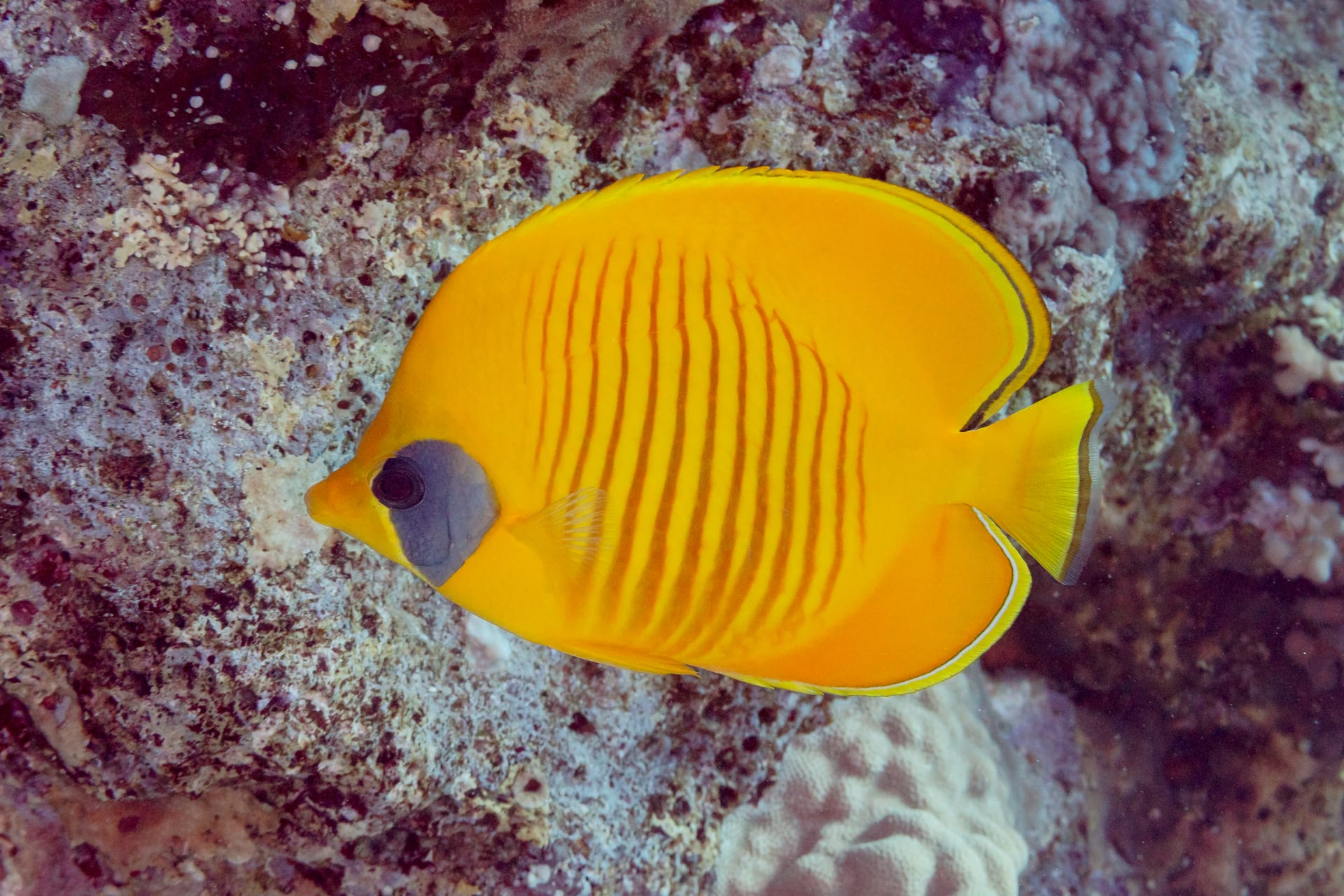
 © Diego Delso / CC BY-SA 4.0
Bluecheek butterflyfish
The Golden Butterflyfish (Bluecheek butterflyfish) is a Red Sea butterflyfish with a vivid yellow body, fine red-orange horizontal lines and a blue-gray patch behind the eye. It is known for hovering motionless beneath table-shaped corals, which makes it a rewarding fish to watch. It grows to a maximum total length of 23 cm and is rated for intermediate aquarists, so it needs a roomy tank and some saltwater experience. It eats hard and soft corals as well as giant clams, so it is not suited to a reef tank and should be kept in a fish-only aquarium. Ask the seller what it is eating before bringing one home.
View Bluecheek butterflyfish encyclopedia →0% commission on your first sales!Register by September 30, 2026 and your first 2 sales are commission-free!
Breeder Wanted!
List on BreederDirect and sell directly to customers nationwide!
BreederDirect's 6 Transparency Commitments
Every Marine Fish listing shows Breeder's full disclosure. No wild-caught. Captive-bred priority, tank size guidance, temperament details—transparent aquaculture.
- Captive-bred
- WYSIWYG
- Reef-safe
- Care Info Included
- Origin Disclosed
- Temperament Listed
Browse all 215 breeds
Care Difficulty
Reef-safe
Temperament
No listings match your filters
Adjust your filters, or get notified when new listings arrive.
Getting alerts is free with a member account. When new listings match your saved search, we'll notify you by email and in-app.
Browse other categories
Verified breeders (preview)
Are you raising marine fish?
Register as a breeder and connect with buyers directly.
Apply as a breederBluecheek butterflyfish key facts
- Care level
- Intermediate
- Lifespan
- Little data available
- Size
- Up to 23 cm TL (FishBase)
- Temperature
- 22〜28℃
- Diet
- Omnivore (corals, benthic invertebrates, algae)
- Water Temperature & Quality
- 22-28°C, specific gravity 1.020-1.026 (Saltcorner).
- Container & Tank
- About 470 L (125 gallons) or more, a fish-only tank with open swimming space and live rock to browse.
- Tank Mates & Compatibility
- Keep with peaceful fish.
- Reef Compatibility
- It eats stony and soft corals, clams and tubeworms, so it is not reef-safe.
- Diet & Feeding
- Feed meaty frozen foods such as brine shrimp and mysis several times a day, plus spirulina or nori-based foods. Adults can be hard to wean; opened clams sometimes get them started.
- Health & Cautions
- Juveniles adapt more readily. Confirm it is eating frozen food before buying.
About Bluecheek butterflyfish
A guide to the Golden Butterflyfish (Bluecheek butterflyfish), a yellow Red Sea species with red-orange lines that reaches up to 23 cm. Rated intermediate; see what to check before bringing one home.
7 things to know before welcoming a Bluecheek butterflyfish
1A Red Sea native
This butterflyfish comes from the Red Sea and is known for hovering motionless beneath table-shaped corals. In an aquarium, you may see it spending quiet time in shaded spots.
2Grows up to 23 cm
Its total length can reach up to 23 cm (FishBase). Rather than choosing a tank based on a juvenile's size, plan a larger tank that suits the adult.
3For intermediate keepers
Its care difficulty is rated intermediate. Having handled saltwater water quality and feeding beforehand makes it easier to care for calmly. If this would be your first saltwater fish, consider building experience with other species first.
4Check feeding habits
Many butterflyfish feed on corals in the wild, and some take time to accept aquarium food. Before bringing one home, ask the seller what it is eating now. Whether it takes prepared foods is a key factor in how easy it will be to keep.
5Not for coral tanks
It eats hard corals, soft corals, giant clams and fan worms, so it does not belong in a coral tank. Keep it in a spacious fish-only aquarium with live rock it can pick at.
6Shaded rock layout
Because it is known for hovering under table-shaped corals, an overhanging rock structure that casts shade may help it settle in. Since it grows large, also leave open space for swimming.
7Tankmates and health
Pairing with its own species or similarly shaped fish calls for careful observation of how they get along. After arrival, it helps to watch it in a separate tank and keep an eye on its appetite and body surface. If anything seems off, consult someone experienced with saltwater fish.
Frequently asked questions about Bluecheek butterflyfish
- Q.Can a beginner keep this fish?
- A.Its care difficulty is rated intermediate. It is best considered after you have gained experience with saltwater water quality and feeding.
- Q.How large does it grow?
- A.Its total length is listed as up to 23 cm (FishBase). Choose a tank with the adult size in mind.
- Q.Is it safe to keep in a coral tank?
- A.No. It eats hard corals, soft corals, giant clams and fan worms, so keep it in a fish-only aquarium.
- Q.How long does it live?
- A.There is little documented information on its lifespan, so we cannot give a specific figure. Plan to care for it over the long term and prepare its environment before bringing it home.
- Q.What should I check before buying?
- A.Check what it is currently eating, its size, and how its body surface and swimming look, using the listing page or a message to the seller. Whether it is used to eating aquarium food is especially important.
Useful tools for Bluecheek butterflyfish care
Learn more about Bluecheek butterflyfish in the encyclopedia
View Bluecheek butterflyfish encyclopedia entry →
Care difficulty, lifespan, size and diet — all basics covered.
More in this category
Can't find the one you're looking for?
Post your wishes for free and breeders with matching animals will contact you with introductions.