 © Brian Gratwicke / CC BY 2.0
Bird Wrasse
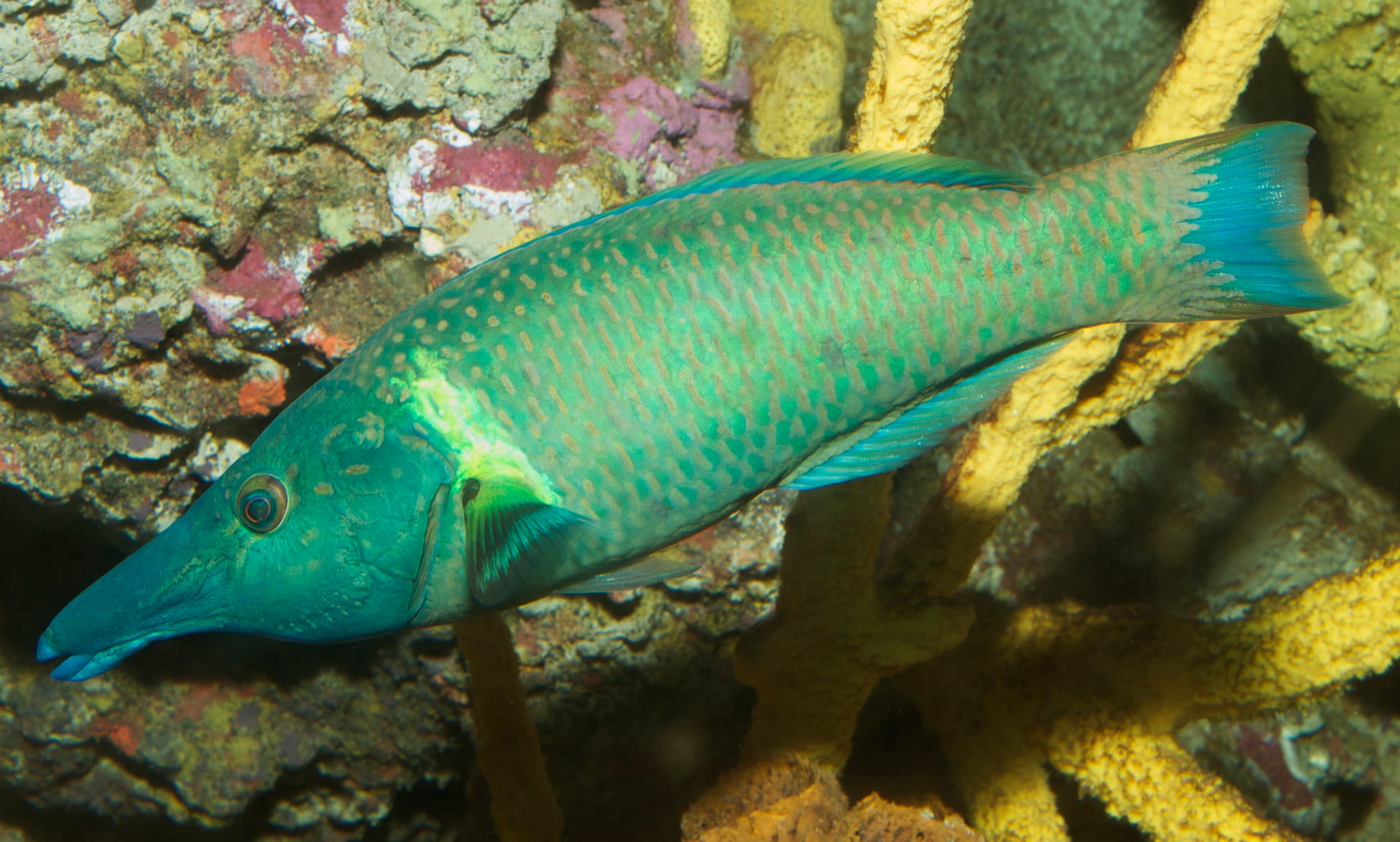
The Bird Wrasse gets its name from its long, beak-like snout, a striking feature that sets it apart from other wrasses. Males and females look almost like different species: males turn a vivid green, while females are white toward the head and black toward the tail. Reaching up to 30 cm in standard length, this is a hardy, active fish that eats well once settled in. It suits intermediate keepers who can provide a tightly covered tank, since Bird Wrasses are notorious jumpers, and who plan tankmates carefully, as they will hunt and eat shrimp, crabs, and other crustaceans. They are somewhat aggressive and males fight with each other, so introduction order matters, for example adding the female first when keeping a pair.
View Bird Wrasse encyclopedia →Breeder Wanted!
List on BreederDirect and sell directly to customers nationwide!
BreederDirect's 6 Transparency Commitments
Every Marine Fish listing shows Breeder's full disclosure. No wild-caught. Captive-bred priority, tank size guidance, temperament details—transparent aquaculture.
- Captive-bred
- WYSIWYG
- Reef-safe
- Care Info Included
- Origin Disclosed
- Temperament Listed
Browse all 215 breeds
Care Difficulty
Reef-safe
Temperament
No listings match your filters
Adjust your filters, or get notified when new listings arrive.
Getting alerts is free with a member account. When new listings match your saved search, we'll notify you by email and in-app.
Browse other categories
Verified breeders (preview)
Are you raising marine fish?
Register as a breeder and connect with buyers directly.
Apply as a breederBird Wrasse key facts
- Care level
- Intermediate
- Lifespan
- 8-12 years
- Size
- Up to 30 cm (standard length)
- Temperature
- 22〜26℃
- Diet
- Frozen mysis and brine shrimp, pellets, chopped crustaceans
- Notes
- A renowned escape artist; a gap-free lid is mandatory. Swims constantly, so allow ample open water.
- Container & Tank
- Reaches 30 cm. Use a tank of 490 L or more with plenty of live rock for foraging and shelter.
- Water Temperature & Quality
- 22-26C, pH 8.1-8.4, SG 1.020-1.025. Hardy, but a heavy eater that needs strong filtration.
- Diet & Feeding
- Carnivore. Offer frozen mysis, brine shrimp, pellets and chopped crustaceans about twice a day.
- Tank Mates & Compatibility
- Preys on small crustaceans and snails, so unsuitable for reef tanks. Somewhat assertive; add the female first for a pair. Males fight each other.
About Bird Wrasse
The Bird Wrasse is known for its beak-like snout and striking male/female color difference. It reaches up to 30 cm, suits intermediate keepers, and needs a covered tank plus crustacean-safe tankmates.
7 things to know before welcoming a Bird Wrasse
1Escape-Proof Your Tank
Bird Wrasses are known jumpers and can launch themselves out of the water when startled. Keep the tank tightly covered and seal any gaps around pumps or plumbing.
2Males and Females Differ
Males display a vivid green color, while females are white toward the front and black toward the rear. Like many wrasses, coloration can shift as the fish matures.
3Preys on Crustaceans
Using its elongated snout, the Bird Wrasse hunts shrimp, crabs, and other small invertebrates. Be cautious keeping it in a reef tank stocked with crustaceans.
4Hardy and a Good Eater
Once settled in, this is a hardy fish with a strong appetite. It typically adapts to prepared foods without much trouble.
5Males Fight, Mind the Introduction Order
Bird Wrasses are somewhat aggressive, and males of the same species fight with each other. If you keep a male and a female together, introduce the female first. Choose tankmates and tank size carefully.
6Suited to Intermediate Keepers
While hardy, this species requires attention to jump prevention and tankmate selection, making it better suited to keepers with some saltwater experience.
7Grows Up to 30 cm
Bird Wrasses can reach a standard length of 30 cm, so plan for a tank with room to grow. They also appreciate open swimming space.
Frequently asked questions about Bird Wrasse
- Q.Is the Bird Wrasse suitable for beginners?
- A.It's generally considered a fish for intermediate keepers. It's hardy and eats well, but requires attention to jump prevention and its tendency to prey on crustaceans, so some saltwater experience is recommended first.
- Q.Can it be kept with other fish?
- A.It is somewhat aggressive, so choose tankmates carefully. Males of the same species fight, and if you keep a male and a female together, introduce the female first. Since it preys on shrimp, crabs, other crustaceans, and shellfish, it is not suited to reef tanks.
- Q.Does it really jump out of tanks?
- A.Yes, Bird Wrasses are known to jump when startled. Make sure the tank is fully covered and that gaps around pumps or plumbing are sealed.
- Q.What should I feed it?
- A.It is carnivorous and readily eats frozen mysis, brine shrimp, prepared foods, and shelled crustacean meat. Feed about twice a day, and strengthen filtration because it is a hearty eater.
- Q.How can I tell males from females?
- A.Males display a vivid green color, while females are white toward the front half of the body and black toward the rear. This color difference makes the sexes easy to distinguish.
Useful tools for Bird Wrasse care
Learn more about Bird Wrasse in the encyclopedia
View Bird Wrasse encyclopedia entry →
Care difficulty, lifespan, size and diet — all basics covered.
More in this category
Can't find the one you're looking for?
Post your wishes for free and breeders with matching animals will contact you with introductions.