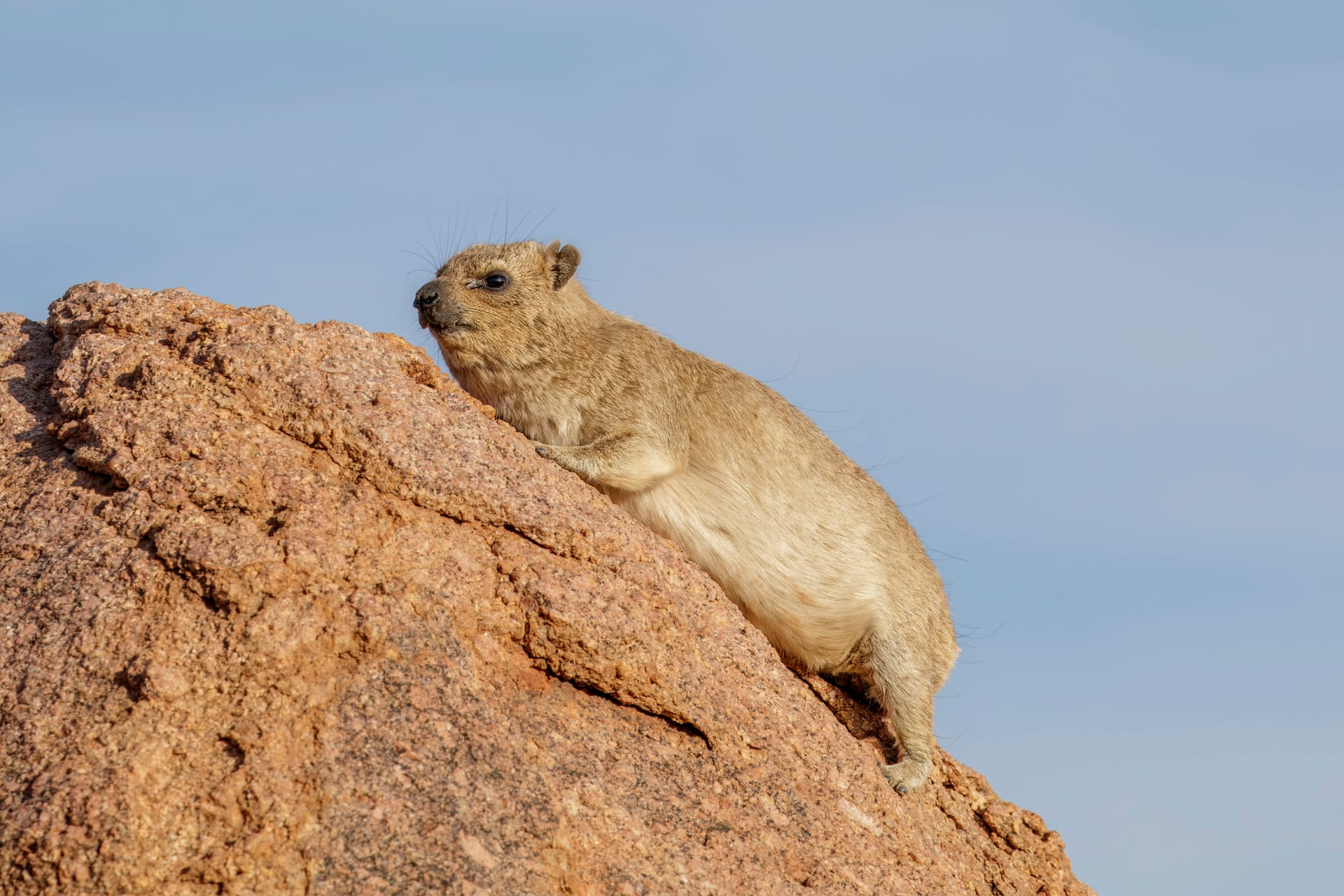
 © Charles J. Sharp / CC BY-SA 4.0
Rock Hyrax
The Rock Hyrax (Cape Hyrax) has a stocky, marmot-like build, but it belongs to the order Hyracoidea and is a distant relative of the elephant. It lives in groups among rocks and is known for its long, tusk-like upper incisors and a scent-producing gland on its back. Adults measure 30.5–55 cm in length, with a very short tail of 1.1–2.4 cm, and weigh up to 4.3 kg. Lifespan is up to 12 years in the wild and about 11 years on average in captivity, and the care level is rated advanced. Because it is a highly social animal, it is important to understand its natural habits before bringing one home.
View Rock Hyrax encyclopedia →Breeder Wanted!
List on BreederDirect and sell directly to customers nationwide!
BreederDirect's 6 Transparency Commitments
Every Small Pets listing from Breeder includes the information below. We guarantee transparency through health checks, vaccinations, microchips, and more.
- Hand-Tamed
- Health Checked
- Vaccinated
- Microchipped
- Real Photos
- Age Specified
Browse all 168 breeds
Care Difficulty
No listings match your filters
Adjust your filters, or get notified when new listings arrive.
Getting alerts is free with a member account. When new listings match your saved search, we'll notify you by email and in-app.
Browse other categories
Verified breeders (preview)
Are you raising small pets?
Register as a breeder and connect with buyers directly.
Apply as a breederRock Hyrax key facts
- Care level
- Advanced
- Lifespan
- Up to 12 years wild; about 11 on average in captivity
- Size
- 30.5–55cm long (tail 1.1–2.4cm); up to 4.3kg
- Diet
- Herbivore: mainly grasses, plus shoots, fruit and bark
- Housing
- Wild hyraxes live among crevice-rich rocks and climb using moist foot pads. Provide a large enclosure with rocks or shelves to climb and snug hiding places.
- Temperament
- A colonial animal whose territorial male guards the group. The upper incisors are long, sharp and tusk-like, especially in males, so bites can be deep.
- Diet
- Mainly a grazer, adding shoots, fruit and bark by season. Feed hay and vegetables as the base.
- Odour
- It releases scent from a dorsal gland for marking and communication. Indoors, plan placement and ventilation with the smell in mind.
- Regulations
- Imports fall under the animal import notification system; animals bred in Japan need no notification.
- Notes
- It lives over 10 years and very few vets treat hyraxes; find one first. Never release captive animals into the wild.
About Rock Hyrax
Rock Hyrax profile: a distant relative of the elephant, 30.5–55 cm long and up to 4.3 kg, averaging about 11 years in captivity. Rated advanced-level care. Learn what to know before bringing one home.
7 things to know before welcoming a Rock Hyrax
1Advanced-Level Care
In our reference data, the Rock Hyrax is rated for advanced keepers. If you are still building experience, it is wise to learn the basics of care with other small animals first and research this species thoroughly before deciding.
2About 11 Years in Care
The lifespan is up to 12 years in the wild and about 11 years on average in captivity. Think about whether you can commit to long-term care, including how your own life may change over that time.
3Space and Sunny Spots
Adults are 30.5–55 cm long and weigh up to 4.3 kg, so they are sturdier than they look. As a rock-dwelling animal, a hyrax needs roomy, multi-level space to move around, climb, and hide. Offering both sunny and shaded spots is also important.
4A Group-Living Animal
In the wild, hyraxes live in groups among rocks and are highly social. A hyrax kept on its own needs daily interaction and an enriched environment to help reduce boredom and stress.
5Scent Gland and Odor
Hyraxes have a scent-producing gland on the back, and odor can become noticeable. Regular cleaning and bedding and hiding places made of easy-to-wash materials will help you keep the space comfortable.
6Incisors and Handling
Hyraxes have long, tusk-like upper incisors, so a bite when the animal is startled could cause injury. Avoid forcing it into your arms, stay calm until it is used to you, and take extra care when children are nearby.
7Diet and Finding a Vet
Hyraxes are herbivores, so ask the breeder what diet suits the species and follow that guidance. It also helps to find a veterinary clinic that treats exotic animals before your hyrax comes home.
Frequently asked questions about Rock Hyrax
- Q.Can beginners keep a Rock Hyrax?
- A.Our reference data rates the Rock Hyrax as suited to advanced keepers. If you have little experience, gather plenty of care knowledge before deciding.
- Q.How long does a Rock Hyrax live?
- A.They live up to 12 years in the wild and about 11 years on average in captivity. Individuals vary, so ask the breeder about the animal's background and health before you commit.
- Q.How large does it grow?
- A.Adults are 30.5–55 cm long and weigh up to 4.3 kg. The tail is very short at 1.1–2.4 cm, giving them a stocky look.
- Q.Is it related to rodents or rabbits?
- A.No. It belongs to the order Hyracoidea and is a distant relative of the elephant. It resembles a woodchuck in build, but it is not a rodent.
- Q.What should I ask the breeder first?
- A.Ask about the diet, housing setup, health history, and whether the breeder is available for questions after you bring the animal home. Since this is an advanced-level species, it is best to settle your questions in advance.
Useful tools for Rock Hyrax care
Learn more about Rock Hyrax in the encyclopedia
View Rock Hyrax encyclopedia entry →
Care difficulty, lifespan, size and diet — all basics covered.
More in this category
Can't find the one you're looking for?
Post your wishes for free and breeders with matching animals will contact you with introductions.