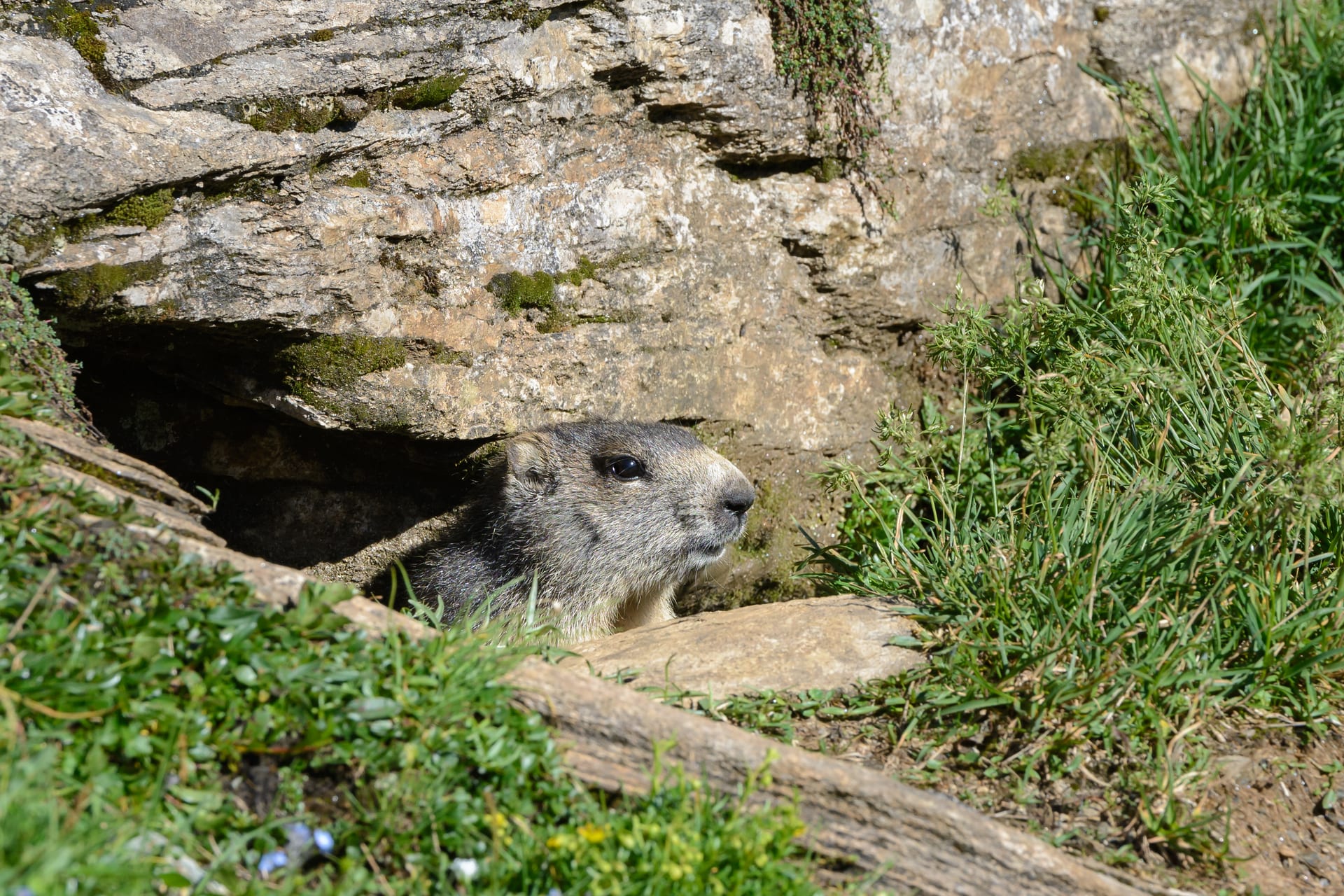
 © Uoaei1 / CC BY-SA 4.0
Alpine Marmot
The Alpine Marmot is a large ground-dwelling squirrel that lives above the tree line in the European Alps. Its stocky body is covered in golden to reddish fur mixed with dark gray, and adults measure about 18 cm in sitting height. Body weight shifts with the seasons, from about 3 kg in spring to about 4.5 kg in autumn. In the wild, marmots live in family groups, with a lookout that raises a shrill alarm call at the first sign of danger. Lifespan in captivity is 15 to 18 years, and the species is aimed at experienced keepers.
View Alpine Marmot encyclopedia →0% commission on your first sales!Register by September 30, 2026 and your first 2 sales are commission-free!
Breeder Wanted!
List on BreederDirect and sell directly to customers nationwide!
6 Transparency Commitments from Br-Choku
Every Small Pets listing from Breeder includes the information below. We guarantee transparency through health checks, vaccinations, microchips, and more.
- Hand-Tamed
- Health Checked
- Vaccinated
- Microchipped
- Real Photos
- Age Specified
Browse all 168 breeds
Care Difficulty
Verified breeders wanted for Small Pets
Breeders are signing up now ahead of launch. Subscribe to be notified when new listings go live.
Getting alerts is free with a member account. When new listings match your saved search, we'll notify you by email and in-app.
Browse other categories
Verified breeders (preview)

Are you raising small pets?
Register as a breeder and connect with buyers directly.
Apply as a breederAlpine Marmot key facts
- Care level
- Advanced
- Lifespan
- 15–18 years in captivity
- Size
- About 18cm tall sitting; about 3kg in spring and 4.5kg in autumn
- Diet
- Herbivore: leaves, flowers and soft stems
- Housing
- It can dig through ground that defeats a pickaxe. Provide a large, sturdy enclosure it cannot dig out of, and a den box.
- Temperature
- A cold-adapted alpine species with little data on heat tolerance; air-condition the room in a Japanese summer. Wild marmots fatten in autumn and hibernate for months. Decide with an exotic-animal vet in advance whether to let a captive animal hibernate, and how to manage temperature and weight if you do.
- Diet
- It prefers leaves and flowers and picks soft stems as it chews little. Base the diet on hay and leafy greens and weigh it through the autumn gain.
- Temperament
- Highly social within its family, grooming each other, but hostile to strangers; females defend territory fiercely. A bite from so large a rodent can be serious.
- Regulations
- As a squirrel it needs a species-name certificate on import, and imports fall under the animal import notification system.
- Notes
- It can live over 15 years and few vets treat it; find one before bringing it home. Never release captive animals into the wild.
About Alpine Marmot
Learn about the Alpine Marmot: about 18 cm in sitting height, a captive lifespan of 15 to 18 years, and an expert-level care rating. Key points to know before bringing one home, plus common questions.
7 things to know before welcoming a Alpine Marmot
1Best for Experienced Keepers
The Alpine Marmot is rated for experienced keepers. Because it is adapted to life in high mountain terrain, care routines used for common small pets may not be enough. Gather information in advance and talk with an experienced breeder or veterinarian before committing.
2A 15 to 18 Year Commitment
Lifespan in captivity is 15 to 18 years, so bringing one home is a long-term responsibility. Think ahead about moves, changes in your household, and who could care for the animal when you are away.
3Weight Changes With the Seasons
Adults measure about 18 cm in sitting height, and body weight moves from about 3 kg in spring to about 4.5 kg in autumn. The autumn gain is generally understood as a natural seasonal change linked to preparing for winter, so track weight across the seasons rather than judging from a single reading. Consult a veterinarian about any change that worries you.
4Watch Out for Heat and Humidity
This is an animal of cool terrain above the tree line, so Japan's hot, humid summers are likely to be a heavy burden. Before bringing one home, secure a well-ventilated spot where temperature can be controlled. Plan for hot-weather emergencies as well, such as a power outage that stops the air conditioning.
5Space and Digging Instincts
Marmots are sturdy, active animals that dig burrows in the wild. Provide roomy space where digging and gnawing can be worked out safely, along with a burrow-like place to hide. Since they may damage furniture and walls, build the enclosure from durable materials.
6A Social, Vocal Personality
In the wild, marmots live in family groups, and a lookout gives a shrill call to warn of danger. Because it may call out when alarmed, consider noise for neighbors, especially in apartment buildings. Daily interaction and an enriching environment help prevent loneliness and boredom.
7Diet and Finding a Vet
In the wild, marmots eat the grasses and flowers of mountain meadows, so plan a diet centered on fibrous plant matter such as wild greens and hay. Adjust the menu to each animal's condition. Locate a veterinarian who can treat exotic animals before you bring one home.
Frequently asked questions about Alpine Marmot
- Q.Can a beginner keep an Alpine Marmot?
- A.The difficulty level is expert, and many aspects are hard for someone keeping a small animal for the first time. Preparation such as temperature control and ample space is needed, so consider it carefully with advice from an experienced breeder or veterinarian.
- Q.How long does an Alpine Marmot live?
- A.In captivity the lifespan is 15 to 18 years. This varies with the individual and the care environment, so plan on a long-term commitment.
- Q.How big do they get?
- A.Adults measure about 18 cm in sitting height. Weight changes with the season, at roughly 3 kg in spring and about 4.5 kg in autumn.
- Q.Do Alpine Marmots hibernate?
- A.Wild Alpine Marmots are known to hibernate through winter. How winter is handled in captivity depends on the environment and the individual, so check with the breeder or an experienced veterinarian before bringing one home.
- Q.Are they loud?
- A.Marmots have a habit of a lookout giving a shrill call to signal danger, and they may call out when alarmed. If you live in an apartment building, it is wise to think about noise for your neighbors.
Useful tools for Alpine Marmot care
Learn more about Alpine Marmot in the encyclopedia
View Alpine Marmot encyclopedia entry →
Care difficulty, lifespan, size and diet — all basics covered.
More in this category
Can't find the one you're looking for?
Post your wishes for free and breeders with matching animals will contact you with introductions.