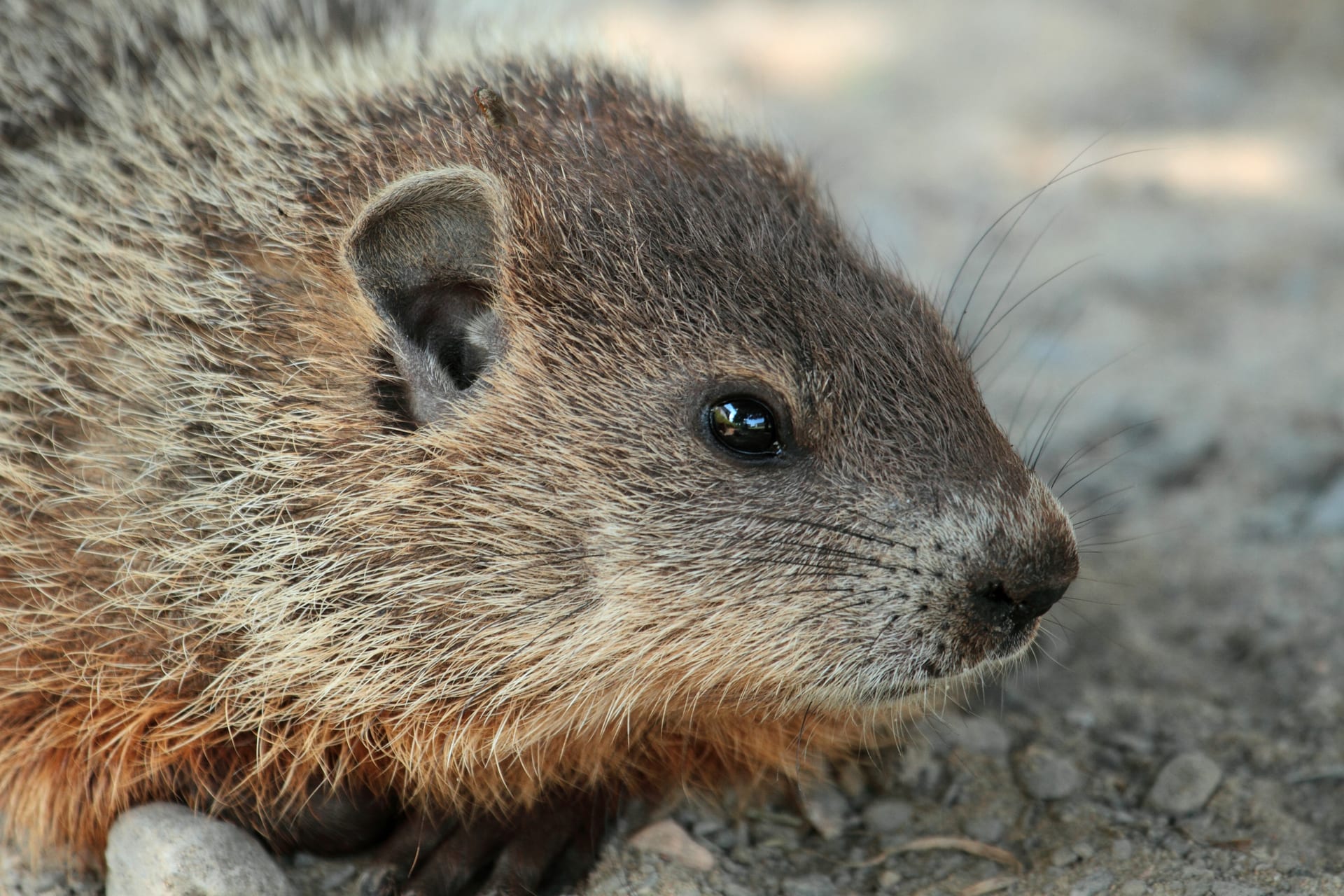
 © Cephas / CC BY-SA 3.0
Woodchuck
The woodchuck, also called the groundhog, is the most widely distributed marmot in North America. It has a stocky body covered in gray to dark brown fur with white-tipped hairs, and it is often seen standing upright on its hind legs. In the wild it lives alone and hibernates for a long period each winter. Adults measure 41.5 to 67.5 cm in total length (tail 10 to 16 cm) and weigh 2 to 6 kg, so they are larger than most small pets and keep strong digging and gnawing instincts. Care is rated for experienced keepers. Lifespan is 4 to 6 years in the wild and up to 10 years in captivity, with a record of 14 years. Take time to judge whether your home and lifestyle truly suit this animal before you bring one home.
View Woodchuck encyclopedia →0% commission on your first sales!Register by September 30, 2026 and your first 2 sales are commission-free!
Breeder Wanted!
List on BreederDirect and sell directly to customers nationwide!
6 Transparency Commitments from Br-Choku
Every Small Pets listing from Breeder includes the information below. We guarantee transparency through health checks, vaccinations, microchips, and more.
- Hand-Tamed
- Health Checked
- Vaccinated
- Microchipped
- Real Photos
- Age Specified
Browse all 168 breeds
Care Difficulty
Verified breeders wanted for Small Pets
Breeders are signing up now ahead of launch. Subscribe to be notified when new listings go live.
Getting alerts is free with a member account. When new listings match your saved search, we'll notify you by email and in-app.
Browse other categories
Verified breeders (preview)
Are you raising small pets?
Register as a breeder and connect with buyers directly.
Apply as a breederWoodchuck key facts
- Care level
- Advanced
- Lifespan
- 4–6 years wild; up to 10 in captivity (record 14)
- Size
- 41.5–67.5cm long (tail 10–16cm); 2–6kg
- Diet
- Mainly herbivorous: alfalfa, clover, dandelion; some insects
- Housing
- Wild animals dig separate summer and winter dens with several exits. It digs powerfully, so give a large, sturdy enclosure it cannot dig out of, and a den box.
- Diet
- Favourites are alfalfa, clover and dandelion. Base the diet on hay and leafy greens and weigh it regularly as it gains in autumn.
- Temperament
- A solitary animal that arches its back and bares its teeth when threatened. Keep singly, and handle with care: a bite from so large a rodent is serious.
- Temperature
- Wild marmots fatten in autumn and hibernate for months. Decide with an exotic-animal vet in advance whether to let a captive animal hibernate, and how to manage temperature and weight if you do.
- Regulations
- As a squirrel it needs a species-name certificate on import, and imports fall under the animal import notification system.
- Notes
- It can live over 10 years and few vets treat it; find one first. Never release captive animals into the wild.
About Woodchuck
The woodchuck is North America's most widely distributed marmot: a stocky, solitary, long-hibernating animal of 2 to 6 kg. Rated for experienced keepers. Learn its traits, care basics and what to know before bringing one home.
7 things to know before welcoming a Woodchuck
1Made for experienced keepers
The woodchuck is rated for experienced keepers. It is large and strong, so it cannot be handled like a typical small pet. It suits people who already have animal-keeping experience and can spare both time and space.
2Big body, real strength
Adults reach 41.5 to 67.5 cm in total length (tail 10 to 16 cm) and 2 to 6 kg in weight. Despite the stocky look, they are strong, so cages and enclosures must be sturdy. Plan your setup around the full adult size.
3Digging and housing
In the wild woodchucks live in burrows they dig themselves, so digging and gnawing are deeply rooted instincts. Provide a place where it can dig, and build an enclosure that resists chewing and escape attempts. Letting one roam freely indoors may damage furniture and walls.
4A solitary temperament
Woodchucks live alone in the wild and are not sociable herd animals. Watch each individual's temperament and respect its personal space instead of forcing contact. It may bite when it feels threatened, so handle it with care.
5Plant-based diet
Woodchucks are herbivores that eat mainly grasses, leaves and vegetables. In the wild they build up fat before hibernation, so watch for overfeeding and obesity in captivity. It is reassuring to plan the diet with an experienced veterinarian or breeder.
6Living with hibernation
In the wild woodchucks hibernate for a long period each winter. Even in captivity, activity and appetite may change with the seasons, and how this plays out can vary with the environment and the individual. Talk to the breeder and to a veterinarian who treats such animals before you bring one home.
7A long-term commitment
Lifespan is 4 to 6 years in the wild and up to 10 years in captivity, with a record of 14 years. Consider whether you can keep caring for it over the long term, including changes in your family and housing. Find a vet who can treat it in advance, and ask the seller about the animal's rearing environment and history.
Frequently asked questions about Woodchuck
- Q.Can a beginner keep a woodchuck?
- A.Its care level is rated for experienced keepers, so it is hard to recommend to first-time pet owners. It is large and has strong digging and gnawing instincts, which means you need suitable facilities and plenty of time. Gaining experience with other small animals first, and talking to a breeder, is a sensible path.
- Q.How big does a woodchuck get?
- A.Adults measure 41.5 to 67.5 cm in total length (tail 10 to 16 cm) and weigh 2 to 6 kg. They have a stocky build and grow larger than most small pets, so plan their housing around the adult size.
- Q.How long does a woodchuck live?
- A.Woodchucks live 4 to 6 years in the wild and up to 10 years in captivity, with a record of 14 years. Because you may be caring for one for a long time, think ahead about how your life could change.
- Q.Do they hibernate? What about in captivity?
- A.Yes, in the wild they hibernate for a long period each winter. How hibernation plays out in captivity may vary with the environment and the individual, so consult the breeder and a veterinarian who treats such animals before bringing one home.
- Q.Can I keep several, or with other pets?
- A.Woodchucks live alone in the wild, so it is safer not to assume several can share one space. Living with other pets also calls for careful judgment, given the woodchuck's digging and gnawing habits and size differences.
Useful tools for Woodchuck care
Learn more about Woodchuck in the encyclopedia
View Woodchuck encyclopedia entry →
Care difficulty, lifespan, size and diet — all basics covered.
More in this category
Can't find the one you're looking for?
Post your wishes for free and breeders with matching animals will contact you with introductions.