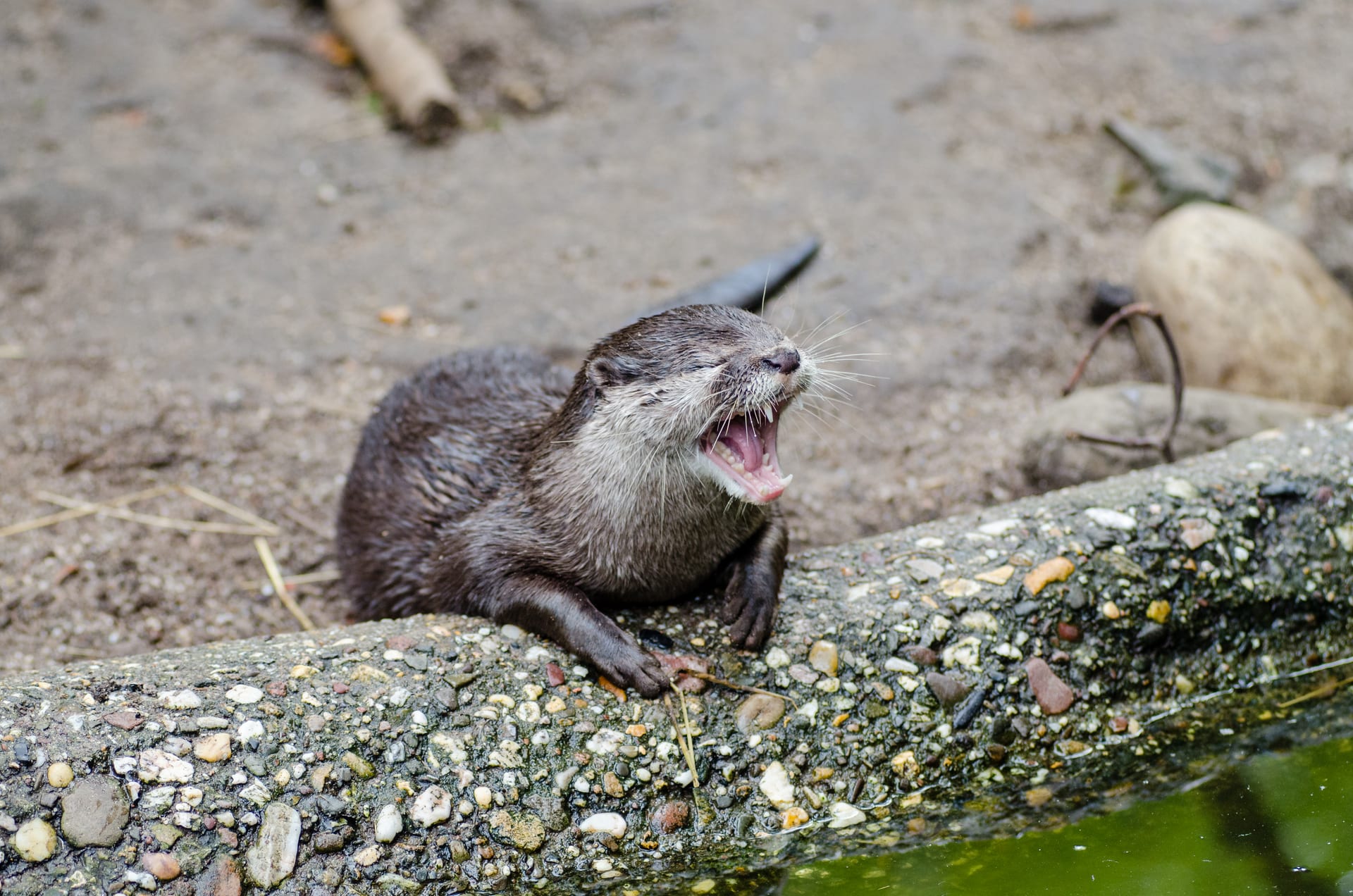
 © Mathias Appel / CC0
Asian Small-clawed Otter
The Asian small-clawed otter is the smallest living otter species, known for using its remarkably dexterous front paws to crack open shellfish and crustaceans. Curious, playful, and affectionate, these otters are highly social animals that live in close family groups in the wild, communicating with each other through a rich variety of vocalizations. While their charming, playful nature has made them popular, keeping one is no small undertaking — they need dedicated water access and ample room to stay active, making them a species best suited to experienced keepers with specialized knowledge. Anyone considering bringing one home should first take time to understand their natural behavior and needs.
View Asian Small-clawed Otter encyclopedia →0% commission on your first sales!Register by September 30, 2026 and your first 2 sales are commission-free!
Breeder Wanted!
List on BreederDirect and sell directly to customers nationwide!
6 Transparency Commitments from Br-Choku
Every Small Pets listing from Breeder includes the information below. We guarantee transparency through health checks, vaccinations, microchips, and more.
- Hand-Tamed
- Health Checked
- Vaccinated
- Microchipped
- Real Photos
- Age Specified
Browse all 145 breeds
Care Difficulty
Verified breeders wanted for Small Pets
Breeders are signing up now ahead of launch. Subscribe to be notified when new listings go live.
Getting alerts is free with a member account. When new listings match your saved search, we'll notify you by email and in-app.
Browse other categories
Verified breeders (preview)
Are you raising small pets?
Register as a breeder and connect with buyers directly.
Apply as a breederAbout Asian Small-clawed Otter
Discover the Asian small-clawed otter's personality, size, and lifespan, along with key things to know and common questions before bringing one home.
7 things to know before welcoming a Asian Small-clawed Otter
1Advanced-Level Care Required
Asian small-clawed otters are active and highly intelligent, requiring specialized knowledge and hands-on experience to care for properly. Their needs differ significantly from common household pets, so understanding their unique biology is essential before committing.
2Dedicated Water Access
In the wild, these otters forage for shellfish and crustaceans in shallow water, so a dedicated pool or water area is essential in captivity. Be prepared for the ongoing work of maintaining water quality and cleanliness.
3Highly Social, Family-Oriented
Asian small-clawed otters naturally live in close-knit family groups. Kept alone, they can become lonely, so many keepers consider housing more than one otter or providing substantial daily interaction.
4Vocal Communication
These otters use a wide range of calls to communicate with each other. Some vocalizations can be quite loud, so noise considerations are worth thinking through, especially in apartment living.
5Shellfish-Based Diet
Their dexterous front paws are built for cracking open shells and crustaceans. A balanced diet takes research and planning, so learn which foods are appropriate before bringing one home.
6Space and Enrichment Needs
Curious and energetic, these otters need ample room to move around plus regular enrichment such as puzzle toys. Insufficient exercise or stimulation can lead to stress-related behavior issues.
7A Long-Term Commitment (~15 Years)
In captivity, Asian small-clawed otters can live around 15 years, so ownership is a genuinely long-term commitment. Their care and environment should be reassessed regularly as they age.
Frequently asked questions about Asian Small-clawed Otter
- Q.Can beginners keep an Asian small-clawed otter?
- A.Asian small-clawed otters are considered an advanced-level pet and aren't recommended for first-time owners. Managing their water needs and social requirements calls for specialized knowledge and hands-on experience.
- Q.How big do they get as adults?
- A.Adults typically reach a head-and-body length of about 41–64 cm, a tail length of 25–35 cm, and a weight of 2.7–5.4 kg. Individual size can vary, so their living space should be adjusted as they grow.
- Q.How long do they typically live?
- A.In captivity, Asian small-clawed otters live around 15 years. That makes long-term planning and age-appropriate health care essential considerations.
- Q.Is it okay to keep just one otter alone?
- A.Because they naturally live in close family groups, a solitary otter can become lonely. Many keepers consider housing more than one or providing plenty of daily interaction instead.
- Q.Is the Asian small-clawed otter listed under CITES?
- A.This species is not subject to CITES. That said, prospective keepers should still prepare based on the care needs outlined above, such as water access and diet.
Useful tools for Asian Small-clawed Otter care
Learn more about Asian Small-clawed Otter in the encyclopedia
View Asian Small-clawed Otter encyclopedia entry →
Care difficulty, lifespan, size and diet — all basics covered.
More in this category
Can't find the one you're looking for?
Post your wishes for free and breeders with matching animals will contact you with introductions.