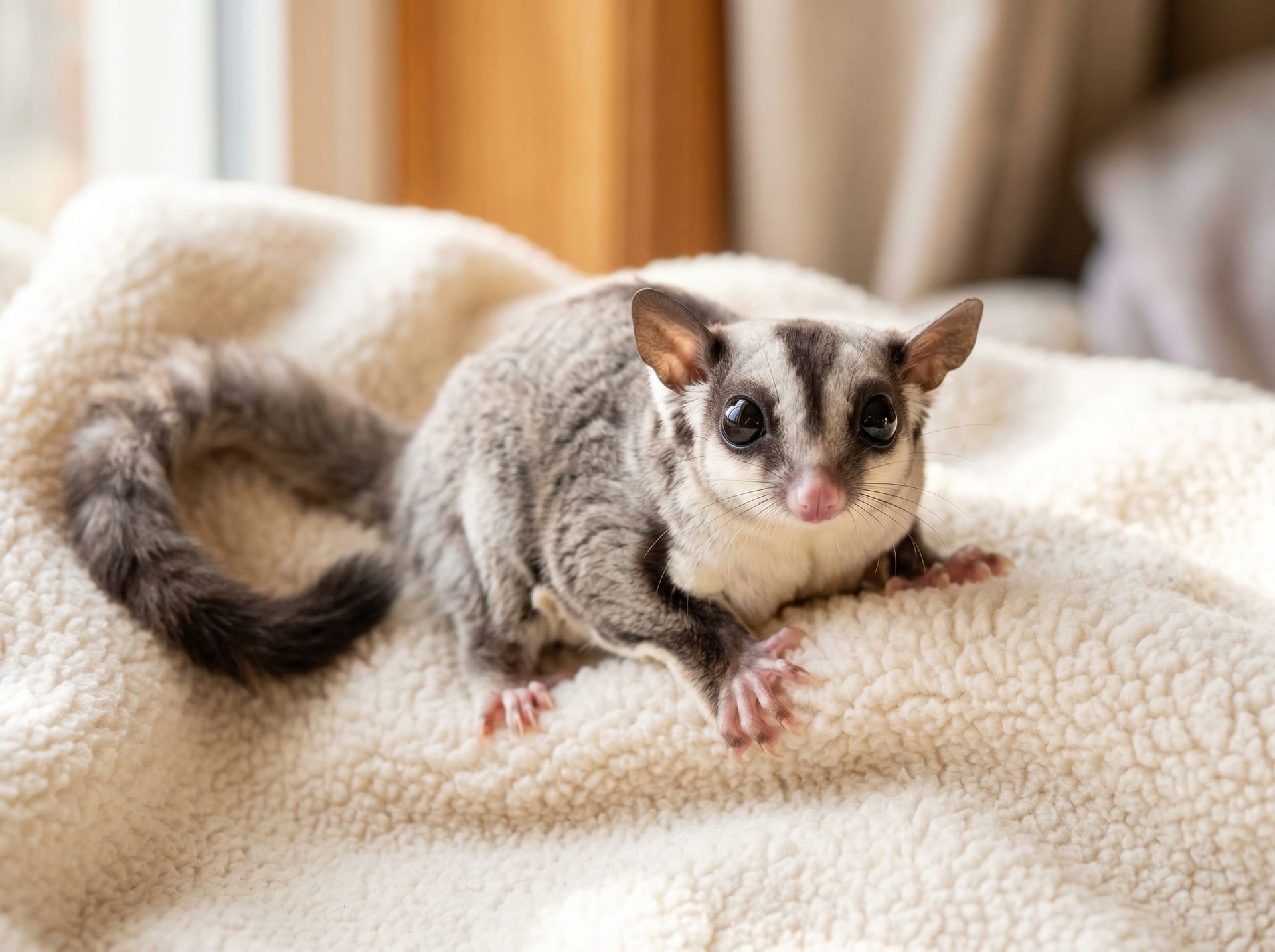
Sugar Glider
Small marsupial that glides using a membrane. Sweet-loving and bonds closely with owners. Nocturnal and highly social.
View Sugar Glider encyclopedia →0% commission on your first sales!Register by September 30, 2026 and your first 2 sales are commission-free!
Breeder Wanted!
List on BreederDirect and sell directly to customers nationwide!
6 Transparency Commitments from Br-Choku
Every Small Pets listing from Breeder includes the information below. We guarantee transparency through health checks, vaccinations, microchips, and more.
- Hand-Tamed
- Health Checked
- Vaccinated
- Microchipped
- Real Photos
- Age Specified
Browse all 28 breeds
Care Difficulty
Verified breeders wanted for Small Pets
Breeders are signing up now ahead of launch. Subscribe to be notified when new listings go live.
Getting alerts is free with a member account. When new listings match your saved search, we'll notify you by email and in-app.
Browse other categories
Verified breeders (preview)
Are you raising small pets?
Register as a breeder and connect with buyers directly.
Apply as a breederSugar Glider key facts
- Care level
- Intermediate
- Lifespan
- 12-15 years
- Size
- 16-21cm (30cm with tail) / 100-160g
- Diet
- Specialized diet, fruits, insects, nectar
- Diet
- Balanced diet of specialized food, fruits, and insects is critical
- Sociality
- Highly social. Solo housing causes stress — pair housing recommended
- Cage
- Tall large cage. Provide enough space for gliding
- Notes
- Nocturnal and active at night. Can be vocal. Nail trimming needed
About Sugar Glider
The sugar glider (Petaurus breviceps) is a small marsupial native to the forests of eastern Australia, Indonesia, and Papua New Guinea. It takes its name from its love of sweet foods and its ability to glide using a thin membrane—called the patagium—that stretches from wrist to ankle on each side. Adults typically weigh between 90 and 150 grams, with large round eyes, prominent ears, and a coat of grey-brown fur marked by a distinct black dorsal stripe. The pale underside provides camouflage against tree bark in the wild. In temperament, sugar gliders are inquisitive and playful; a well-bonded individual recognizes its owner as part of its colony and will sleep contentedly in a pocket or bonding pouch. Their strong social nature means they thrive best in pairs or small groups. For owners willing to invest time in patient, consistent bonding, the reward is a remarkably interactive companion—one that glides to your outstretched hand and curls up against you with complete trust.
Featured breeders for Sugar Glider
See all Sugar Glider breeders (1) →7 things to know before welcoming a Sugar Glider
1Nocturnal Lifestyle
Sugar gliders are nocturnal and most active at night. Disturbing them during the day can cause significant stress, as they spend daylight hours sleeping in a dark, quiet spot. Plan feeding and bonding sessions for evening hours to match their natural rhythm.
2Need for Vertical Space
Sugar gliders need tall enclosures — at least 90 cm in height — to climb and practice gliding. Furnish the cage with branches, ropes, and hanging pouches to create a stimulating three-dimensional environment. Cramped housing leads to stress and inadequate exercise.
3Temperature Sensitivity
Sugar gliders thrive at around 24–27°C and are vulnerable to hypothermia in cooler temperatures. A stable heat source is especially important in winter. Avoid placing the enclosure near drafts or areas with sudden temperature swings.
4Social Needs
In the wild, sugar gliders live in social groups, and solitary individuals can develop stress-related behaviors including self-mutilation. Keeping two or more together is recommended when possible. Single-glider owners should commit to extensive daily handling and bonding time.
5Diet Variety and Caution
Sugar gliders are omnivores that eat insects, fruit, nectar, and pollen in the wild. In captivity, a balanced diet combining quality commercial glider food, fresh fruit, and insects is essential. An imbalanced calcium-to-phosphorus ratio can lead to metabolic bone disease, so nutritional variety matters.
6Vocalizations
Sugar gliders communicate through a range of vocalizations, including a sharp "crabbing" sound when alarmed and softer chirps when content. Learning to read these sounds helps owners understand their glider's mood and needs. Note that nighttime calls can be loud, which may require consideration in apartment settings.
7Costs and Exotic Vets
Initial setup costs including a cage and supplies typically run several tens of thousands of yen. Ongoing expenses include food and bedding. Veterinary care is a key consideration — not all clinics treat sugar gliders, so locating an exotic animal specialist before bringing one home is strongly advised. Routine checkups are recommended.
Frequently asked questions about Sugar Glider
- Q.Can I keep a sugar glider if I live alone?
- A.Yes, but sugar gliders are highly social and need several hours of interaction each day. If your schedule is demanding, keeping a bonded pair helps prevent loneliness-related stress.
- Q.Do sugar gliders bite, and does it hurt?
- A.Gliders can and do bite when frightened or untamed. Their teeth are small but sharp, and bites can draw blood. Proper bonding training greatly reduces this behavior over time.
- Q.How long do sugar gliders live?
- A.With proper care, sugar gliders can live 10 to 15 years in captivity. Their long lifespan means adopting one is a significant long-term commitment that should be carefully considered.
- Q.Do sugar gliders have a strong odor?
- A.Intact males have scent glands on the forehead, chest, and cloaca that produce a musky odor. Neutering significantly reduces this. Regular cage cleaning also helps keep odors manageable.
- Q.Can sugar gliders live with other pets?
- A.Housing sugar gliders with dogs, cats, or ferrets poses serious risks due to predatory instincts. Even without direct contact, the presence of a predator causes chronic stress. Keep them in separate rooms or in a fully secured space away from other animals.
Useful tools for Sugar Glider care
Learn more about Sugar Glider in the encyclopedia
View Sugar Glider encyclopedia entry →
Care difficulty, lifespan, size and diet — all basics covered.
Sugar Glider related articles
Complete Guide to Sugar Glider Care: How to Tame Them and Essential Feeding Tips
A beginner-friendly guide to sugar glider care. We explain the steps to bonding, nutritionally balanced feeding, and setting up appropriate cage environments in detail.
Ferrets and Sugar Gliders Beginner's Guide | Care, Personality, and Costs Explained
A comparative guide to raising ferrets and sugar gliders, which are growing in popularity. Learn about their personality differences, required care environments, monthly costs, and important points to know before bringing them home.
More in this category
Can't find the one you're looking for?
Post your wishes for free and breeders with matching animals will contact you with introductions.