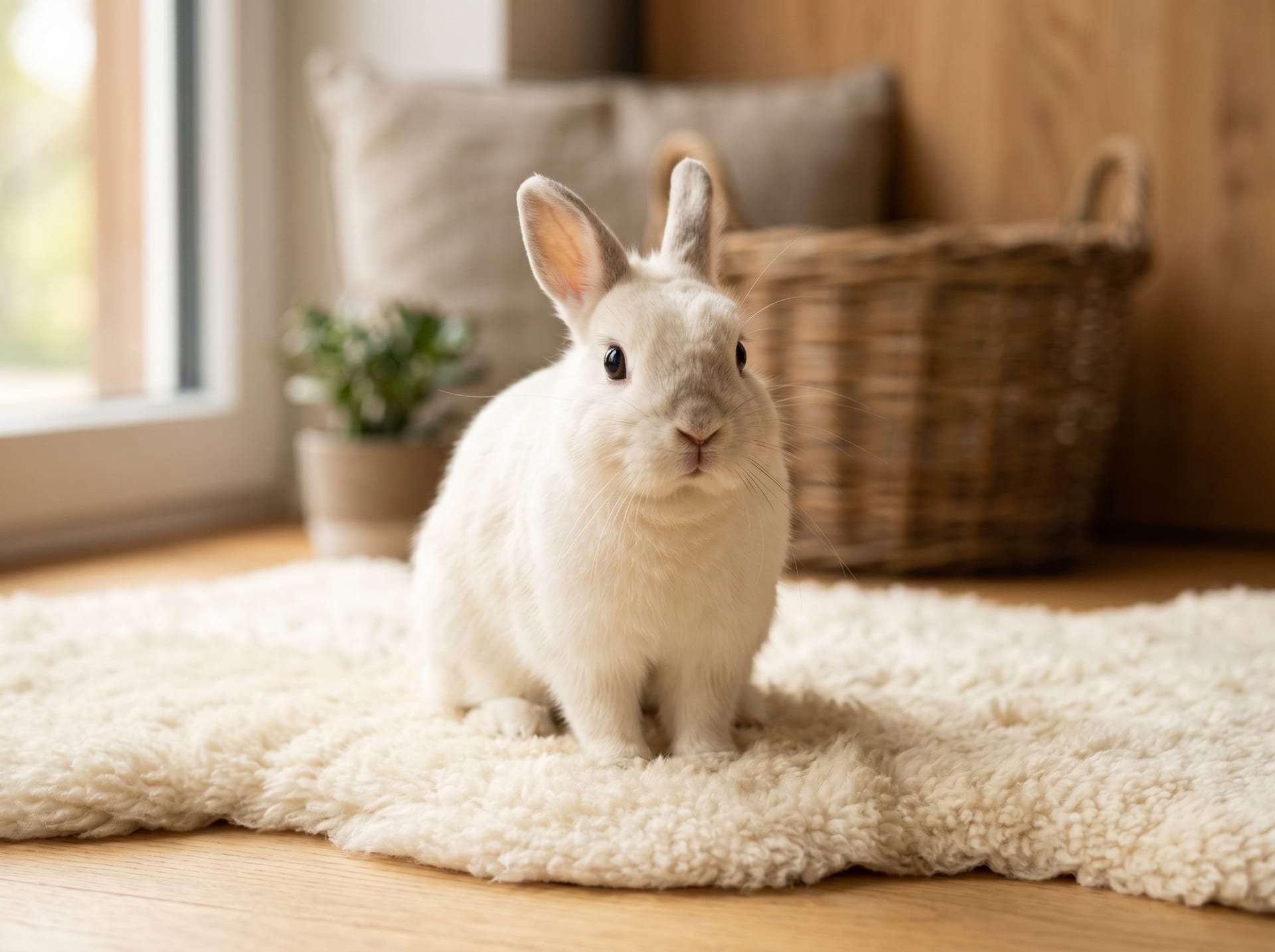
Rabbits are gentle, curious animals that adapt well to quiet living spaces, and buying directly from a breeder lets you confirm health and temperament from the start. Many rabbits prefer companionship over being held, and a deep bond develops gradually through patient, consistent interaction. Breeds vary widely in size, coat type, and personality, so choosing one that fits your lifestyle is the key to a long, happy relationship.
First 3 sales - 0% commission!Register as a breeder by July 31, 2026 and your first 3 sales are commission-free!
Breeder Wanted!
List on BreederDirect and sell directly to customers nationwide!
Every Small Pets listing from Breeder includes the information below. We guarantee transparency through health checks, vaccinations, microchips, and more.
Breeders are signing up now ahead of launch. Subscribe to be notified when new listings go live.
Getting alerts is free with a member account. When new listings match your saved search, we'll notify you by email and in-app.
Are you raising small pets?
Register as a breeder and connect with buyers directly.
Price
Region
Attributes
The domestic rabbit descends from the European wild rabbit and was first domesticated by ancient Romans for food and fur. Rabbits arrived in Japan during the Edo period and became popular pets from the Meiji era onward. Today a wide variety of breeds exist — from the tiny Netherland Dwarf and lop-eared Holland Lop to larger breeds exceeding 6 kg — with coat types ranging from short and smooth to long and flowing. Temperament varies considerably between breeds and individuals: some are lively and playful while others are calm and content to sit quietly beside their owner. Their near-silent nature and relatively compact housing needs make them a popular choice for apartment dwellers. With an average lifespan of 7 to 10 years, rabbits offer the reward of a long-lasting bond built through consistent, gentle daily care.
1Cage Size and Safety
Rabbits need several hours of exercise daily, so choose the largest cage you can accommodate. Use flooring materials like slatted mats or hay mats to reduce pressure on their feet and help prevent sore hocks. Because rabbits chew on almost everything, keep electrical cords and toxic plants well out of reach outside the cage.
2Hay-Centered Diet
The cornerstone of a rabbit's diet is grass hay such as timothy, which should be available 24/7 to keep their digestive system healthy. Pellets should be given in measured portions suited to the rabbit's weight once or twice a day; overfeeding leads to obesity and gut problems. Vegetables and fruit are fine as occasional treats, but starchy or sugary foods should be kept to a minimum.
3Grooming and Coat Care
Rabbits groom themselves, but during shedding seasons in spring and autumn they swallow more fur, raising the risk of hairballs (GI stasis). Brushing two to three times a week removes loose fur, and a constant supply of hay helps keep their digestive tract moving. Lop-eared and long-haired breeds such as Angoras need extra attention to ear canals and coat tangles.
4Regular Health Checks
Rabbits tend to hide signs of illness, so building a daily habit of checking their appetite, droppings, and behavior is essential for early detection. Their teeth grow continuously, making regular veterinary checks for dental malocclusion important. Before bringing a rabbit home, locate a local clinic experienced with exotic animals, as not all vets treat rabbits.
5Socialization and Bonding
Rabbits are naturally solitary but can form strong bonds with their owners and will approach you on their own terms once trust is established. Forcing them to be held causes stress and risks bone injuries, so begin interactions at floor level and let the rabbit set the pace. Learning their body language—such as thumping and teeth grinding—makes it much easier to understand how they are feeling.
6Costs to Expect
The purchase price of a rabbit varies by breed and lineage, but budget roughly 10,000 to 30,000 yen for initial supplies such as a cage, water bottle, pellet dish, and litter tray. Monthly hay and pellet costs run around 3,000 to 5,000 yen, and when you factor in nail trims and routine vet visits the annual total can reach around 100,000 yen. Pet insurance is worth considering to cover unexpected illness or surgery costs.
Foxface Rabbitfish Care Guide | Tank, Food, Tank Mates, and Venomous Spine Precautions
A comprehensive guide to caring for Foxface Rabbitfish (Siganus vulpinus). We cover the distinctive fox-like face, yellow and black coloration, handling venomous spines, the benefits of their algae and detritus consumption, impact on live rock, and how to select compatible tank mates.
The Complete Guide to Rabbit Hay: A Thorough Comparison of Timothy, Alfalfa, and Orchard Grass
We explain the types of hay that serve as rabbits' main food and their nutritional characteristics, along with key points on how to select and feed appropriate amounts based on age and health status.
Californian Rabbit Care Beginner's Guide | Cage, Diet, and Coat Care
Covering the Californian's distinctive body shape, white coat, and hearty appetite, this guide explains essential points beginners should know about cage selection, timothy hay choices, weight management, and coat care during shedding season. We also introduce four common pitfalls to avoid.
Complete Breeding Guide for Californian Rabbits | Raising Young Rabbits, Maintaining Breed Characteristics and Management
A comprehensive guide to Californian rabbit breeding methods. A practical resource for breeders covering breeding age, pregnancy management, nursing and weaning of young rabbits, and selection methods for maintaining color point characteristics.
Complete Rabbit Breed Comparison Guide | From Netherland Dwarf to Flemish Giant: Characteristics and Selection Guide for 30+ Breeds
A comprehensive comparison of 30+ rabbit breeds from popular to rare, analyzing body size, coat quality, temperament, and care difficulty. A definitive guide that fully supports rabbit selection from beginner-friendly to advanced breeds, matching your lifestyle.