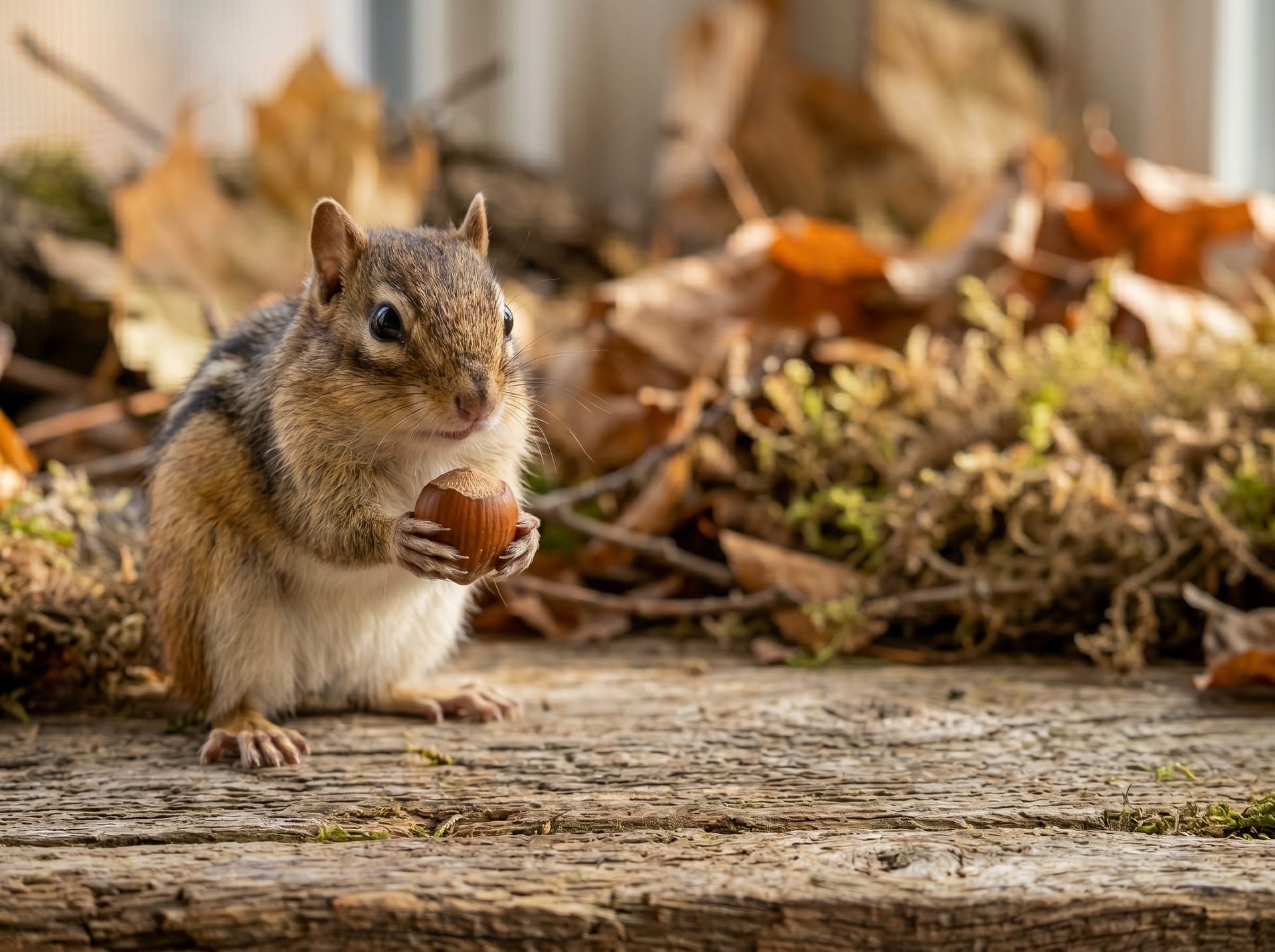
Chipmunk
Small striped squirrel with beautiful back markings. Active and fast-moving, entertaining to watch. May become aggressive in autumn/winter.
View Chipmunk encyclopedia →0% commission on your first sales!Register by September 30, 2026 and your first 2 sales are commission-free!
Breeder Wanted!
List on BreederDirect and sell directly to customers nationwide!
6 Transparency Commitments from Br-Choku
Every Small Pets listing from Breeder includes the information below. We guarantee transparency through health checks, vaccinations, microchips, and more.
- Hand-Tamed
- Health Checked
- Vaccinated
- Microchipped
- Real Photos
- Age Specified
Browse all 78 breeds
Care Difficulty
Verified breeders wanted for Small Pets
Breeders are signing up now ahead of launch. Subscribe to be notified when new listings go live.
Getting alerts is free with a member account. When new listings match your saved search, we'll notify you by email and in-app.
Browse other categories
Verified breeders (preview)
Are you raising small pets?
Register as a breeder and connect with buyers directly.
Apply as a breederChipmunk key facts
- Care level
- Advanced
- Lifespan
- 6-10 years
- Size
- 12-15cm (25cm with tail) / 80-120g
- Diet
- Squirrel pellets, seeds, nuts, fruits, insects
- Cage
- Tall large cage with many climbing branches
- Seasonal
- Watch for aggressive 'tiger' behavior in autumn/winter
- Diet
- Omnivore. Loves walnuts and sunflower seeds but limit amounts
- Notes
- Master escapers. Check every gap. Strong bite force
About Chipmunk
The Siberian chipmunk, native to the forests of Eurasia, is the species most commonly kept as a pet in Japan. Its defining feature is the five bold black-and-white stripes running down its back. Compact in size — roughly 12–15 cm in body length and 70–120 g in weight — it naturally lives near forest floors, caching nuts and seeds in its cheek pouches to store in underground burrows. In personality, chipmunks are alert, quick-moving, and genuinely curious. With patient, consistent handling, some individuals will accept hand-feeding or brief perching on a hand, though they tend to be easily startled. The most important aspect of chipmunk care is adapting to their seasonal rhythms: they retain a strong hibernation instinct, and from autumn onward may become more irritable, hoard food intensively, and gradually reduce activity. With proper care, they can live 6 to 10 years. Watching their daily behaviors — darting across branches, stuffing cheeks with food, nesting — offers a quiet but endlessly engaging form of companionship.
7 things to know before welcoming a Chipmunk
1Prepare for Hibernation
As autumn arrives, chipmunks begin preparing for hibernation — eating more and gathering nesting material. Even in captivity some individuals enter a semi-hibernation state, so maintaining stable room temperature and providing ample bedding and food stores is essential. Never forcibly wake a hibernating chipmunk; keep its space quiet and undisturbed.
2Temperament Shifts in Autumn
During the pre-hibernation period (roughly September through December), many chipmunks become instinctively nervous or aggressive and may bite even when previously tame. This is a seasonal instinct, not illness. Avoid handling more than necessary during this time and minimize sources of stress.
3Spacious, Vertical Cage Required
Chipmunks are highly active climbers, so a tall cage (at least 60 cm high) is a must. Combine an exercise wheel, perches, and a nest box to create a three-dimensional environment. Free-roaming outside the cage carries significant risks of escape and accidents, so take precautions when doing so.
4Monitor the Cheek Pouches
Chipmunks habitually pack food into their cheek pouches, which can lead to inflammation if spoiled food becomes lodged inside. Make it a daily habit to remove uneaten food and check that both cheek pouches appear symmetrical. Persistent one-sided swelling warrants a visit to an exotic-animal veterinarian.
5Best Kept Alone
Chipmunks are naturally solitary animals with a strong territorial instinct; housing them together often results in serious fighting. Multi-chipmunk setups are generally not recommended outside of intentional breeding. A single chipmunk in a well-enriched enclosure will thrive without companionship.
6Diet Balance Matters
A quality chipmunk or squirrel pellet should form the dietary foundation. High-fat treats like sunflower seeds should be offered only in small amounts to prevent obesity. Supplement with small portions of vegetables, fruits, and nuts for nutritional variety. Early exposure to diverse foods helps prevent picky eating habits later on.
7Find an Exotic-Animal Vet First
Veterinary clinics experienced with chipmunks are far less common than those treating dogs and cats. Research exotic-animal-friendly clinics in your area before bringing a chipmunk home. Establishing a relationship with a vet through an annual check-up also means you'll be prepared if an unexpected health issue arises.
Frequently asked questions about Chipmunk
- Q.Can I handle my chipmunk every day?
- A.It varies greatly by individual — some tame chipmunks enjoy brief daily interaction, but handling should be minimized around the hibernation season when temperament becomes unpredictable. Approaching them primarily as animals to observe, rather than cuddle, tends to lead to a healthier long-term relationship.
- Q.Should I let my chipmunk hibernate?
- A.Both approaches are viable. Keeping the room above 15°C generally prevents full hibernation. If you allow semi-hibernation naturally, avoid sudden temperature changes and unnecessary disturbances. Many beginners find it easier to manage the environment to prevent hibernation altogether.
- Q.Do chipmunks bite often?
- A.Biting can occur, especially before the animal is tamed or during the hibernation season. Chipmunk teeth are sharp enough to draw blood, so it's important to build trust gradually and never rush handling. Letting the chipmunk set the pace for interaction significantly reduces the risk of bites.
- Q.How long do chipmunks live?
- A.With proper care, chipmunks typically live around 6 to 10 years in captivity — considerably longer than in the wild, where predators and environmental stress shorten their lifespan. Diet, temperature management, and minimizing stress are the key factors in supporting a long, healthy life.
- Q.What cage size does a chipmunk need?
- A.Aim for a cage at least 60 cm wide and 80 cm tall. Since chipmunks are natural climbers, vertical space is more important than floor area. Set up a three-dimensional layout with branches, a running wheel, and a nest box to allow natural movement and mental stimulation.
Useful tools for Chipmunk care
Learn more about Chipmunk in the encyclopedia
View Chipmunk encyclopedia entry →
Care difficulty, lifespan, size and diet — all basics covered.
More in this category
Can't find the one you're looking for?
Post your wishes for free and breeders with matching animals will contact you with introductions.