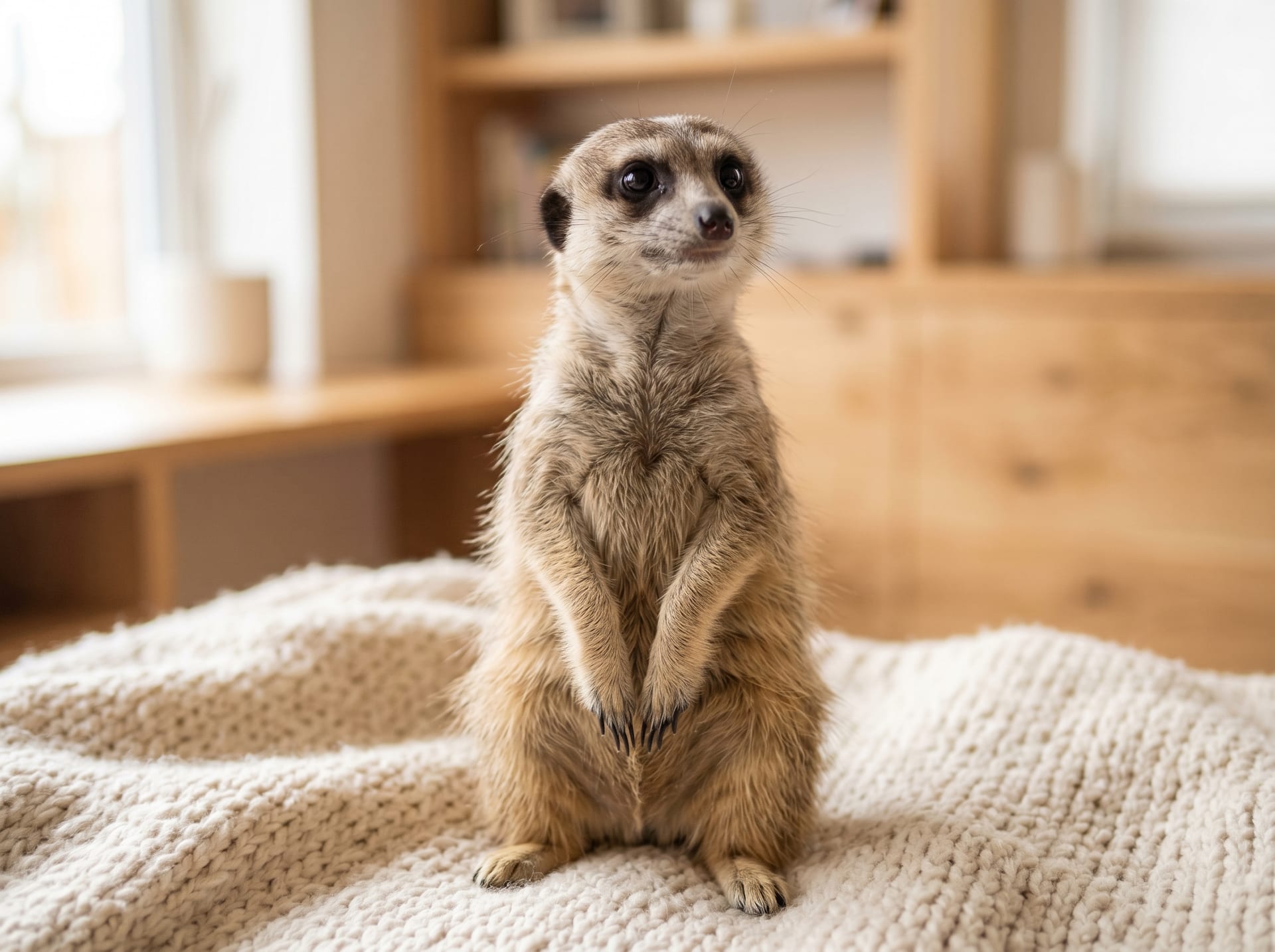
Meerkat
Highly social mongoose from southern Africa. Known for their upright sentinel posture. Live in groups, so keeping multiples is recommended.
View Meerkat encyclopedia →0% commission on your first sales!Register by September 30, 2026 and your first 2 sales are commission-free!
Breeder Wanted!
List on BreederDirect and sell directly to customers nationwide!
6 Transparency Commitments from Br-Choku
Every Small Pets listing from Breeder includes the information below. We guarantee transparency through health checks, vaccinations, microchips, and more.
- Hand-Tamed
- Health Checked
- Vaccinated
- Microchipped
- Real Photos
- Age Specified
Browse all 28 breeds
Care Difficulty
Verified breeders wanted for Small Pets
Breeders are signing up now ahead of launch. Subscribe to be notified when new listings go live.
Getting alerts is free with a member account. When new listings match your saved search, we'll notify you by email and in-app.
Browse other categories
Verified breeders (preview)
Are you raising small pets?
Register as a breeder and connect with buyers directly.
Apply as a breederMeerkat key facts
- Care level
- Advanced
- Lifespan
- 12-14 years
- Size
- 25-35cm / 620-970g
- Diet
- Insects, raw meat, eggs, small amounts of vegetables and fruits
- Socialization
- Highly social. Solitary keeping causes extreme stress, always keep multiples
- Housing
- Need digging area and sunbathing spot. Escape prevention is critical
- Diet
- Primarily carnivorous omnivore. Balance insects, meat, and eggs
- Regulations
- Classified as specified animals in some areas. Permits required
About Meerkat
The meerkat is a small mammal of the mongoose family native to the arid regions of southern Africa, including the Kalahari and Namib deserts. Adults typically measure 25–35 cm in body length and weigh between 620 and 970 grams. Their sandy-brown coats bear distinctive darker stripes along the back, and the dark patches around their eyes are thought to function like sunglasses, reducing glare from the intense desert sun. Most iconic is their upright sentry posture — meerkats stand on their hind legs to scan for predators, with group members taking turns as lookouts, reflecting a sophisticated social structure. They are intelligent and curious animals that can grow comfortable with patient, consistent handling, though they remain wild animals at heart. The appeal of keeping meerkats lies not only in their expressive faces and charming behaviors, but also in the rare opportunity to observe complex social dynamics up close.
7 things to know before welcoming a Meerkat
1Group Housing Is Essential
Meerkats are highly social animals that live in groups of 10 to 30 in the wild. Keeping a single meerkat often leads to chronic stress and behavioral problems, so housing at least two together is strongly recommended. Ensure your setup can accommodate a small group before bringing one home.
2Large Enclosures Required
Meerkats are active diggers and runners that need spacious, multi-level enclosures or outdoor aviaries. Their strong burrowing instinct means deep substrate or a dedicated digging area is important. At a minimum, ensure enough room for your group to run, climb, and explore freely.
3UV Light and Warmth Are Critical
As desert animals, meerkats prefer warm conditions and can become ill when temperatures drop below about 20°C (68°F). They synthesize vitamin D through sunbathing, making UVB lighting essential in captivity. Reliable heating is a must during cooler months to maintain their health.
4Diet Needs Variety
In the wild, meerkats eat a varied diet of insects, scorpions, small reptiles, and eggs. In captivity, feeder insects such as crickets and mealworms form the staple, supplemented with boiled egg and small animal formulas. A monotonous diet risks vitamin deficiencies and metabolic bone disease, so dietary variety is essential.
5Biting Behavior Is Common
Meerkats are curious but can bite hard when frightened or overstimulated. Early and consistent handling helps with socialization, but fully taming a meerkat is challenging and bite risk remains. Extra caution is needed during breeding season or when their territorial instincts are heightened.
6Find an Exotic Vet First
Veterinarians experienced with meerkats are rare, so finding an exotic animal specialist before you bring one home is essential. Routine checkups and vaccinations — including canine distemper — are recommended. Having a trusted vet lined up in advance means you are prepared for emergencies.
7Check Legal Status and Source
Meerkats are not designated as specified dangerous animals in Japan, but local regulations may vary by municipality. When acquiring one, always verify that the animal comes with proper CITES-compliant import documentation. Source only from reputable breeders or specialist dealers who can provide clear health records.
Frequently asked questions about Meerkat
- Q.Do meerkats bond with their owners?
- A.With consistent, patient interaction from a young age, meerkats can become comfortable with their caregivers and tolerate handling. However, they retain wild instincts and are unlikely to be as docile as dogs or cats. Individual temperament varies considerably, so building trust gradually is key.
- Q.Can meerkats be kept alone?
- A.While technically possible, solitary housing can cause significant stress since meerkats are inherently social animals. Behavioral problems and health issues can arise as a result. Keeping two or more together is strongly recommended whenever possible.
- Q.What is the lifespan of a meerkat?
- A.In captivity, meerkats commonly live 12–14 years, with some individuals exceeding that with proper care. Wild meerkats face predation and disease, so captive lifespans tend to be longer. Prospective owners should be prepared for a long-term commitment.
- Q.How much does it cost to keep a meerkat?
- A.Purchase prices often run into the hundreds of thousands of yen, and initial setup costs include large enclosures and heating equipment. Ongoing expenses — feeder insects, utilities, and veterinary care — tend to be higher than for typical small pets. Carefully budget all costs before committing.
- Q.Do meerkats have a strong odor?
- A.Meerkats produce a distinctive musky odor through scent-marking with their anal glands. Regular cleaning and ventilation can reduce the smell, but eliminating it entirely is not realistic. Those sensitive to odors or living in apartments should factor this in carefully.
Useful tools for Meerkat care
Learn more about Meerkat in the encyclopedia
View Meerkat encyclopedia entry →
Care difficulty, lifespan, size and diet — all basics covered.
More in this category
Can't find the one you're looking for?
Post your wishes for free and breeders with matching animals will contact you with introductions.