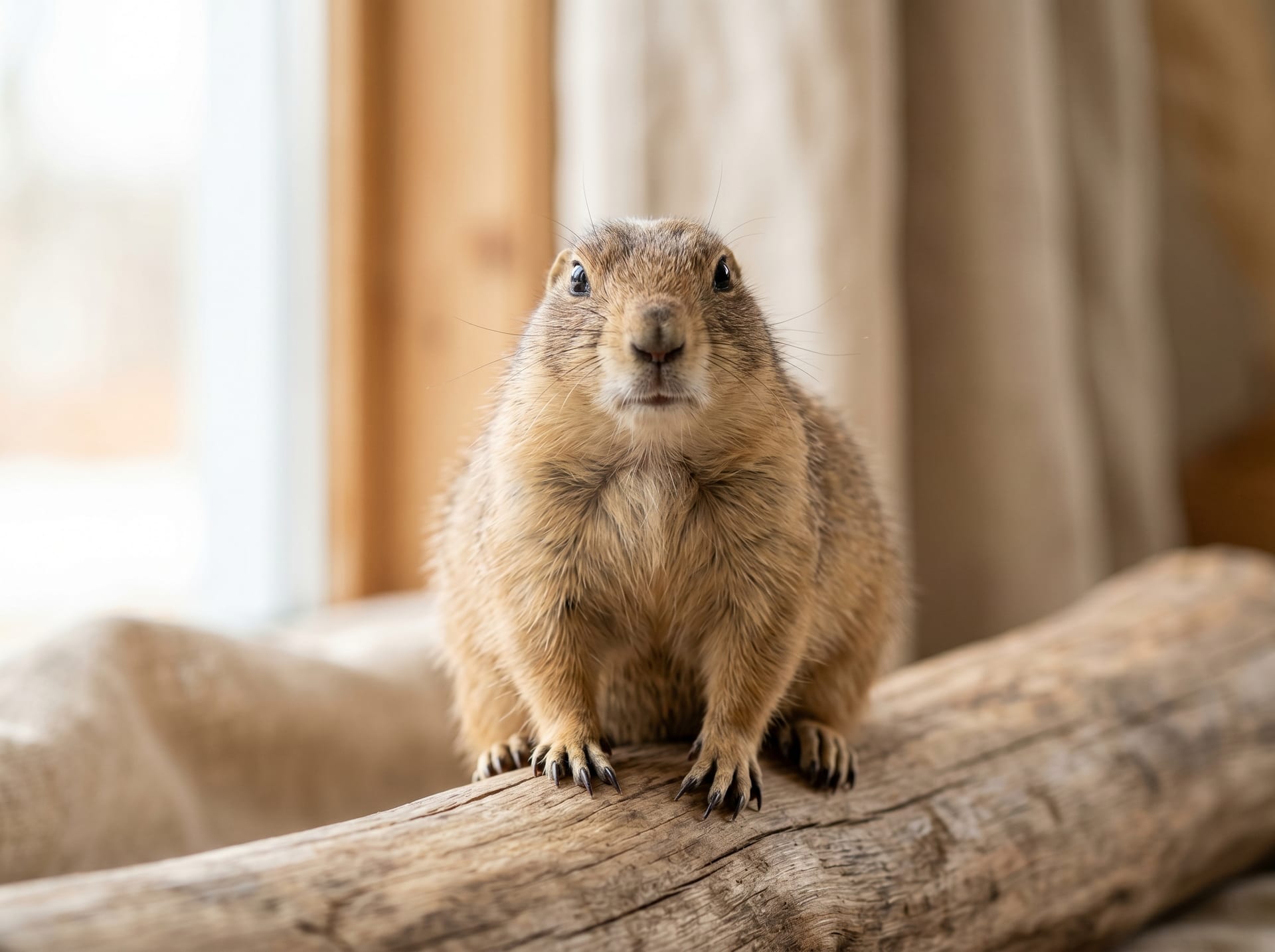
Prairie Dog
Grassland-dwelling ground squirrel from North America. Highly social with complex vocalizations and dog-like affection toward owners.
View Prairie Dog encyclopedia →0% commission on your first sales!Register by September 30, 2026 and your first 2 sales are commission-free!
Breeder Wanted!
List on BreederDirect and sell directly to customers nationwide!
6 Transparency Commitments from Br-Choku
Every Small Pets listing from Breeder includes the information below. We guarantee transparency through health checks, vaccinations, microchips, and more.
- Hand-Tamed
- Health Checked
- Vaccinated
- Microchipped
- Real Photos
- Age Specified
Browse all 28 breeds
Care Difficulty
Verified breeders wanted for Small Pets
Breeders are signing up now ahead of launch. Subscribe to be notified when new listings go live.
Getting alerts is free with a member account. When new listings match your saved search, we'll notify you by email and in-app.
Browse other categories
Verified breeders (preview)
Are you raising small pets?
Register as a breeder and connect with buyers directly.
Apply as a breederPrairie Dog key facts
- Care level
- Advanced
- Lifespan
- 8-12 years
- Size
- 30-40cm / 0.7-1.5kg
- Diet
- Timothy hay (staple), prairie dog pellets, vegetables
- Environment
- Large cage with soil for digging. Underground-style housing popular
- Sociality
- Extremely social and bonds deeply with owners. Loves physical contact
- Diet
- Herbivore. Timothy hay staple, pellets as supplement. Minimal fruit
- Notes
- May become aggressive during breeding season. Check local regulations
About Prairie Dog
Prairie dogs are burrowing rodents of the squirrel family, native to the open grasslands of North America. Their name comes from their bark-like warning calls, which resemble a dog's voice. In the wild, they form highly organized colonies called "towns," sometimes housing hundreds of individuals, and display sophisticated social behaviors including sentry duty and alarm signaling. Domesticated prairie dogs typically measure around 30–35 cm in length and weigh between 0.5 and 1.5 kg, with a stocky build, short tail, and rounded, expressive face. Coat color is generally tan to yellowish-brown, though selectively bred variants including albino and lighter morphs are also available. As pets, their greatest appeal lies in their outgoing personalities — once bonded, they actively seek out human contact, vocalize to communicate, and often display affectionate behaviors reminiscent of dogs. They are naturally curious and playful, though early socialization and consistent handling from a young age are key to building a trusting, rewarding relationship.
7 things to know before welcoming a Prairie Dog
1Highly Social Nature
Prairie dogs naturally live in large colonies and can suffer from loneliness if left alone too long. Daily hands-on interaction is essential for single-pet households. Keeping two or more together is worth considering to meet their social needs.
2Spacious Cage Required
They are active animals that need a large cage with ample vertical and horizontal space. Since they have a natural instinct to burrow, providing deep substrate or a dig box helps satisfy this behavior. Daily out-of-cage exercise time is also important.
3Hay as the Main Diet
Timothy grass and other grassy hays should form the core of their diet, supplemented with small amounts of vegetables and species-appropriate pellets. Seeds and sweet fruits can contribute to obesity and dental problems, so offer them sparingly. Fresh water should always be available.
4Watch for Pseudo-Hibernation
When temperatures drop, prairie dogs may enter a semi-hibernation state and become very sluggish. Keeping room temperature between 18–26°C can prevent this. If your pet suddenly becomes unresponsive, hypothermia is possible and veterinary advice should be sought promptly.
5Exotic Vet Availability
Veterinarians experienced with prairie dogs are still relatively limited, so finding an exotic animal specialist before an emergency arises is essential. Regular check-ups should include dental exams, as overgrown teeth are a common concern in this species.
6Trust Takes Time
Newly acquired prairie dogs can be defensive and may nip during the adjustment period. Avoid forcing contact — start by talking softly and offering treats by hand, gradually closing the distance. Once trust is established, they often become remarkably affectionate and seek out their owner's company.
7Legal Status and Sourcing
Keeping prairie dogs is permitted in Japan, but their import history has been subject to restrictions, so verifying the credibility of breeders and sellers is important. Choosing animals from reputable sources with documented health management also reduces disease-related risks.
Frequently asked questions about Prairie Dog
- Q.Can prairie dogs be kept by someone living alone?
- A.Yes, they can be kept by someone living alone, but daily interaction is very important given their social nature. If you are frequently away for long periods, consider keeping two prairie dogs together for companionship.
- Q.Do they have a strong odor or make a lot of noise?
- A.Body odor is relatively mild, though keeping the cage clean is essential. They are quite vocal and will call out when excited or alarmed. Many people keep them in apartments, but being mindful of neighbors is advisable.
- Q.What is their typical lifespan?
- A.With proper care, prairie dogs commonly live 8 to 10 years, which is relatively long for a small animal. Regular veterinary check-ups and a well-managed diet are key factors in supporting a long, healthy life.
- Q.Can they be kept alongside other pets?
- A.It is not safe to let them roam freely with predatory animals such as dogs or cats, so separate management is essential. Prairie dogs of the same species can sometimes be housed together, but a careful introduction period is always recommended.
- Q.Do they bite? Can they be trained?
- A.Prairie dogs may bite when startled or not yet accustomed to handling. Consistent, gentle handling from a young age significantly reduces biting tendencies. They are also capable of learning their name and, to some extent, litter training.
Useful tools for Prairie Dog care
Learn more about Prairie Dog in the encyclopedia
View Prairie Dog encyclopedia entry →
Care difficulty, lifespan, size and diet — all basics covered.
Prairie Dog related articles
See more Prairie Dog articles →More in this category
Can't find the one you're looking for?
Post your wishes for free and breeders with matching animals will contact you with introductions.