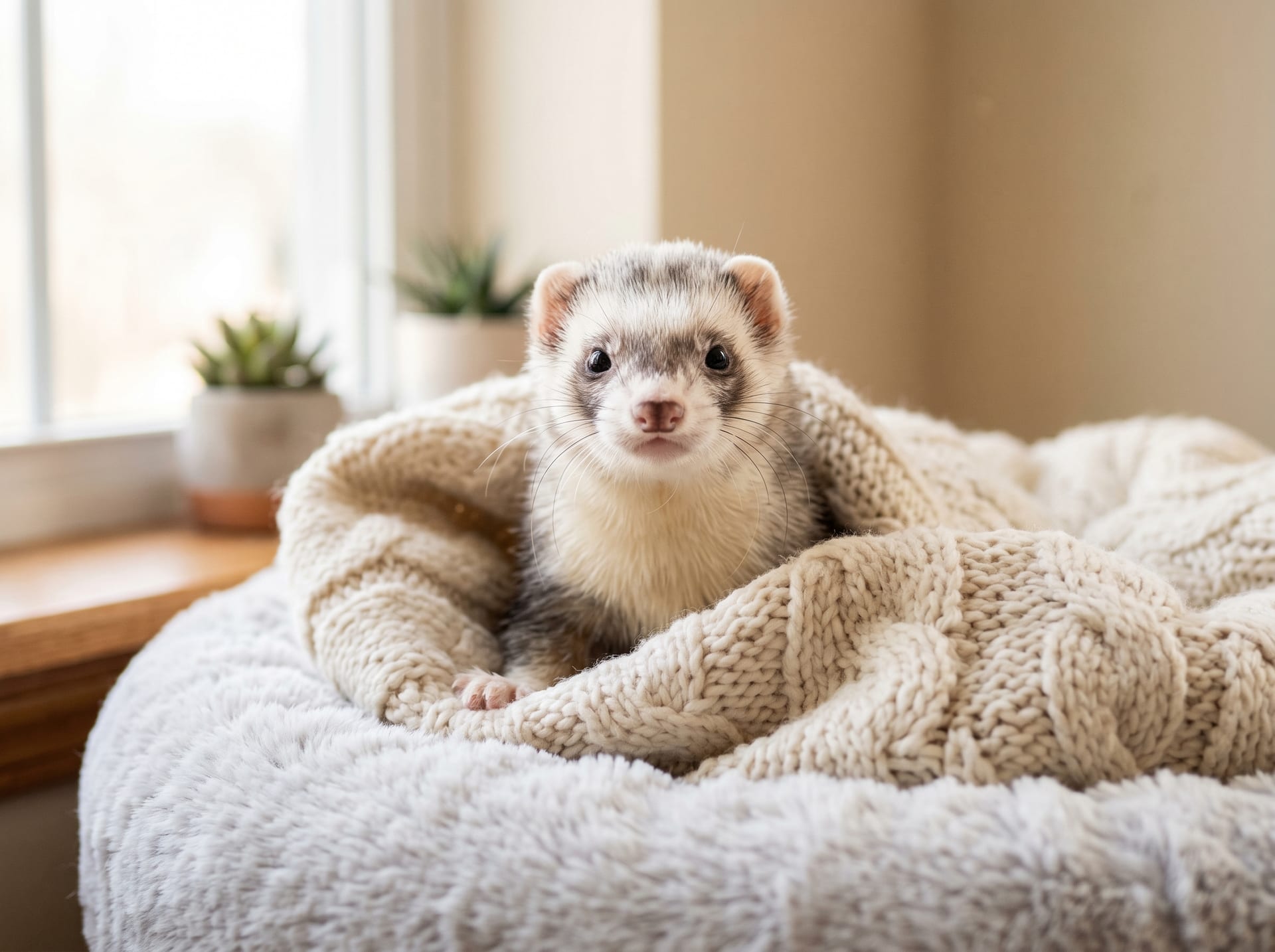
Ferret

Ferret

Curious and playful pet with an elongated body. Can play and bond with owners like cats and dogs. Has a distinctive musky scent.

View Ferret encyclopedia →
Limited Time Offer

0% commission on your first sales!Register by September 30, 2026 and your first 2 sales are commission-free!

Breeder Wanted!

List on BreederDirect and sell directly to customers nationwide!

Free registrationNo monthly feesCommission on sales only
Register Now for Free

6 Transparency Commitments from Br-Choku

Every Small Pets listing from Breeder includes the information below. We guarantee transparency through health checks, vaccinations, microchips, and more.

  • Hand-Tamed
  • Health Checked
  • Vaccinated
  • Microchipped
  • Real Photos
  • Age Specified

Hand-Tamed

0 items

Verified breeders wanted for Small Pets

Breeders are signing up now ahead of launch. Subscribe to be notified when new listings go live.

Getting alerts is free with a member account. When new listings match your saved search, we'll notify you by email and in-app.

Browse other categories

Verified breeders (preview)

Are you raising small pets?

Register as a breeder and connect with buyers directly.

Apply as a breeder

Ferret key facts

Care level
Intermediate
Lifespan
6-10 years
Size
35-50cm / 0.7-2.0kg
Diet
Ferret-specific food (high protein, high fat)
Diet
Obligate carnivore needing high protein/fat. Use ferret-specific food
Exercise
1-2 hours daily free play required. Love tunnel toys
Odor
Distinctive musk scent. Spaying/neutering reduces odor
Notes
Prone to adrenal disease and insulinoma. Find an exotic vet
TraitsIntermediatePlayfulTrainableCarnivore

About Ferret

Ferrets belong to the family Mustelidae and are believed to have been domesticated from the European polecat over thousands of years. Once prized as hunting assistants for flushing rabbits, they are now cherished as companion animals worldwide. Their slender bodies, short limbs, and rounded heads come in a wide range of coat colors including sable, albino, and silver mitt. Ferrets are highly social and playful by nature—they love following their owners around, stashing toys, and exploring every corner of the room. They also thrive in multi-ferret households, where playful wrestling matches are a daily delight. With a lifespan of roughly 6–8 years and a personality full of energy and curiosity, ferrets make endearing long-term companions for those ready to meet their needs.

7 things to know before welcoming a Ferret

  1. 1Natural Odor Management

    Ferrets produce a natural musky scent from their skin glands. Most ferrets sold in Japan have been neutered and descented, but some odor will remain. Regular washing of bedding and good ventilation in the room help keep the smell under control.

  2. 2Spacious Cage Required

    Ferrets are highly active and need a large multi-level cage to move around freely. They are skilled escape artists, so choose a sturdy ferret-specific cage with secure latches. Daily out-of-cage playtime in a safe, enclosed area for a few hours is also essential.

  3. 3They Sleep a Lot

    Ferrets sleep 14 to 18 hours a day on average. While their active periods are short, they play with intense energy when awake. New owners are sometimes alarmed by how deeply and motionlessly ferrets sleep, but this is completely normal behavior.

  4. 4Strict Carnivore Diet

    Ferrets are strict carnivores requiring a high-protein, high-fat, and low-carbohydrate diet. Choose a dedicated ferret food or a high-meat cat food. Avoid treats high in grains or sugar, as these can raise the risk of insulinoma, a common hormonal tumor in ferrets.

  5. 5Breed-Specific Health Risks

    Ferrets are prone to insulinoma, adrenal disease, and lymphoma, particularly from around 4 to 6 years of age. Annual or bi-annual vet check-ups are recommended for early detection. Before getting a ferret, locate a veterinary clinic experienced in treating them.

  6. 6Nipping and Training

    Young ferrets often nip during play, a behavior called nipping. You can train them out of this by reacting audibly to pain and temporarily stopping play as a consequence. Consistent handling and early socialization from a young age help reduce nipping significantly.

  7. 7Sensitive to Heat

    Ferrets are very sensitive to heat and can suffer heatstroke when temperatures exceed 28°C. Air conditioning is recommended during summer to maintain a room temperature of 24 to 26°C. While they tolerate cold better, sudden temperature changes can still cause health issues.

Frequently asked questions about Ferret

Q.Can I keep a ferret if I live alone?
A.Yes, ferrets can be kept by solo owners, but they need 1–2 hours of free-roam time and daily feeding and litter care. If you are away for long periods, provide a larger living area to compensate.
Q.Do ferrets have a biting habit?
A.Young ferrets often nip during play. Consistent training—such as vocalizing pain or pausing play when they bite—usually reduces the behavior over time with patience.
Q.Can ferrets live with dogs or cats?
A.Coexistence is possible depending on temperament, but dogs and cats may view ferrets as prey. Always supervise first introductions and keep them in separate spaces until they are fully accustomed to each other.
Q.What should I feed my ferret?
A.Ferrets are obligate carnivores and need a high-protein, high-fat, low-carbohydrate diet—ferret-specific kibble or quality cat food works well. Avoid fruits, vegetables, and sugary foods, as their digestive systems cannot handle them.
Q.Do ferrets need vaccinations?
A.Distemper vaccination is recommended for ferrets in Japan. Rabies vaccines are not commonly administered domestically, but consult your veterinarian to establish an appropriate vaccination schedule for your ferret.

Useful tools for Ferret care

Learn more about Ferret in the encyclopedia

View Ferret encyclopedia entry →

Care difficulty, lifespan, size and diet — all basics covered.

Ferret related articles

Ferret Adrenal Gland Disease & Insulinoma Guide | Symptoms and Treatment of Two Major Diseases Common in Aging Ferrets

Adrenal gland disease (adrenal adenoma) and insulinoma (pancreatic beta-cell tumor) are two major diseases that frequently occur in ferrets over 4 years old. This guide explains early warning signs, medical and surgical treatment options, and at-home blood glucose management methods in detail.

Complete Guide to Ferret Care | Cages, Diet, Bonding, and Health Management

A comprehensive guide to ferret care for beginners, covering appropriate cage sizes, food types and feeding frequency, bonding tips, common diseases (insulinoma and adrenal tumors), and health screening methods.

Ferret Odor Management and Daily Care: The Connection Between Neutering and Diet

An explanation of the causes and solutions for ferret odor. We introduce the effects of neutering and spaying, diets that reduce odor, and daily care methods.

Annual Husbandry Cost Guide for Small Animals | Cost Comparison of Hamsters, Rabbits, and Ferrets

Compare annual husbandry costs for small animals by species. We introduce breakdowns of cages, bedding, feed, hay, and veterinary fees, as well as tips to reduce costs.

Ferrets and Sugar Gliders Beginner's Guide | Care, Personality, and Costs Explained

A comparative guide to raising ferrets and sugar gliders, which are growing in popularity. Learn about their personality differences, required care environments, monthly costs, and important points to know before bringing them home.

Signs and Treatment of Health Issues in Small Animals | Hamsters, Rabbits, Ferrets

Learn the signs and treatment methods for small animal health issues. This guide covers species-specific symptoms including appetite loss, diarrhea, malocclusion, and skin diseases, along with guidance on when to visit a veterinarian.

See more Ferret articles →

More in this category

Can't find the one you're looking for?

Post your wishes for free and breeders with matching animals will contact you with introductions.