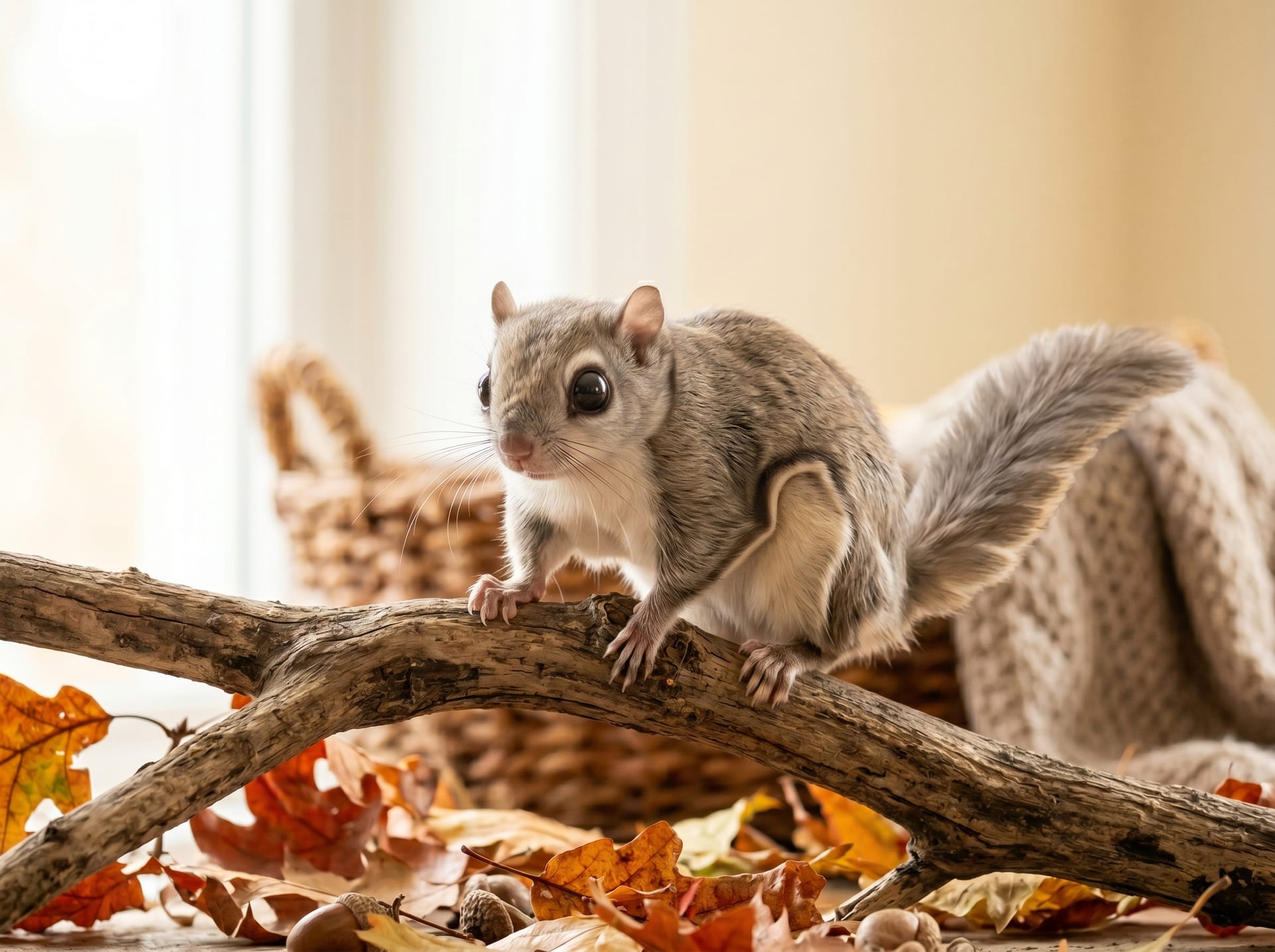
Flying Squirrel
Adorable gliding squirrel with large eyes and fluffy fur. Nocturnal and shy but bonds with patient owners.
View Flying Squirrel encyclopedia →0% commission on your first sales!Register by September 30, 2026 and your first 2 sales are commission-free!
Breeder Wanted!
List on BreederDirect and sell directly to customers nationwide!
6 Transparency Commitments from Br-Choku
Every Small Pets listing from Breeder includes the information below. We guarantee transparency through health checks, vaccinations, microchips, and more.
- Hand-Tamed
- Health Checked
- Vaccinated
- Microchipped
- Real Photos
- Age Specified
Browse all 28 breeds
Care Difficulty
Verified breeders wanted for Small Pets
Breeders are signing up now ahead of launch. Subscribe to be notified when new listings go live.
Getting alerts is free with a member account. When new listings match your saved search, we'll notify you by email and in-app.
Browse other categories
Verified breeders (preview)
Are you raising small pets?
Register as a breeder and connect with buyers directly.
Apply as a breederFlying Squirrel key facts
- Care level
- Advanced
- Lifespan
- 10-15 years
- Size
- 14-20cm (with tail) / 150-220g
- Diet
- Flying squirrel food, insects, fruits, sap jelly
- Cage
- Tall large cage with gliding space and perches
- Taming
- Carry in a bonding pouch on your body to accelerate taming
- Diet
- Omnivore. Balance insects, fruits, and specialized food
- Notes
- Nocturnal and active at night. Long lifespan requires commitment
About Flying Squirrel
Two species are commonly kept as pets: the sugar glider (a marsupial native to Australia and Indonesia) and the American flying squirrel (a rodent). In Japan, the sugar glider is by far the more popular choice. In the wild, they are highly social, living in tree-top colonies and gliding between trees using a membrane that stretches from forelimb to hindlimb, sometimes covering dozens of meters in a single glide. They are tiny animals, typically weighing just 100–160 g, with large dark eyes and rounded ears that give them an endearing appearance. Sugar gliders are curious and lively, but also naturally wary of strangers and may make a defensive crabbing sound when startled. With consistent, gentle handling they form strong bonds with their owners and are known to sleep curled up in a bonding pouch or shirt pocket. Their long lifespan makes them a deeply rewarding companion, but their specific needs around socialization, diet, and temperature regulation require dedicated preparation before bringing one home.
7 things to know before welcoming a Flying Squirrel
1Nocturnal Lifestyle
Sugar gliders are nocturnal and most active after sunset. They sleep quietly during the day and become lively in the evening and night. Be mindful of noise and lighting in their environment, as their schedule may not align with yours.
2Tall Cage Required
Since sugar gliders glide between trees in the wild, vertical space is essential. A cage at least 90 cm tall with branches, ropes, and perches allows natural climbing and gliding behavior. A width of 60 cm or more is ideal.
3Taming Takes Patience
Sugar gliders are naturally cautious and may take weeks or months to feel comfortable with humans. Avoid forcing interaction; instead start by letting them sense your body warmth through a pouch or soft cloth to gradually build trust.
4Vocalizations and Scent Glands
Sugar gliders produce a distinctive "crabbing" sound when threatened or demanding attention. Males have scent glands on their head and chest used for marking territory, which causes a notable odor. Regular cage cleaning and liner changes help manage the smell.
5Diet Needs Variety
In the wild, sugar gliders eat nectar, fruit, insects, and tree sap. In captivity, a specialized diet such as BML or TPG is recommended as a base, supplemented with fresh fruits, vegetables, and feeder insects. Relying solely on commercial pellets often leads to nutritional deficiencies.
6Social Needs
Sugar gliders are highly social animals that live in groups in the wild. Keeping one alone can lead to stress and self-destructive behavior. If you are away for long periods, consider keeping a same-sex or neutered pair to provide companionship.
7Vet Costs and Specialists
Veterinarians experienced with sugar gliders are limited, so find an exotic animal specialist before you need one. Metabolic bone disease from poor nutrition and injuries are common issues. Annual veterinary costs can reach tens of thousands of yen, so financial preparation is important.
Frequently asked questions about Flying Squirrel
- Q.Can I keep a sugar glider if I live alone?
- A.It is possible, but frequent or long absences can cause loneliness-related stress. Keeping two gliders together or ensuring daily quality bonding time is strongly recommended for single-person households.
- Q.Do sugar gliders smell or make much noise?
- A.Male sugar gliders have scent glands that can produce a noticeable odor, which is often reduced significantly by neutering. They can also make a crabbing or barking sound at night, so be prepared for some nocturnal vocalizations.
- Q.How do I prepare their diet?
- A.Widely used options include homemade diet recipes such as BML or TPG, as well as commercially formulated exotic glider diets. The key is balancing fruit, protein, and insects while maintaining the correct calcium-to-phosphorus ratio. Pellets alone are generally insufficient for meeting their nutritional needs.
- Q.How long do sugar gliders live?
- A.With proper care and diet, sugar gliders typically live around 10–15 years. Their long lifespan means you should think carefully about long-term care commitments before deciding to get one.
- Q.Are sugar gliders good at escaping their cages?
- A.Sugar gliders are nimble and can squeeze through gaps or push open poorly latched doors. Choose a cage with bar spacing of 1–1.5 cm or less and secure locking mechanisms. Before letting them out, also ensure the room is safe by closing windows and removing hazards.
Useful tools for Flying Squirrel care
Learn more about Flying Squirrel in the encyclopedia
View Flying Squirrel encyclopedia entry →
Care difficulty, lifespan, size and diet — all basics covered.
More in this category
Can't find the one you're looking for?
Post your wishes for free and breeders with matching animals will contact you with introductions.