Small AnimalsPublished: / Updated: | ✍️ BreederDirect Editorial
Annual Husbandry Cost Guide for Small Animals | Cost Comparison of Hamsters, Rabbits, and Ferrets
Compare annual husbandry costs for small animals by species. We introduce breakdowns of cages, bedding, feed, hay, and veterinary fees, as well as tips to reduce costs.
Key Takeaways
Compare annual husbandry costs for small animals by species. We introduce breakdowns of cages, bedding, feed, hay, and veterinary fees, as well as tips to reduce costs.
Related Species
Small animals have significant differences in husbandry costs depending on the species. This article focuses on three popular species—hamsters, rabbits, and ferrets—and compares specific figures from initial costs to annual maintenance fees. By understanding the total costs before bringing one home, you can choose a species you can care for comfortably over the long term.
Initial Cost Guide (by Species)
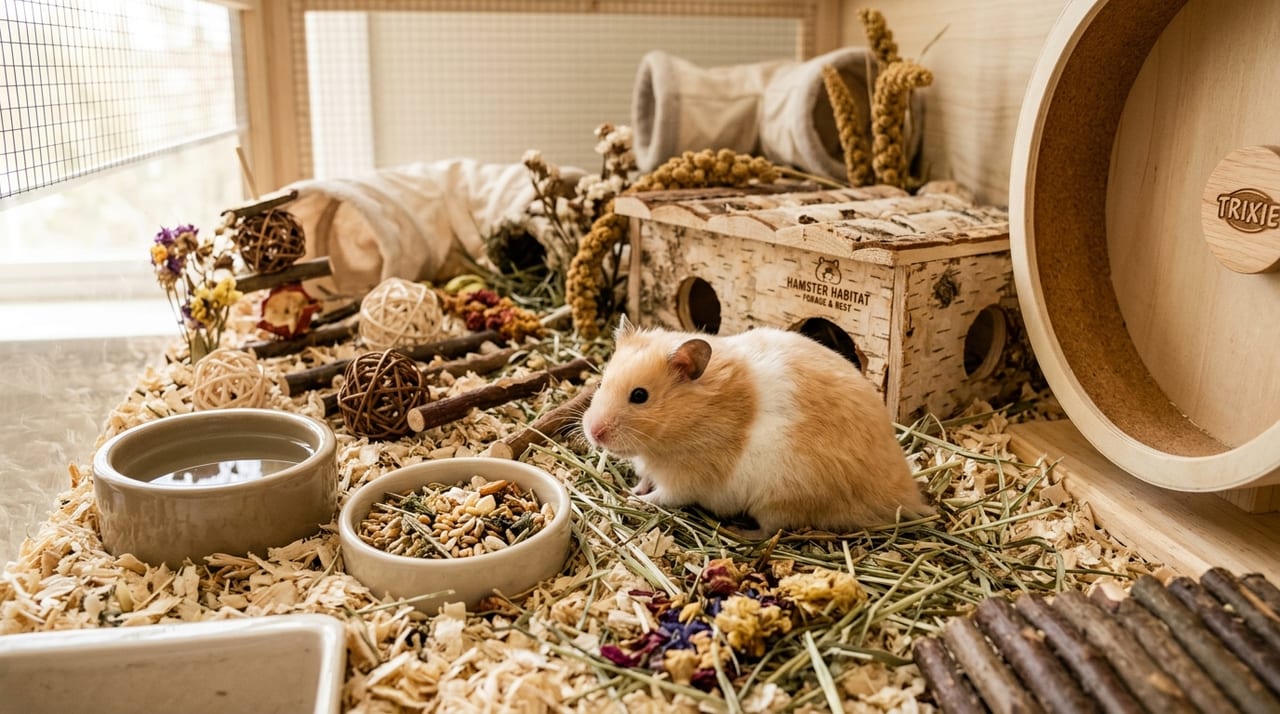
Hamster
Item
Cost Estimate
Animal
¥1,000–3,000
Cage
¥3,000–8,000
Exercise Wheel
¥1,000–3,000
Bedding
¥300–800
Water Bottle & Food Dish
¥500–1,000
Nest Box
¥300–1,000
Total
Approx. ¥6,100–16,800
Rabbit
✍️
BreederDirect Editorial
The BreederDirect editorial team specializes in care information for animals, covering veterinary care and breeding to deliver beginner-friendly guides.
Find Small Animals on BreederDirect
Buy directly from verified breeders
Browse Related Listings
Find Small Animals listings related to this article on BreederDirect. Buy directly from verified breeders.
The table below shows the sum of "monthly operating costs × 12 months + annual health checkup." This does not include toy replacements, pet insurance, or incremental cooling and heating costs. If you plan to account for these, refer to the figures in the "Annual Cost Simulation by Species" section below.
Species
Annual Maintenance Cost (Estimate)
Hamster
Approx. ¥15,000–45,000
Rabbit
Approx. ¥60,000–140,000
Ferret
Approx. ¥45,000–100,000
Hedgehog
Approx. ¥30,000–70,000
Guinea Pig
Approx. ¥40,000–90,000
Lifetime Costs from Adoption to End of Life
When you multiply the annual cost by the lifespan, you can see the total amount for the time you spend with that animal. The table below is based on the initial costs in this article and the figures from the "Annual Total Cost Summary" section.
Species
Average Lifespan
Initial Cost
Lifetime Cost Estimate
Hamster
2–3 years
Approx. ¥6,100–16,800
Approx. ¥40,000–150,000
Rabbit
7–10 years
Approx. ¥20,000–75,000
Approx. ¥440,000–1,480,000
Ferret
6–8 years
Approx. ¥42,000–115,000
Approx. ¥310,000–920,000
Even though they are all "small animals," rabbits and ferrets cost roughly 10 times as much as hamsters over their lifetimes. Since they live longer, the risk of being unable to continue caring for them partway through increases. Therefore, factor in anticipated life changes over the next 7–10 years, such as employment, school admission, or moving.
Note that the upper limits in the table above are for cases where no major illness occurs and standard care is maintained. However, since there are conditions such as adrenal gland disease in ferrets and malocclusion in rabbits that require expensive treatment in middle and old age, medical costs will be added on top. Changes in care by age are detailed in Small Animal Senior Care Guide, and ferrets' two major diseases are explained in detail in Ferret Adrenal Gland Disease and Insulinoma Guide.
Tips to Reduce Costs
Buy Hay in Bulk: Rabbit hay in large packages (1 kg or more) is more economical.
Use Pet Sheets: Using pet sheets instead of litter can sometimes be more economical.
Manage Air Conditioning Temperature: Small animals are sensitive to heat and cold, so 24-hour air conditioning is often necessary. Keep electricity costs down by properly managing the temperature setting.
Purchase Directly from BreederDirect: You can obtain healthy animals at fair prices directly from breeders and receive husbandry advice.
Annual Cost Simulation by Species
Whereas the "Annual Total Cost Summary" above shows the bare minimum operating costs, here we estimate the case when we fully account for toy and consumable replacements, incremental cooling and heating, and pet insurance for rabbits. The variation in amounts even for the same species is due to this difference in scope. Actual expenditure is expected to fall between the lower limit of the summary table and the upper limit of this estimate.
Hamster (Approx. ¥30,000–62,000 per year)
Expense
Annual Cost
Feed
¥6,000–12,000
Bedding
¥6,000–12,000
Toys & Consumables
¥3,000–6,000
Health Checkup
¥3,000–8,000
Cooling & Heating (Incremental)
¥12,000–24,000
Total
¥30,000–62,000
Hamster personalities and sizes vary by species. Before bringing one home, it's a good idea to check Hamster Species Comparison Guide to find the right species for you.
Rabbit (Approx. ¥93,000–190,000 per year)
Expense
Annual Cost
Feed & Hay
¥36,000–72,000
Litter Supplies
¥12,000–24,000
Health Checkup
¥6,000–16,000
Nail Trimming
¥3,000–6,000
Cooling & Heating (Incremental)
¥24,000–36,000
Pet Insurance
¥12,000–36,000
Total
¥93,000–190,000
Preparing for Emergency Medical Costs
While per-visit costs for small animal medical care are generally lower than for dogs and cats, many procedures are not covered by pet insurance. We recommend setting aside ¥20,000–50,000 annually for medical emergencies. If surgery is needed, it can cost ¥50,000–150,000.
Do You Need Pet Insurance?
While pet insurance for small animals is less readily available than for dogs and cats, several insurance companies do offer coverage. For details on choosing insurance, see Small Animal Pet Insurance Guide.
Features of Small Animal Pet Insurance
Covered Animals: Rabbits and ferrets are covered by most policies. Hamsters and hedgehogs may not be covered.
Monthly Premium: Approximately ¥1,000–3,000
Coverage: Outpatient, inpatient, and surgery are covered. Vaccinations and health checkups are usually not covered.
Age Restrictions: There are age limits for enrollment (e.g., rabbits up to 7 years old).
Criteria for Deciding Whether to Get Insurance
Animals that may need expensive surgery (rabbits and ferrets) are worth considering.
For hamsters (lifespan 2–3 years), medical savings may be more practical than insurance, depending on the balance between premiums and treatment costs.
If you do get insurance, the best time is right after bringing them home.
Frequently Asked Questions (FAQ)
Q. Which small animal has the lowest husbandry costs?
A. Hamsters are the least expensive. Both initial and ongoing maintenance costs are low.
Q. Rabbit hay costs a lot. How can I save money?
A. The most economical approach is to purchase large packages (1–5 kg) through online retailers. First-cut timothy hay offers the best value.
Q. How much should I budget for veterinary costs?
A. It's reassuring to set aside ¥10,000–30,000 annually as emergency funds. Ferrets in particular carry risks of adrenal gland disease and insulinoma, and treatment can be expensive.