Beginner's Guide to 5 Recommended Small Animals | Comparing Hamsters, Rabbits, Guinea Pigs, Chinchillas, and Degus
A comprehensive comparison of 5 popular species (hamsters, rabbits, guinea pigs, chinchillas, and degus) for first-time small animal owners, covering breeding difficulty, cost, lifespan, tameness, and temperature management. We help you choose the species that best fits your lifestyle.
Key Takeaways
A comprehensive comparison of 5 popular species (hamsters, rabbits, guinea pigs, chinchillas, and degus) for first-time small animal owners, covering breeding difficulty, cost, lifespan, tameness, and temperature management. We help you choose the species that best fits your lifestyle.
Related Species
What First-Time Small Animal Owners Should Know Before Choosing
While many believe that small animals are easier to care for than dogs or cats, in reality the lifespan, breeding costs, effort required, and difficulty of temperature management vary greatly depending on the species. There are not a few cases where animals purchased on impulse end up with short lifespans due to inadequate care.
This article compares 5 species popular with beginners (hamsters, rabbits, guinea pigs, chinchillas, and degus) from various perspectives and supports you in making the optimal choice for your lifestyle.
Comprehensive Comparison Table of 5 Species
| Item | Hamster | Rabbit | Guinea Pig | Chinchilla | Degu |
|---|---|---|---|---|---|
| Lifespan | 2-3 years | 7-12 years | 5-8 years | 15-20 years | 6-10 years |
| Breeding difficulty | ★☆☆ | ★★☆ | ★★☆ | ★★★ | ★★☆ |
| Initial cost estimate | ¥10,000-30,000 | ¥30,000-80,000 | ¥20,000-50,000 | ¥40,000-100,000 | ¥30,000-70,000 |
| Monthly cost estimate | ¥2,000-4,000 | ¥5,000-10,000 | ¥4,000-7,000 | ¥5,000-8,000 | ¥3,000-6,000 |
| Tameness | △ | ◯-◎ | ◯ | △-◯ | ◯-◎ |
| Temperature management difficulty | ★☆☆ | ★☆☆ | ★☆☆ | ★★★ | ★☆☆ |
| Noise level | Minimal | Minimal | Minimal | Minimal | Minimal |
| Breeding space | Small | Large | Medium | Medium-Large | Medium |
| Multiple housing recommendation | Solo recommended | Can be solo | Multiple recommended | Multiple recommended | Multiple essential |
1. Hamster: The Easiest for Beginners
Recommended For
- First-time small animal ownership
- Households with children
- Those wanting to minimize breeding costs
Characteristics
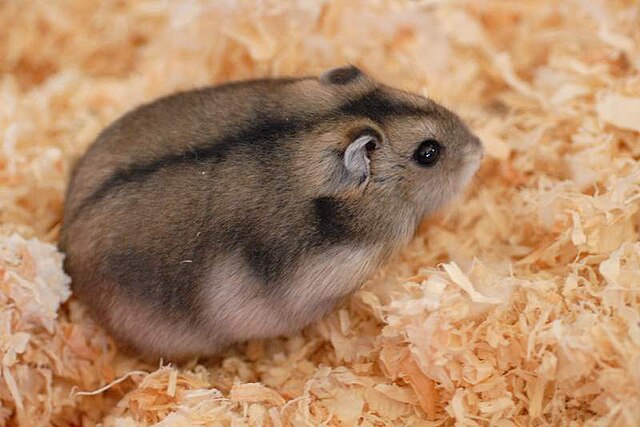
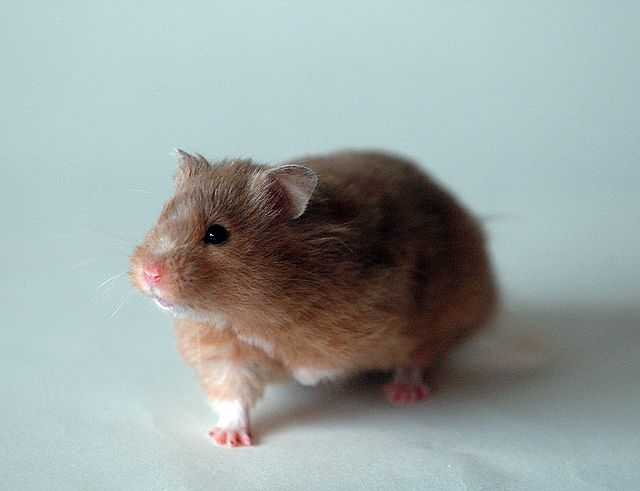
Golden hamsters and Djungarian hamsters are the representative species. Being nocturnal, they sleep most of the day. Solo housing is the norm (though multiple housing is possible for some types), and they don't require much space.
Important Notes
- Lifespan is short at 2-3 years, requiring mental preparation for parting
- Being nocturnal, they are inactive during the day (limiting playtime)
- They have strong territorial instincts and handling varies by individual
- Care must be taken regarding winter "torpor" (hypothermia)
Breeding Cost
Initial cost ¥10,000-30,000, monthly cost around ¥2,000-4,000—the most affordable.
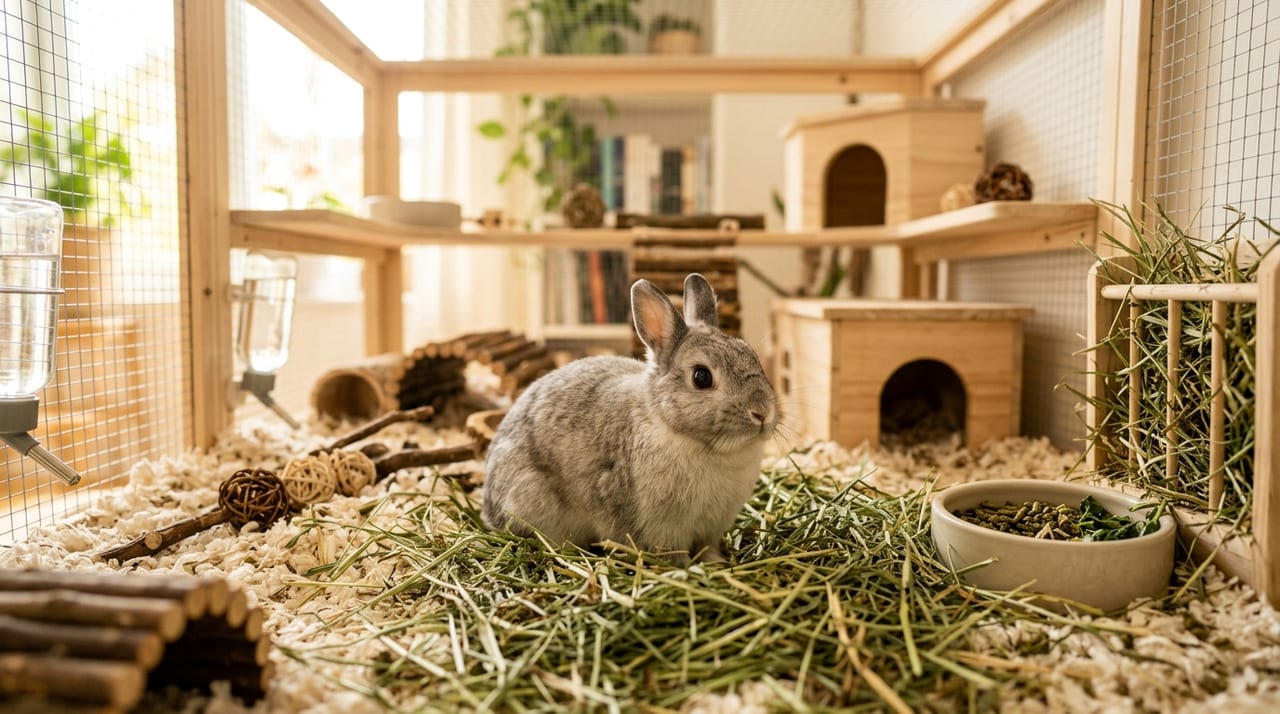
2. Rabbit: Sweet Companion You Can Be With Long-Term
Recommended For
- Those wanting to live together for a long time
- Those wanting to enjoy physical affection
- Those able to invest a reasonable amount in breeding costs
Characteristics
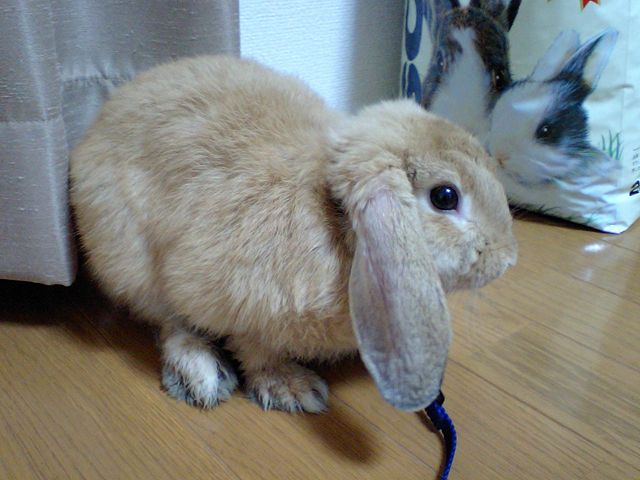
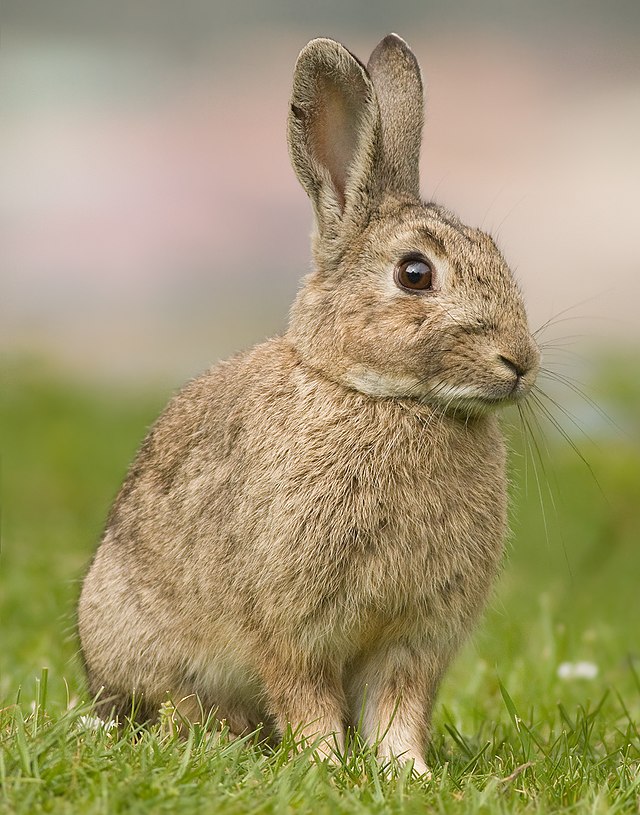
Netherland Dwarfs and Holland Lops are popular with beginners. With a lifespan of 7-12 years, proper care can provide companionship comparable in length to a cat. Many individuals are affectionate like dogs or cats, making attachment easy.
Important Notes
- There is risk of gastrointestinal stasis (GI syndrome), an emergency condition (loss of appetite or reduced fecal output requires immediate veterinary care)
- Hay-centered diet is essential (pellets alone are insufficient)
- Adequate exercise is needed through free-roaming time (1-2 hours daily)
- Spaying/neutering (especially for females) is recommended
Breeding Cost
Initial cost ¥30,000-80,000, monthly cost around ¥5,000-10,000. Veterinary expenses tend to be higher than for other small animals.
3. Guinea Pig: Gentle, Social, With an Adorable Voice
Recommended For
- Those looking for a highly social pet
- Those seeking an animal children can easily handle
- Those wanting to keep multiple animals
Characteristics
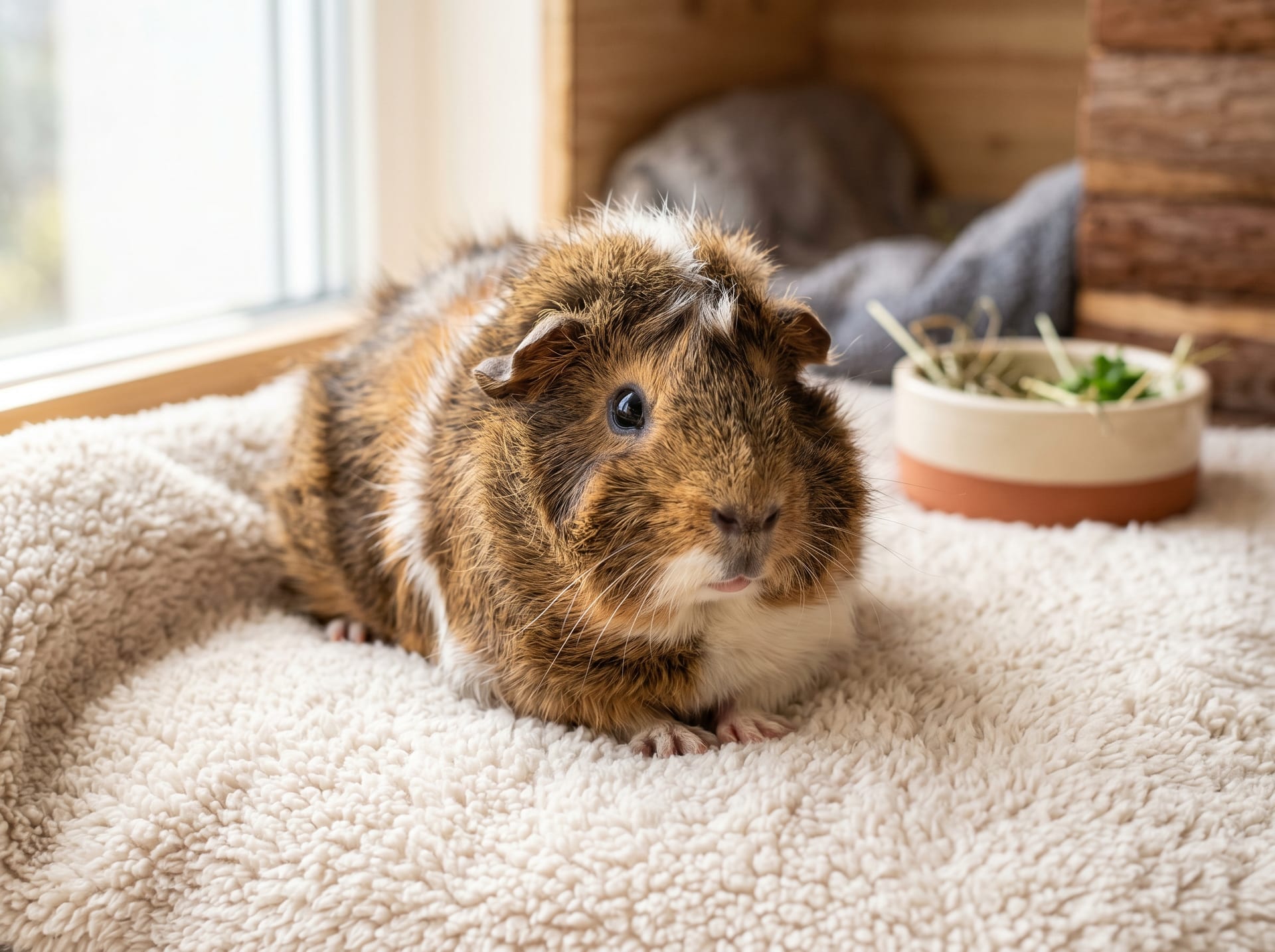
Characterized by a large, rounded body, they are known for their distinctive "wheep wheep" vocalizations. They are gentle with few biting habits, making them easy for children to handle. Highly social, they ideally are kept in groups of two or more.
Important Notes
- They cannot synthesize vitamin C on their own, so daily supplementation from vegetables (bell peppers, broccoli, etc.) is essential
- As they are relatively large, a spacious cage is necessary
- Dental problems (malocclusion) occur easily
- They are easily stressed by sudden environmental changes
Breeding Cost
Initial cost ¥20,000-50,000, monthly cost around ¥4,000-7,000.
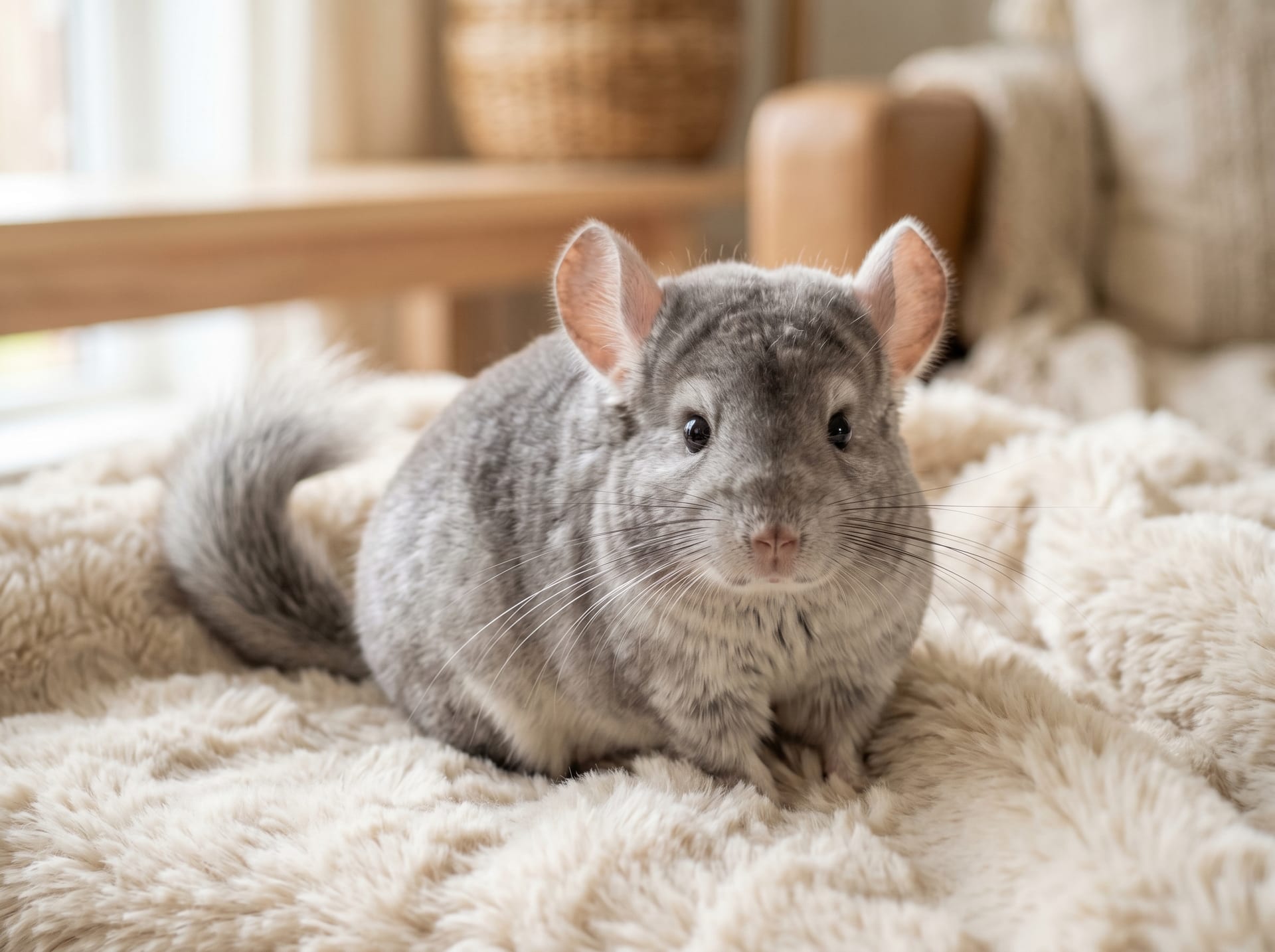
4. Chinchilla: Long-Lived, Intelligent, Charming for Advanced Keepers
Recommended For
- Those able to make a long-term commitment
- Those willing to invest effort in care (temperature management, daily dust baths)
- Those seeking an intelligent animal they can bond with
Characteristics
Among small animals, they have one of the longest lifespans at 15-20 years. Their appeal lies in their ultra-dense soft fur and active, intelligent personality. Many individuals interact with their owners during their active evening hours.
Important Notes
- Temperature management is critical (above 22°C is the danger zone, above 27°C is potentially fatal)
- Daily dust baths (water baths strictly forbidden) are necessary
- There is an ongoing cost of running air conditioning 24/7 for chinchillas
- General veterinary clinics may not treat them, so an exotic animal veterinarian is necessary
- Initial and ongoing costs are somewhat higher
Breeding Cost
Initial cost ¥40,000-100,000 (including high-quality cage and air conditioning equipment), monthly cost around ¥5,000-8,000 plus electricity.
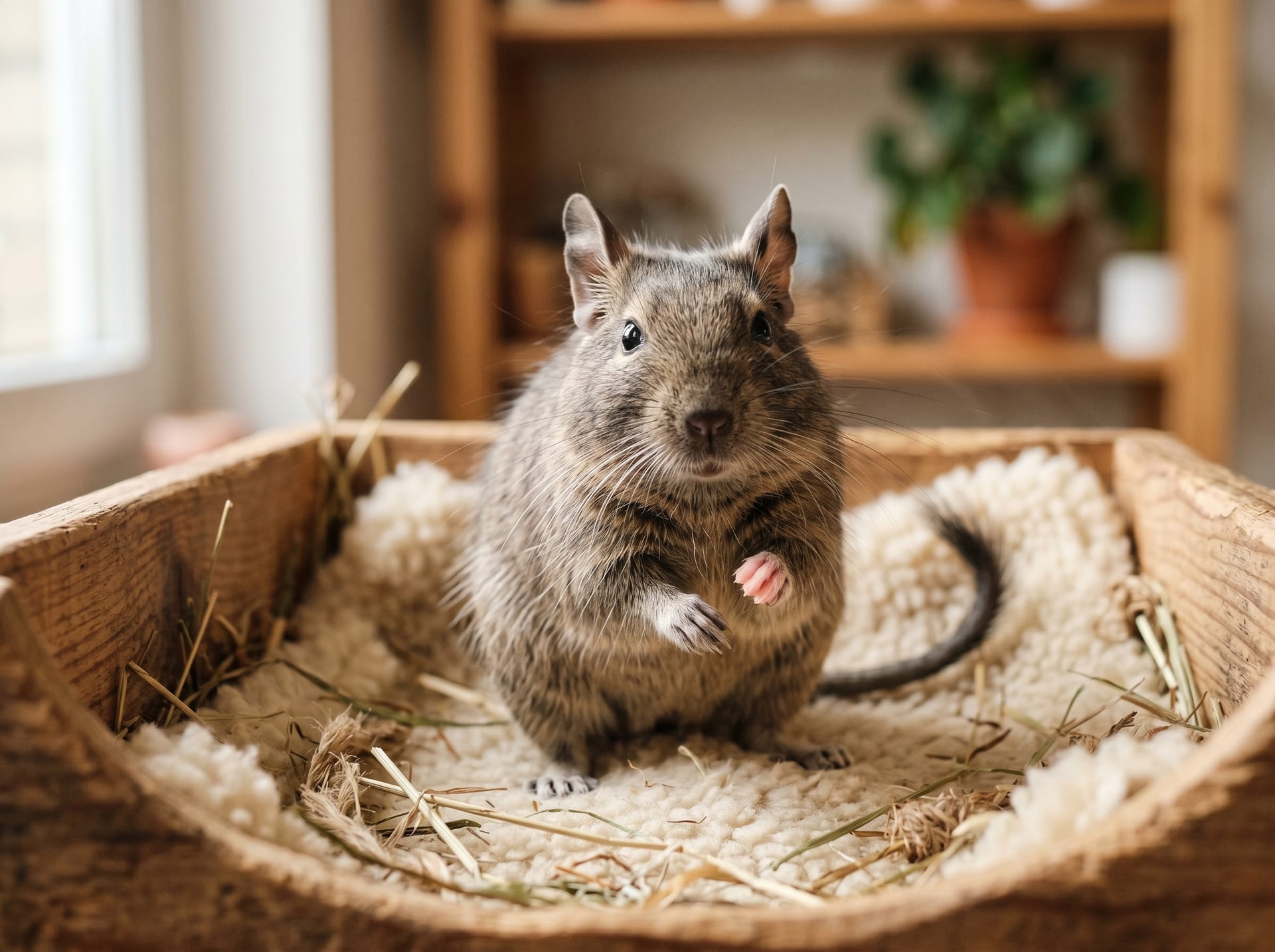
5. Degu: Intelligent, Social, Rare Daytime-Active Pet
Recommended For
- Those wanting an animal they can interact with during the day
- Those wanting to enjoy interaction with an intelligent animal
- Those planning to keep multiple animals
Characteristics
They are nearly diurnal, active during times their owners are awake. They are unique in their high problem-solving ability and memory, learning their names and responding to training.
Important Notes
- Due to abnormal sugar metabolism, fruits and sweet treats are strictly forbidden
- Solo housing causes significant stress; keeping two or more is essential
- They have strong burrowing instincts and require adequate bedding depth
- An exotic animal veterinarian is necessary
Breeding Cost
Initial cost ¥30,000-70,000 (including multiple animals and appropriate cage), monthly cost around ¥3,000-6,000.
Direct Comparison of 2 Often-Confused Species
For the "similar pairs" that the comprehensive comparison table alone can't help you decide on, we've narrowed down to the key differentiating factors.
Differences Between Degus and Chinchillas
Both are South American rodents with similar appearances, but their daily activity patterns and temperature management demands are opposite.
| Comparison Item | Degu | Chinchilla |
|---|---|---|
| Lifespan | 6-10 years | 15-20 years |
| Activity time | Diurnal (aligns with human schedule) | Nocturnal (active at night) |
| Temperature management difficulty | ★☆☆ | ★★★ (extremely sensitive to heat) |
| Coat maintenance | Short-haired, dust baths optional | Dense coat, dust baths essential |
| Vocalizations | Frequent and varied | Quiet |
| Breeding difficulty | ★★☆ | ★★★ |
| Monthly cost estimate | ¥3,000-6,000 | ¥5,000-8,000 |
The choice is simple: the two key questions are "Do you want daytime interaction?" and "Can you keep air conditioning running year-round in summer?" If you want to spend time together during the day or find it difficult to run air conditioning continuously, degus are right for you. If you live a night-owl lifestyle and can prioritize room temperature management, chinchillas are better suited.
Differences Between Chinchillas and Hamsters
Even though both are "small animals kept in cages", the time commitment and equipment scale differ by an order of magnitude.
| Comparison Item | Chinchilla | Hamster |
|---|---|---|
| Lifespan | 15-20 years | 2-3 years |
| Initial cost estimate | ¥40,000-100,000 | ¥10,000-30,000 |
| Breeding space | Medium-Large (tall cage) | Small (about 45cm width) |
| Temperature management difficulty | ★★★ | ★☆☆ |
| Multiple housing | Multiple recommended | Solo recommended |
| Breeding difficulty | ★★★ | ★☆☆ |
A chinchilla's 15-20 year lifespan is comparable to that of a dog or cat, requiring you to plan for major life changes like college, employment, and moving. Realistically, if you're at the stage of wanting to learn what small animal ownership is like, choose a hamster; if you're looking for a companion for the long haul, choose a chinchilla.
Differences Between Hamsters and Guinea Pigs
The differences in cost, space, and interaction methods are especially large for these two species, so we've delved deeper in an article thoroughly comparing hamsters and guinea pigs. In short, hamsters are palm-sized, kept alone, and observation-focused, while guinea pigs are a size larger, suited for multiple housing, and enjoy spending time together.
Recommended Choices by Lifestyle
Single Living / First-Time Ownership
→ Hamster (Djungarian) or Guinea Pig Both are affordable with limited space requirements. Hamsters require minimal care, while guinea pigs offer physical affection.
Family (School-Age Children and Older)
→ Rabbit or Guinea Pig Both are gentle and easy to handle, allowing for long-term companionship.
Wanting Long-Term Companionship with a Pet
→ Chinchilla (if temperature management and cost are manageable) or Rabbit Chinchillas can be companions for 15-20 years, rabbits for 7-12 years.
Wanting to Enjoy Intelligence and Interaction
→ Degu They are active during the day and can enjoy training and communication. However, keeping two or more is required.
Simply Wanting to Minimize Cost
→ Hamster Both initial and monthly costs are among the most affordable.
Summary
Contrary to the image of small animals being "easy to care for," management effort, cost, lifespan, and medical complexity vary greatly depending on the species.
Points you must confirm before bringing a pet home:
- Commitment to lifespan (varies greatly from 2-3 years to 20 years)
- Temperature management cost (chinchillas require 24-hour air conditioning)
- Securing a veterinarian (exotic animal clinic)
- Addressing social needs (whether multiple housing is required)
- Time commitment for daily care
After thoroughly understanding the characteristics of each species, choose the animal that best fits your lifestyle.