Small AnimalsPublished: / Updated: | ✍️ BreederDirect Editorial
Complete Guide to Hamster Stress Behaviors and Signs | Species-Specific Handling for Rabbits, Chinchillas, and More
We explain stress signs in hamsters, rabbits, chinchillas, ferrets, and guinea pigs by species. We introduce how to identify dangerous behaviors such as cage-bar biting, foot thumping, sand-bath refusal, and hiding, as well as how to address them by cause and when to seek veterinary care.
Key Takeaways
We explain stress signs in hamsters, rabbits, chinchillas, ferrets, and guinea pigs by species. We introduce how to identify dangerous behaviors such as cage-bar biting, foot thumping, sand-bath refusal, and hiding, as well as how to address them by cause and when to seek veterinary care.
Small animals have tiny bodies, and changes in their health can quickly become life-threatening. Unlike dogs and cats, they rarely vocalize their discomfort, so it is extremely important for owners to pay close attention to behavioral changes and detect stress signs early. This article provides a detailed explanation of how to identify stress signs in representative small animals by species, as well as their causes and how to address them.
How Stress Affects Small Animals
For small animals, stress is not merely "discomfort." Chronic stress can weaken immune function, leading to digestive disorders, skin problems, and even sudden death.
Major Health Risks from Stress
Weakened immunity: Reduced resistance to infections and parasites
Digestive system abnormalities: Diarrhea, constipation, loss of appetite
Reproductive problems: Stress interferes with successful breeding
Shortened lifespan: Chronic stress definitively shortens life expectancy
In particular, small animals have strong prey animal instincts and tend to hide signs of weakness. As a result, by the time they appear visibly unwell, they are often already in a serious condition. Understanding their normal baseline state leads to early detection of changes.
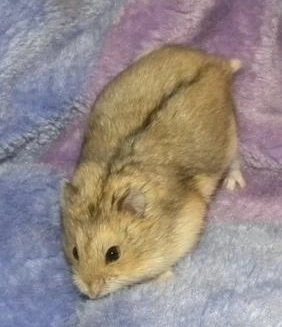
Hamster Stress Signs
Hamsters are especially susceptible to stress among small animals. They are sensitive to environmental changes and can become ill even from minor causes.
Hamster Stress Behaviors Quick Reference Table
A list of representative stress behaviors, their meanings, and how to address them to help you quickly notice "unusual behavior."
Stress Behavior
✍️
BreederDirect Editorial
The BreederDirect editorial team specializes in care information for animals, covering veterinary care and breeding to deliver beginner-friendly guides.
Find Small Animals on BreederDirect
Buy directly from verified breeders
Browse Related Listings
Find Small Animals listings related to this article on BreederDirect. Buy directly from verified breeders.
Upgrade to larger wheel, provide wider cage, change material
Excessive grooming/hair loss
Chronic stress, sign of dermatological issues
Quiet environment, seek veterinary care if hair loss continues
Continuously running on wheel
Boredom, insufficient exercise outlet
Add play areas or tunnels
Storing food in cheeks and not removing it
Strong vigilance, anxiety about environment
Avoid excessive handling, move to quiet location
Hiding and not coming out, freezing
Fear, difficulty adapting to new environment
Leave alone and allow time to adjust
Loss of appetite + weight loss
Possible illness (other than stress)
Seek veterinary care promptly
Detailed causes and how to address each behavior are explained below.
Differences in Stress Response by Breed
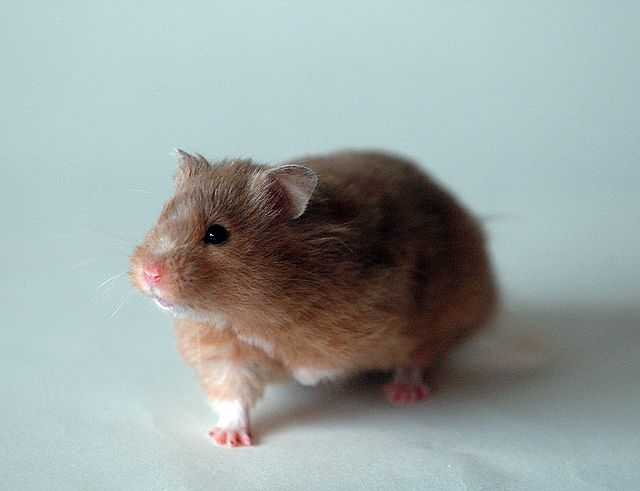
Golden Hamster: Territorial awareness is strong, and cohabitation with other individuals easily becomes the main cause of stress. Solo housing is the standard, and a narrow cage frequently results in overactivity and bar biting.
Djungarian and Campbell's Hamster (Dwarf species): More sensitive to temperature changes than golden hamsters, with higher risk of torpor below 18℃. Stress responses are quick, with frequent freezing or fleeing behaviors.
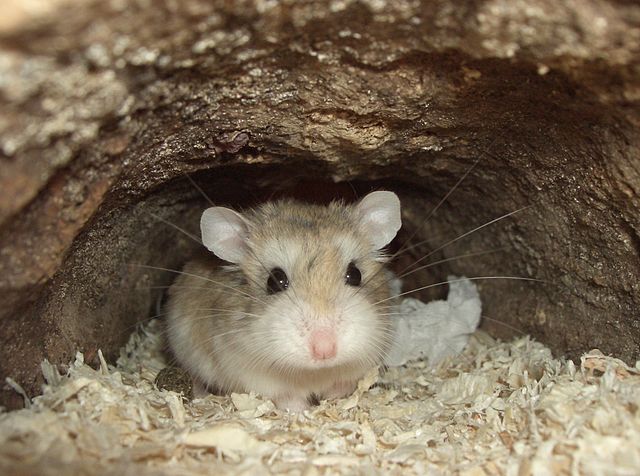
Roborovski Hamster: The smallest and most nervous species. Many individuals strongly resist handling, making touch itself a source of stress. Stress signs primarily manifest as "continuous fleeing and hiding," with less bar biting and wheel overactivity compared to golden hamsters. Observation-focused care suits this species.
How to Identify Bar Biting: 3 Causes and Species-Specific Solutions
Bar biting (chewing on cage bars) has different causes, and the approach differs depending on the cause.
Cause
Characteristic Situation
Solution
Insufficient exercise
Wheel is too small, not enough running
Upgrade to larger wheel, increase exercise time
Territorial stress
Cage is small, another animal's cage nearby
Provide larger cage, visually separate other animals
Escape instinct
Focused chewing at specific spot (near entrance)
Change cage material, switch to glass tank-style
Bar biting can lead to tooth damage or falls, so identify the cause and address it early.
Difference Between Torpor (Hypothermia) and Stress
Dwarf species and young golden hamsters may enter torpor (hypothermia) rather than true hibernation when room temperature drops below 18℃. Distinguish between this and stress using the following:
Torpor: Body is cold and nearly motionless, breathing is extremely slow, response to touch is very weak or absent → Emergency state. Warm with your palm and gradually raise room temperature. Electric blankets are too sudden and dangerous.
Freezing from Stress: Body temperature is normal, breathing is normal, responds to stimuli → Just frightened. Leave in a quiet environment undisturbed.
Torpor can be life-threatening if left untreated. Do not mistake "not moving" for "sleeping"—judge by body temperature.
The Line Between Stress and Illness
Chronic stress can appear as precursor behavior for specific illnesses.
Precursor to Cushing-like Symptoms: Symmetrical hair loss, darkened skin, increased drinking and urination. This may relate to adrenal disease, so seek veterinary care if hair loss becomes noticeable.
Precursor Behavior to Tumors: Excessive grooming of one spot, circling in the same place, simultaneous loss of appetite and weight loss → This suggests illness rather than stress.
Minimum width of 45cm or more, ideally 60cm or more
Wheel too small
21cm diameter or larger for golden, 15cm or larger for dwarf
Noise or vibration
Move cage to quiet room
Temperature issues
Maintain 20–26℃ (below 18℃ risks torpor)
Monotonous environment
Add tunnels, chew wood, sand baths
Can Hamsters Die from Stress?
Yes, it can be fatal. However, rather than "dying from fright," most cases result from chronic stress weakening immunity and leading to illness such as wet tail (diarrhea) or respiratory infection.
The following situations carry high risk:
When environmental changes compound … Shortly after arrival, after moving, after completely replacing the cage
When temperature stress is added … Below 18℃ (torpor risk) or above 28℃ (heat stroke)
When sleep is repeatedly interrupted … Waking repeatedly during daytime, continuous vibration from TV or washing machine
The important point is that hamsters hide illness until the end because they are prey animals—by the time they appear visibly weak, the condition is already advanced. Keeping a weekly weight record will show weight loss before visible signs appear. If weight drops 10% or more in a week, consider veterinary care rather than waiting as a guideline.
Recovery Steps When You've Caused Stress
You dropped the hamster, scared it with a loud noise, or destroyed its nest during cleaning—here's what to do afterward, organized by timeline.
Day of Incident (0–24 hours)
Do not touch or look in. If recovery or treatment is not needed, leaving it alone is the best response.
Place a dark cloth over the cage and reduce television, vacuum use, and foot traffic.
If the nest was destroyed, return a small amount of old nesting material (scent-marked material provides reassurance).
Provide food and water as usual. Do not offer extra treats to cheer it up.
Day 2–3 (24–72 hours)
Check daily the amount of food eaten, water consumed, and droppings.
Weigh the hamster. The most objective indicator is whether weight has significantly decreased from the previous measurement.
Do not resume handling. Return to the stage of placing food in your palm and waiting for it to approach on its own.
Guidelines for Considering Veterinary Care
Not eating or drinking for 24+ hours
Diarrhea continues, wet tail area (wet tail progresses quickly and is highly urgent)
Cold body, sluggish response (possible torpor; first warm by hand, then go to clinic)
Wobbling after fall, listing to one side, limb paralysis
Note: Do not blame yourself for startling the hamster. Hamsters recover from brief fright. The real problem comes from secondary stress—repeatedly checking on it, trying to comfort it by handling. Staying quiet while keeping records accelerates recovery.
Rabbit Stress Signs
Rabbits are highly social animals but at the same time very delicate, with stress directly affecting their digestive system.
Important Behavioral Changes to Watch
Increased Foot Thumping (Thumping): This expresses dissatisfaction or fear. If frequency increases, suspect accumulated stress.
Avoiding Confusion Between Binkying, Bumping, and Stress Response: "Binkying" (twisting the body in mid-jump) is a sign of rabbit joy and the opposite of stress. "Bumping" (rushing forward and charging) is territorial assertion or a sign of dissatisfaction. Do not confuse these.
Loss of Appetite and Stool Changes (Evaluating Gastrointestinal Stasis Urgency): Rabbit digestion is strongly affected by stress. Evaluate urgency in this order:
Check Item
Normal
Caution
Emergency
Fecal quantity
Normal
Reduced
Little to no output
Fecal size
Normal
Smaller than usual
Extremely small or nearly absent
Appetite
Normal
Hay left uneaten
Not eating timothy hay either
Duration
—
Several hours
Not eating for 12+ hours
Not eating for 12+ hours and little fecal output may indicate gastrointestinal stasis (GI stasis); seek veterinary care within 12–24 hours. Neglect can be fatal.
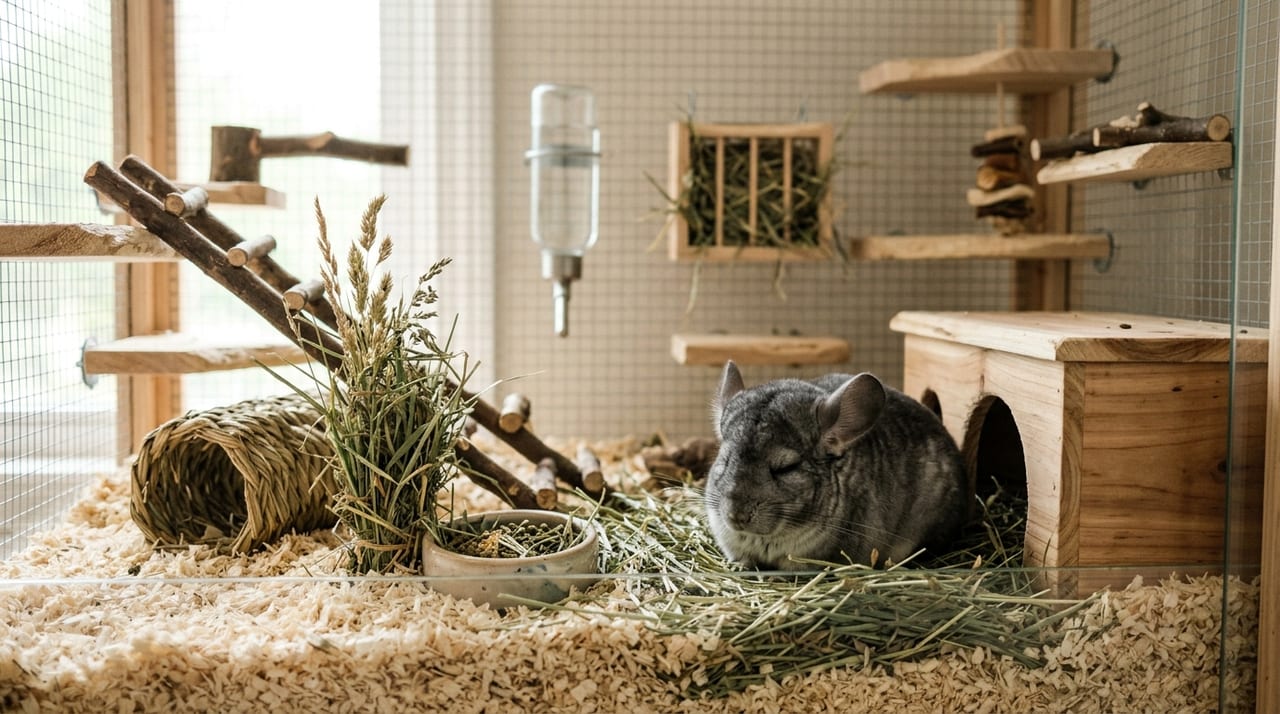
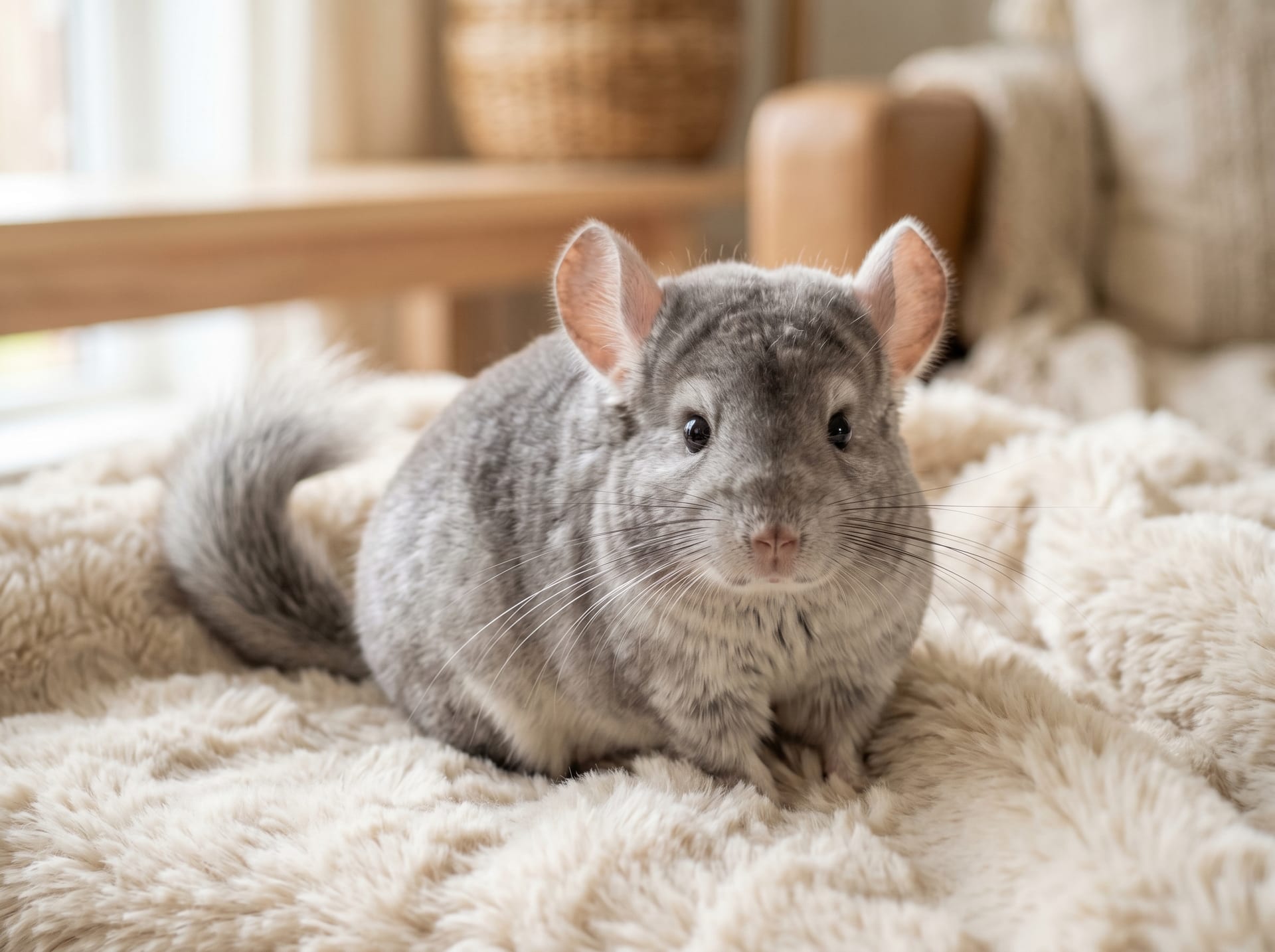
Chinchillas are nervous animals, especially vulnerable to heat and humidity, so environmental management is important.
Fur Slip (Clumps of Hair Loss) Trigger Causes
Unique to chinchillas, a stress response called "fur slip" occurs when they are frightened and shed clumps of hair. The following situations are common triggers:
Rough handling, forceful capture
Loud noises (vacuum, thunder, fireworks)
Sudden touching of face or body
Approach or presence of predators like dogs or cats
Strangers or abrupt environmental change
Hair lost to fur slip regrows over several months, but if the same area sheds repeatedly, consider skin disease or nutritional deficiency.
Sand Bath Refusal: Step-by-Step Solutions
Sand bathing is essential to chinchilla coat health. If they refuse, check in this order:
Wrong sand type → Switch to chinchilla-specific sand (chinchilla sand or zeolite-based)
Unsuitable container → Use a container large enough for the body to fit comfortably
Scary environment → Place the sand bath container in a safe spot within the cage
Skin or coat problems → If dermatitis or matted hair is present, consult a veterinarian
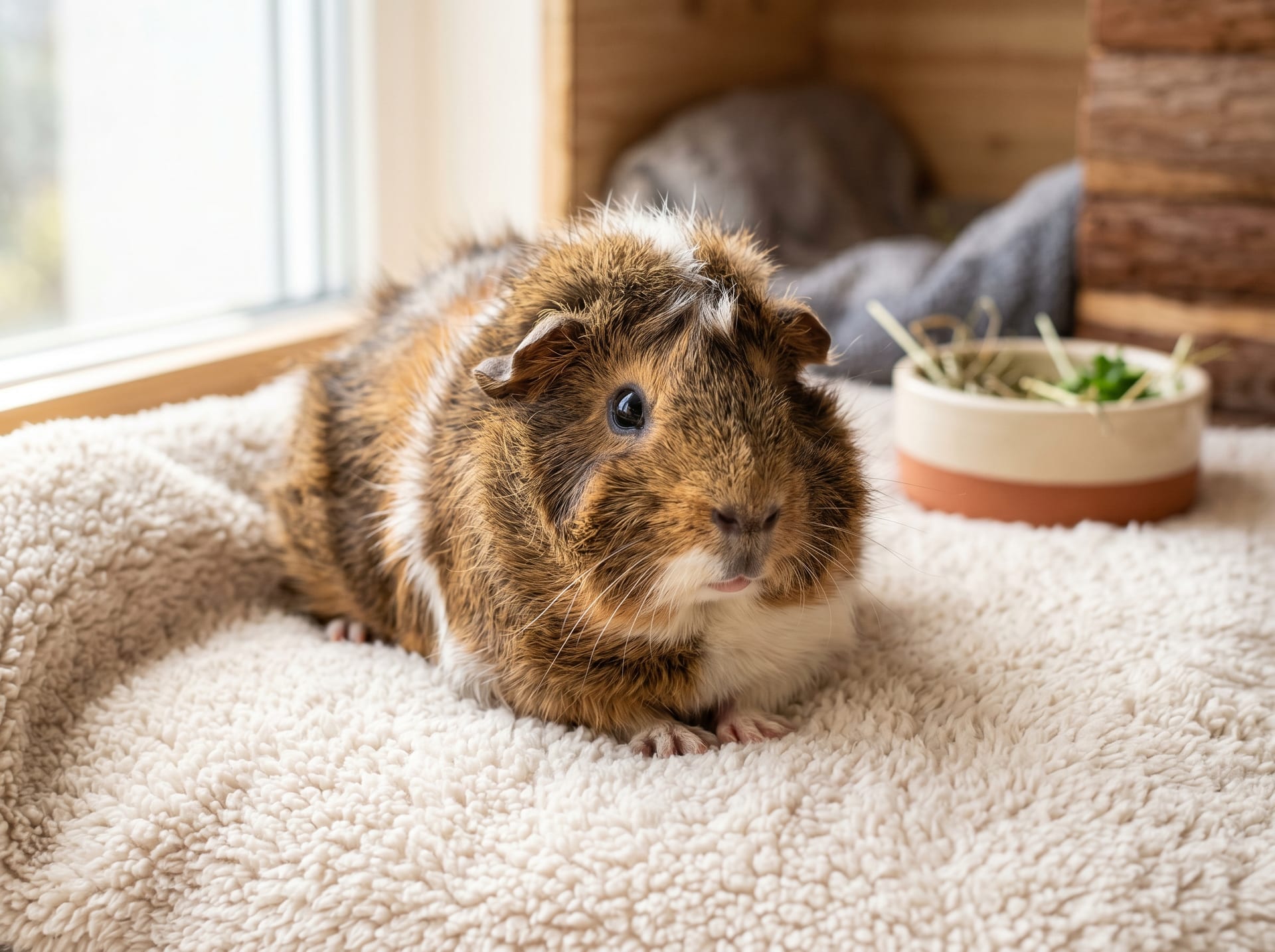
Guinea pigs are social animals that live in groups and are vulnerable to isolation.
Barbering (Hair Chewing): Multiple Causes and Solutions
Barbering is when guinea pigs chew their own or cage-mates' hair short. There are multiple causes, each with different solutions.
Cause
Solution
Boredom, lack of stimulation
Add toys, chew wood, hiding spots
Vitamin C deficiency
Daily vegetables and C supplements (they cannot synthesize it)
Poor compatibility
Observe cage-mates; separate if incompatible
Dermatitis, parasites
Veterinary skin and hair examination
Guinea Pig Vocalization Guide
Vocalization
Meaning
Prui-prui (Purring)
Contentment, request, anticipation of food
Squeaking
Calling, hunger, request
Grumbling (Chattering)
Threat, territorial assertion
Squeaking
Surprise, mild annoyance
Popcorning
Joy, excitement (while bouncing)
Shrieking
Severe fear, pain → urgent check
A sudden increase or change in vocalization is a sign of stress or illness. For details, refer to Guinea Pig Care Guide.
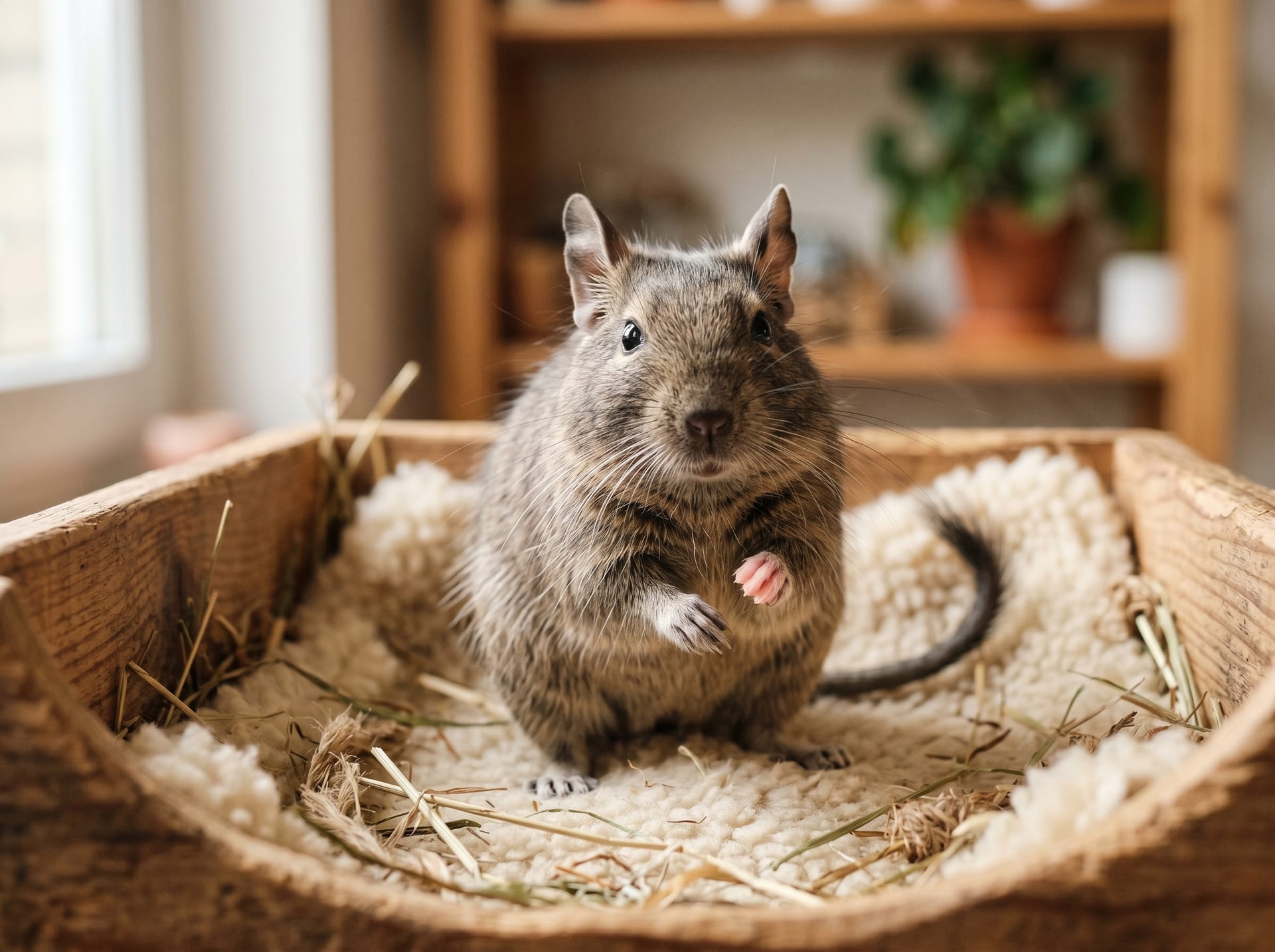
Degu Stress Signs
Degus are highly social rodents from Chile with high intelligence that bond well with owners. Their herding instinct makes isolation and lack of stimulation particularly stressful.
Important Behavioral Changes to Watch
Vocalization Changes: Degus communicate with varied vocalizations. If vocalization increases suddenly, higher-pitched sounds increase, or they become silent, this is a stress sign.
Hair Plucking and Excessive Grooming: Prolonged stress or boredom leads to self-plucking. If the abdomen or front limbs begin thinning, reassess the environment.
Lack of Response to Toys or Wheels: Normally curious degus respond to toys, but under stress or illness they lose interest.
Hyperactivity and Repetitive Running: Continuous running on the same route within the cage—stereotypic behavior—is an important sign of accumulated stress.
Degu Stress Prevention
Avoid Solo Housing: Minimum two degus is ideal. This highly social species finds solo housing extremely stressful.
Enriched Environment: Provide tree branches, chew wood, wheels, tunnels, and sand bath areas.
Sand Bathing: Like chinchillas, sand bathing is necessary (chinchilla sand can substitute).
Regular Sleep Schedule: Being diurnal, an ideal environment allows play during the day.
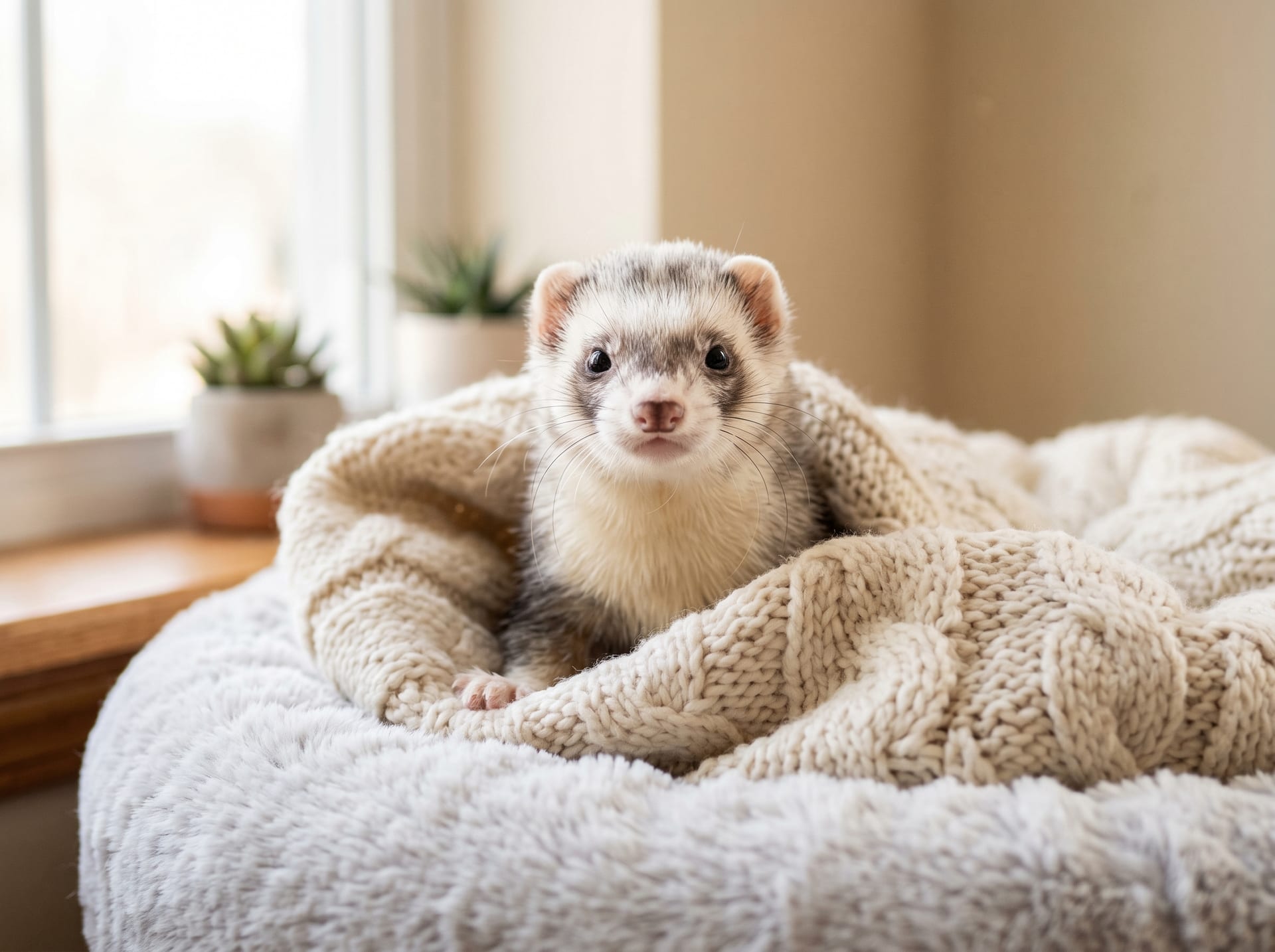
Ferret Stress Signs
Ferrets are playful and social animals but vulnerable to boredom and isolation.
Important Behavioral Changes to Watch
Excessive Biting: Ferret play-biting is normal communication, but if strong biting frequency increases, this is a stress sign. Insufficient playtime, cage boredom, and illness are common causes.
Lethargic and Not Playing: Normally active ferrets explore during free roam time, but remaining inactive when let out may indicate stress or illness. Adrenal disease and insulinoma require differential diagnosis. Ferrets develop adrenal disease increasingly after age 3–5, making regular health checks important.
Thinning Hair and Rat-Like Tail (Rat Tail): Symmetrical hair loss or tail hair loss appearing rat-like is a characteristic sign of both stress and adrenal disease. Consult a veterinarian promptly.
Abnormal Elimination Behavior: If a previously litter-trained ferret suddenly eliminates outside the toilet, stress or environmental dissatisfaction is likely. Review litter cleanliness and placement.
While stress signs in small animals differ by species, noticing "unusual behavior" quickly is most important. As of 2026, specialized information on degus and various hamsters is increasingly available from breeders and veterinarians. Develop keen observation skills to understand each animal's personality and behavior patterns and catch subtle changes. Evaluate stress causes from three perspectives—environmental, social, and health—and improve them one by one. Creating an environment where small animals can live safely and comfortably, despite their tiny bodies and full effort, is the ultimate responsibility of an owner.