Small AnimalsPublished: / Updated: | ✍️ BreederDirect Editorial
A Beginner's Guide to Rabbit Care | Cage, Diet, and Health Management Tips
Essential knowledge to know before welcoming a rabbit home. This guide covers cage size selection, how to feed timothy hay and pellets, grooming, and preventive measures for malocclusion and digestive issues.
Key Takeaways
Essential knowledge to know before welcoming a rabbit home. This guide covers cage size selection, how to feed timothy hay and pellets, grooming, and preventive measures for malocclusion and digestive issues.
Related Species
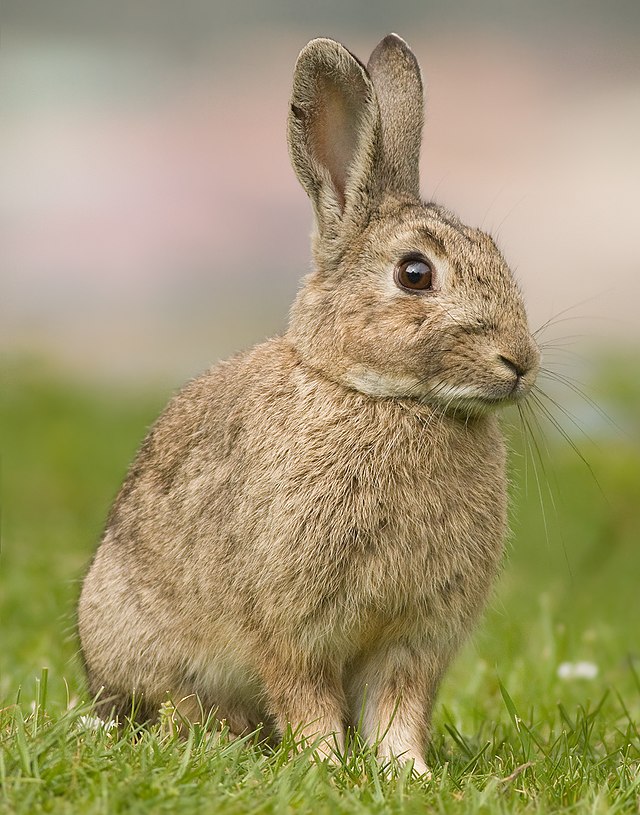
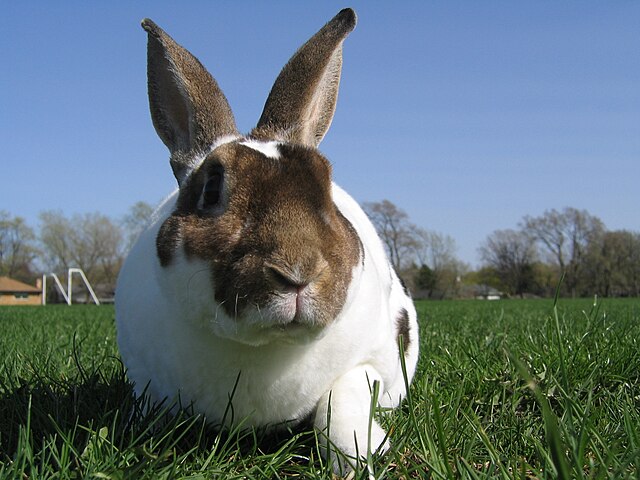
Rabbits are expressive and affectionate animals that are increasingly popular as easy-to-keep pets, even indoors. They make far fewer sounds than dogs or cats, making them an ideal choice for apartments and small dwellings. With a lifespan of 8 to 12 years and proper care, they can be cherished family members for many years. As of 2026, the rabbit-keeping population in Japan is on an upward trend, with more people choosing to welcome rabbits directly from breeders.
This article provides an easy-to-understand explanation of the essential knowledge for those welcoming a rabbit for the first time, from breed selection to cage setup, diet, and health management.
Popular Rabbit Breeds and Personality Differences
Rabbits come in many breeds, each with distinct appearances, personalities, and handling characteristics. Selecting a breed that fits your lifestyle is the first step to a long and happy life together.
Netherland Dwarf: The smallest breed, weighing around 1 kg. Their round faces and short ears are charming, making them the most popular breed. They have a slightly nervous disposition, so a quiet environment is ideal for their care.
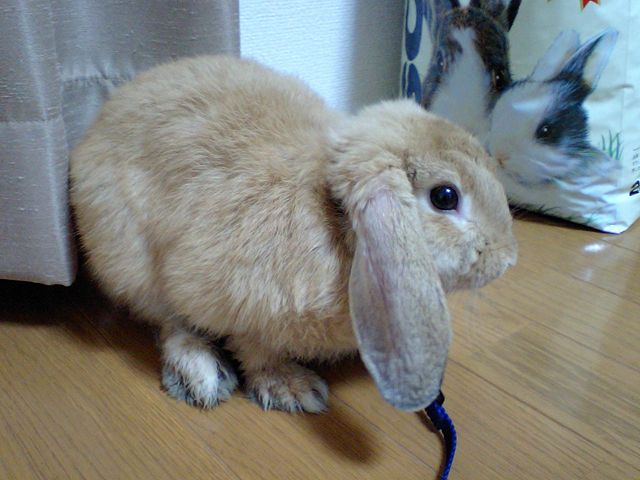
Holland Lop: Characterized by their distinctive drooping ears. Known for their calm and friendly temperament, they are recognized as a beginner-friendly breed.
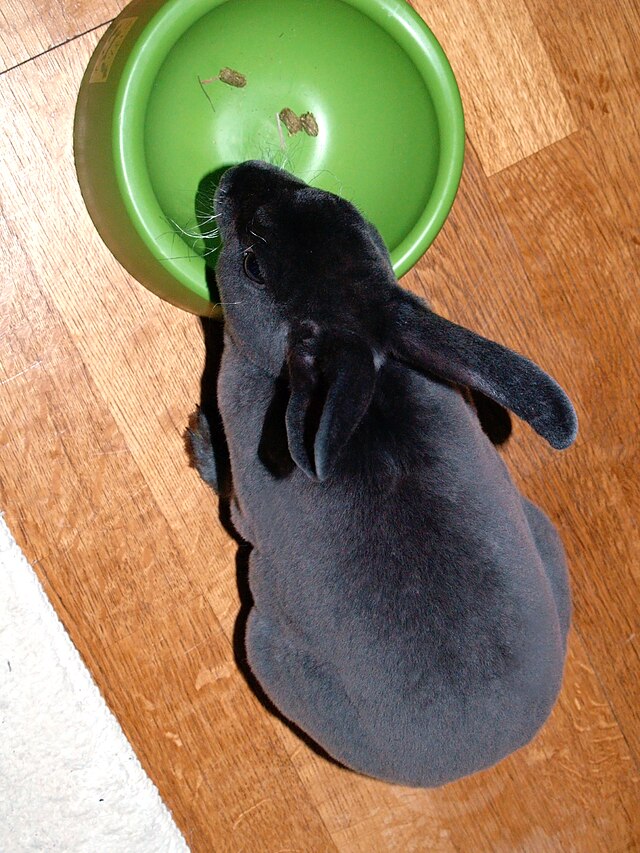
Mini Rex: Distinguished by their velvety, short, and dense coat. Their texture is exceptional, and many individuals tend to enjoy being held.
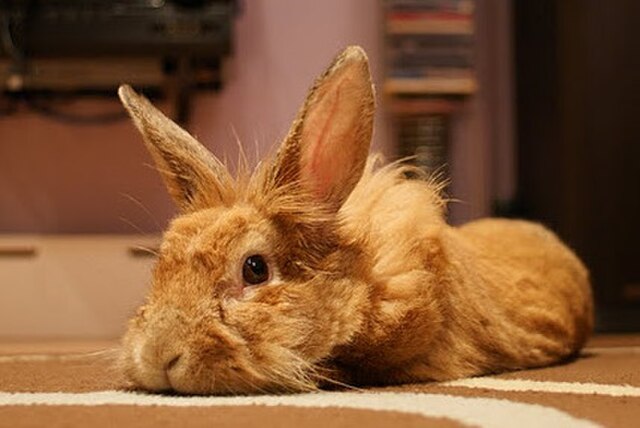
Lionhead: Features fluffy, long hair around the head that resembles a mane, making them a visually striking breed. Their coat requires diligent grooming.
Mini Rabbit (mixed breed): A general term for rabbits that are not of any specific breed. Their genetic diversity tends to result in sturdy builds, and their individual personalities are part of their charm.
After understanding the characteristics of each breed, choose one that matches your lifestyle and experience level. BreederDirect allows you to obtain rabbits directly from breed-specific breeders and confirm the breeder's experience and the rabbit's individual personality before purchase.
✍️
BreederDirect Editorial
The BreederDirect editorial team specializes in care information for animals, covering veterinary care and breeding to deliver beginner-friendly guides.
Find Small Animals on BreederDirect
Buy directly from verified breeders
Browse Related Listings
Find Small Animals listings related to this article on BreederDirect. Buy directly from verified breeders.
Related Tools
Related Articles
Browse by Category
🪸Coral
🐠Marine Fish
🐟Tropical Fish
🐡Goldfish
🐟Medaka
🦎Reptiles
Share
Setting Up a Cage and Living Environment
The cage and indoor environment where your rabbit spends its days directly affect its health and emotional stability. Establishing the right environment from the start can significantly reduce the risk of illness.
Cage Size and Placement
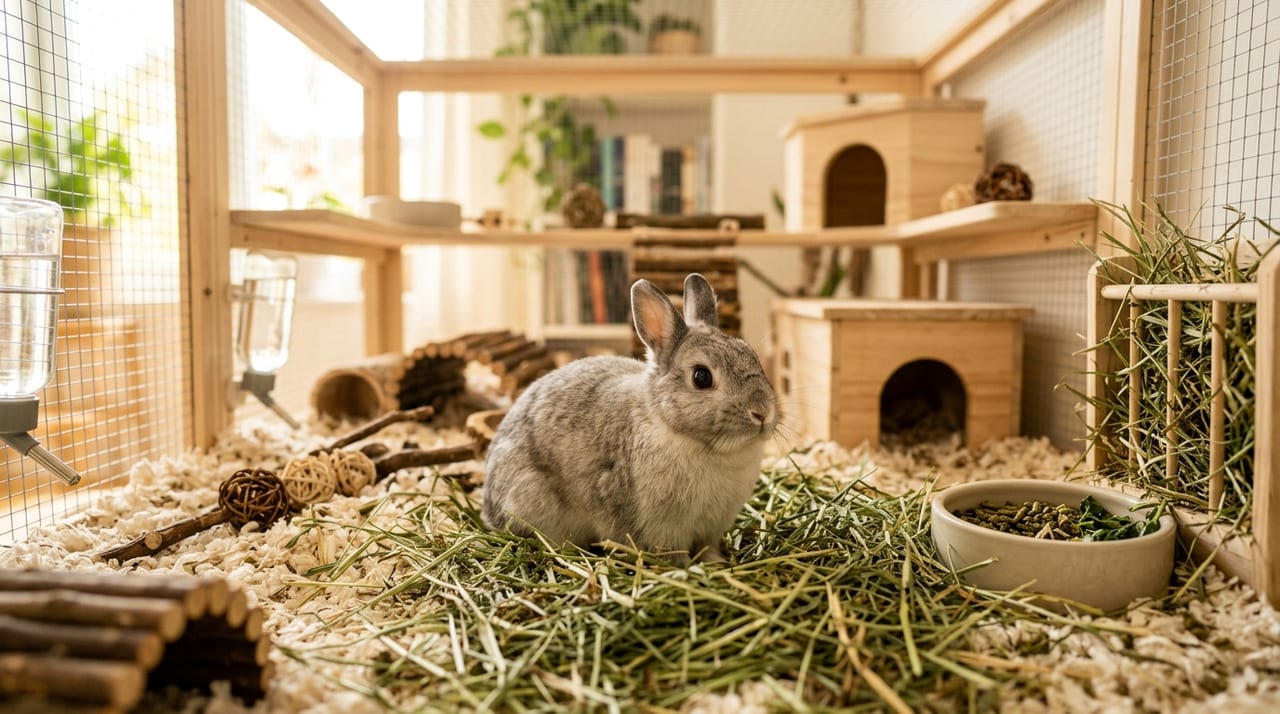
The recommended minimum cage size is 60×40 cm, though 80×50 cm or larger is preferable. Rabbits are stressed by confined spaces. Ample room to move actively helps maintain their leg and core muscle strength.
The ideal placement is in a quiet location with good ventilation, away from direct sunlight and air conditioning drafts. Avoid noisy areas and proximity to electrical appliances.
Flooring and Temperature Control
Grass mats or pet sheets are suitable flooring options. Wire flooring places pressure on the feet and can cause 'sore hock' (pododermatitis), so it should be avoided.
Temperature management is especially important, with an ideal range of 18–24°C. Rabbits are highly sensitive to heat, and temperatures exceeding 28°C increase the risk of heatstroke. During summer, air conditioning must be running to maintain a consistent room temperature.
Litter Box Training
Rabbits are quick to learn litter habits. By placing a litter box in the corner of the cage and moving it to where they have eliminated, they naturally learn the designated spot. Clean it daily to maintain hygiene.
Diet Basics | Building Around Timothy Hay
Diet management is one of the most important aspects of keeping your rabbit healthy. It is essential to understand not only what to feed your rabbit, but also what to avoid.
Timothy Hay (Main Diet • Fed Continuously)
The centerpiece of a rabbit's diet is timothy hay (a grass of the Poaceae family). Rich in fiber, it is essential for promoting tooth wear and maintaining a healthy digestive system. Ideally, provide it ad libitum so your rabbit always has access to fresh hay.
First cutting timothy, which is coarse and high in fiber, should be the primary choice. The softer second and third cuttings are more palatable but provide less tooth wear benefit, so they are best used as supplementary hay.
Pellets are offered as a supplemental diet to provide vitamins and minerals. The guideline for adult rabbits is approximately 1–3% of body weight daily; overfeeding can cause obesity and digestive problems. Select pellets that are timothy-based and high in fiber.
Vegetables and Treats
Leafy vegetables such as komatsuna, bok choy, celery, and parsley can be offered in small amounts. However, fruits are high in sugar and should be given only in tiny quantities.
Foods to never feed include alliums such as green onions, onions, and garlic; avocado; potato sprouts and skins; chocolate; and dairy products. These can cause toxicity, so it is essential to manage their environment carefully to prevent accidental consumption.
Health Management and Disease Prevention
Rabbits tend to hide signs of illness. Regular observation and early detection of any changes in behavior can be lifesaving.
Preventing Malocclusion
Rabbit teeth continuously grow throughout their lives. If they are not properly worn down, malocclusion (misalignment of teeth) can develop. Eating plenty of timothy hay is the best preventive measure. If you notice decreased appetite, excessive drooling, or frequent face touching, consult a veterinarian promptly.
Digestive Issues (Stasis)
'Stasis' (GI stasis), a condition where the gastrointestinal tract stops moving, is a life-threatening symptom unique to rabbits. If you notice lack of appetite, small or no fecal output, lethargy, or a distended abdomen, take your rabbit to a veterinarian within hours. A high-fiber diet and adequate exercise are effective preventive measures.
Grooming (Coat and Nail Care)
Short-coated breeds: Brush 1–2 times per week. Increase frequency during shedding season (spring and fall).
Long-coated breeds: Daily brushing is necessary. They are prone to matting, and ingested hair can cause digestive problems.
Nail trimming: Once per month is typical. If trimming at home, be careful not to cut the blood vessel. If unsure, have it done by a veterinarian or pet groomer.
Regular Health Checkups
We recommend annual or twice-yearly veterinary checkups. It is important to find a veterinarian who specializes in rabbits or is experienced with exotic animals. Regular checks of dental health, weight changes, and gastrointestinal function can help with early disease detection.
Understanding Rabbit Behavior and Emotions
Rather than vocalizing, rabbits express their emotions through behavior and body language.
Behavior
Meaning
Foot thumping (stamping)
Alert, dissatisfaction, anger
Binky (jumping and twisting the body)
Extreme happiness, joy
Teeth grinding (soft chattering)
Relaxation, contentment
Teeth grinding (loud grinding)
Pain, discomfort
Nose bonking
Requesting play or attention
Chin rubbing
Marking (scent glands under chin)
Flopping to the side
Feeling safe and relaxed
Summary | Enjoying a Long Life with Your Rabbit
With proper environment and diet management, rabbits can remain healthy and active for over 10 years. Beginners often struggle with three key points: overlooking the importance of timothy hay, insufficient summer temperature control, and delayed response to stasis. By incorporating the tips in this article into your daily care routine, you can create an environment where your rabbit can live safely and happily.
If you are considering welcoming a rabbit, consider obtaining a healthy rabbit directly from a trusted breeder through BreederDirect. By purchasing directly from a breeder, you can learn in detail about the breed's characteristics and the individual rabbit's personality and background, while also having access to ongoing support after bringing your rabbit home. Start your journey with your future family member in a safe and secure way.