[Beginner's Guide] Complete Guide to Keeping Small Animals | ブリちょく
Small Animals| ✍️ BreederDirect Editorial
[Beginner's Guide] Complete Guide to Keeping Small Animals
For beginners looking to start keeping small animals such as hamsters, rabbits, guinea pigs, chinchillas, and hedgehogs. This comprehensive guide covers the characteristics of each species, how to choose cages, bedding and food, temperature management, and essential preparations before bringing your pet home.
Key Takeaways
For beginners looking to start keeping small animals such as hamsters, rabbits, guinea pigs, chinchillas, and hedgehogs. This comprehensive guide covers the characteristics of each species, how to choose cages, bedding and food, temperature management, and essential preparations before bringing your pet home.
[Beginner's Guide] Complete Guide to Keeping Small Animals | From Choosing Your Species to Preparing for Arrival
✍️
BreederDirect Editorial
The BreederDirect editorial team specializes in care information for animals, covering veterinary care and breeding to deliver beginner-friendly guides.
Find Small Animals on BreederDirect
Buy directly from verified breeders
Browse Related Listings
Find Small Animals listings related to this article on BreederDirect. Buy directly from verified breeders.
Related Tools
Related Articles
Browse by Category
🪸Coral
🐠Marine Fish
🐟Tropical Fish
🐡Goldfish
🐟Medaka
🦎Reptiles
Share
Small animals require less space than dogs or cats and are quieter, making them accessible pets for those living in apartments. However, the term "small animal" encompasses many species—from hamsters to rabbits to chinchillas—each with vastly different environmental, dietary, and temperature requirements. This guide walks beginners through everything from choosing the right species to daily care.
---
Choose the Right Small Animal for You
Selecting a species that fits your lifestyle is the first crucial step to keeping a small animal happy and healthy for years to come.
Popular Small Animals and Basic Specifications
Species
Lifespan
Characteristics
Best For
Hamster
2–3 years
Nocturnal, space-efficient
Ideal starter pet for solo living
Rabbit
8–12 years
Affectionate, expressive
For those wanting a long-term companion
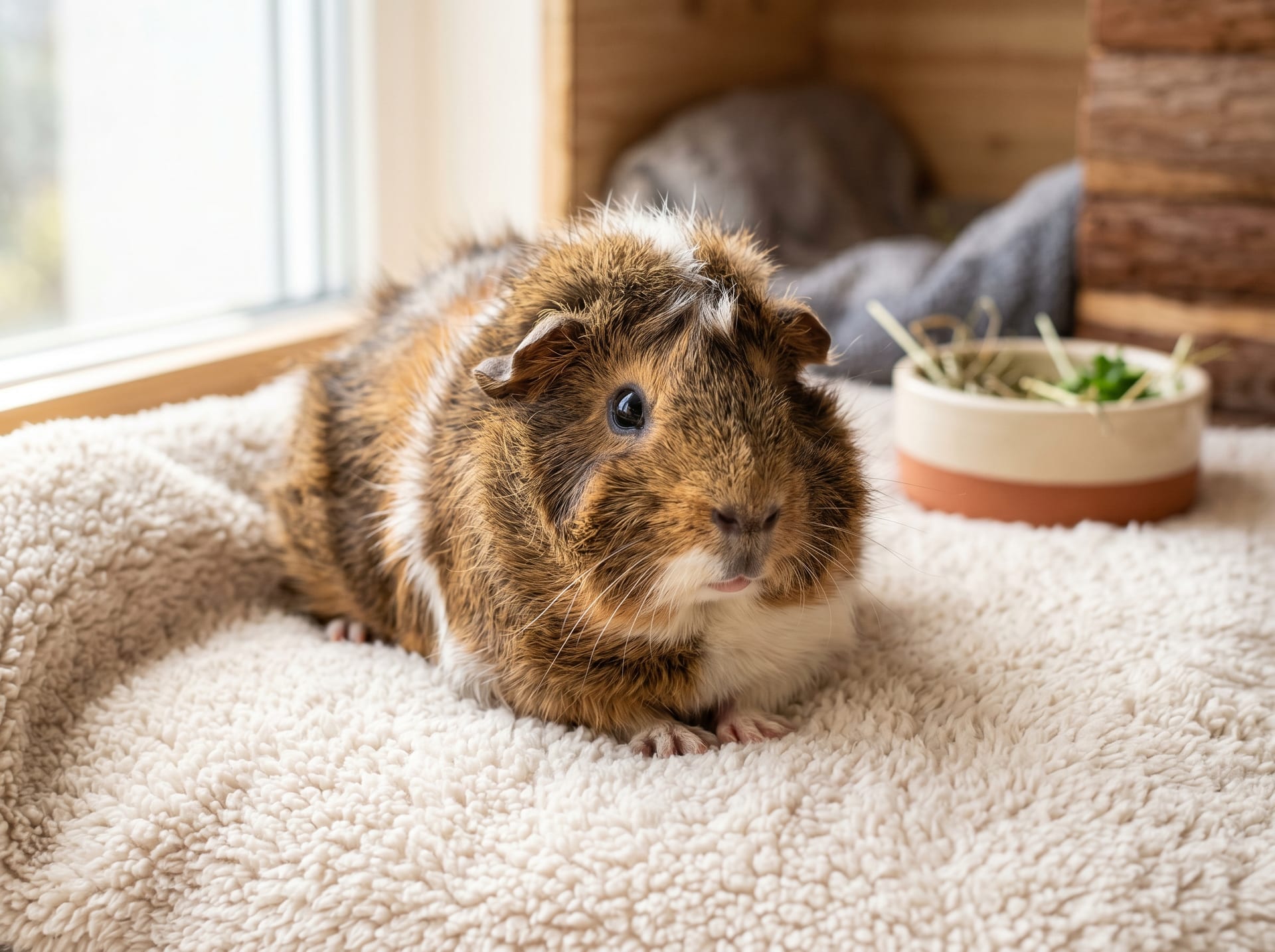
Guinea pig
5–8 years
Calm, social
For households with children
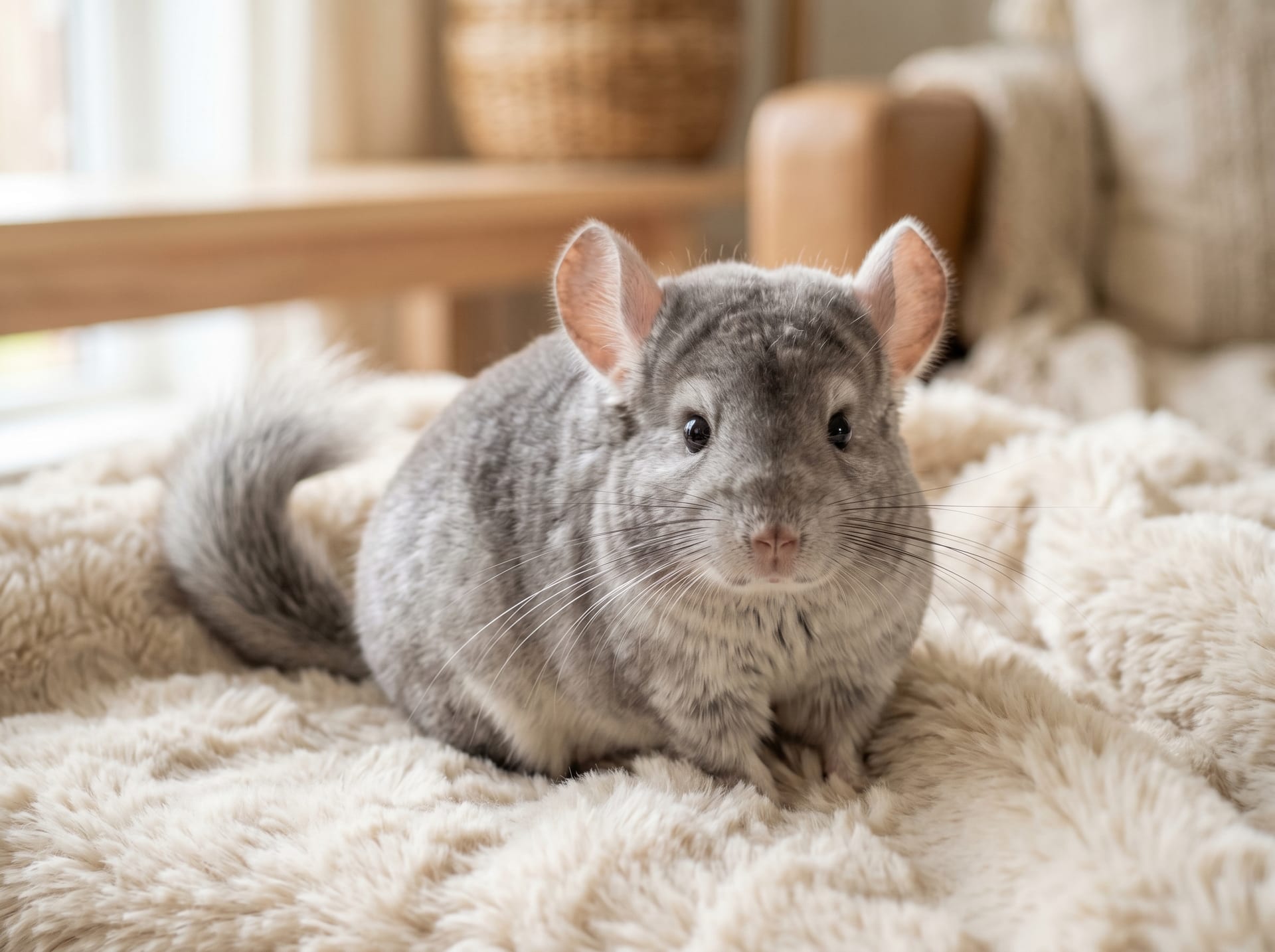
Chinchilla
15–20 years
Soft, fluffy coat
For those able to make a long-term commitment
Hedgehog
3–5 years
Unique personality, solitary
For those who enjoy close observation
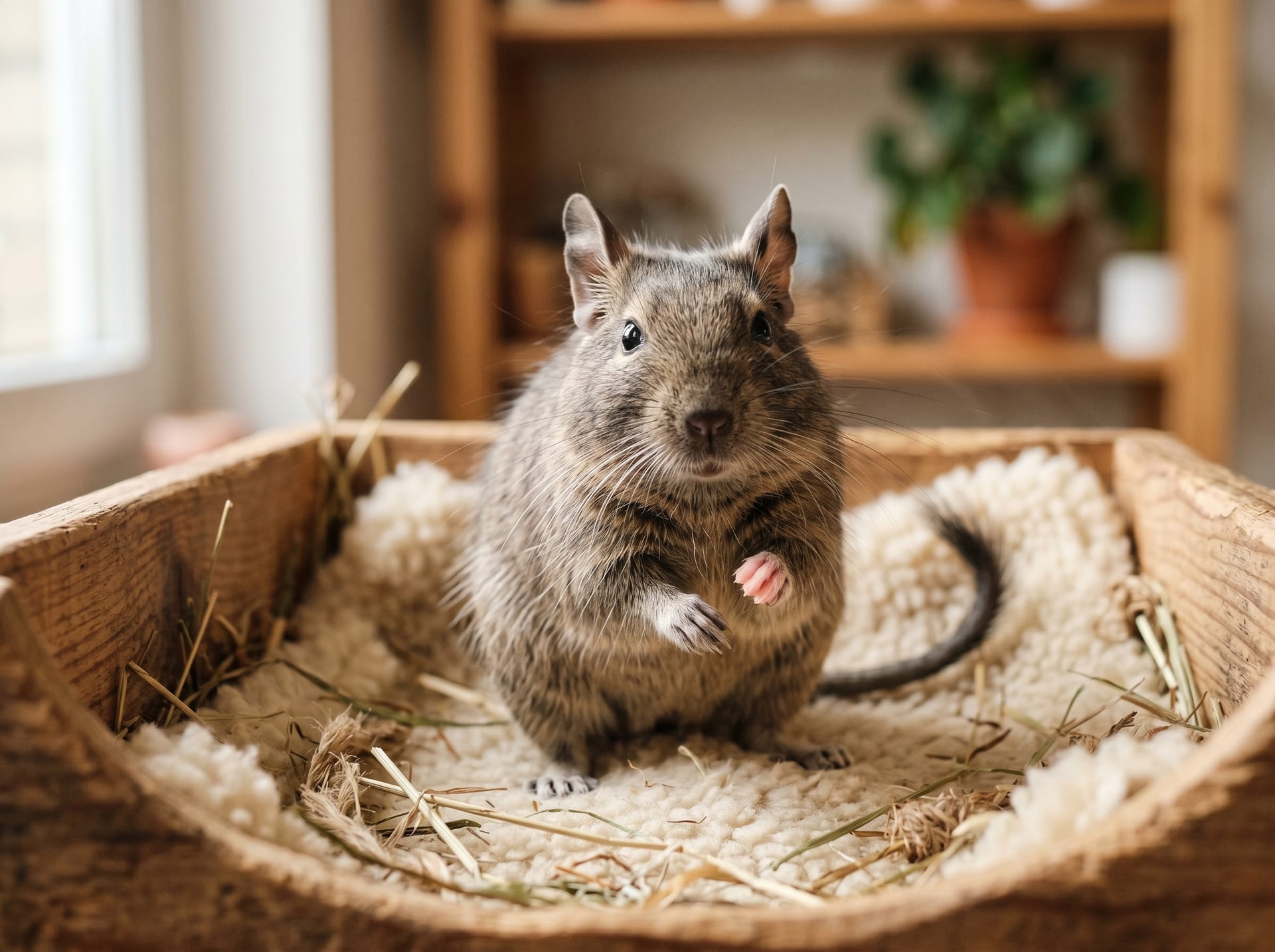
Degu
5–8 years
Intelligent, good for multiple
For those who enjoy interactive play
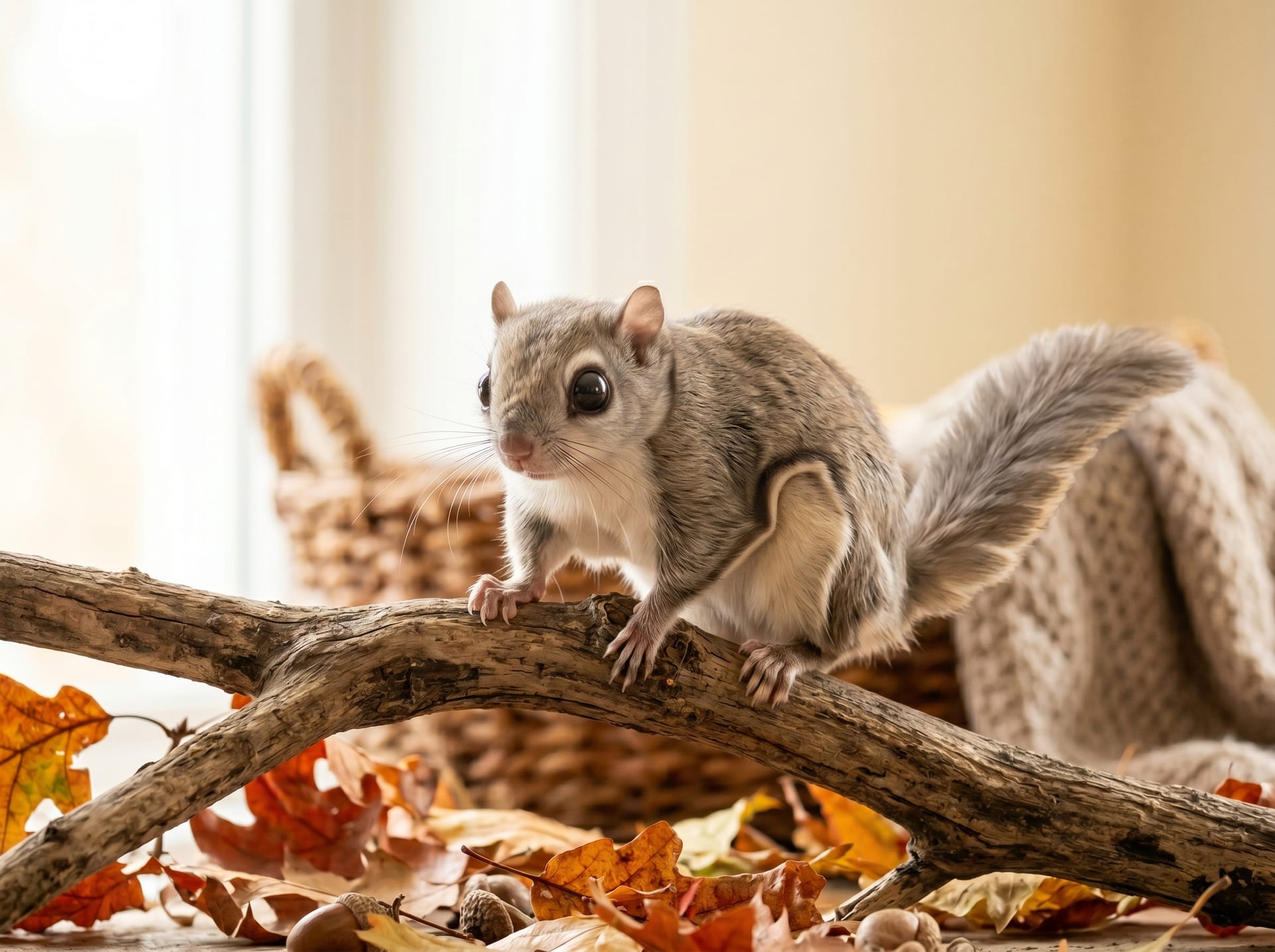
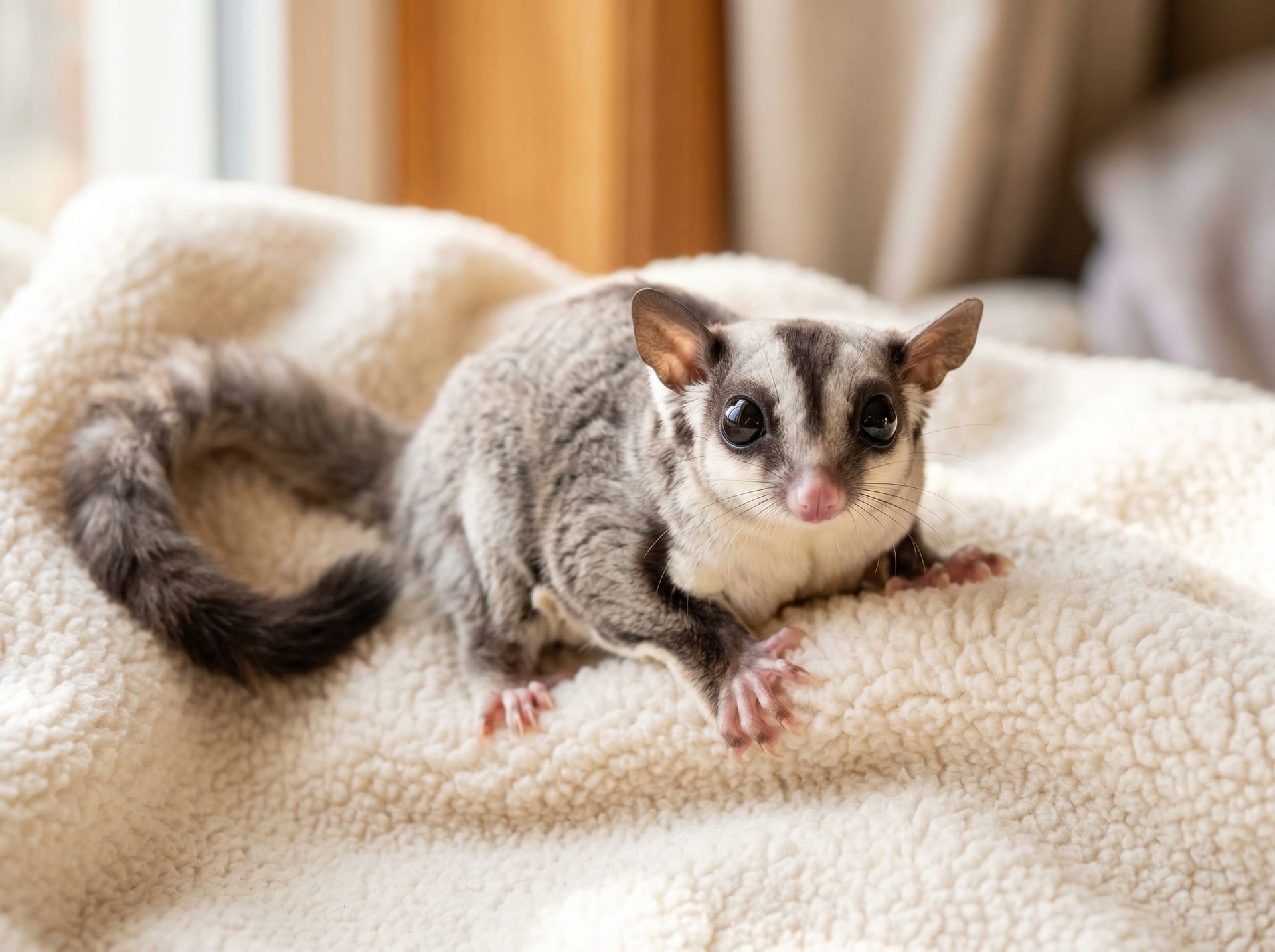
Sugar glider
10–15 years
Nocturnal, gliding ability
For those seeking a unique pet
The longer the lifespan, the greater the responsibility to care for the animal until the end. It's not uncommon for chinchillas and sugar gliders to be lifelong companions for over 15 years. Choose with consideration for your life stage. If you're considering a hedgehog, our Hedgehog Keeping Guide is also helpful. For hamster breed selection, see our Hamster Breed Comparison.
---
Choosing the Right Cage and Bedding
Recommended Cage Sizes
A cage that's too small causes stress for the animal. Know the recommended size for each species.
Species
Minimum Size
Recommended Size
Hamster (dwarf)
45×30 cm
60×40 cm
Hamster (golden)
60×40 cm
80×50 cm
Rabbit
60×40 cm
80×50 cm or larger
Guinea pig
60×40 cm
80×50 cm or larger
Chinchilla
60×45 cm, height 80 cm
Large multi-level cage
Hedgehog
60×45 cm
90×45 cm
Since chinchillas are very active vertically, a multi-level cage with adequate height is ideal, not just width. Rabbits and guinea pigs can compensate for exercise needs through supervised "floor time" outside the cage. For detailed cage layout tips, see our Complete Small Animal Cage Setup Guide.
Types of Bedding and How to Use Them
Choose bedding based on odor control, allergies, and absorbency.
Hardwood chips: Highly absorbent and suitable for rabbits and guinea pigs
Paper chips: Hypoallergenic and ideal for hamsters and hedgehogs
Timothy hay: Can serve as both bedding and food for rabbits and guinea pigs
Fleece liners: Suitable for chinchillas and hedgehogs. Washable and reusable for eco-friendly use
Note: The aromatic compounds in coniferous wood chips like cedar and pine can negatively affect small animals' respiratory systems. Even if they look or smell appealing, always choose hardwood.
---
Nutrition Basics and Important Considerations
The primary diet varies significantly by species. Never feed based on what looks appetizing to humans.
Hamster: Pellets as the main diet. Seeds like sunflower seeds are high in fat, so offer only as occasional treats. Vegetables (broccoli, carrots, etc.) should be limited to thumb-nail-sized portions
Rabbit: Timothy hay as the main diet, available free-feeding throughout the day. Pellets should be about 1–3% of body weight. Avoid overfeeding fruit due to high sugar content
Guinea pig: Timothy hay as main diet plus vitamin C is essential (they cannot synthesize it internally). Supplement with bell peppers or parsley
Chinchilla: Timothy hay as main diet with small amounts of specialized pellets. High-moisture vegetables and fruits can cause diarrhea
Hedgehog: Specialized food (low-fat, high-protein) plus insects like mealworms as supplementary food
Guinea pig vitamin C deficiency in particular can cause scurvy, so make vegetable supplementation a daily habit. Our Guinea Pig Care for Beginners provides more detailed nutrition guidance.
---
Temperature Management and Seasonal Care
Small animals are highly sensitive to temperature changes due to their small size. Temperature management is not optional—it's critical for survival.
Optimal Temperatures by Species and Seasonal Precautions
Species
Optimal Temperature
Seasonal Concerns
Hamster
20–26°C
Winter (risk of torpor)
Rabbit
18–24°C
Summer (heat stress)
Guinea pig
18–24°C
Both summer and winter
Chinchilla
15–22°C
Summer (above 25°C is dangerous)
Hedgehog
24–29°C
Winter (hibernation mode)
Summer: Keep room temperature at 28°C (82°F) or lower with air conditioning. Avoid direct sunlight near windows
Winter: Use pet heaters or heating pads. Hamsters can enter a hibernation-like state below 15°C (59°F), which can be fatal
Chinchilla: Extremely heat-sensitive compared to other small animals. Consider a dedicated cooler or cooling accessories for summer
For more detailed seasonal care strategies, see our Small Animal Summer and Winter Care Guide. Keep a thermometer and hygrometer near the cage and check readings regularly.
---
Pre-Arrival Preparation Checklist
It's important to prepare the environment before bringing your small animal home. Check these items in advance to avoid rushing on arrival day.
Have all cage equipment ready — water bottle, food dish, hiding places, exercise wheel (for hamsters, etc.)
Determine placement — Avoid direct sunlight, air conditioning drafts, and entryways with temperature fluctuations
Find an exotic animal veterinarian — General dog and cat clinics may not treat small animals
Get family consensus — Don't forget to check for allergies, especially to rabbit fur
Stock one week of food and bedding — Prepare in case you can't shop immediately after bringing your pet home
Observe quietly for 1–2 weeks after arrival — Minimize stress by avoiding excessive handling until they adjust to their new environment
Welcome a Healthy Small Animal with Confidence Through Brichoku
Brichoku is a platform where you can welcome small animals directly from trusted breeders. Unlike pet shops, the biggest advantage is the transparency—you can verify the animal's birthplace, parents' condition, and care history.
Direct communication with breeders: Ask husbandry questions and share concerns before and after arrival
Many breeders offer ongoing support: A reassuring environment where beginners can ask questions
Easy health verification: Confirm the animal's condition through photos, videos, and breeder profiles
If you're anxious about keeping a small animal for the first time, take full advantage of communicating with Brichoku breeders. With the right knowledge and a trustworthy source, living with a small animal will enrich your life.
![[Beginner's Guide] Complete Guide to Keeping Small Animals](https://img.br-choku.com/column-images/small-animal-beginner-guide/hero-1778967266561.jpg)