Complete Guide to Taming Small Animals | Building Trust with Your Pet
How to tame small animals by species (hamsters, rabbits, ferrets, etc.), step-by-step approaches, and common mistakes to avoid.
Key Takeaways
How to tame small animals by species (hamsters, rabbits, ferrets, etc.), step-by-step approaches, and common mistakes to avoid.
Related Species
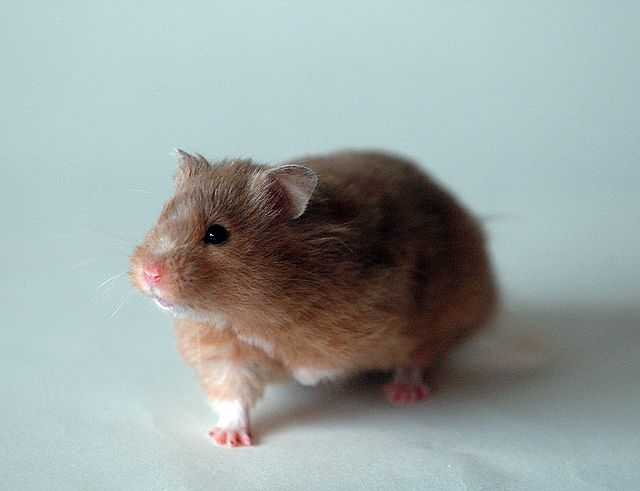
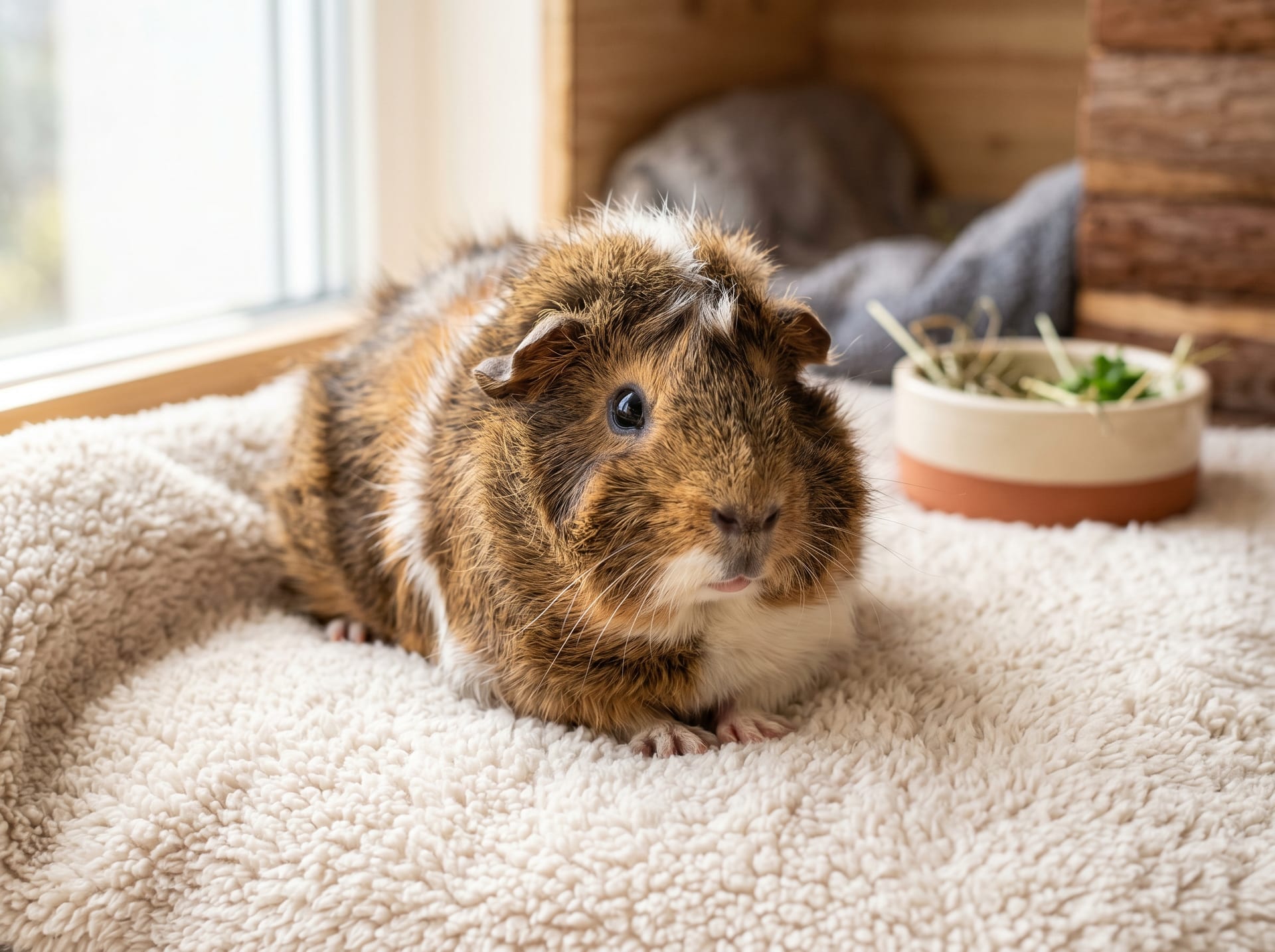
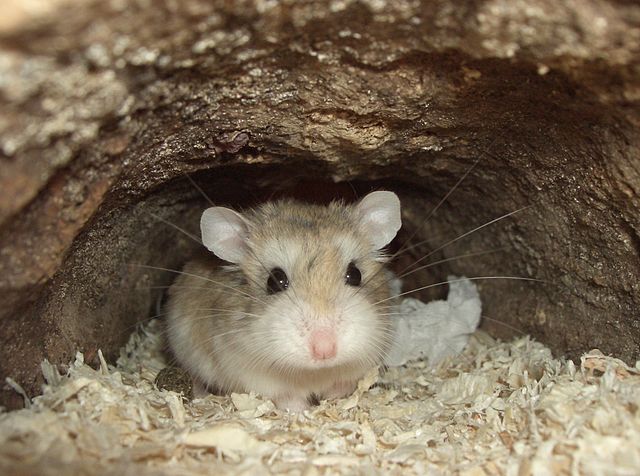
Many pet owners who bring home small animals struggle with them not becoming tame. Compared to dogs and cats, small animals are naturally wary and are instinctively prey animals—it's important to understand this. This guide provides detailed explanations of how to tame small animals by species and how to build trust with them.
Basic Principles to Know Before Taming
The most important thing when taming small animals is not to rush. The speed at which they become accustomed to humans varies greatly depending on the species and individual personality.
- Understand their prey animal instincts: Most small animals are prey in nature. Reaching down from above triggers the fear of being attacked by birds of prey
- Recognize individual differences: Even within the same species, there are big personality differences. Spend extra time with shy individuals
- Maintain consistent behavior: Interacting at set times each day with a calm voice and gentle movements builds the foundation of trust
- Don't force what they dislike: Forcibly picking them up or chasing them will significantly delay building trust
A rough timeline for taming is 1-4 weeks for hamsters, 2-8 weeks for rabbits, 1-2 weeks for ferrets, and 2-4 weeks for guinea pigs. However, this is just a guideline, and some individuals may take several months.
How to Tame Hamsters
Hamsters are nocturnal and naturally wary animals, but many individuals can be tamed with the right approach.
- Days 1-3 after bringing them home: Don't touch the cage; let them adjust to their environment. They're sensitive to new smells and sounds, so watch quietly
- Day 4 - Week 1: Speak gently to them through the cage. Repeat their name so they learn your voice
- Weeks 1-2: Place treats on your fingertip and put your hand in the cage. Patiently wait for the hamster to approach on its own
- Weeks 2-3: Place treats on your palm and wait for the hamster to climb onto your hand
- Week 3 onward: Once they're on your palm, gradually lift them up, supporting their whole body, and take them out of the cage
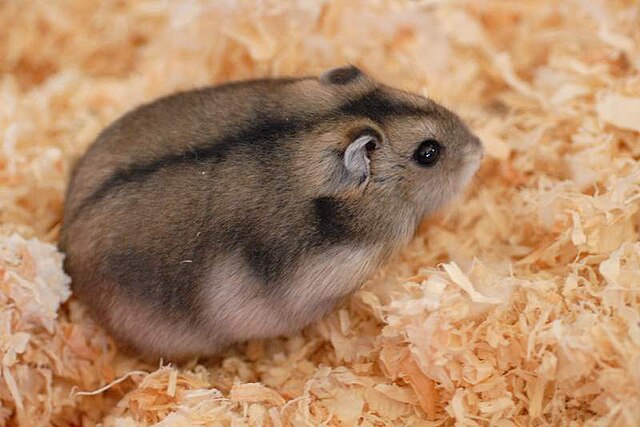
Syrian hamsters are relatively easy to tame, and Dwarf Winter White hamsters can also become hand-tame with habituation. On the other hand, Roborovski hamsters are better suited for observation and tend to be difficult to hand-tame.
How to Tame Rabbits
While rabbits are shy, they're social and intelligent animals that can recognize their owners. With time, you can build a deep bond with them.
- Provide a safe space: First, create a hiding spot in the cage and wait for the rabbit to come out on its own
- Interact from floor level: Sit on the floor to match the rabbit's eye level. A tall human standing over them is a source of fear
- Let them learn your hand's scent: Offer your hand so they can smell it. Rabbits recognize individuals by scent
- Know where to pet: Most rabbits like their foreheads and the base of their ears. Avoid the belly and feet as they usually dislike being touched there
- Close the distance with treats: Use small pieces of banana, apple, or dried fruit to establish the habit of eating from your hand. Details on types of hay and how to feed rabbits are covered in "Complete Guide to Rabbit Hay"
When a rabbit stomps their back feet ("thumping"), it's a sign of alertness or dissatisfaction. If you see this behavior, remove the cause. Conversely, tooth purring (a soft grinding sound) is a sign of contentment.
How to Tame Ferrets, Guinea Pigs, and Degus
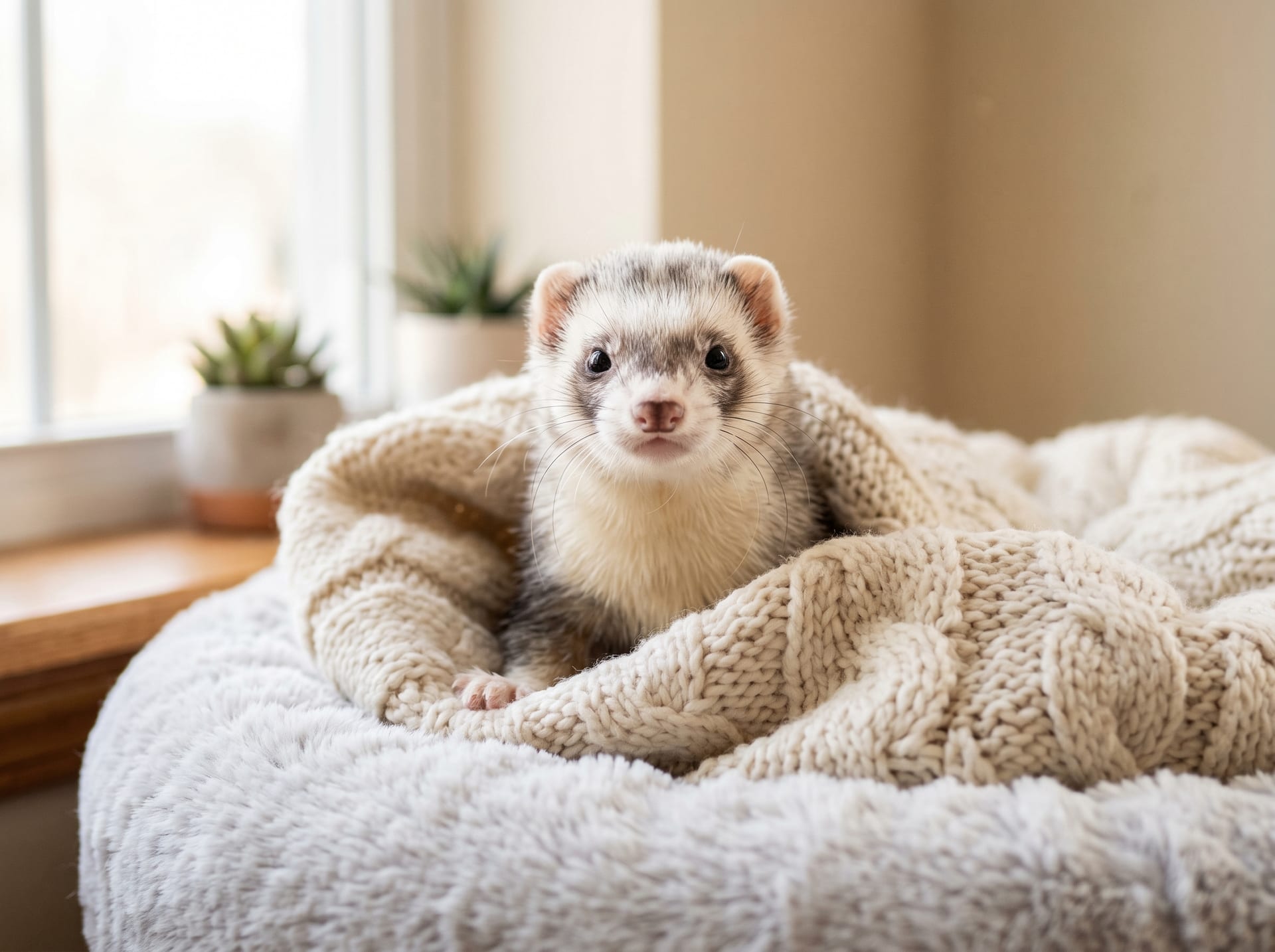
Ferrets are curious and highly social, making them relatively quick to tame. Building friendship through play is the most effective method.
- Ferrets: Start playing with them right after bringing them home. Natural trust develops through games with tunnels and balls. If they have a biting habit, tell them "no" in a low voice and stop playing when they bite
- Guinea pigs: They're herd animals, so teach them to see you as part of their group. When kept with other guinea pigs, they relax more and become friendlier to people. Start by handing them vegetables
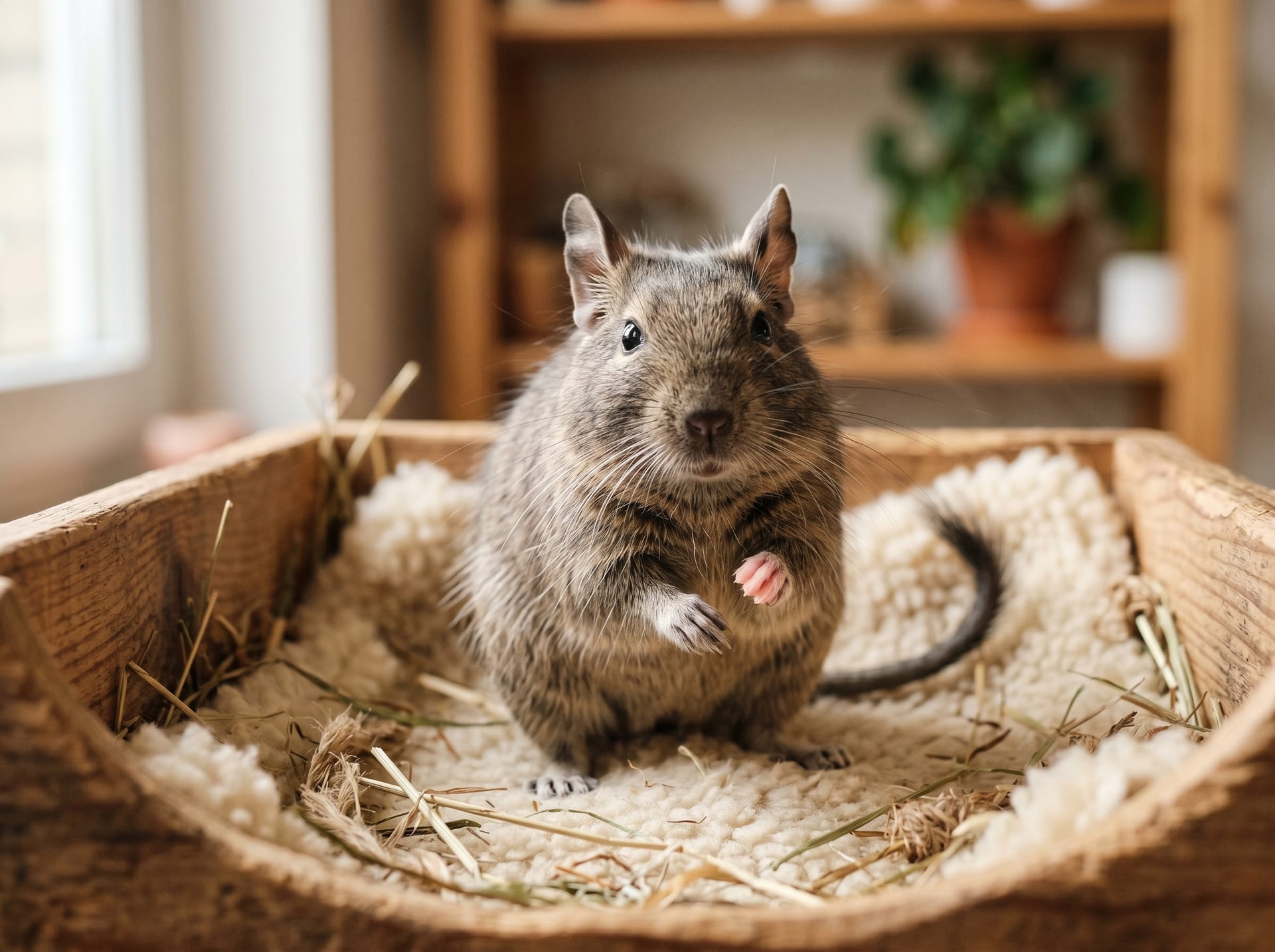
- Degus: They're extremely intelligent and can learn their names and recognize their owners individually. Combining voice calls with treats is effective. Degus have various song-like vocalizations and excel at communication
What these animals have in common is the importance of building positive experiences. Through fun memories like treats and play, teach them that "humans = good things happen."
What NOT to Do: Common Mistakes
It's also important to know what NOT to do during the taming process.
- Suddenly grabbing them: Seizing them from above with a grip is the worst thing to do. It triggers the fear of being caught by a predator
- Touching them while they sleep: Most small animals strongly dislike having their sleep interrupted. Always interact with them when they're awake
- Loud noises or sudden movements: Small animals have sharp hearing; loud noises or sudden movements can cause panic
- Contact while wearing strong scents: Strong scents stress small animals. Wash your hands and make them odorless before interacting
- Chasing them: Chasing them in the cage or during free-roaming time makes them see you as an "enemy"
- Prolonged handling: Start with short periods and gradually increase the duration. Small animals get stressed from prolonged restraint
Once fear is instilled, it takes many times longer to rebuild trust. Even if you make a mistake, stay calm and be prepared to start over carefully from the beginning.
Tips for Deepening Your Bond
Even after they've become somewhat tame, it's important to continuously maintain and deepen your bond.
- Daily interaction: Even for short periods, develop the habit of touching them every day. If there's a gap, their wariness may return
- Body checks for health monitoring: Regularly touching their body to check for abnormalities helps with early detection of illness if something goes wrong
- Call their name before giving treats: Repeating the sequence of name → treat will make them respond to their name
- A stable living environment: Frequently changing the cage location or disrupting their daily rhythm increases stress and wariness
- Involvement from all family members: When all family members interact with them the same way, rather than just one person, trust in humans grows overall
Welcome Your Small Animal from a Trusted Breeder on BreederDirect
How easily small animals become tame depends greatly on their early experiences with human contact. Animals raised under breeders' care with proper human handling tend to tame faster than those displayed long-term in pet shops.
On BreederDirect, you can purchase small animals directly from trusted breeders. A major benefit of buying directly from breeders is that you can get direct advice about their living environment and taming methods. To handle any unexpected health issues calmly, it's reassuring to read ahead the "Emergency Care & First Aid Guide for Small Animals". Including post-purchase support, start your small animal life with confidence.