Campbell's Dwarf Hamster Complete Care Guide | Personality, Color Morphs, Diabetes Risk, and Longevity Tips
Campbell's dwarf hamster: lifespan 1.5–2.5 years, 9–12 cm long. How to tell it from a Djungarian (winter white) hamster, handling a bite-prone temperament, cage setup, and a diet that prevents diabetes so it lives a long life.
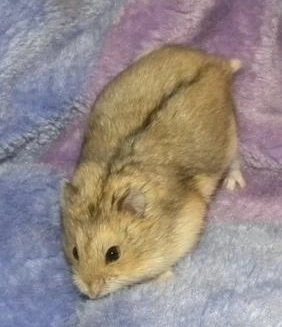
Key Takeaways
Campbell's dwarf hamster: lifespan 1.5–2.5 years, 9–12 cm long. How to tell it from a Djungarian (winter white) hamster, handling a bite-prone temperament, cage setup, and a diet that prevents diabetes so it lives a long life.
Related Species
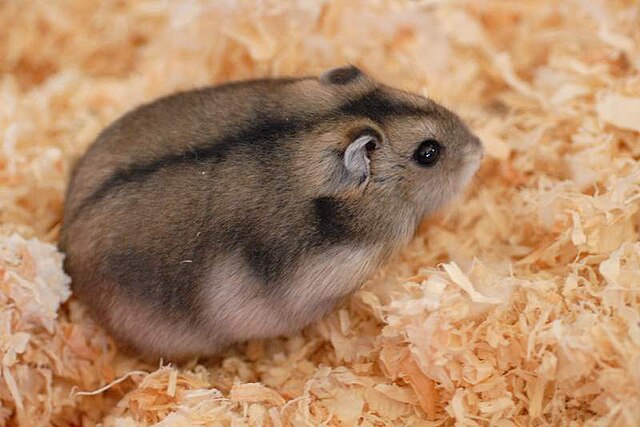
About Campbell's Dwarf Hamsters
Campbell's Dwarf Hamster (Phodopus campbelli) is a dwarf hamster species native to the grasslands of southeastern Russia, Mongolia, and northern China. At 9–12 cm in body length and weighing 30–50 g, this is a small breed also known in Japan as "Campbell" or "Campbell's Djungarian."
Although closely related to the Djungarian hamster (Phodopus sungorus), they are distinct species. Pet shops often mix both species in their inventory, making them difficult to distinguish.
How to Distinguish Campbell's from Djungarian Hamsters
| Feature | Campbell's | Djungarian |
|---|---|---|
| Nose shape | Slightly round, broad | Sharp, narrow nose |
| Body shape | Slightly rounded | Slim body type |
| Dorsal stripe | Black back stripe may be pale | Clear, distinct black back stripe |
| Winter coat change | Rarely changes | Turns white in winter (seasonal color change) |
| Temperament | More prone to biting | Generally docile |
Color Variations
Campbell's dwarf hamsters exhibit diverse colors due to mutations, with variations beyond the standard normal coloration.
- Albino (white with red eyes)
- Black (solid black)
- Lilac/Blue (pale blue-gray)
- White (Sapphire)
- Platinum (pale gray)
- Cinnamon (reddish-brown orange)
The variety of color morphs is one reason why Campbell's dwarf hamsters are popular among collectors and breeders.
Personality and Behavioral Characteristics
Campbell's dwarf hamsters have an active and curious personality. However, some individuals can be timid and prone to biting, and they are sometimes said to bite more frequently than Djungarian hamsters.
Personality Traits
- Nocturnal (active in the evening and at night)
- Relatively strong territorial instinct
- Some individuals take time to acclimate
- Once a bond is established, they can learn to be handled
Handling Tips
- Handle them daily from a young age (take advantage of the socialization period)
- Avoid sudden movements and approach slowly with your hand
- Wait for the hamster to climb onto your hand willingly (don't grab forcefully)
- Don't scream if bitten (startling them increases their wariness)
Setting Up the Habitat
Cage Size
Despite their small size, they are very active and require a cage with a minimum base of 60 cm wide × 40 cm deep. A cage with a large floor area is more suitable than a tall one.
| Recommended Cage Type | Features |
|---|---|
| Modified plastic storage bin | Easy to provide large floor area, can customize ventilation |
| Aquarium-style (glass/acrylic) | Low escape risk, can add more bedding |
| Metal mesh cage | Good ventilation but escape risk possible even with small openings |
Bedding
Provide bedding at least 10–15 cm deep to encourage natural behaviors such as burrowing. Wood chips (aspen or birch) or paper-based bedding are suitable. Avoid cedar and cypress as their essential oils can affect the respiratory system.
Exercise Wheel
A wheel with a diameter of 17–21 cm is necessary. If too small, the hamster will bend its spine while running, placing strain on the vertebrae. A silent wheel is easier to maintain.
Dietary Management and Diabetes Prevention
Campbell's dwarf hamsters are known to be prone to diabetes. The risk of developing the disease increases significantly with commercial fruit-based mixed diets or excessive sugary treats.
Dietary Basics
| Food Item | Proportion | Notes |
|---|---|---|
| Hamster-specific pellets | 60–70% | Primary food source for consistent nutrition |
| - Low-sugar seeds (pumpkin, sunflower) | 15–20% | Limit sunflower seeds due to high fat content |
| Protein sources | 10% | Dried fish, mealworms (2–3 times per week) |
| Vegetables | 10% | Broccoli, carrot (small portions), bok choy |
Foods to avoid: sugary sweets, chocolate, onions, avocado, citrus fruits, grapes (including skin)
Signs of Diabetes
- Increased thirst and urination (sudden increase in water consumption)
- Weight loss despite having an appetite
- Early-onset cataracts
- Sweet-smelling urine
If these signs appear, consult a veterinarian specializing in exotic animals. Some cases can be managed with insulin therapy or dietary adjustments.
Health Care and Longevity Tips
Average Lifespan and Longevity Factors
Campbell's dwarf hamsters have an average lifespan of 1.5–2.5 years, which is typical for dwarf hamster species. With proper care, some individuals can live close to 3 years.
Five keys to longevity:
- Restrict sugar: Minimize sunflower seeds and fruit
- Spacious cage and deep bedding to reduce stress
- Adequate exercise: Maintain daily access to an exercise wheel
- Temperature control (22–26°C): Avoid extreme temperature fluctuations
- Regular health checks: Weekly weight checks and monthly full-body examinations
Caution with Multiple Hamsters
While multiple Campbell's dwarf hamsters can be housed together, there is a risk of injury from territorial conflicts. Males especially require careful monitoring. If housing multiple hamsters, provide a spacious cage with multiple food dishes, wheels, and nesting boxes, and be prepared to separate them immediately if fighting occurs.
Summary
Campbell's dwarf hamsters are an attractive breed known for their diverse color varieties and active personalities, but their high diabetes risk requires special attention. Low-sugar diet, adequate exercise, and a stress-free environment are key to longevity.
Build a trusting relationship through patient handling during their acclimation period, and cherish their 1.5–2.5 year lifespan (potentially up to 3 years with excellent care).