Complete Guide to Teddy Bear Hamster Care | Personality, Lifespan, and Fluffy Coat Care
Comprehensive guide to Teddy Bear Hamster characteristics, lifespan, grooming, housing, and diet management for healthy long-haired Golden Hamster care.
Key Takeaways
Comprehensive guide to Teddy Bear Hamster characteristics, lifespan, grooming, housing, and diet management for healthy long-haired Golden Hamster care.
Teddy Bear Hamster Complete Care Guide | Personality, Lifespan, and Fluffy Coat Care
✍️
BreederDirect Editorial
The BreederDirect editorial team specializes in care information for animals, covering veterinary care and breeding to deliver beginner-friendly guides.
Find Small Animals on BreederDirect
Buy directly from verified breeders
Browse Related Listings
Find Small Animals listings related to this article on BreederDirect. Buy directly from verified breeders.
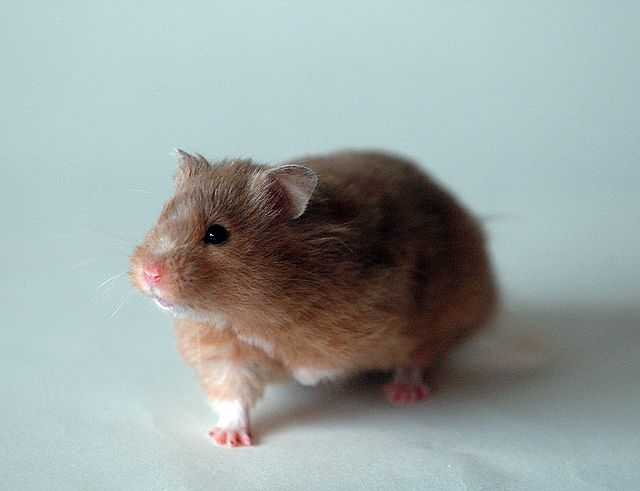
Teddy Bear Hamsters are popular hamsters called "living stuffed animals" due to their round and fluffy appearance. Formally, they are the long-haired variety of Golden Hamsters, and are beloved under names such as "Teddy Bear Hamster" and "Teddy Hamster." This article provides detailed explanations of Teddy Bear Hamster characteristics, care methods, long-haired coat care, lifespan, and health management.
What is a Teddy Bear Hamster?
Teddy Bear Hamsters are long-haired varieties of Golden Hamsters (Syrian Hamsters). Compared to regular Golden Hamsters, their fur is longer and feels exactly like a stuffed animal when touched. Particularly, males tend to have longer fur.
Basic Specifications
Item
Details
Scientific Name
Mesocricetus auratus
Body Length
13-18cm
Body Weight
90-180g
Fur Length
Maximum 5-7cm (males have longer fur)
Lifespan
2-3 years
Activity Time
Nocturnal
Differences from Golden Hamsters
Teddy Bear Hamsters are essentially the same as regular Golden Hamsters in all characteristics except their coat. The biggest difference is fur length, and this long coat increases the importance of grooming.
Shared Characteristics:
Strong sense of territory; solitary housing is basically necessary
Nocturnal, so they sleep a lot during the day
Have the habit of storing food in their cheek pouches
May enter a "pseudo-hibernation" similar to hibernation
Personality and Behavior of Teddy Bear Hamsters
Many Teddy Bear Hamsters have relatively mild personalities and, once accustomed to handling, become hand-tame and respond to their names. However, individual differences are significant, and some may take time to adjust.
Typical Behavioral Patterns
Signs of Familiarity:
Self-grooming on your hand
Sleeping on your hand
Relaxing during hand handling
Signs of Wariness:
Staying still without moving (freezing)
Hissing as a threat
Biting your hand
About Sociability
Golden Hamsters are solitary animals even in the wild. Housing them with others of their species results in fierce fighting and can lead to injuries or even death. Solitary housing is always necessary.
Teddy Bear Hamster Housing Environment
Choosing a Cage
Teddy Bear Hamsters need sufficient space for activity.
Finely shredded kitchen paper: Inexpensive and easy to manage
Bedding to Avoid:
Pine or cedar wood chips: Chemicals attach to long fur, risking dermatitis
Cotton-like materials (cotton-type): Tangles in fur, and swallowing can cause intestinal blockage
Bedding Depth: 15-20cm (deep enough to dig burrows is important)
Choosing an Exercise Wheel
Teddy Bear Hamsters need a wheel with a diameter of 21cm or larger. Too small a wheel causes them to run with a curved back, putting strain on the spine.
Material: Plastic or solid steel mesh base (no gaps)
Sound: Silent-type is recommended (since they are nocturnal, noise becomes an issue at night)
Avoid: Metal runners (risk of feet getting caught)
Grooming the Coat of Teddy Bear Hamsters
The long fur that is the trademark of Teddy Bear Hamsters can develop mats and accumulate dirt without proper care, risking dermatitis.
Regular Brushing
Frequency: 2-3 times per week (daily if fur becomes longer)
What You'll Need:
Small slicker brush
Fine-tooth comb
Pet grooming mitt (for finishing)
Brushing Steps:
Place the hamster gently on your hand and let it relax
Brush the fur on the back from back to front
The belly is especially prone to tangling, so groom carefully
For mats, gently work them out with a comb (don't pull hard)
Care of the Rear and Anal Area
Long-haired hamsters especially tend to get dirty around the anal area.
Check daily, and wipe with cotton dampened in lukewarm water if dirty
If fur gets dirty easily, trim to an appropriate length
If urine stones are attached, consult a veterinarian
Trimming When Necessary
For show purposes, long fur is maintained, but in home care, trimming to 2-3cm is an option for hygienic reasons. Especially for summer months or elderly individuals, shorter fur is more comfortable.
Diet Management for Teddy Bear Hamsters
Basic Diet
Food
Proportion
Points
Pellets (hamster-specific)
60-70%
High-quality brands as main food
Hay and seeds
20-30%
Small amount of timothy hay; be careful with sunflower seeds causing obesity
Fresh vegetables
Small amount
Broccoli, carrots, cucumbers, etc.
Protein
Small amount
2-3 times per week, mealworms or boiled chicken breast
Foods Requiring Caution
Never Give:
Green onions and onions (toxic)
Chocolate and sweet treats
Avocado
Citrus fruits (burden on digestive system)
Foods containing alcohol
About Sunflower Seeds:
Hamsters love sunflower seeds, but they are high in fat, so limit to 2-3 seeds per week. Overfeeding causes obesity and fatty liver disease.
Health Management and Illness in Teddy Bear Hamsters
Common Diseases and Prevention
1. Pseudo-Hibernation (Hypothermia)
When room temperature drops below 15°C, pseudo-hibernation may occur. Unlike true hibernation, body temperature drops without proper nutrition and water preparation, making it dangerous.
Prevention: Keep room temperature at 18-26°C
If found: Warm gently with your hands until fully awake and continue warming
2. Wet Tail (Wetail)
A type of diarrhea/enteritis where the area around the tail becomes wet. More common in young hamsters, and can be fatal within days if left untreated.
Symptoms: Diarrhea, wet tail, lethargy
Treatment: Consult a veterinarian immediately
3. Cheek Pouch Prolapse
When food gets stuck in cheek pouches or the pouch prolapses outside the mouth.
Prevention: Don't give sticky foods (caramel, etc.)
Prolapse requires veterinary reduction
4. Skin Diseases
Long-haired varieties are prone to dermatitis and fungal infections (ringworm).
Watch for signs of hair loss, red skin, or itching
Lifespan and Elderly Care
Teddy Bear Hamsters have an average lifespan of 2-3 years. They enter their senior years after 1.5-2 years.
Care Points for Elderly Hamsters:
Switch to high-protein, low-fat diet
Place water bottle at low position
Use thicker bedding for warmth
Avoid sudden environmental changes
Welcoming a Teddy Bear Hamster from a Breeder
Selection Tips
Fur is uniformly long without mats
Eyes are round and clear (no discharge)
Active movement (especially check in evening)
Anal area is clean
At least 4-6 weeks old (early weaning leads to behavioral problems)
What to Confirm When Choosing a Breeder
Cleanliness of the breeding environment
Health and temperament of the parents
Post-adoption support
Vaccination and health screening status
Conclusion
Teddy Bear Hamsters not only have an adorable appearance but also show an affectionate side once they become accustomed to you. While long coat grooming requires effort, this care time becomes valuable communication that deepens your trust with your hamster.
By maintaining a proper housing environment (cage size, bedding, temperature control), daily grooming, and a balanced diet, Teddy Bear Hamsters can live their short 2-3 year lifespan in health and happiness.
Getting a healthy individual from a trustworthy breeder and maintaining daily observation is the first step toward a rich life with your Teddy Bear Hamster.