Gerbil Complete Care Guide | Desert-Dwelling, Burrowing-Loving Small Animal
Complete Gerbil Care Guide: Learn how to house Mongolian gerbils with deep bedding that satisfies their digging instinct, provide a low-moisture diet suited to their desert origins, understand the importance of social group housing, and master essential health management tips—all explained clearly for beginners.
Key Takeaways
Complete Gerbil Care Guide: Learn how to house Mongolian gerbils with deep bedding that satisfies their digging instinct, provide a low-moisture diet suited to their desert origins, understand the importance of social group housing, and master essential health management tips—all explained clearly for beginners.
Related Species
What Are Gerbils (Jirds)?
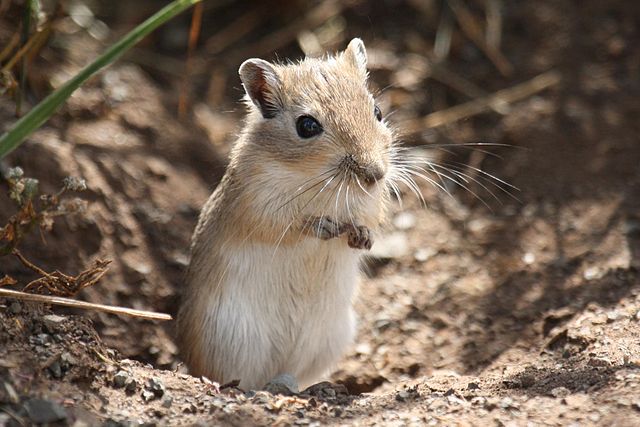
Gerbils (Meriones unguiculatus), formally known as Mongolian gerbils, are rodents native to the arid desert regions of Mongolia and northern China. In Japan, they are known by the names "gerbil" or "suna nezumi."
Though small—only 10–15 cm in body length (20–25 cm including the tail)—they are curious and highly active animals. While often compared to hamsters, they follow a pattern closer to diurnal activity, allowing for extended interaction time with their owners.
Basic Gerbil Specifications
| Item | Details |
|---|---|
| Body Weight | 60–100 g |
| Body Length | 10–15 cm (excluding tail) |
| Lifespan | 3–5 years |
| Activity Period | Day and night (more active during the day than hamsters) |
| Native Habitat | Desert regions of Mongolia and northern China |
| Sociability | High (live as pairs or small groups) |
Bedding Design to Satisfy Burrowing Instincts
The most distinctive feature of gerbils is their strong burrowing instinct. In the wild, they live by excavating deep tunnel systems, and in captivity, insufficient bedding depth causes stress.
Recommended Bedding Depth
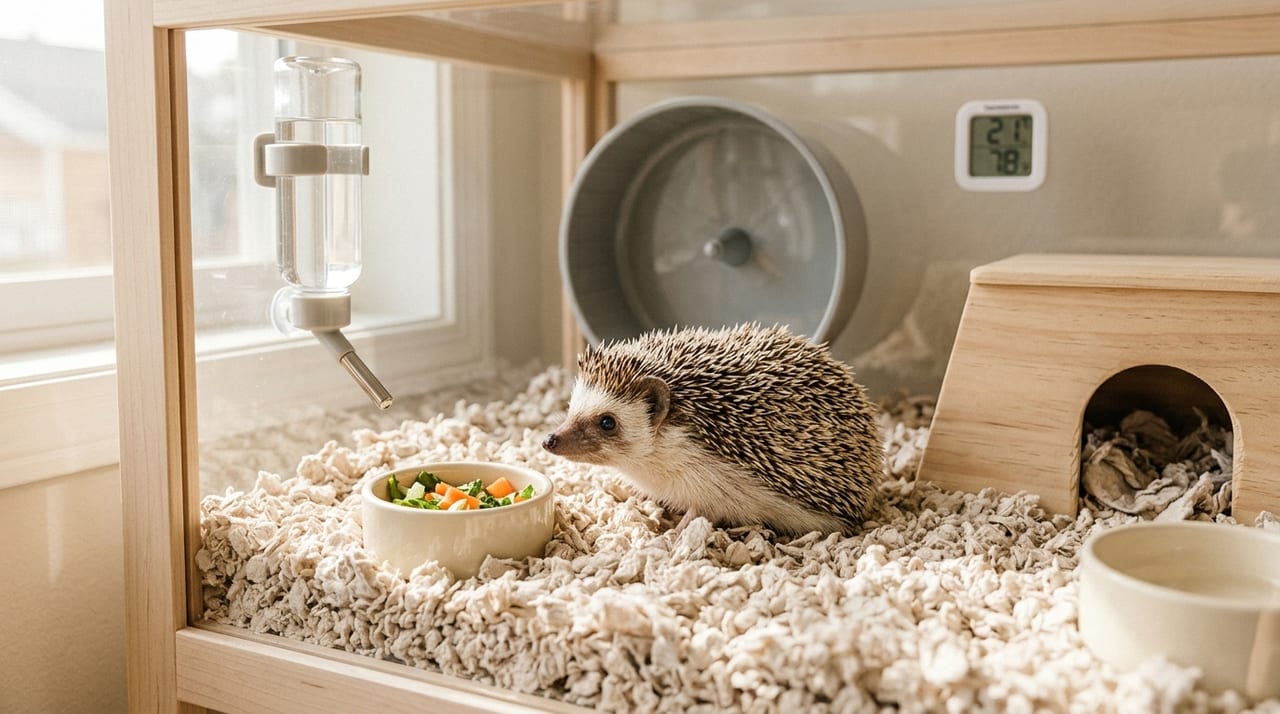
A minimum of 10 cm, ideally 15–20 cm or more of bedding should be provided. Glass aquarium-style enclosures or acrylic tank-style enclosures are ideal, allowing you to observe burrowing activity from the sides (conventional plastic cages often have bottoms that are too shallow).
Recommended Bedding Materials
- Timothy hay: An ideal fibrous material for burrowing. Safe and readily available
- Softwood-free wood shavings: Birch chips, poplar chips, etc. (conifer woods like pine and cedar are harmful)
- Paper bedding: Soft and safe, though it may not compact as deeply
- Sand: Adding sand (such as chinchilla sand) in sections allows them to sand bathe
Points for Choosing an Enclosure
Tank-style enclosures (with a width of 45 cm or more) are recommended for creating a suitable burrowing environment. A secure lid is essential on top to prevent escape.
Feeding Management for Desert-Origin Animals
Since gerbils are desert-origin animals, they require very minimal water intake. In the wild, they feed on dry seeds, grasses, and roots, obtaining most of their hydration from food.
Recommended Diet
| Food Item | Proportion | Notes |
|---|---|---|
| Timothy hay | 40–50% | Replenish continuously. Important for digestion and dental health |
| Gerbil/hamster pellets | 30–40% | Low-fat, sugar-free options |
| Seeds and grains | 15–20% | Millet, canary seed, etc. Limit sunflower seeds (high fat content) |
| Fresh vegetables | Small amount | Low-moisture leafy vegetables. Excessive amounts cause diarrhea |
Water Must Be Available at All Times
Even though gerbils are desert-origin animals, providing clean water via a bottle sipper is essential in captivity. While they obtain water from food in nature, captive diets have lower water content, so supplementation is necessary.
Foods to Avoid
- High-fat nuts and excessive sunflower seeds (cause obesity)
- Chocolate and sugary foods
- Avocado and onion family plants
- Watery fruits (cause diarrhea)
Social Animals: Pair Housing is Ideal
Gerbils are highly social animals, and pair or small group housing of the same sex is ideal. Research suggests that solitary housing causes stress from isolation and can shorten lifespan.
When keeping same-sex pairs, siblings typically have good compatibility. Introducing new individuals to adult gerbils is difficult, so housing them together from juvenility is the standard approach.
Body Odor, Excretion, and Cleanliness
Because gerbils are desert-origin animals, they produce very little urine with minimal odor. Since they defecate in the same designated area, removing waste once or twice per week from that spot keeps the entire enclosure clean.
Complete bedding replacement is often sufficient every 1–2 months (change it sooner if odor or soiling becomes apparent).
Health Management and Common Illnesses
Seizures
Gerbils have a breed-specific tendency toward seizures. Startling them or sudden bright light exposure can trigger episodes. During a seizure, observe without touching; keep the environment quiet once they stabilize.
Otitis Media and Rhinitis
Respiratory and ear infections are relatively common. Head tilting while resting (torticollis), sneezing, and nasal discharge are signs to seek veterinary care.
Digestive Disorders
Diarrhea can result from abrupt diet changes or excessive intake of watery vegetables. Introduce dietary changes gradually.
Dental Issues (Malocclusion)
This occurs when timothy hay intake is insufficient. Loss of appetite and wetness around the mouth are early warning signs.
Taming and Handling
Gerbils are curious and become accustomed to handling easily. During the first 1–2 weeks, let them adjust to their cage without handling; start by offering food from your hand.
- Extend your palm and wait for them to climb aboard on their own
- Avoid grabbing suddenly; repeat voluntary mounting and dismounting
- Gradually extend interaction time while talking to them
With proper technique, most gerbils become hand-tame. They are active and enjoy free roaming, but escape risk is high (they can squeeze into furniture gaps and chew cords, which is dangerous).
Summary: Five Essentials for Gerbil Care
- Deep bedding (15 cm or more) to satisfy burrowing instincts
- Diet centered on dry foods (minimal fruit and watery vegetables)
- Group housing of same-sex pairs or more (prevent isolation stress)
- Glass or acrylic tank-style enclosures that allow enjoyable observation
- Know the seizure risk and avoid sudden stimulation
With their unique desert adaptations and keen curiosity, gerbils are delightful animals to observe. Providing a care environment that respects their burrowing nature is the key to long-term, healthy care.