Small Animal Summer and Winter Care | How to Stay Safe Without Air Conditioning | ブリちょく
Small Animals| ✍️ BreederDirect Editorial
Small Animal Summer and Winter Care | How to Stay Safe Without Air Conditioning
Methods to protect small animals vulnerable to heat and cold during seasonal changes. This guide explains how to prevent hamster pseudo-hibernation, protect rabbits from heat stroke, manage chinchillas during summer, and choose the right heaters and cooling products.
Key Takeaways
Methods to protect small animals vulnerable to heat and cold during seasonal changes. This guide explains how to prevent hamster pseudo-hibernation, protect rabbits from heat stroke, manage chinchillas during summer, and choose the right heaters and cooling products.
Related Species
Small Animal Summer and Winter Care | How to Stay Safe Without Air Conditioning
Small animals have limited thermoregulation abilities due to their small body size, and Japan's sweltering summers and cold winters pose a life-threatening danger. A moment of carelessness—thinking "it should be fine for a little while"—can lead to irreversible tragedy. This article systematically outlines the ideal and critical temperature ranges for representative small animals such as hamsters, rabbits, and chinchillas, then provides detailed strategies for both summer and winter. Before bringing a small animal home, be sure to also review our Complete Guide to Small Animal Care to prepare your environment.
---
Know the Ideal and Dangerous Temperatures by Species
First, it's important to understand that the comfortable temperature range varies significantly by species. Accurately knowing the ideal temperature for the animal you keep is the starting point for all care measures.
Species
Ideal Temperature
Dangerous (Low)
Dangerous (High)
Hamster
20–26°C
Below 15°C (pseudo-hibernation)
30°C or higher
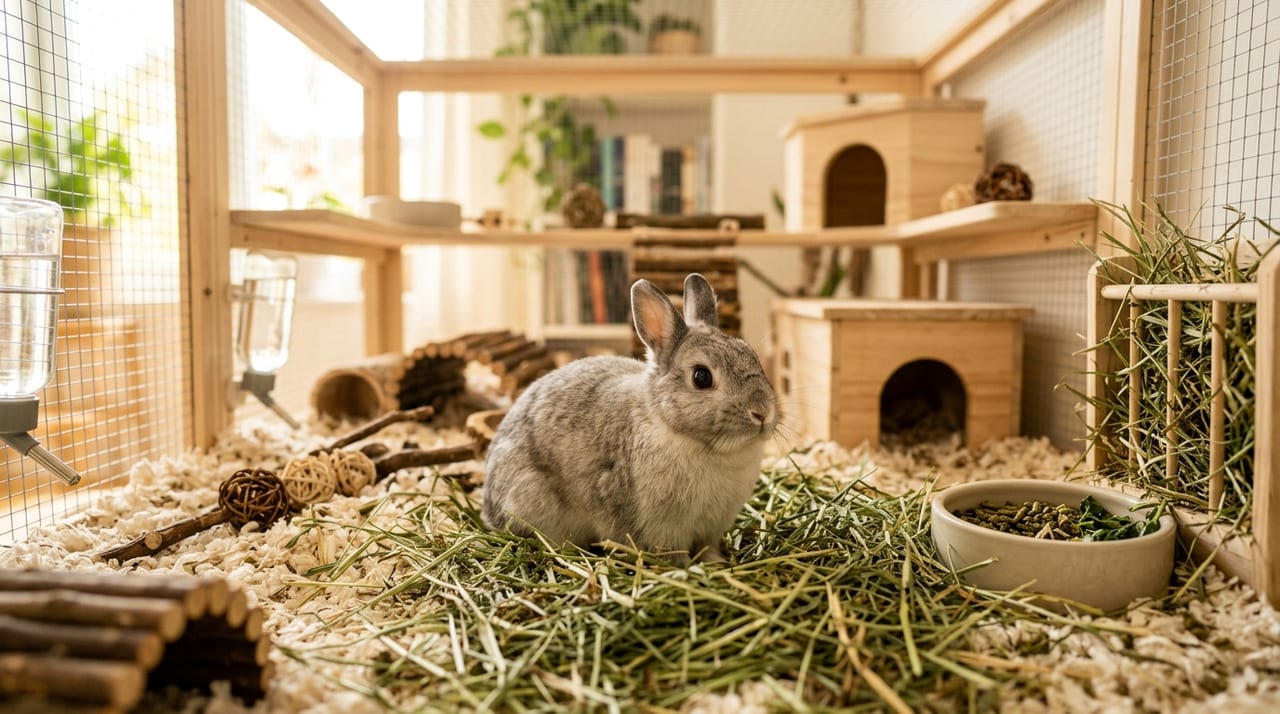
Rabbit
18–24°C
5°C or below
28°C or higher
✍️
BreederDirect Editorial
The BreederDirect editorial team specializes in care information for animals, covering veterinary care and breeding to deliver beginner-friendly guides.
Find Small Animals on BreederDirect
Buy directly from verified breeders
Browse Related Listings
Find Small Animals listings related to this article on BreederDirect. Buy directly from verified breeders.
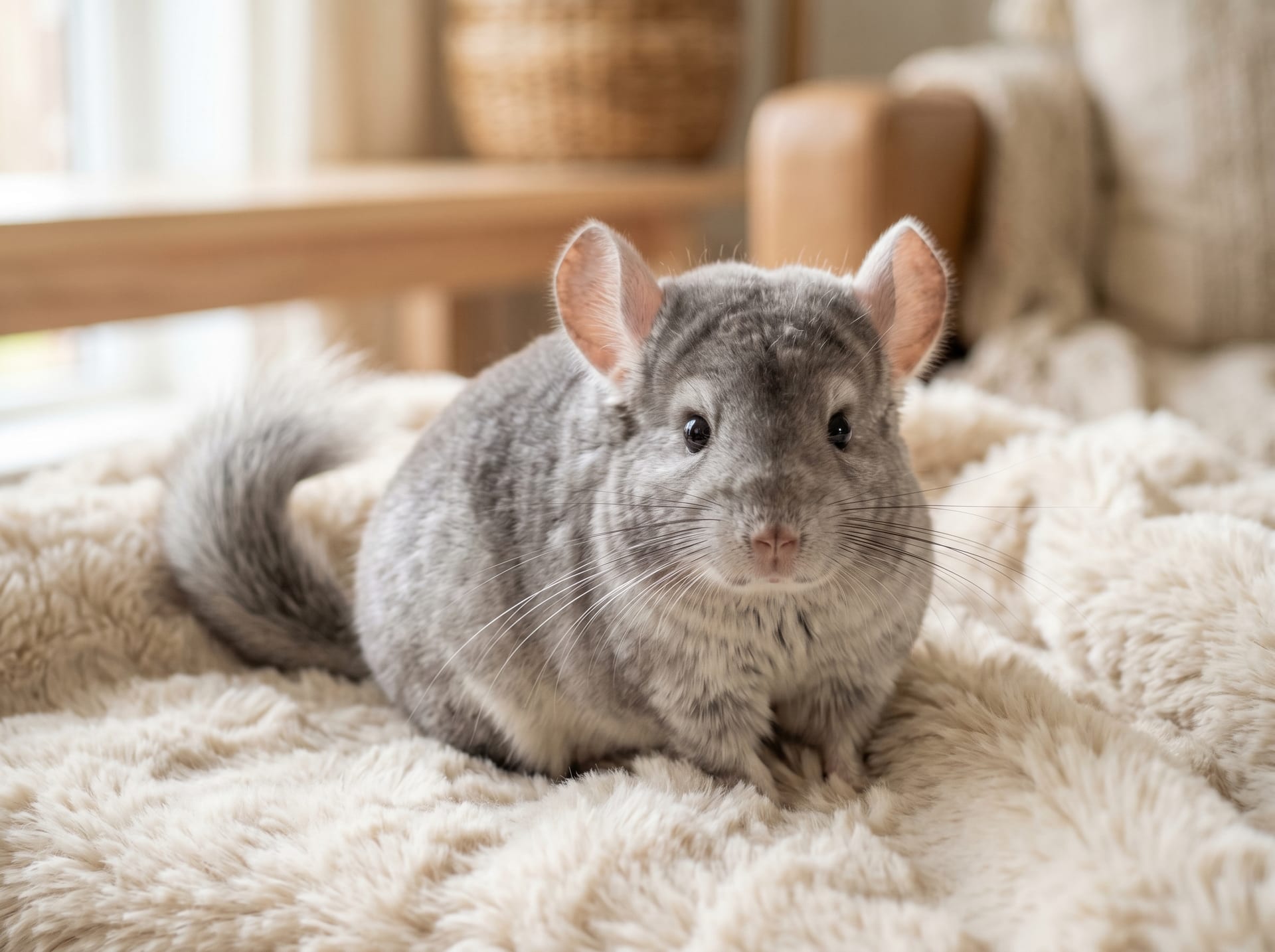
Special attention is needed for chinchillas. Since they inhabit cool high-altitude regions of the South American Andes, heat stroke risk increases dramatically above 25°C. Realistically, keeping them during a Japanese summer without air conditioning is nearly impossible. Additionally, hamsters and hedgehogs enter "pseudo-hibernation" when exposed to low temperatures. This is not healthy hibernation but a form of hypothermia, and if left untreated, it becomes a dangerous state that can lead to death. Our Hedgehog Care Guide offers more detailed advice on handling pseudo-hibernation.
---
Summer Heat Protection | Basics and Advanced Strategies to Prevent Heat Stroke
Air Conditioning: The Most Reliable Heat Solution
Air conditioning for room temperature control remains the most effective summer strategy. For chinchillas in particular, consider air conditioning essential and maintain room temperature around 22°C. For other species, if temperatures consistently exceed 28°C, air conditioning use is strongly recommended. Aim for a setting of 25–27°C. While this may feel cool to humans, it's the safe zone for small animals. Monthly electricity costs may increase by around ¥3,000–5,000, but considering the expense of veterinary visits and the cost of losing a pet, this is far from expensive.
Cooling Products to Support Your Air Conditioning
There are also cooling products that, when combined with air conditioning, can more effectively ease the heat.
Aluminum and Marble Plates: Simply placing these in the cage provides a cooling contact effect. Marble absorbs heat longer and maintains its cooling effect more effectively.
Terracotta Nesting Boxes: Unglazed ceramic cools the interior slightly through evaporative cooling. A two-for-one item that serves as a nest while cooling.
Frozen Water Bottles: Wrapped in a towel and placed against the cage's side or outside, frozen bottles can slightly lower the cage temperature. However, watch for increased humidity from condensation.
Summer Care Mistakes to Avoid
Well-intentioned measures sometimes backfire and create danger instead. Here are actions to avoid.
Pointing a Fan Directly at the Cage: The animal can get too cold too quickly, and wind stress can cause illness.
Opening Windows for Ventilation Alone: This is completely ineffective when outdoor temperature equals or exceeds room temperature.
Placing the Cage in Direct Sunlight: Window areas can exceed 40°C in summer. Position the cage against a wall or in the shade. See our Complete Cage Layout Guide for more tips.
---
Winter Cold Protection | Heater Selection and Preventing Pseudo-Hibernation
Types of Heaters and How to Use Them
Several types of heaters are used for winter warmth, each with different characteristics. Choose based on your animal and cage type.
Panel Heaters (Underbelly Heat Type)
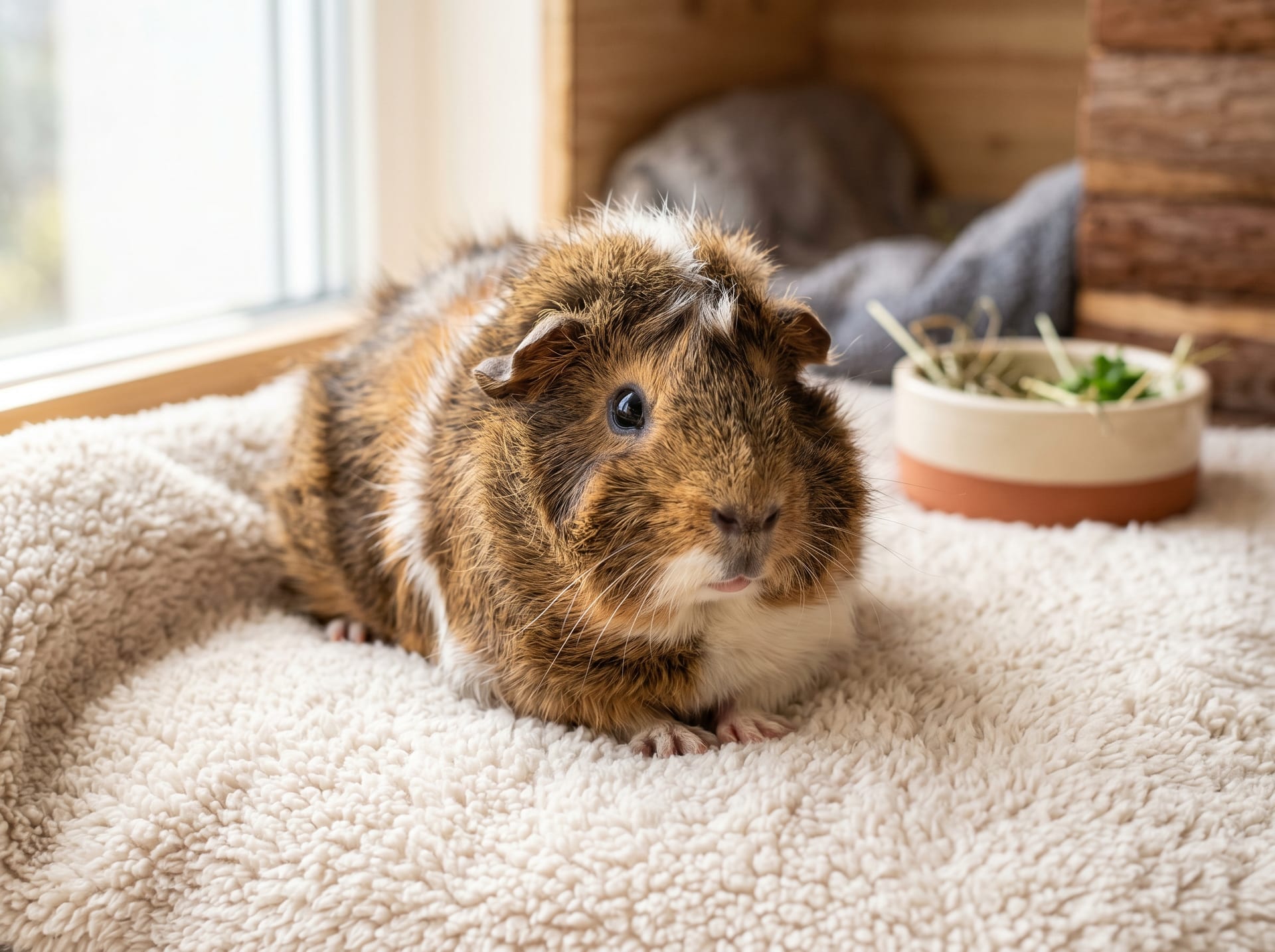
These lay on the cage floor and are ideal for hamsters, hedgehogs, and guinea pigs. Crucially, place the heater under only half the cage floor. This ensures the animal can escape to the cooler side when it gets too warm. Choose products with surface temperatures around 38–42°C for safety.
Heat Lamp (Ceiling-Mount Type)
Mounted at the top of the cage, it evenly warms the entire enclosure through radiant heat. Particularly effective for chinchillas and hedgehogs. Since it uses no flame, safety is high, and it avoids spreading smoke or overly dry air inside the cage.
Ceramic Heater (Heat Bulb)
While marketed for reptiles, they can also be used for small animals. However, they must be paired with a thermostat. Without one, temperatures can rise dangerously high.
Thermostats Are "Essential"
Regardless of which heater you use, a thermostat is essential. It automatically turns the heater off once the target temperature is reached, and back on if it drops below. At ¥2,000–5,000, it's extremely cheap insurance against risk. Also install a thermometer in the cage and make it a daily habit to check it.
Detecting and Addressing Pseudo-Hibernation
If hamsters or hedgehogs are exposed to temperatures of 20°C or below for extended periods, they may enter pseudo-hibernation. Signs include lack of movement, a cold body, and extremely shallow breathing.
Steps to Take If Discovered:
Gently cup it in your hands and warm it with your body heat (sudden warming stresses the heart).
Once it begins to warm, place a small amount of sugar water near its mouth for nourishment.
Even after recovery, contact an animal hospital immediately and have a veterinarian examine the animal.
To prevent pseudo-hibernation, maintain room temperature above 20°C, add plenty of nesting material for better insulation, and always install a thermostat-equipped heater. Our Hamster Breed Comparison explains each breed's cold tolerance.
---
Watch Out During Seasonal Transitions
Spring and autumn appear to have stable temperatures, yet day-to-night temperature swings of 10°C or more are common. You may face warm days followed by cool nights, or intense daytime heat. During these transitions, keeping a thermostat-equipped heater running continuously provides peace of mind.
Spring and autumn are also molt seasons for many small animals. Since shedding increases, support them with regular brushing. Change drinking water daily to keep it fresh, and monitor appetite and activity levels to catch any early signs of health changes. Use our Small Animal Health Checklist to make daily health management a habit.
---
Summary | Temperature Control Is the Most Critical Aspect of Small Animal Care
For small animals, temperature control is a fundamental life-saving practice alongside proper diet and exercise. Don't skimp on investing in air conditioning, heaters, and thermostats—make daily cage temperature checks a habit.
At br-choku, you can welcome healthy small animals raised in proper environments directly from trusted breeders. Since you can message breeders before purchase to ask about care methods, you can receive advance guidance on temperature management and seasonal care strategies. Before bringing your beloved animal home, please thoroughly prepare your care environment, then search for the perfect match for you.