Small Animals' Summer Heat Protection | Air Conditioning Management and Heat Stroke Prevention | ブリちょく
Small Animals| ✍️ BreederDirect Editorial
Small Animals' Summer Heat Protection | Air Conditioning Management and Heat Stroke Prevention
Rabbits, hamsters, guinea pigs, and other small animals are susceptible to high heat and humidity, making them at high risk of heat stroke during summer. This article provides detailed guidance on summer heat protection, including proper air conditioning temperature settings, optimal cage placement, and effective use of cooling products to safely get through the summer.
Key Takeaways
Rabbits, hamsters, guinea pigs, and other small animals are susceptible to high heat and humidity, making them at high risk of heat stroke during summer. This article provides detailed guidance on summer heat protection, including proper air conditioning temperature settings, optimal cage placement, and effective use of cooling products to safely get through the summer.
Small Animals' Summer Heat Protection | Species-Specific Temperature Management and Life-Saving Heat Stroke Prevention
Japan's summers now routinely bring scorching days with temperatures exceeding 35°C (95°F). Summer 2026 is predicted to be another brutally hot season, making it a potentially life-threatening time for small animals like rabbits and chinchillas. In the wild, these animals dig underground burrows to escape the heat, but in captivity, they cannot regulate their own temperature. It falls entirely on the owner to provide a suitable environment—this is the only way to help them survive the summer safely. This article covers everything from species-specific ideal temperatures to specific cooling strategies and emergency heat stroke response.
Knowing Your Animal's Ideal Temperature: The First Step
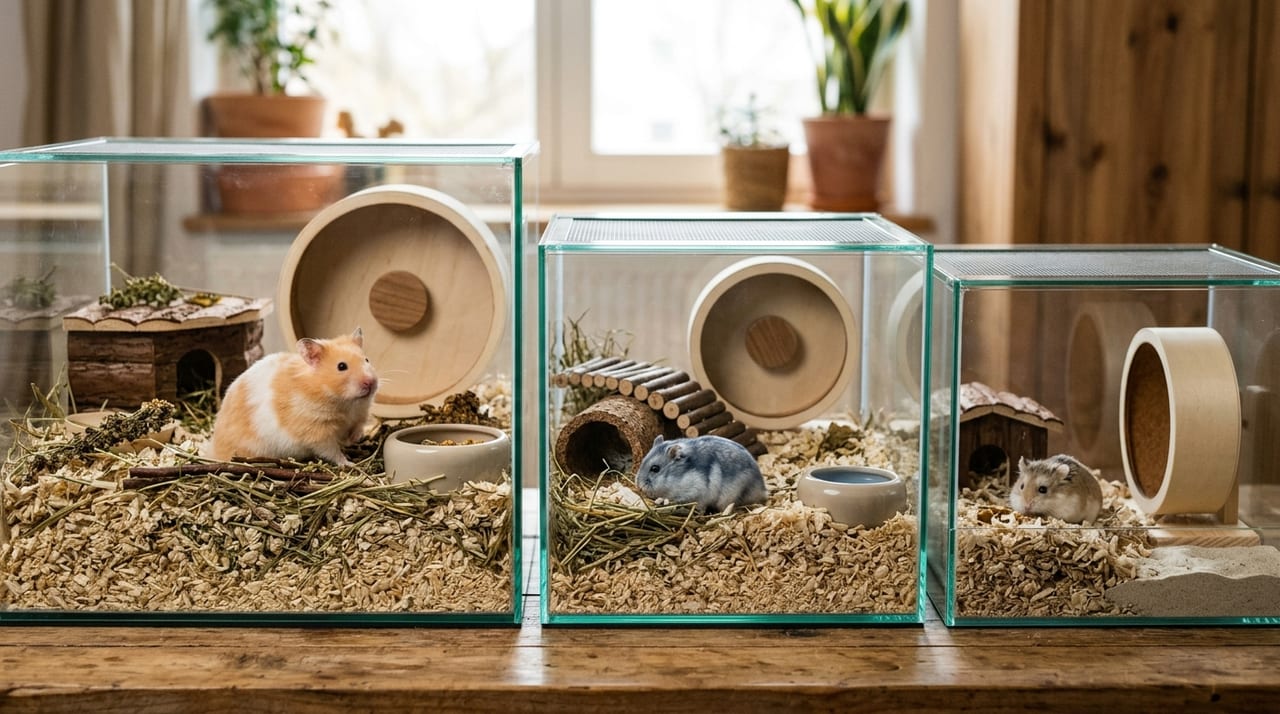
Each small animal species has a dramatically different comfortable temperature range. Understanding your specific pet's ideal temperature is the essential starting point for effective summer care.
Species
Comfortable Temperature Range
Danger Threshold
Rabbit
18–24°C (64–75°F)
28°C (82°F)+ poses serious heat stroke risk
Hamster
20–26°C (68–79°F)
30°C (86°F)+ becomes critically dangerous
Guinea Pig
18–24°C (64–75°F)
28°C (82°F)+ requires close monitoring
✍️
BreederDirect Editorial
The BreederDirect editorial team specializes in care information for animals, covering veterinary care and breeding to deliver beginner-friendly guides.
Find Small Animals on BreederDirect
Buy directly from verified breeders
Browse Related Listings
Find Small Animals listings related to this article on BreederDirect. Buy directly from verified breeders.
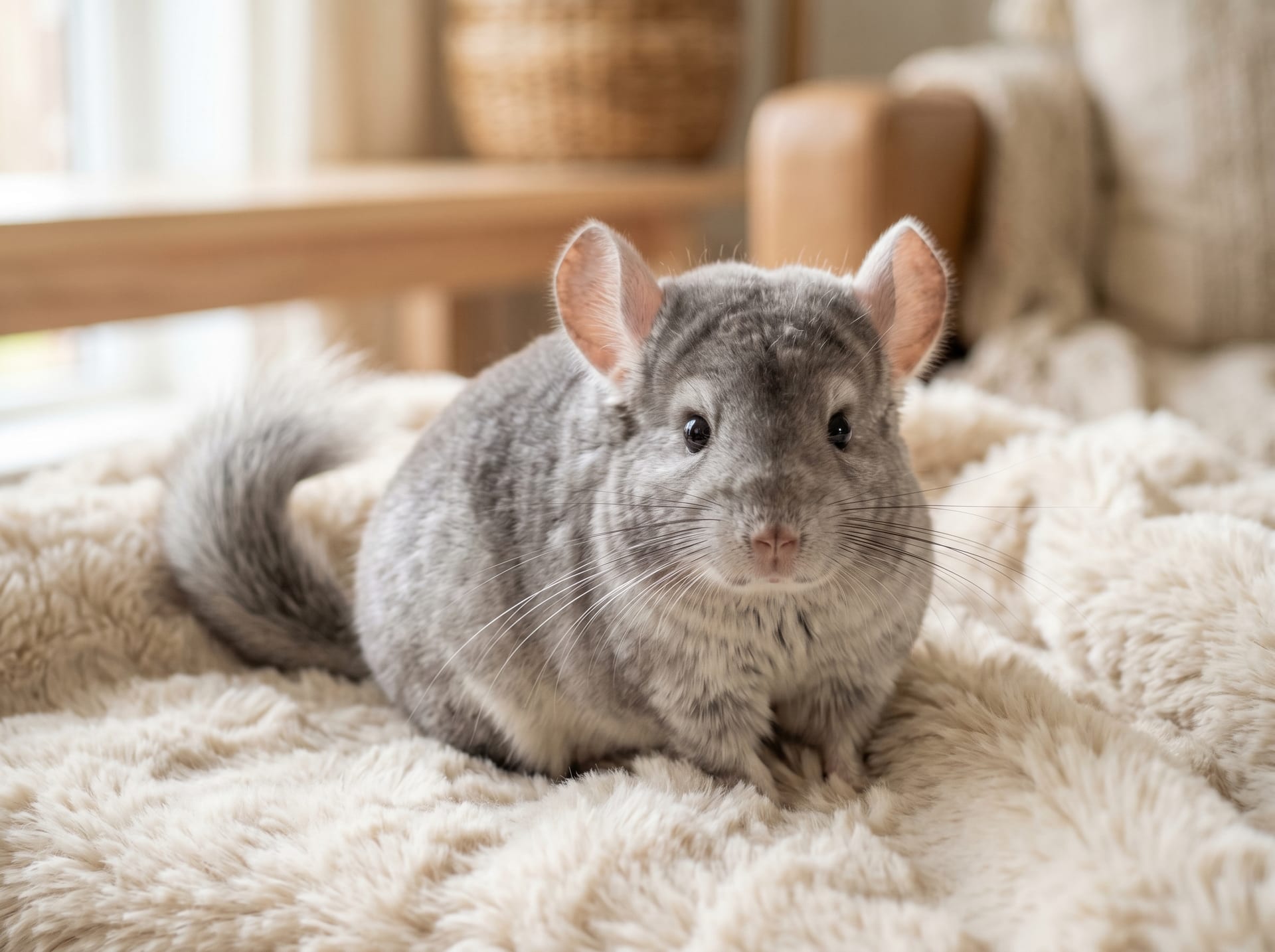
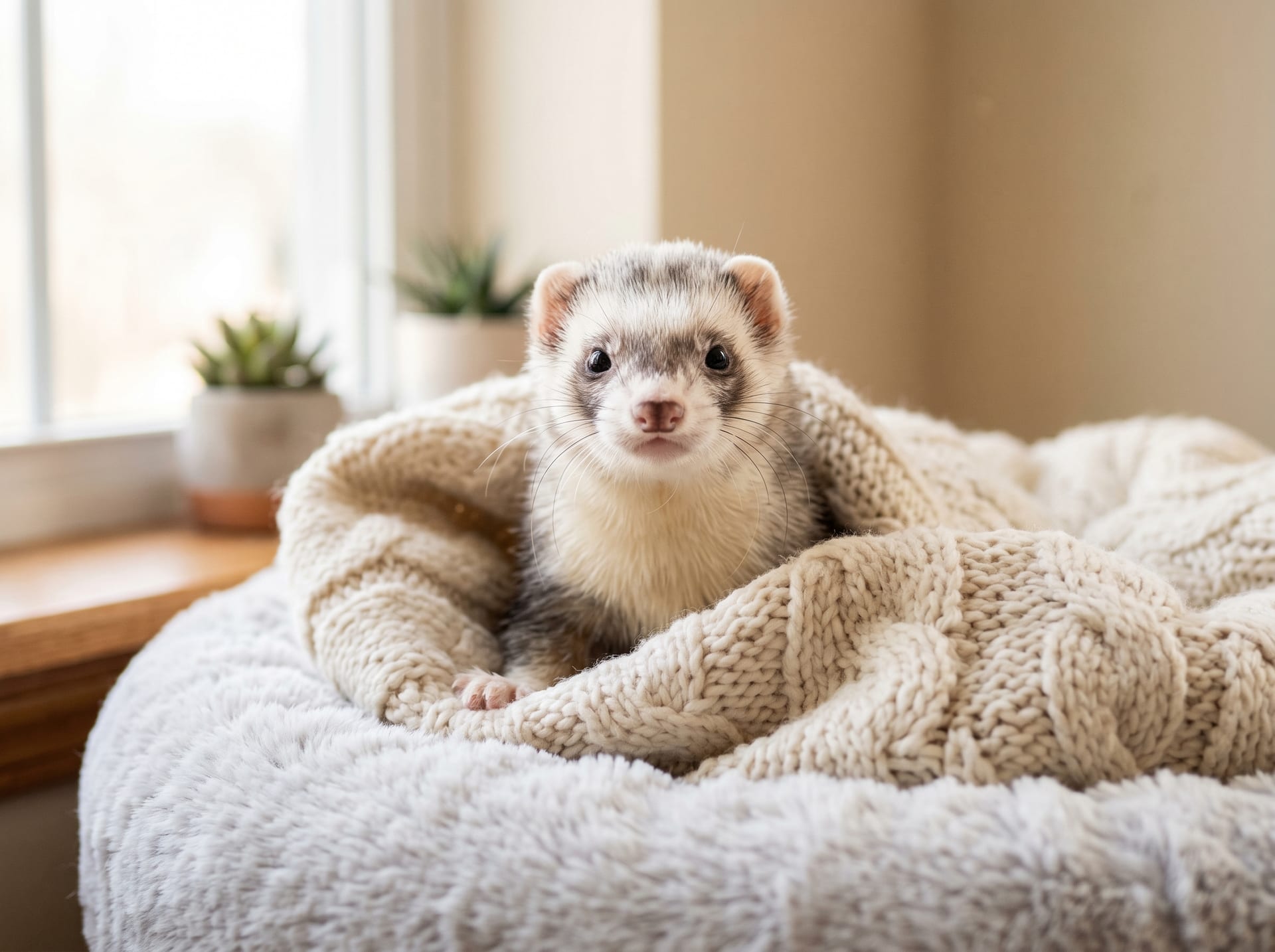
Special attention is needed for chinchillas. Native to the cool highlands of the Andes at elevations of 3,000–5,000 meters, they have exceptionally poor heat tolerance compared to other small animals and can become ill simply from temperatures exceeding 25°C (77°F). Ferrets also require particularly careful management during summer.
Keep in mind that the air conditioner's set temperature may not match the actual temperature where your pet is located. The AC sensor measures temperature at a specific point in the room, so depending on the height and position of the cage, the actual temperature could be several degrees higher than the setting. Always place a thermometer-hygrometer next to the cage to monitor actual conditions. Humidity is equally important; aim for 60% or below to reduce discomfort from mugginess.
Air Conditioning Management | 24-Hour Operation as a Life-Saving Necessity
Rooms housing small animals must run air conditioning 24 hours a day, regardless of whether you're home or away. The mindset of "it's cool during the day, so it's fine" or "it's just a short trip" is extremely dangerous. In a sealed Japanese home during summer, indoor temperatures can skyrocket to nearly 40°C (104°F) in just 30 minutes—short enough for small animals to suffer fatal damage.
Key Points for AC Management
- Run continuously during all hours, whether you're out or sleeping. Electricity costs pale in comparison to your pet's life
- Adjust the setting temperature while monitoring actual readings to ensure the cage area stays at the ideal temperature
- Position the air flow so cold air doesn't blow directly on the cage, as this causes stress to the animal
- Clean the AC filter regularly to maintain cooling efficiency
- Keep ice packs and frozen water bottles on hand as backup for power outages or AC failures
Many worry about rising electricity bills, but spending a few thousand to ten thousand yen more per month to protect your beloved pet's life is a worthwhile investment. Make use of utility company discount plans and energy-saving settings to run your AC responsibly while keeping your animal safe.
Cage Placement and Environmental Setup
Where you place the cage significantly affects the temperature your pet actually experiences. Along with air conditioning, reassessing cage location is a crucial heat management strategy.
Locations to Avoid
Near windows or south-facing areas: Direct sunlight causes rapid temperature spikes inside the cage, and even closed curtains don't prevent radiant heat
Near appliances and televisions: Heat emissions from electronics raise ambient temperature
Upper floors or rooms near the roof: Heat accumulates toward the ceiling, sometimes making upper areas several degrees warmer than lower floors
Enclosed spaces: Poor airflow traps heat indoors
Recommended Locations
North-facing rooms or areas with light blocking: Avoids direct sunlight
Near floor level: Cold air settles at ground level, making floor-proximity cooler than placing the cage on high shelves
Where AC airflow reaches indirectly: Seek spots that receive cool air circulation without direct air blast
Cage ventilation is also vital. Wire mesh cages don't trap heat as easily, while plastic cages tend to retain warmth. In summer, ensure adequate space around the cage to allow air circulation.
Effective Use of Cooling Products
When combined with air conditioning, cooling products help your pet stay safer through the summer. Understand each option's strengths and use them correctly.
Aluminum and Marble Plates
Placing high-thermal-conductivity aluminum or marble plates inside the cage creates a cool resting spot. Rabbits and guinea pigs naturally move to these spots when they sense their body temperature rising, so position them where the animal can freely choose to use them.
Frozen Water Bottles
Fill 500ml water bottles and freeze them, then wrap in a towel and place outside (or lean against) the cage. Always wrap the bottle in a towel to avoid direct contact, and use a drip tray to catch condensation. Rotating 2–3 bottles makes it easier to maintain cooling and provides emergency relief during power outages.
Ceramic and Terracotta Items
Ceramic nest boxes are especially recommended for hamsters. The material stays naturally cool, resists moisture better than plastic, and remains safe even if chewed.
Small Animal Cooling Mats
Aluminum and marble cooling mats are relatively safe options. Gel-type mats carry the risk of ingestion if chewed, making them unsuitable for small animals. Carefully check the material before purchase.
Heat Stroke Symptoms and Emergency Response
Despite the best precautions, heat stroke can still occur. Early detection and quick action save lives.
Warning Signs of Heat Stroke
Lethargy and slow movement, or complete immobility
Rapid or heavy breathing; mouth breathing
Ears bright red and flushed (especially noticeable in rabbits)
Drooling; wet area around the mouth
Body feels noticeably hot to the touch
If you see any of these signs, act immediately.
Emergency First Aid Steps
Move to a cool location immediately: Transfer to an air-conditioned room
Apply ice packs wrapped in towels: Focus on the neck, armpits, and groin where major blood vessels are close to the surface
Wipe the body with a cool, damp towel: Use room-temperature or lukewarm water only; never use ice water
Don't force water: Forcing liquid into an unconscious animal risks aspiration
Get to a veterinarian immediately: Even if the animal seems to recover after first aid, professional examination is essential
Never use ice water for rapid cooling—this can trigger shock. The rule is to lower body temperature slowly and gradually. Before summer arrives, be sure to note your regular veterinarian's number and locate a 24-hour emergency animal hospital in your area.
Safety and Peace of Mind Through br-choku
On br-choku, you can adopt small animals directly from experienced breeders. Before bringing your new pet home, you have the unique advantage of asking breeders directly: "What specific temperature management practices do you use in summer?" or "Are there particular temperature ranges this individual struggles with?" This direct-to-consumer platform connection is a major strength.
Heat tolerance varies between individual animals. Even among rabbits, the right care approach differs based on the environment where the animal was raised and its individual constitution. With information passed directly from the breeder, you'll be prepared for the first summer with confidence. Before summer 2026 arrives, take advantage of br-choku's direct breeder consultation to prepare.