Dental care guide for rabbits, hamsters, and chinchillas: understanding continuously growing teeth, malocclusion prevention, diet management, and veterinary treatment.
Key Takeaways
Dental care guide for rabbits, hamsters, and chinchillas: understanding continuously growing teeth, malocclusion prevention, diet management, and veterinary treatment.
For small animals like rabbits, hamsters, guinea pigs, chinchillas, and degus, dental health is a critical issue directly linked to survival. These animals possess what is called "continuously erupting teeth," which grow throughout their entire life. Neglecting proper care can lead to malocclusion (improper bite), a serious dental problem.
Understanding that small animals have "continuously erupting teeth" that grow throughout their lives is an essential point that should be grasped as a fundamental aspect of pet care.
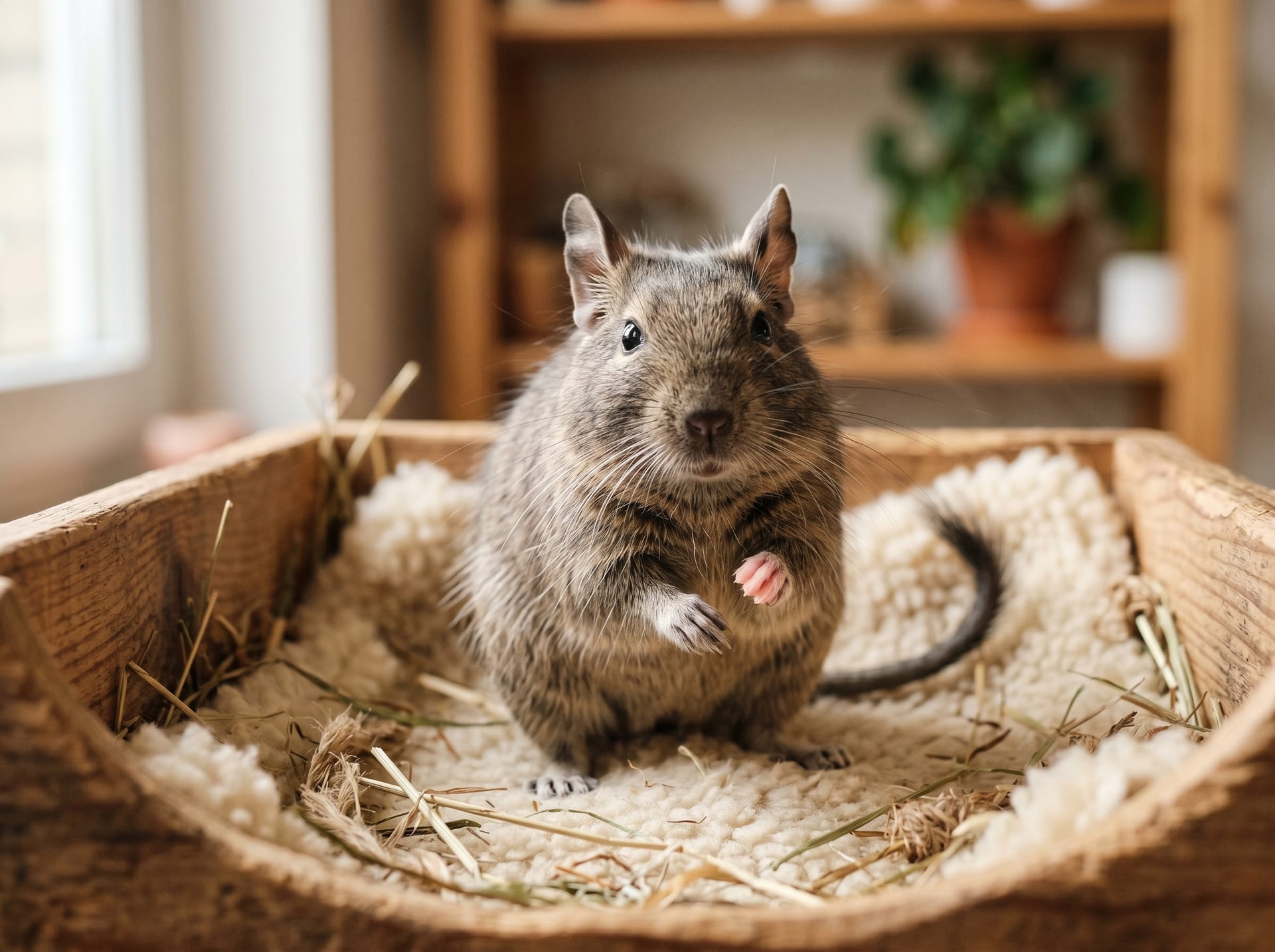
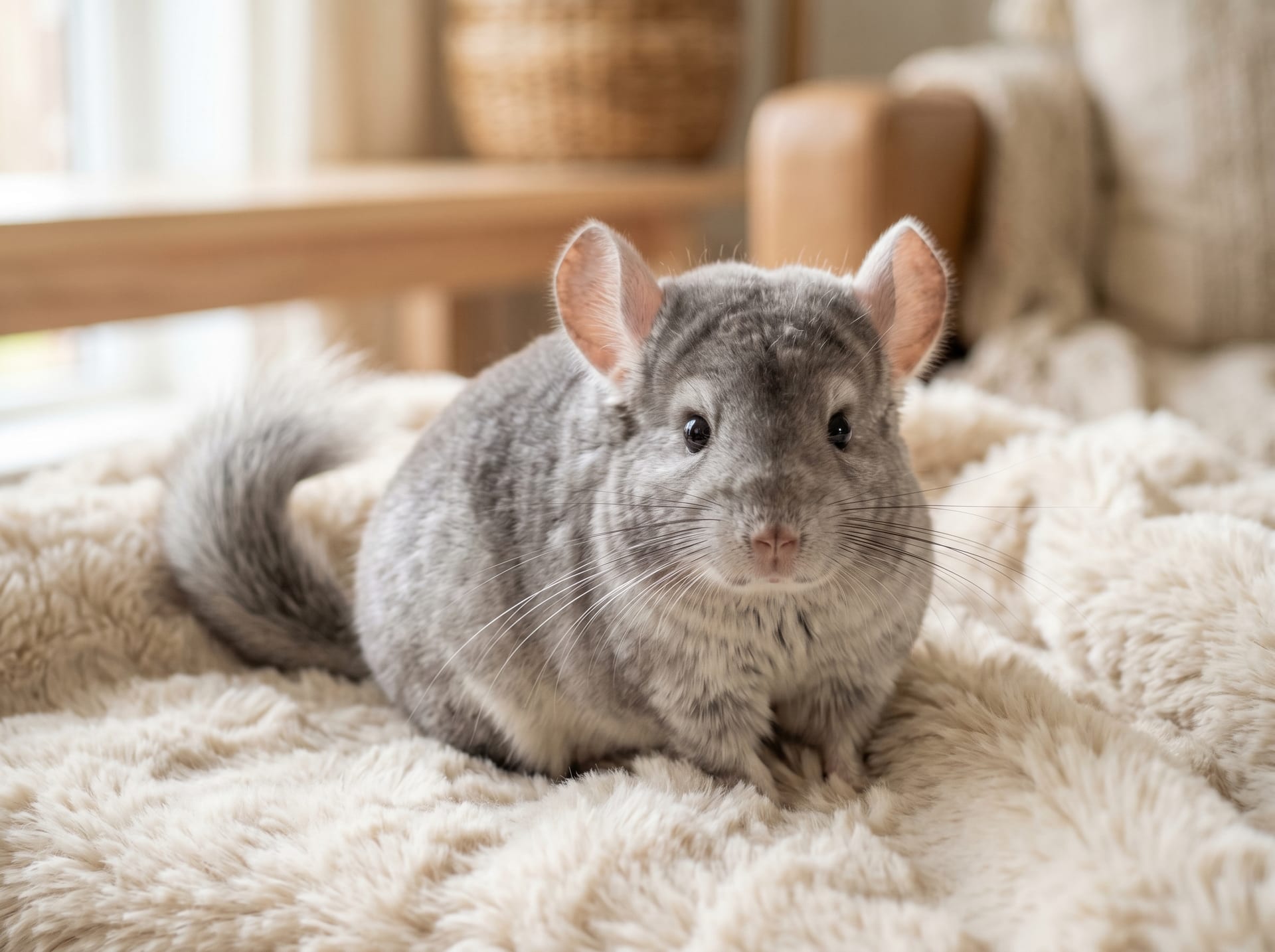
Rabbits have continuously erupting incisors (front teeth) and molars (back teeth), growing at approximately 2mm per week. Hamsters only have continuously erupting incisors, while their molars do not grow. Chinchillas and degus, like rabbits, have both continuously erupting incisors and molars. Guinea pigs also have continuously erupting teeth throughout their mouths.
Under normal conditions, the upper and lower teeth wear down appropriately as they come together, maintaining a consistent length. When this mechanism of natural wear from chewing hard foods breaks down, teeth grow abnormally and cause malocclusion.
Malocclusion refers to a condition where the bite is not normal. Teeth may grow in abnormal directions, or the upper and lower teeth may no longer meet properly.
Incisor malocclusion: Front teeth grow excessively, preventing the mouth from closing, or they grow inward or outward at angles. This is easily visible from the outside, making it a symptom that owners often notice.
Molar malocclusion: Malocclusion of the back teeth is difficult to see from the outside and often goes undetected for a long time. Back teeth grow at angles and can injure the cheeks or tongue, or their roots can grow and compress the jaw bone or tear ducts. For rabbits, this molar problem is particularly severe.
The causes of malocclusion can be divided into genetic and environmental factors.
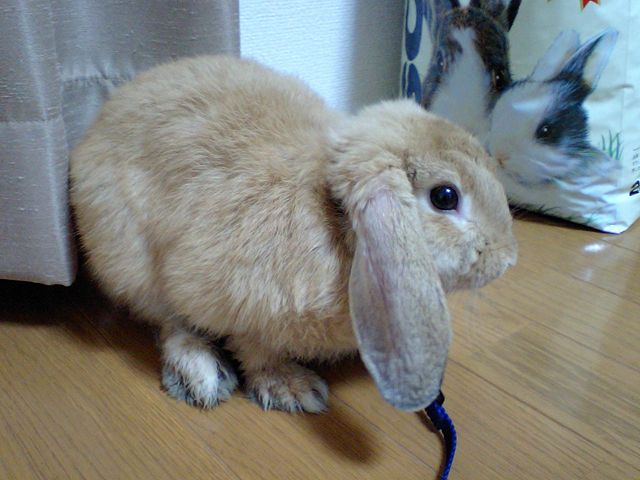
Genetic factors: Some individuals have jaw bone shapes that genetically predispose them to malocclusion. In particular, short-headed rabbit breeds like Netherland Dwarfs and Holland Lops, which have short jaws, tend to have tooth problems more frequently.
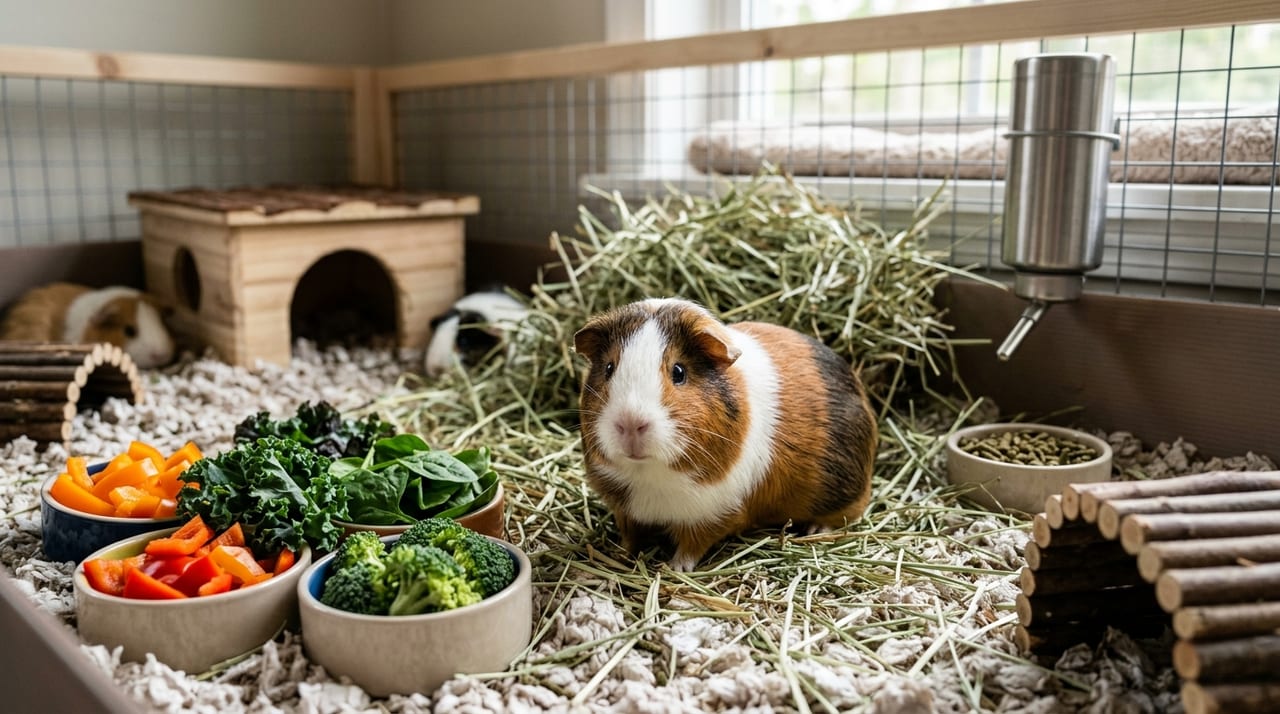
Diet problems: This is the most common environmental factor. Feeding primarily soft foods (mostly pellets with excessive treats) does not provide enough chewing to sufficiently wear down the teeth. Especially for rabbits, insufficient hay intake significantly increases the risk of molar malocclusion.
Trauma: Gnawing on cage wire can cause front teeth to break or bend. Jaw fractures from falls or collisions can also cause malocclusion.
Calcium deficiency: Insufficient calcium or vitamin D reduces tooth and bone quality and increases the risk of malocclusion.
If any of the following symptoms are observed, suspect malocclusion and visit an animal hospital immediately.
The most important aspect of preventing malocclusion is proper diet management.
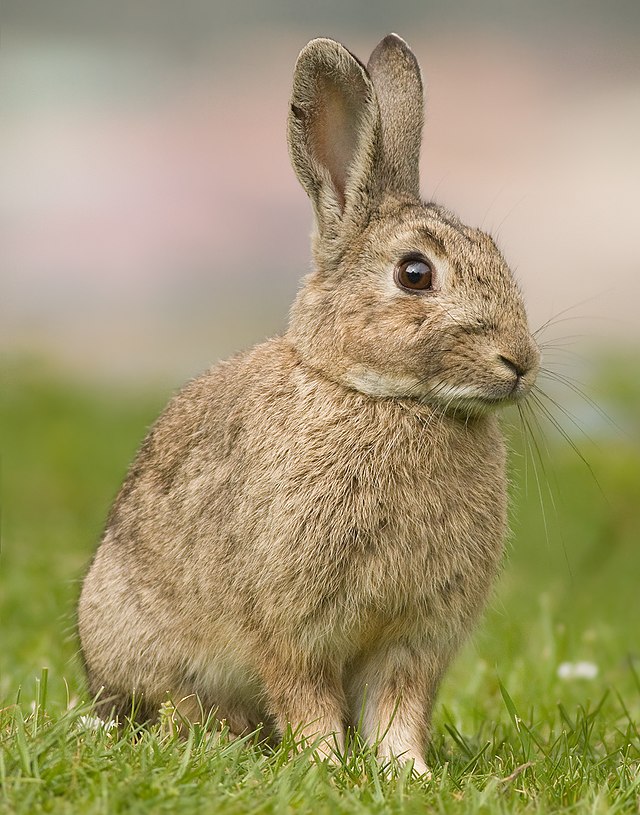
Rabbits: Ideally, more than 80% of the diet should consist of hay (timothy hay). The side-to-side jaw motion when chewing hay properly wears down the molars. Pellets should be limited to about 1.5–3% of body weight, and treats should be kept to a minimum. Alfalfa hay is high in calcium, so timothy or orchard grass is more suitable for adult rabbits.
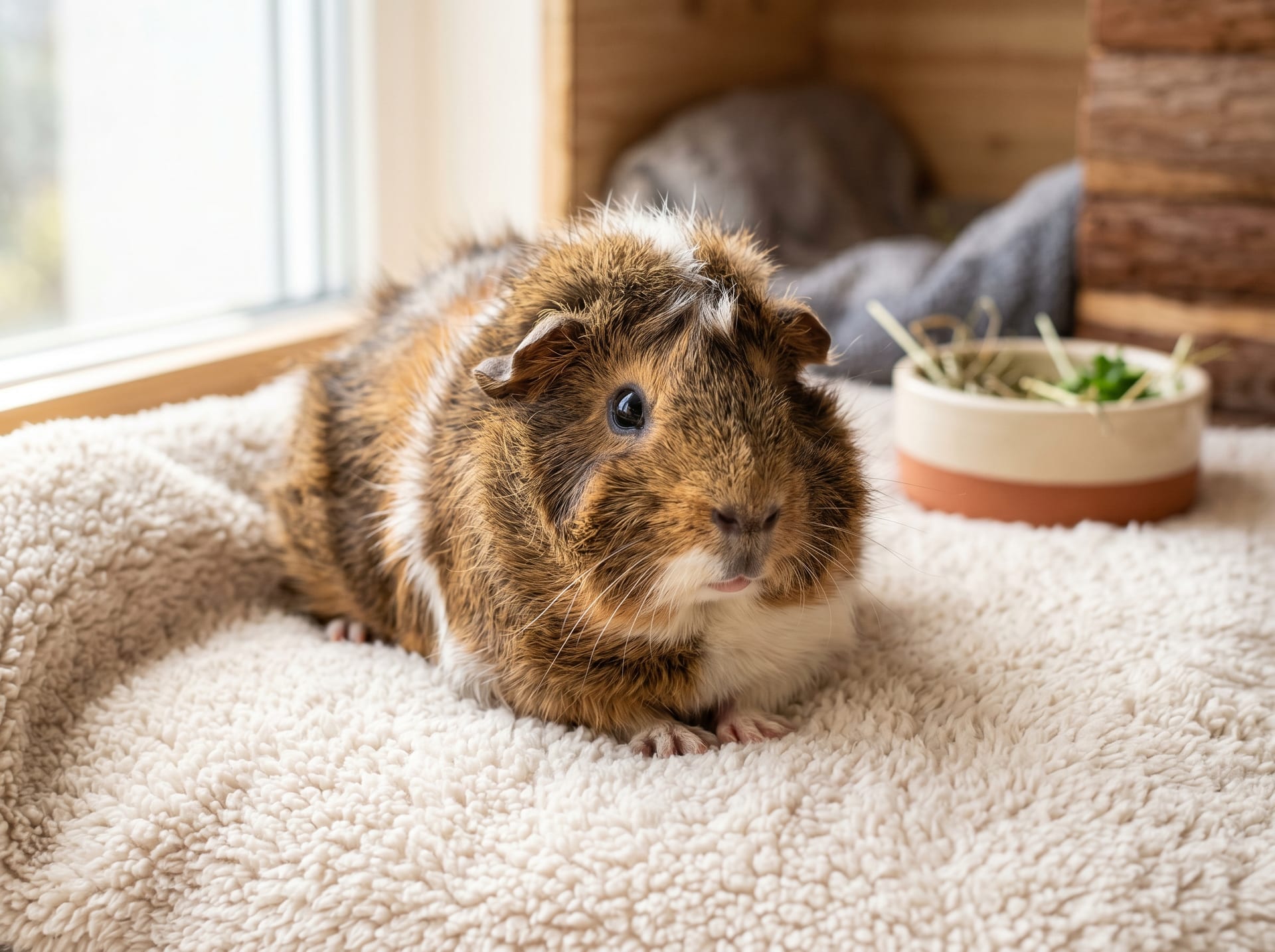
Guinea pigs: Like rabbits, a hay-based diet is fundamental. Guinea pigs cannot synthesize vitamin C in their bodies, so supplementation through vitamin C-enriched pellets and fresh vegetables (bell peppers, broccoli, etc.) is also necessary.
Chinchillas and degus: Timothy hay should be the staple food, with specialized pellets provided as a supplement. Degus have difficulty metabolizing sugar, so fruits and dried fruits should be avoided.
Hamsters: Malocclusion of hamster incisors is relatively rare, but can be prevented by regularly providing hard foods like chew wood and pellets. If the hamster has a habit of gnawing on cage wire, switching to a glass or plastic cage can prevent front tooth deformation.
In addition to diet, it is important to provide appropriate items to chew on.
Rabbits and chinchillas should always have access to chew wood made from apple or willow trees. Chew toys and mats made from hay fulfill both the need to chew and the need to play.
Since gnawing on cage wire negatively impacts tooth health, when using a wire cage, it should be structured to prevent gnawing, or a variety of alternative chew items should be provided to redirect the animal's interest away from the wire.
Know what to expect regarding treatment for malocclusion.
Incisor treatment: Overgrown incisors are trimmed or polished to an appropriate length at an animal hospital using nippers or a drill. Nipping carries a risk of cracking the tooth, so polishing with a diamond disc may be recommended in some cases. Incisor treatment can usually be completed relatively quickly, but if the underlying cause is not resolved, periodic treatment will be necessary.
Molar treatment: Molar treatment is often performed under general anesthesia, using a specialized oral speculum and dental drill to polish the spicule-like overgrown teeth. Once molar malocclusion develops, it is difficult to cure completely, and in some cases, regular treatment every 4–8 weeks may be necessary for life.
Cost estimate: Incisor treatment typically costs around ¥2,000–5,000, while molar treatment including anesthesia costs around ¥10,000–30,000. If regular veterinary visits become necessary, consider the economic burden as well.
Since malocclusion is related to genetic factors, acquiring an individual with healthy teeth is the first step in prevention. On Bri-Choku, you can select an individual after confirming the parent's dental condition and genetic risk factors with the breeder. The advantage of purchasing directly from a breeder is that you can also receive concrete advice on diet management after bringing your pet home.
Find Small Animals listings related to this article on BreederDirect. Buy directly from verified breeders.
Feeding Guide
Check feeding frequency, portion sizes & supplements by species and growth stage
Care Cost Calculator
Estimate initial setup costs and monthly running costs by category
Environment Checker
Get pet & plant recommendations based on room temperature, space & time
Seasonal Care Calendar
Monthly care events and seasonal management tips at a glance