Degu Care Guide — Keeping the Highly Social 'Singing Mouse of the Andes'
Beginner's guide to degu care: leveraging their social nature, cage setup, diet management with sugar restrictions, dust bathing, and why these vocal rodents make wonderful pets.
Key Takeaways
Beginner's guide to degu care: leveraging their social nature, cage setup, diet management with sugar restrictions, dust bathing, and why these vocal rodents make wonderful pets.
Related Species
The Social Singers of the Andes: An Introduction to Degus
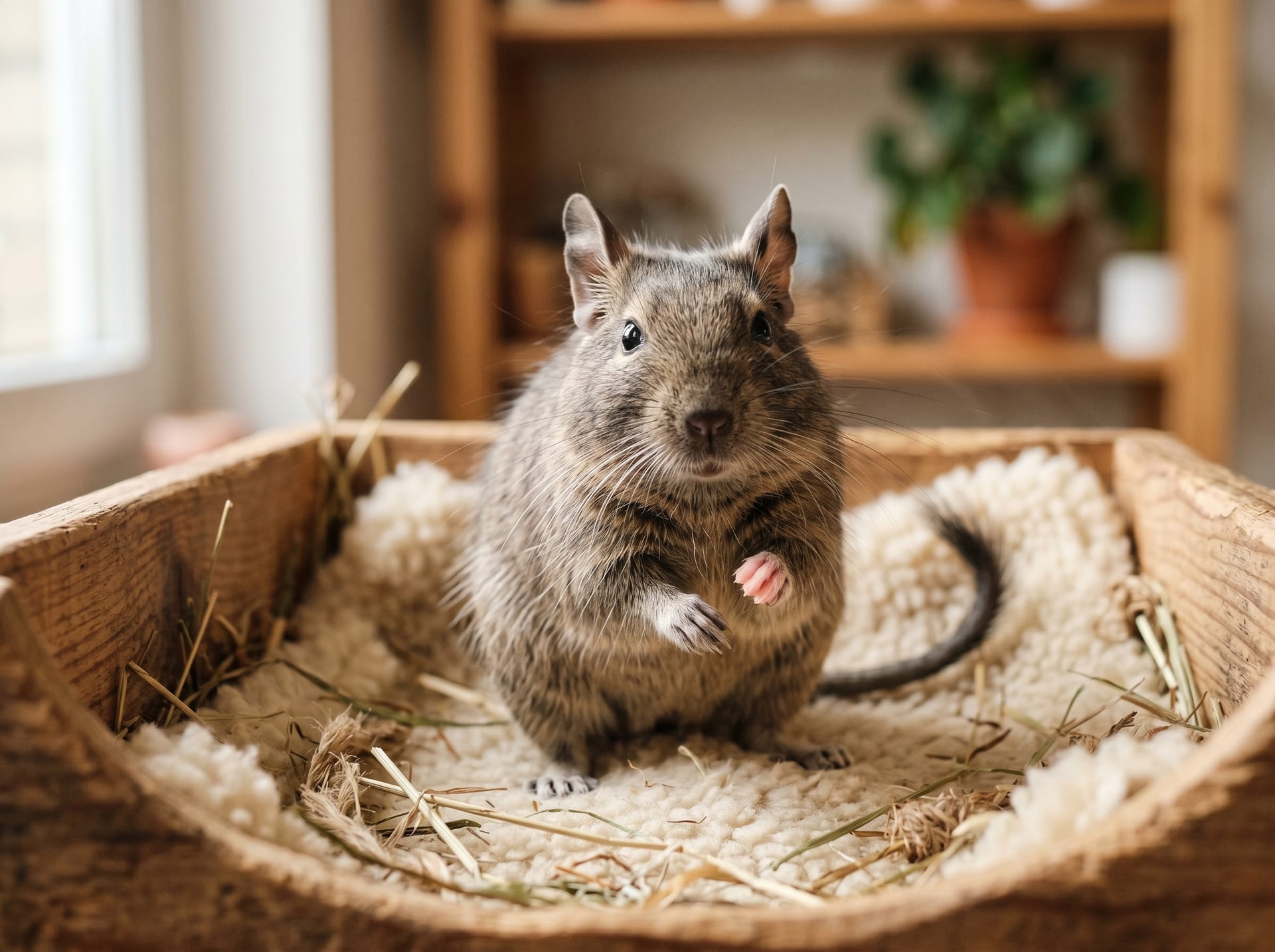
Degus (Octodon degus) are small, highly intelligent rodents native to the arid scrublands of central Chile. Often called the "singing mice of the Andes," they produce a remarkably diverse repertoire of vocalizations — chirps, whistles, trills, and alarm calls — that they use to communicate with both their companions and their human caregivers. Unlike many small pets that remain skittish throughout their lives, degus are genuinely curious and sociable animals that, with regular handling from a young age, will actively seek out human interaction. For the right owner, they offer a level of engagement rarely matched by other pocket pets.
That said, degus have some genuinely unique care requirements that set them apart from hamsters or gerbils. Understanding their biology, social structure, and dietary needs before bringing them home is essential to giving them a long, healthy life.
Social Housing: Why One Is Never Enough
In the wild, degus live in complex underground colonies and engage in elaborate cooperative behaviors — grooming, sharing burrows, and maintaining vocal contact throughout the day. This deeply social nature means that a solitary degu is not simply "less enriched" — it is actively stressed. Single-housed degus frequently develop depression-like symptoms: repetitive behaviors, excessive barbering, reduced appetite, and lethargy.
Same-sex pairs or small groups are the minimum recommended setup. Two males that have been raised together or introduced carefully will typically live harmoniously; females are similarly tolerant of companions. Introductions should always be done on neutral territory, with gradual exposure over several days, since degus can be territorial about established cages. Once bonded, a group of degus will spend much of their day grooming each other, playing, and communicating — a genuinely rewarding sight for any owner.
Housing and Enrichment
Degus are active and athletic. They thrive in tall, multi-level cages with solid flooring on ramps and shelves (wire mesh causes foot injuries over time). A minimum floor space of 60×80 cm is recommended for a pair, with additional vertical height for climbing. Hammocks, wooden platforms, cork tubes, and rope bridges all make excellent cage furniture.
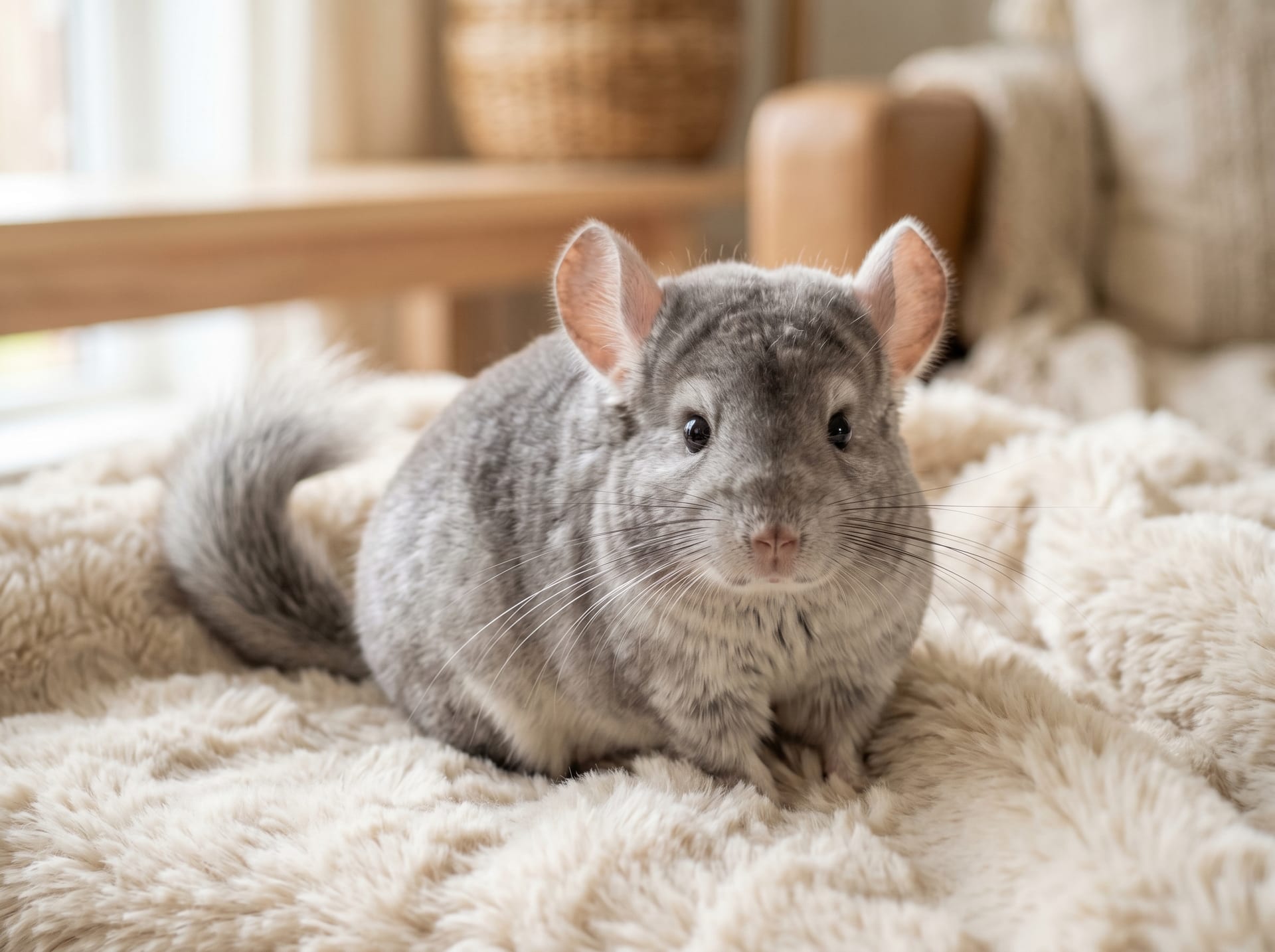
An exercise wheel is essential — choose a solid-surface wheel with a minimum diameter of 30 cm to protect their spines during extended running sessions. Degus will use a wheel for hours each day, so quality matters. Dust baths using chinchilla dust should be offered several times per week to keep their coats clean and healthy; unlike chinchillas, degus do not need daily dust access and excessive bathing can dry out their skin.