Senior Pet Care & Caregiving Guide | Diet and Environment During Senior Years | ブリちょく
Small Animals| ✍️ BreederDirect Editorial
Senior Pet Care & Caregiving Guide | Diet and Environment During Senior Years
Explains signs of aging, adjustments to diet and living environment, common age-related diseases, and the mindset for end-of-life care.
Key Takeaways
Explains signs of aging, adjustments to diet and living environment, common age-related diseases, and the mindset for end-of-life care.
Related Species
Many small animals have relatively short lifespans and enter their senior years early. Hamsters begin their senior years around 1.5 years old, while rabbits reach this stage around 5-6 years old. As an owner, understanding the changes that occur during the senior years and providing appropriate care will help your small animal enjoy a peaceful later life.
Don't Miss the Signs of Senior Years
Small animals age much faster than humans. If you notice any of the following changes, it's a sign your pet has entered their senior years.
Decreased activity: They become less active and spend more time sleeping. Reduced use of exercise wheels is also a typical sign
Changes in coat: The fur loses its shine, becomes matted, or thins out. Reduced grooming frequency can be one contributing factor
Weight changes: Weight loss due to reduced muscle mass or weight gain from decreased activity may occur
Decline in vision and hearing: Clouding of the eyes due to cataracts and reduced responsiveness to sounds indicate sensory decline
Changes in appetite: Difficulty eating hard pellets or slower eating speed may develop
Changes in elimination: Difficulty locating litter boxes or increased urine output may occur
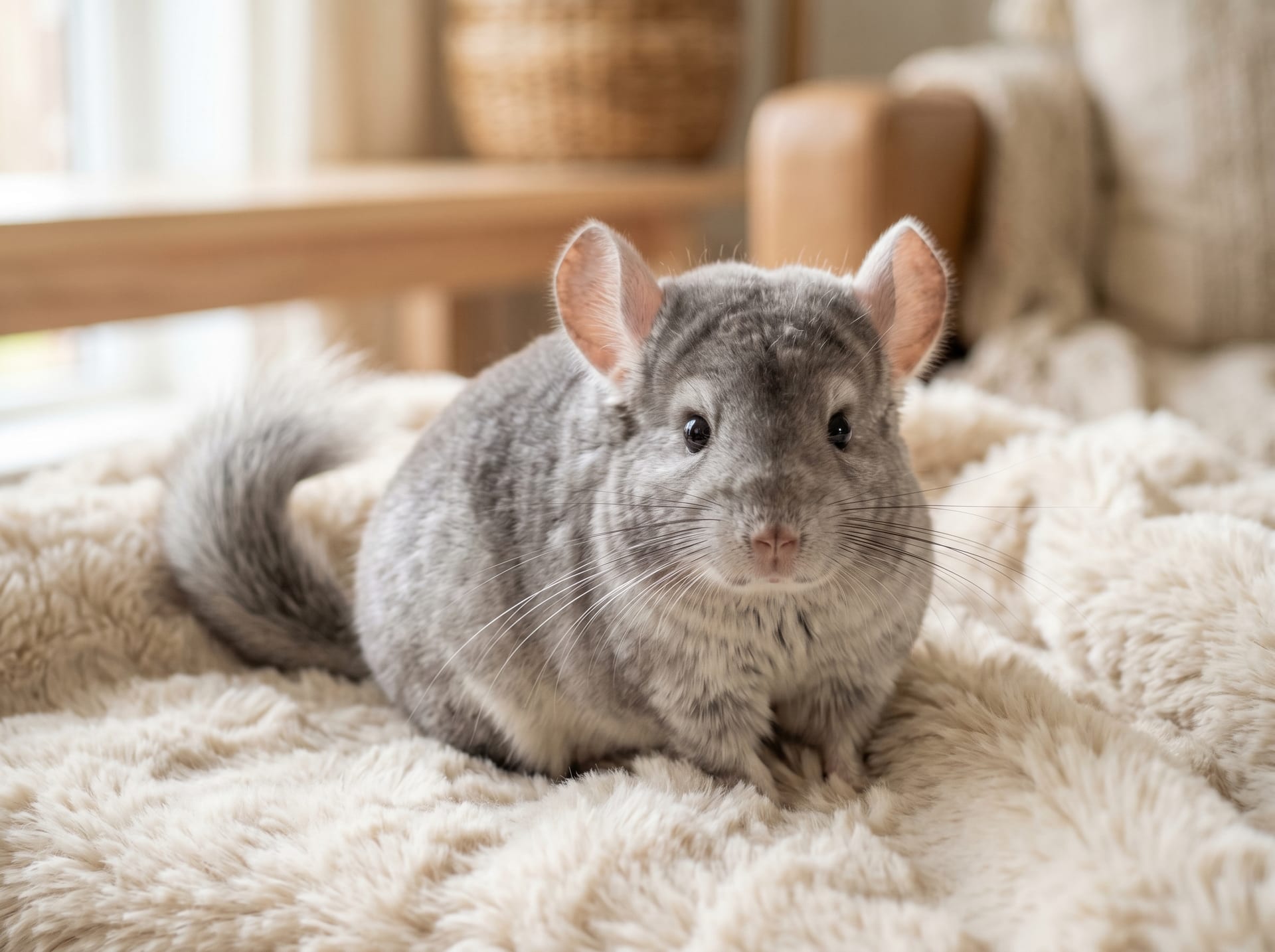
Senior age guidelines by species are: hamsters 1.5-2 years, guinea pigs 4-5 years, rabbits 5-6 years, ferrets 4-5 years, and chinchillas 10-12 years.
Dietary Adjustments for Senior Years
Senior small animals require different nutritional management than when younger. Provide food that takes into account their declining digestive function and dental issues.
Transitioning to softer food: Soften hard pellets by soaking them in lukewarm water or offer grated vegetables to reduce chewing effort
High fiber, low fat: Rabbits and guinea pigs should continue a hay-based diet. However, if coarse first-cut timothy hay is difficult to eat, switch to softer second-cut or third-cut hay
✍️
BreederDirect Editorial
The BreederDirect editorial team specializes in care information for animals, covering veterinary care and breeding to deliver beginner-friendly guides.
Find Small Animals on BreederDirect
Buy directly from verified breeders
Browse Related Listings
Find Small Animals listings related to this article on BreederDirect. Buy directly from verified breeders.
Ensuring water intake: Water consumption often decreases with age. Lower the position of the water bottle and increase water-rich vegetables (such as cucumber and lettuce) to ensure adequate hydration
Considering supplements: Under veterinary guidance, consider joint support and vitamin supplements. Avoid self-administering supplements without professional advice
Frequent small meals: Since they cannot eat large amounts at once, offering multiple small meals throughout the day is effective
For senior hamsters, reduce seed intake and focus on a low-fat, high-protein diet balance. Ferrets face increased risk of insulinoma (a pancreatic tumor) as they age, making low-sugar diet management particularly important. Ferret-specific senior risks, including adrenal disease, are detailed in Ferret Adrenal Disease and Insulinoma Guide.
Reviewing the Living Environment
It's important to adjust the living environment so senior small animals can live safely and comfortably.
Making it barrier-free: Reduce height differences in the cage and replace steps and ladders with gentle ramps. For rabbits, install a ramp at the cage entrance
Choosing appropriate bedding: Use non-slip bedding material. For rabbits with weak legs, place soft mats to prevent sore hocks (foot ulcers)
Positioning litter boxes: Place litter boxes near sleeping areas to minimize travel distance. Switching to low-sided boxes that are easy to access is also effective
Enhanced temperature control: Senior small animals have reduced thermoregulation abilities. Stricter temperature control is needed compared to younger animals. In winter, consider installing a pet heater
Quiet environment: Stress tolerance decreases during senior years. Avoid loud noises from TV or visitors, and place the cage in a quiet location
Remove or relocate to lower positions any toys or equipment with risk of falling from heights, such as exercise wheels and climbing structures.
Common Age-Related Diseases and Management
Knowing common diseases in senior small animals enables early detection and treatment.
Malocclusion (Rabbits, Guinea Pigs): Overgrown teeth and bite misalignment become more common with age. Loss of appetite and drooling are warning signs. Have regular dental check-ups and tooth trimming performed as needed
Tumors (Hamsters, Ferrets, Rats): The incidence of tumors increases in senior small animals. Seek veterinary care promptly if you notice lumps on the body. Tumors become more common in hamsters after 1.5 years old and in rats after 1.5 years old
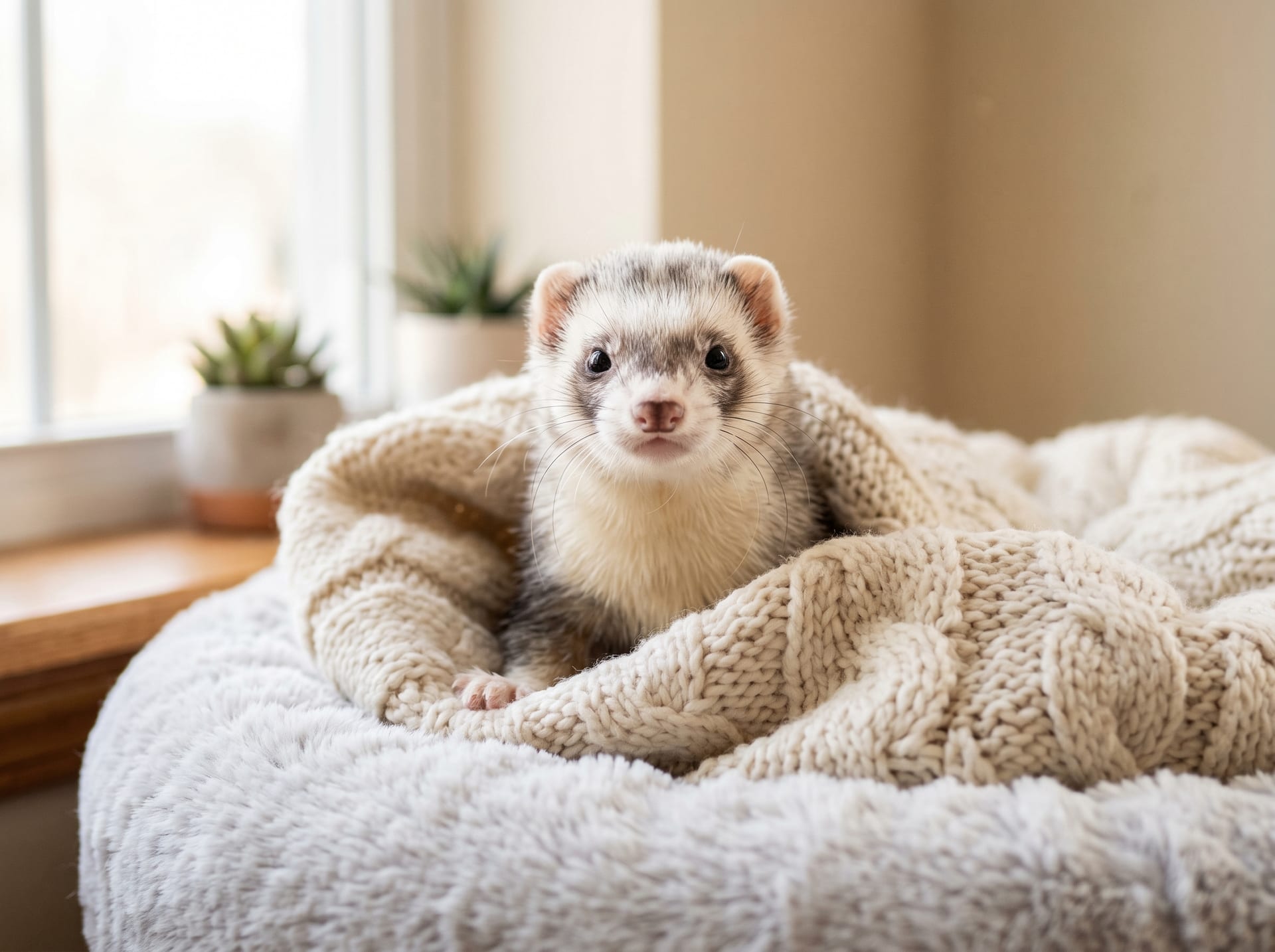
Adrenal Disease (Ferrets): Very common in senior ferrets. Symptoms include hair loss, vulvar swelling, and urinary difficulties. It can be managed with hormone therapy or surgery
Uterine Disease (Rabbits): Unspayed female rabbits face significantly increased risk of uterine cancer with age. Bloody urine may appear as an early symptom
Heart Disease (Hamsters): Heart function decline is seen in senior hamsters. Watch for symptoms such as labored breathing and sluggish movement
Cataracts: Seen in many small animals during senior years. Even if complete blindness occurs, most can live using smell and touch, so it's important not to drastically change cage layout
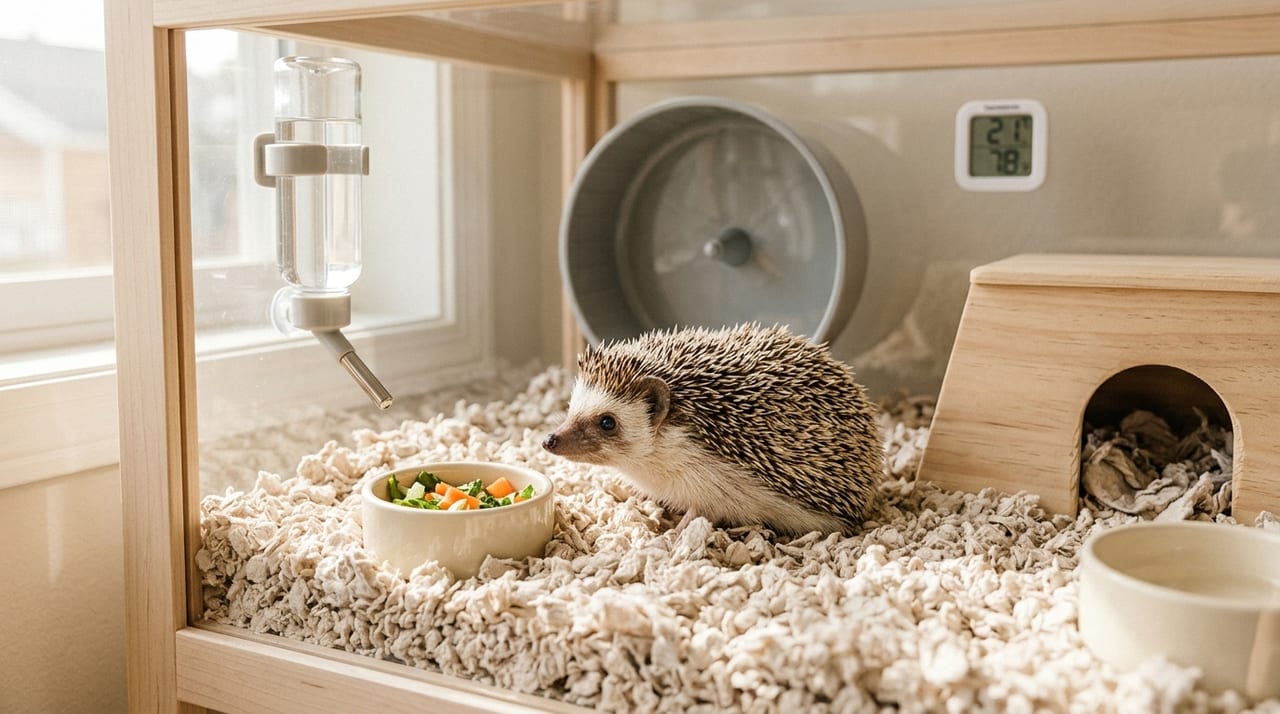
WHS (Wobbly Hedgehog Syndrome): A neurological disease specific to hedgehogs; risk increases with age in some individuals. Early veterinary consultation is important if gait instability or tremors are observed. Detailed symptoms and palliative care are covered in Hedgehog WHS (Wobbly Hedgehog Syndrome) Complete Guide
When Care and Assistance Become Necessary
When movement and eating become difficult, owner-provided care becomes necessary.
Force-feeding: When animals can no longer eat on their own, syringe-feeding of liquid food becomes necessary. Learn the proper technique from your veterinarian
Elimination care: If they cannot reach the litter box, wipe their body regularly. Soiling around the rear can cause skin inflammation
Repositioning: For bedridden animals, change their position regularly to prevent bedsores
Keeping warm: Provide appropriate warmth to senior animals with difficulty maintaining body temperature using pet heaters or heat packs. Be careful to avoid burns
Medication management: Maintain a medication schedule to ensure proper administration of chronic disease treatments. Methods include mixing into treats or direct syringe administration
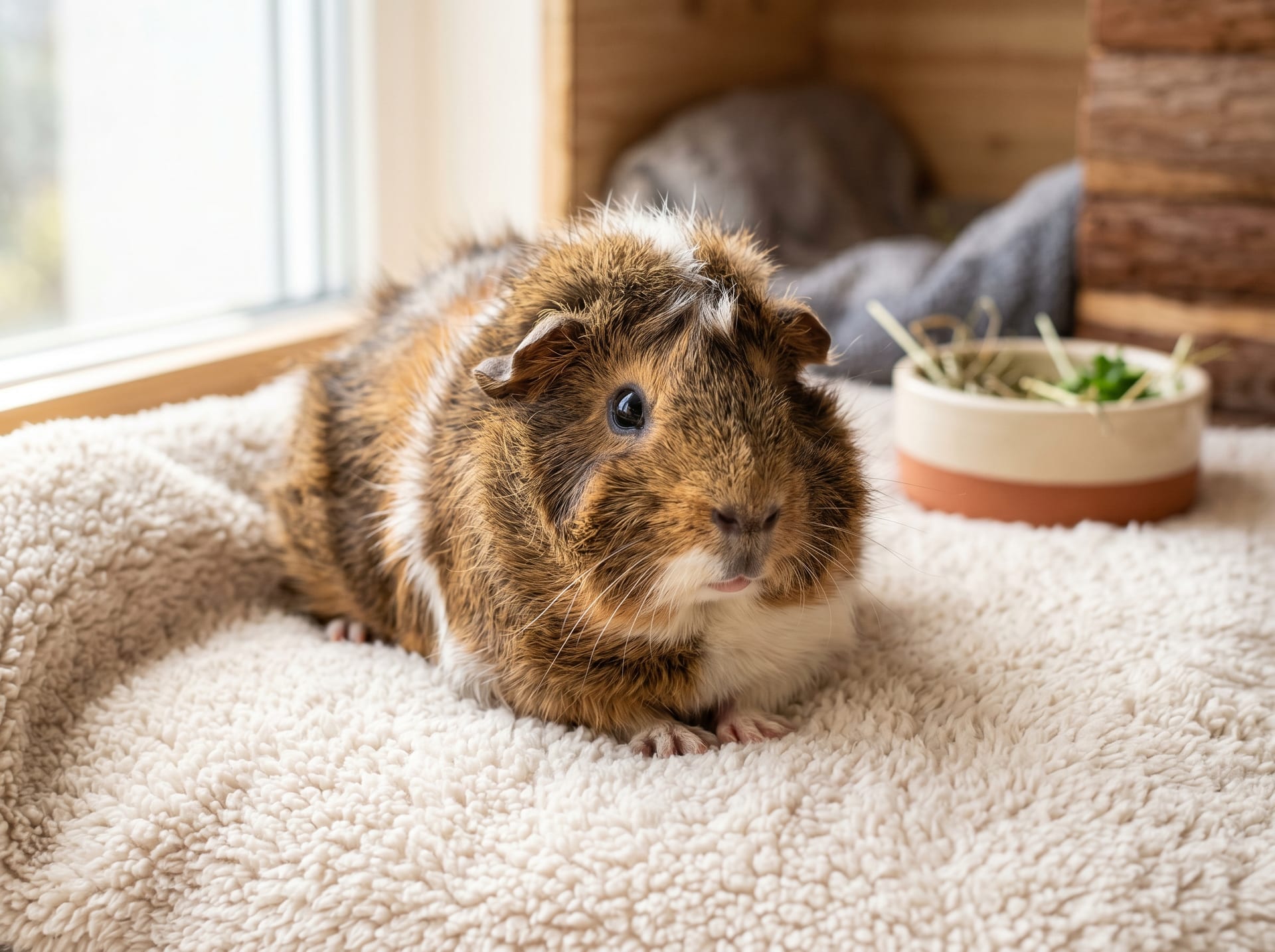
Caregiving places significant physical and emotional burden on owners. Consult with veterinarians and experienced pet caregivers, and provide care within your capacity. For guinea pig longevity-focused care approaches, see Peruvian Guinea Pig Lifespan Extension Care Guide.
Facing End-of-Life Care and Saying Goodbye
Since many small animals have short lifespans, owners must eventually face saying goodbye.
Life extension vs. quality of life: Deciding whether to continue treatment or allow a peaceful existence is the most difficult choice for owners. Consult with your veterinarian to make the best decision for the animal
Final resting place: Many owners prefer end-of-life care at home. Allowing them to spend their final days in a familiar, peaceful environment provides comfort for the animal
Preparing for pet loss: The grief of losing a beloved pet is profound and natural. Knowing beforehand about pet loss counseling or online communities where you can share feelings can be helpful
Methods of farewell: There are various options for saying goodbye, including cremation through pet funeral services, municipal arrangements, or home burial (for detached houses). Researching these options beforehand helps you respond calmly when the time comes
Welcome a Healthy Animal from br-choku
To ensure a rich senior life for your small animal, health status at adoption is crucial. Through br-choku, you can purchase small animals directly from trusted breeders and learn detailed information about genetic health and parental medical history.
By adopting from breeders who raise genetically healthy animals in appropriate environments, you may reduce disease risk during their senior years. To spend many years together as a cherished family member, make your adoption choice carefully.