Small Animal Health Checklist | Daily Observation Tips and Signs of Illness | ブリちょく
Small Animals| ✍️ BreederDirect Editorial
Small Animal Health Checklist | Daily Observation Tips and Signs of Illness
Daily observation tips for early detection of health issues in small animals. Learn how to read signs of illness through changes in appetite, excretion, coat condition, and behavior, plus how to choose a veterinarian and handle emergencies.
Key Takeaways
Daily observation tips for early detection of health issues in small animals. Learn how to read signs of illness through changes in appetite, excretion, coat condition, and behavior, plus how to choose a veterinarian and handle emergencies.
Related Species
Small Animal Health Checklist | Daily Observation Tips and Signs of Illness
Small animals are tiny with limited physical reserves, so their health can deteriorate at a speed incomparable to dogs and cats. To avoid the heartbreaking experience of an animal appearing healthy yesterday only to become critically ill by the next morning, daily observation habits are essential. Early detection of abnormalities increases treatment options and significantly improves recovery rates. This article covers everything from daily health check methods you can practice at home, to breed-specific diseases to watch for, to emergency response procedures—all explained in an easy-to-understand way for beginners.
---
5 Daily Observation Points to Check
1. Appetite and Water Intake
Changes in appetite are often the first sign of health problems. Develop a habit of feeding the same amount daily and checking how much remains the next morning.
Sudden loss of appetite or noticeable decrease in food intake requires attention
Extreme increases or decreases in water consumption can also indicate abnormality
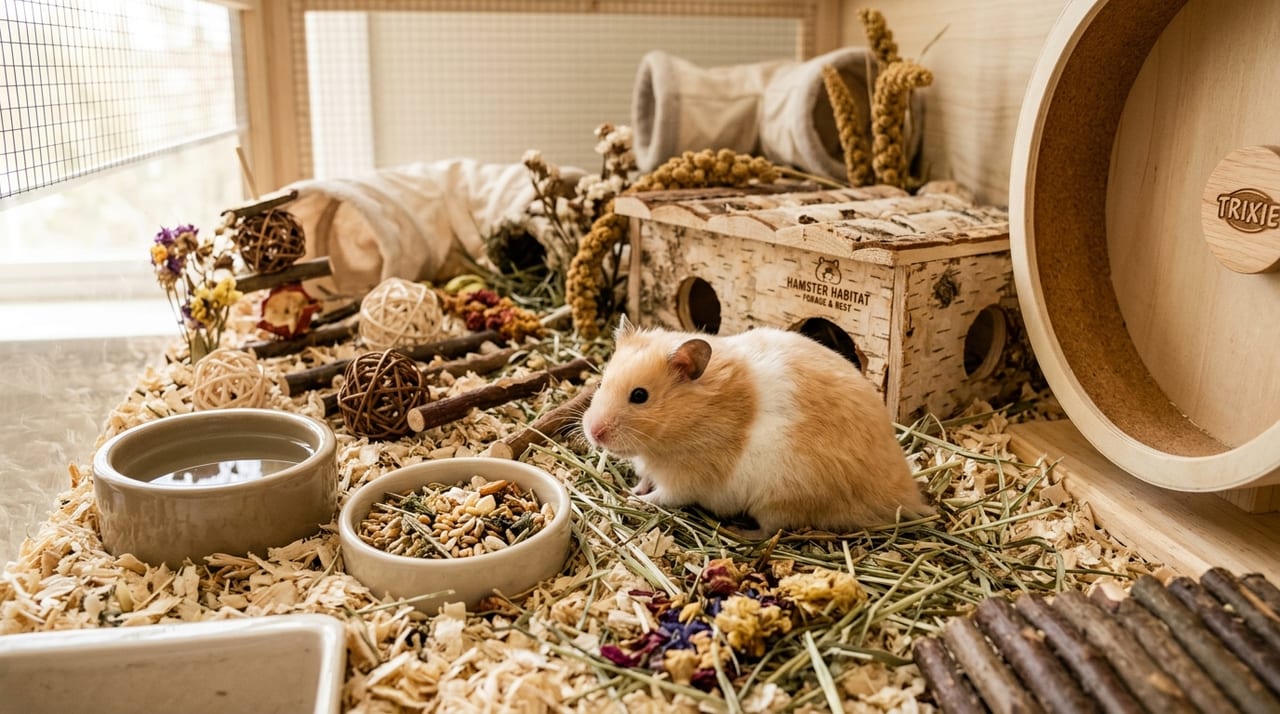
Hamsters hide food in their cheek pouches, so check inside the nesting box as well
Guinea pigs and rabbits require constant digestive tract movement, making appetite loss particularly dangerous
2. Excretion and Waste
The condition of feces and urine is a mirror of your animal's internal health. Check them daily while cleaning the cage.
Feces: Check quantity, size, shape, and hardness. Rabbits should have round, pellet-shaped droppings; diarrhea or abnormally small droppings are concerning. Hamsters should have dry, grain-sized droppings; watery diarrhea is a sign to seek veterinary care immediately
Urine: Monitor color, quantity, and frequency. Bloody urine is an emergency sign requiring immediate veterinary attention
Changes in toilet location or frequent trips with little output are also signs of abnormality
3. Coat and Skin Condition
✍️
BreederDirect Editorial
The BreederDirect editorial team specializes in care information for animals, covering veterinary care and breeding to deliver beginner-friendly guides.
Find Small Animals on BreederDirect
Buy directly from verified breeders
Browse Related Listings
Find Small Animals listings related to this article on BreederDirect. Buy directly from verified breeders.
Coat condition reflects nutritional status, stress levels, and skin problems. By handling your animal daily, you'll notice even small changes.
Dull, unkempt coat with excessive flaking → Possible stress or skin disease
Hair loss and bald patches → May indicate mites, fungal infections, or allergies
Frequent scratching or licking the same spot → Sign of skin problems
In hedgehogs, flaking at the base of spines indicates mite infestation
4. Behavior and Movement Patterns
The instinct that something is "different from usual" is extremely important. By understanding your animal's normal behavior patterns, you'll notice abnormalities more easily.
Less active than usual, staying still in corner of cage → Likely sign of poor health
Unusually restless, continuously chewing cage → Sign of pain or stress
Awkward gait or dragging feet → Possible fracture, dislocation, or neurological disease
Nocturnal animals (like hamsters) being excessively active during the day also warrants attention
5. Eyes, Nose, and Mouth Condition
Observing the face area provides important clues for identifying specific diseases.
Excessive eye discharge or tears, difficulty opening eyes → Conjunctivitis or dental problems (especially in rabbits)
Frequent sneezing and nasal discharge → Respiratory disease (such as snuffles)
Excessive drooling or wet around mouth → Malocclusion (common in rabbits, guinea pigs, and chinchillas)
Frequent touching of mouth or dropping food → Sign of dental or oral problems
---
Breed-Specific Diseases to Know About
Hamster
Wet Tail (Proliferative Ileitis): Characterized by severe watery diarrhea with a very high mortality rate. Seek veterinary care immediately upon discovery
Cheek Pouch Prolapse: The cheek pouch protrudes from the mouth. It won't return naturally, so get to a veterinarian immediately
Hibernation-like State: Occurs when room temperature drops below 15°C. The body may feel cold and rigid but the animal may still be alive. Warm it gently with your hands while getting to a veterinarian quickly
Rabbit
Stasis (Hairball Disease): Digestive tract motility stops, with decreased appetite being the first sign. Leaving it untreated can be life-threatening
Malocclusion: A condition where tooth alignment is misaligned. Can be prevented by providing sufficient timothy hay to promote natural tooth wear
Snuffles: A respiratory disease with sneezing, nasal discharge, and eye discharge. Caused by bacterial infections such as Pasteurella
Chinchilla
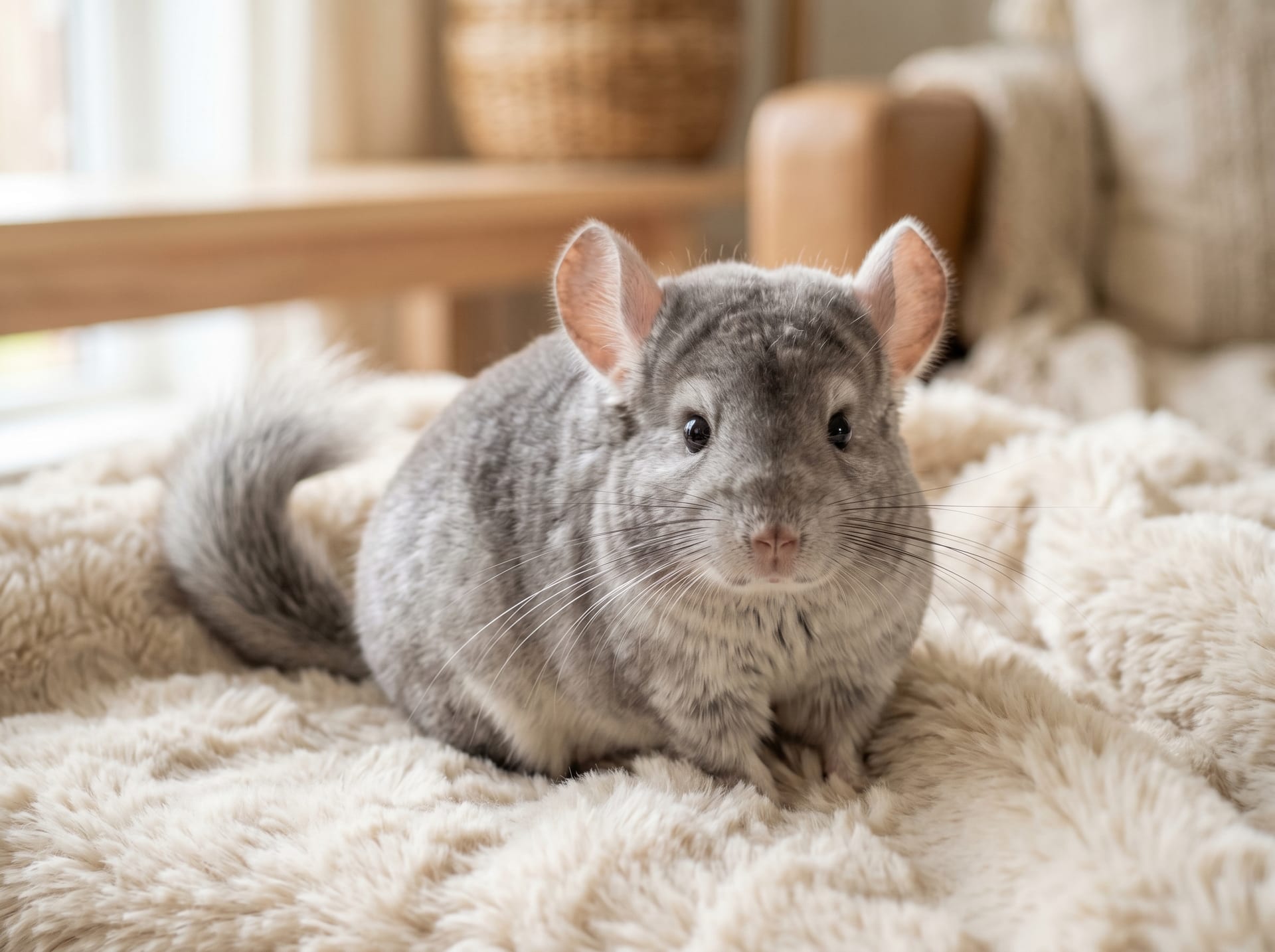
Heat Stroke: Dangerous above 25°C. If lethargic, cool the animal while getting to a veterinarian
Digestive Problems: Primarily caused by insufficient timothy hay leading to decreased intestinal movement. Ensuring adequate fiber intake is key prevention
Malocclusion: Indicated by increased drooling or appetite loss. Regular dental checkups are recommended
Hedgehog
Mite Infestation: Excessive flaking appears at the base of spines. Can be improved with prompt medication
Obesity: Caused by lack of exercise and overfeeding. Providing a running wheel and managing food portions are important
Tumors: Occurrence increases after age 3. Early detection through regular palpation is important
Guinea Pig
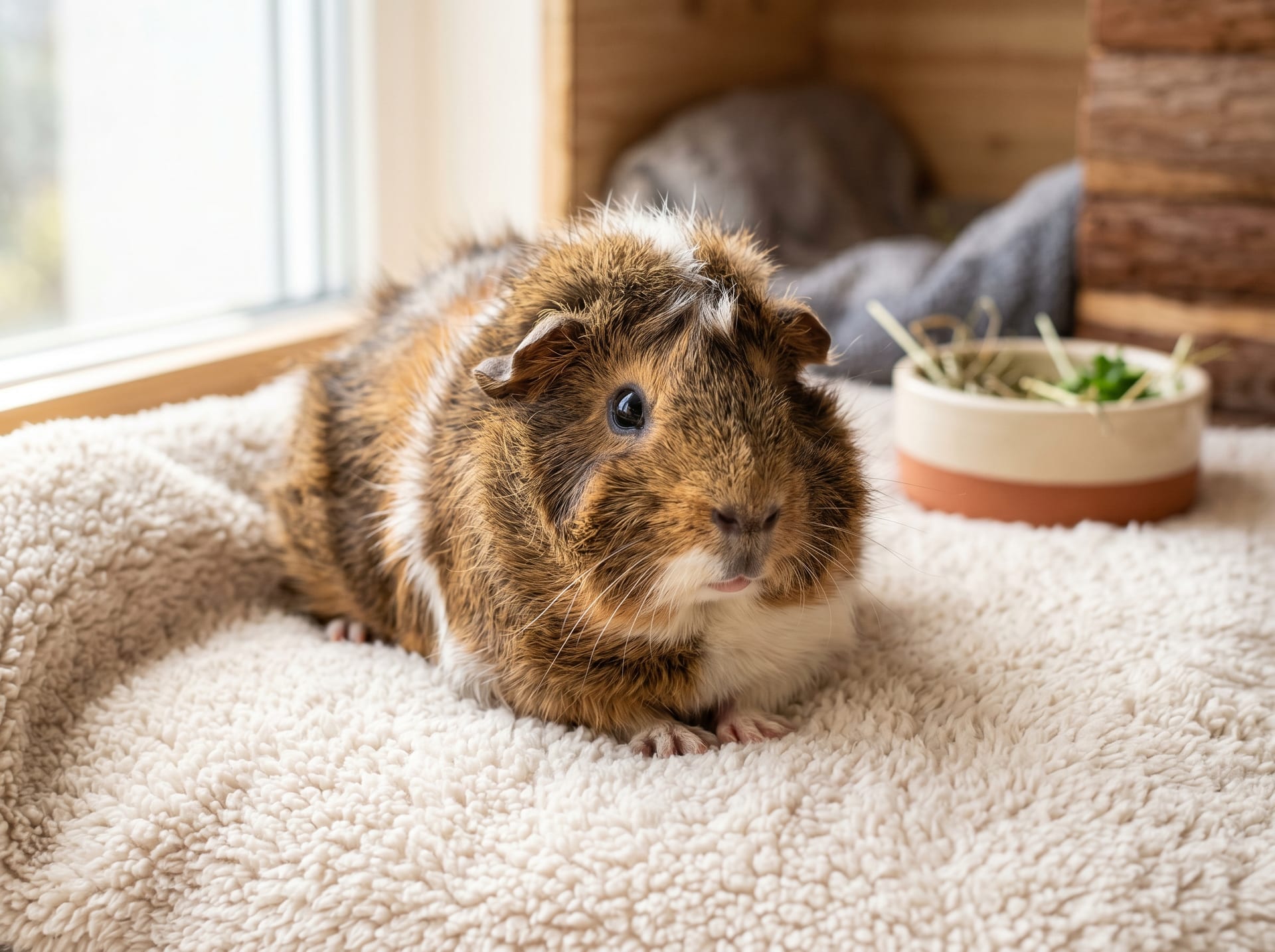
Vitamin C Deficiency: Guinea pigs cannot synthesize vitamin C internally. Main signs include lethargy and joint swelling. Can be prevented through daily vegetable supplementation
Uroliths (Bladder Stones): More common in males. Bloody urine or vocalization during urination often leads to discovery
---
Choosing a Veterinarian and Preparation
There are limited veterinary clinics that treat small animals, and in particular, veterinarians experienced with "exotic animals" may be scarce in some regions. To avoid panic in emergencies, it's important to find a regular veterinarian before bringing your animal home.
Choose clinics that explicitly state they handle "exotic animals" and specialize in "small animals"
Clinics specializing only in dogs and cats may not offer appropriate examinations and treatments for small animals
Note the contact information for emergency clinics that operate after hours and on holidays
Having an initial wellness check before an emergency helps ensure smooth care when needed
In emergencies, "keeping warm and seeking prompt veterinary care" are essential. If your animal isn't eating or moving, wrap the cage in a towel for warmth and go to the veterinarian immediately without hesitation. In case of diarrhea, ensure your animal has access to water to prevent dehydration before seeking care.
---
Summary
Small animal health management is built on the accumulation of daily "small observations." By habitually checking the five areas—appetite, excretion, coat condition, behavior, and facial features—you can significantly improve your ability to detect illness early. Additionally, understanding the characteristics and vulnerabilities of each species enables more accurate care.
At br-choku, you can acquire small animals directly from breeders with extensive experience. Many breeders also offer post-adoption care consultation, providing an environment where you can ask questions when you need help. By welcoming a healthy animal with proper knowledge, you can enjoy a longer, richer life with your cherished family member.