Small Animal Dental Health Guide | Preventing Malocclusion and Managing Tooth Problems
Learn about dental health management for small animals including rabbits, hamsters, and guinea pigs. This guide covers the causes and symptoms of malocclusion, prevention methods, and daily tooth care practices.
Key Takeaways
Learn about dental health management for small animals including rabbits, hamsters, and guinea pigs. This guide covers the causes and symptoms of malocclusion, prevention methods, and daily tooth care practices.
Related Species
Rabbits, hamsters, guinea pigs, chinchillas, degus, and many other pet small animals belong to either the order Rodentia or Lagomorpha and possess "ever-growing teeth" that continue to grow throughout their lives. When these teeth do not wear down appropriately, they develop malocclusion, a serious condition that prevents eating. This article provides a detailed explanation of dental health management for small animals.
Understanding Small Animal Tooth Structure and Characteristics
Rabbits have a total of 28 teeth, consisting of 6 incisors (front teeth) and 22 molars (back teeth). The incisors in the upper jaw have a double structure, with small supplementary teeth (peg teeth) behind the larger front teeth. All of the teeth are ever-growing, continuing to grow at a rate of approximately 2mm per week. In normal conditions, the upper and lower teeth wear down naturally when they occlude against each other, maintaining an appropriate length.
Hamsters have a total of 16 teeth, with 4 incisors being ever-growing. The molars are fixed teeth that do not change. The incisors are yellowish-orange in color, which is due to iron content in the enamel and is not abnormal. Conversely, white teeth may indicate nutritional deficiency.
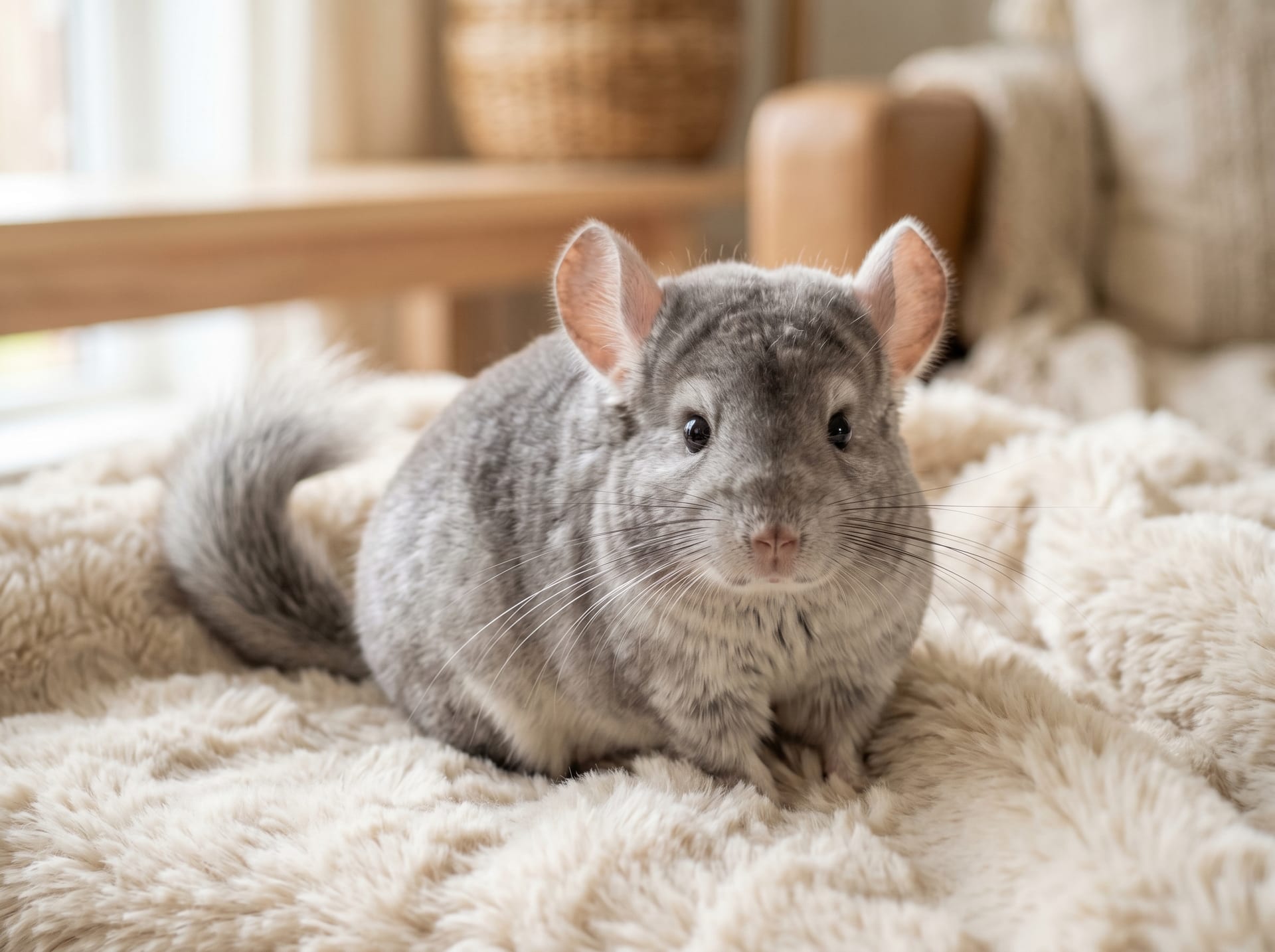
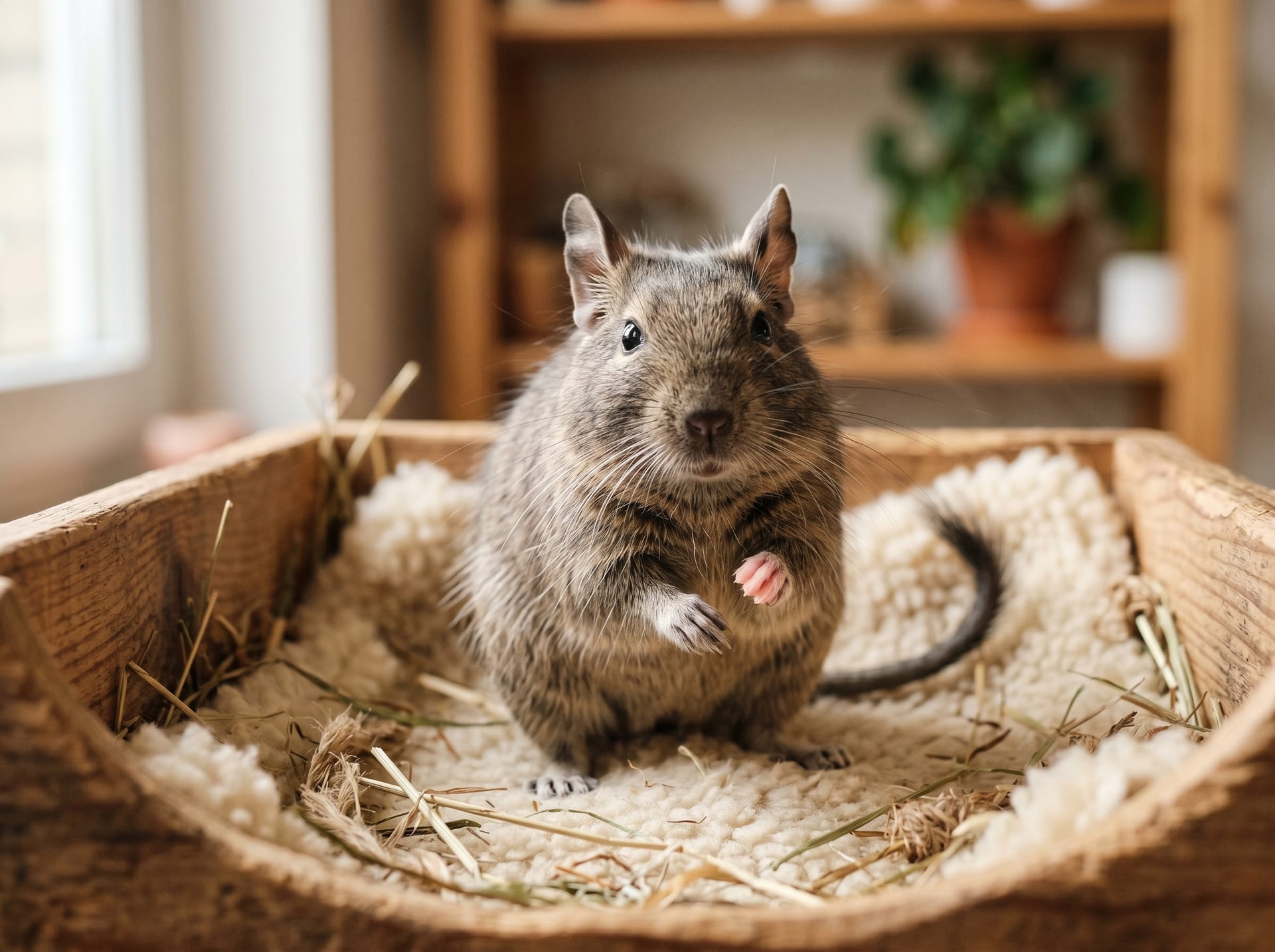
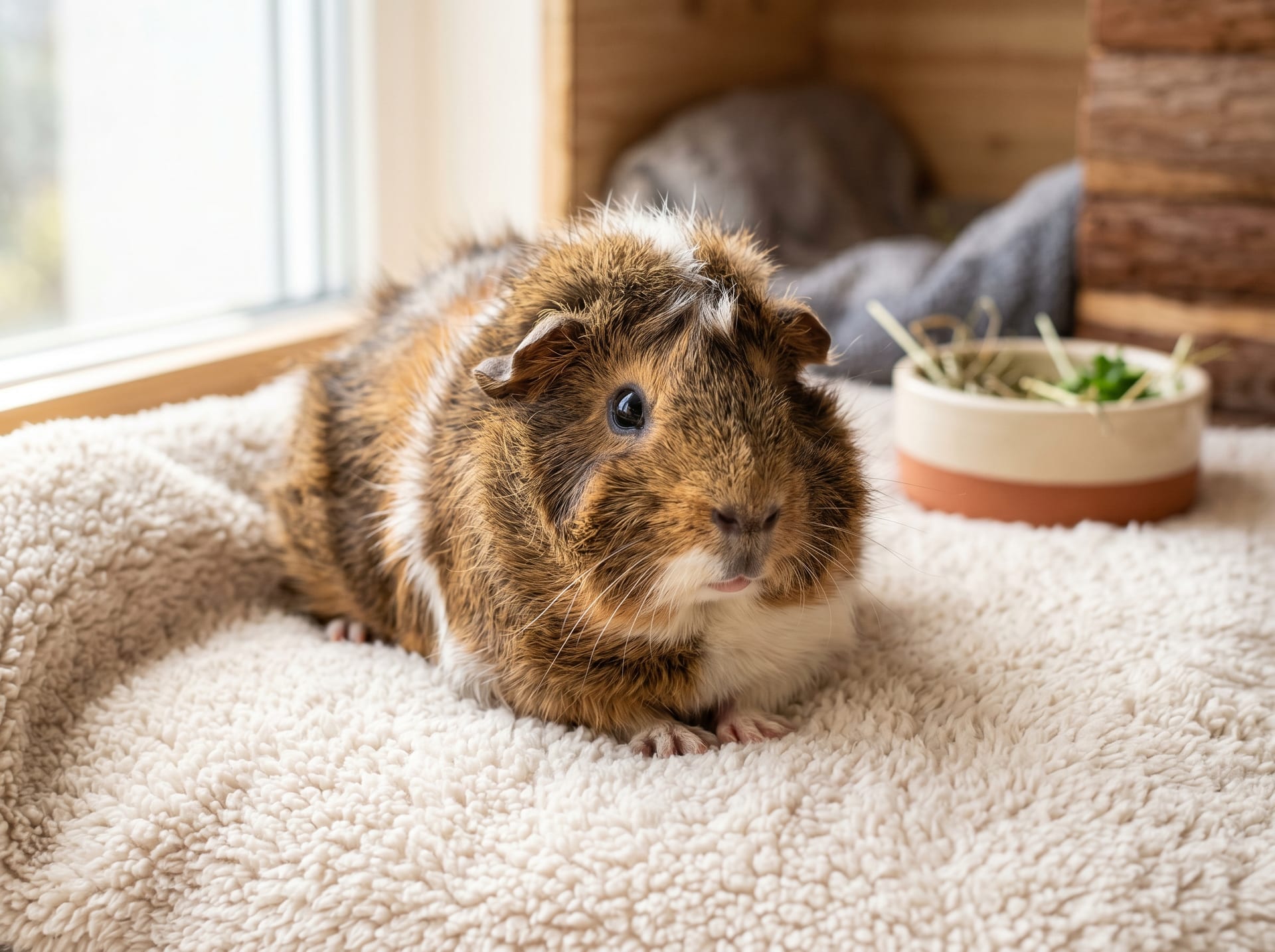
Guinea pigs and chinchillas have all of their incisors and molars as ever-growing teeth. Guinea pigs in particular have the characteristic that they cannot synthesize vitamin C in their bodies, and vitamin C deficiency affects gum health and can worsen dental problems. Degus also have all ever-growing teeth and are animals with a high risk of malocclusion.
Causes of Malocclusion and Prevention Methods
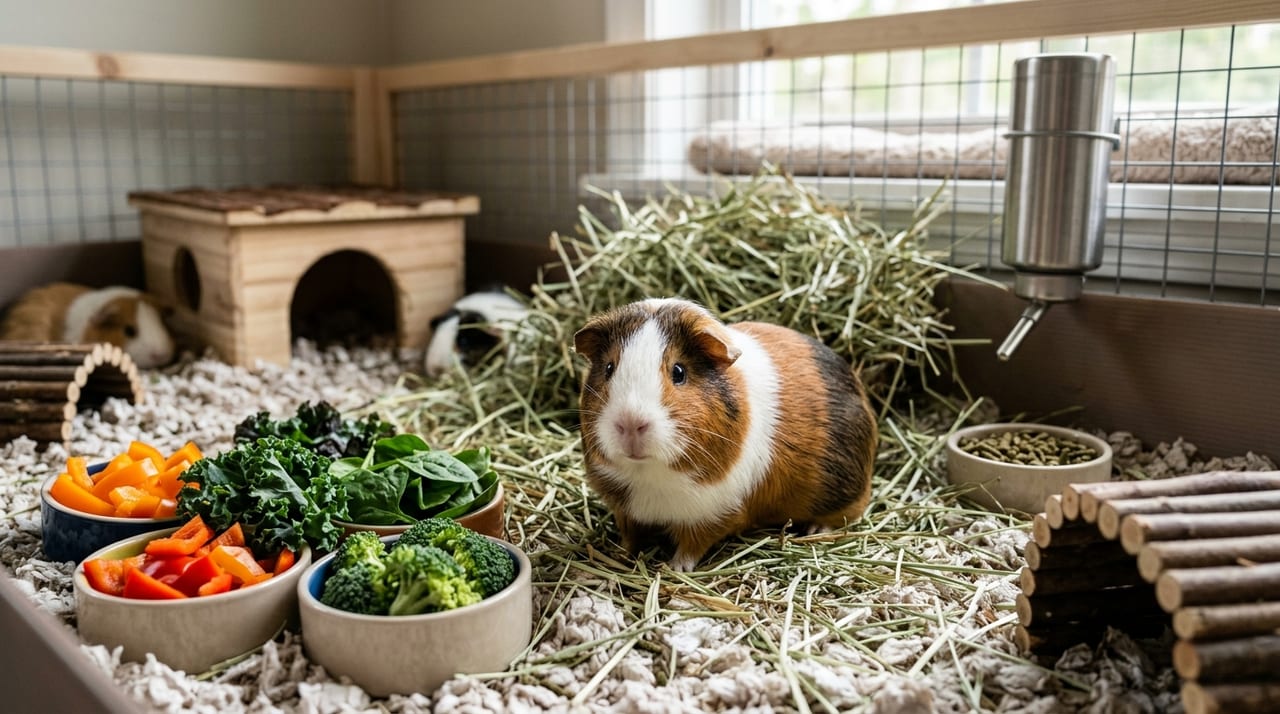
The primary cause of malocclusion is a diet that does not provide adequate wear. The main diet for rabbits and guinea pigs is grass hay from the Poaceae family (such as timothy hay), and the chewing motion of grinding hay fibers with the molars is essential for tooth wear. A diet consisting only of pellet food lacks the lateral grinding action of the molars, significantly increasing the risk of malocclusion.
Hay should always be available in abundance in the cage, creating an environment where it can be eaten at any time. First-cut timothy hay has harder fibers and is most effective for tooth wear. Second-cut and third-cut hay are softer and easier to eat, but first-cut is superior for maintaining dental health.