Small Animal Welcome Guide|Checkpoints When Purchasing from Breeders | ブリちょく
Small Animals| ✍️ BreederDirect Editorial
Small Animal Welcome Guide|Checkpoints When Purchasing from Breeders
We explain the key points to confirm when welcoming a healthy small animal. From choosing a reliable breeder, health check methods for individual animals, stress reduction during transport, to how to spend your first day with your new pet.
Key Takeaways
We explain the key points to confirm when welcoming a healthy small animal. From choosing a reliable breeder, health check methods for individual animals, stress reduction during transport, to how to spend your first day with your new pet.
Related Species
Guide to Welcoming Small Animals | Checklist for Purchasing from Breeders
Small animals become valued family members. To welcome healthy and people-friendly individuals, where and how you purchase is very important. While you can purchase small animals from pet shops, acquiring them directly from breeders has many advantages. This article explains in detail the process of welcoming small animals from breeders, how to identify good breeders, and points for health checks.
---
Benefits of Purchasing from Breeders
A breeder is someone who professionally breeds and sells specific types of animals. Unlike pet shops, breeders directly sell individuals they have raised themselves, offering major advantages in the following ways.
Clear growth history: From birth to sale, the same person manages the individual consistently, so the breeder themselves understand the health status, feeding history, and behavioral tendencies.
Reduced genetic disease risk: Because parental health status and lineage can be verified, you can avoid lines prone to genetic issues.
Appropriate age transfer: Welcoming too early leads to reduced immunity and immature sociability. Breeders' standard practice is to transfer at the appropriate weaning stage.
Availability for husbandry consultation: You can build a relationship where you can easily consult about diet, environment, and illness after welcoming the animal.
Understanding individual personality: Only a breeder who interacts daily can tell you individual-specific traits like "people-friendly," "active," or "affectionate."
For those welcoming a small animal for the first time, a connection with an experienced breeder is a very reassuring presence in the long term. Br-choku features breeders from across the country, and you can find individuals of interest from the small animal category.
---
How to Identify a Good Breeder
✍️
BreederDirect Editorial
The BreederDirect editorial team specializes in care information for animals, covering veterinary care and breeding to deliver beginner-friendly guides.
Find Small Animals on BreederDirect
Buy directly from verified breeders
Browse Related Listings
Find Small Animals listings related to this article on BreederDirect. Buy directly from verified breeders.
Breeder quality varies widely. To select a trustworthy breeder, check these points in advance.
Points to Verify
Cleanliness of the husbandry environment: Check odor, cleanliness, and density inside the cage. Overcrowding increases stress and disease risk.
Response to questions: How thoroughly and carefully a breeder answers questions about husbandry methods and health status is a gauge of their sincerity.
Health examination: Confirm whether a veterinary health check is performed before sale.
Presence of after-sales support: It's also important whether there's a system to consult with when problems arise after welcoming the animal.
Facility viewing availability: Breeders who allow direct visits or show their environment via photos and videos are considered highly trustworthy.
Warning Signs to Be Cautious About
Carefully consider transactions with breeders that match any of the following.
Price is extremely lower than market rate (possibly cutting corners on health management costs)
Selling individuals immediately after birth or before weaning
Reluctant to show their husbandry environment
Providing only vague or brief answers to questions
No health guarantees or refund policies whatsoever
---
Health Checks and Appropriate Age for Welcoming
Before actually welcoming an animal, it's important to thoroughly check the individual's health status.
General Health Checks
Body Part
Checkpoint
Eyes
Bright, no discharge or cloudiness
Nose
No nasal discharge or sneezing
Coat
Shiny, no baldness, wounds, or scabs
Rectal area
Clean, no signs of diarrhea
Body shape
Neither bony nor overweight
Behavior
Activity level during active hours
Species-Specific Additional Checks
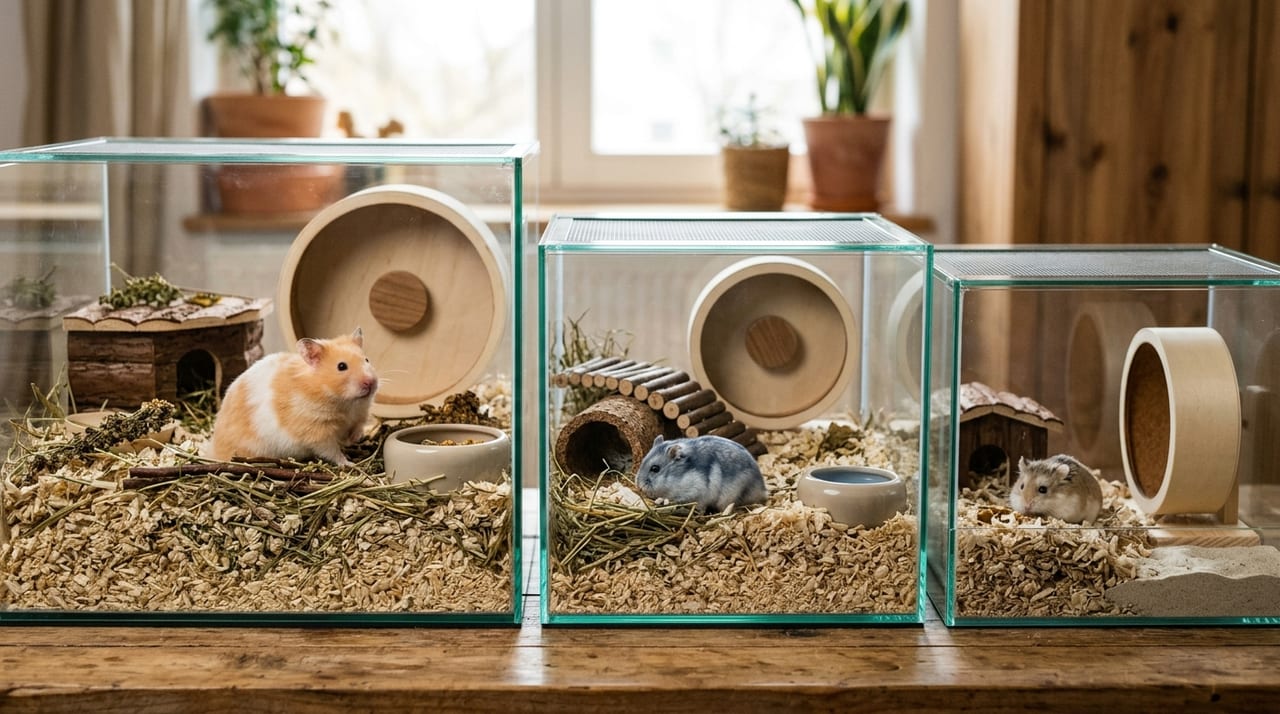
Hamster: No abnormal bulging or hardness in cheek pouches
Rabbit: Normal incisor alignment, no corns or wounds on footpads
Hedgehog: No flaking at the quill base (sign of mites), face completely covers when curled
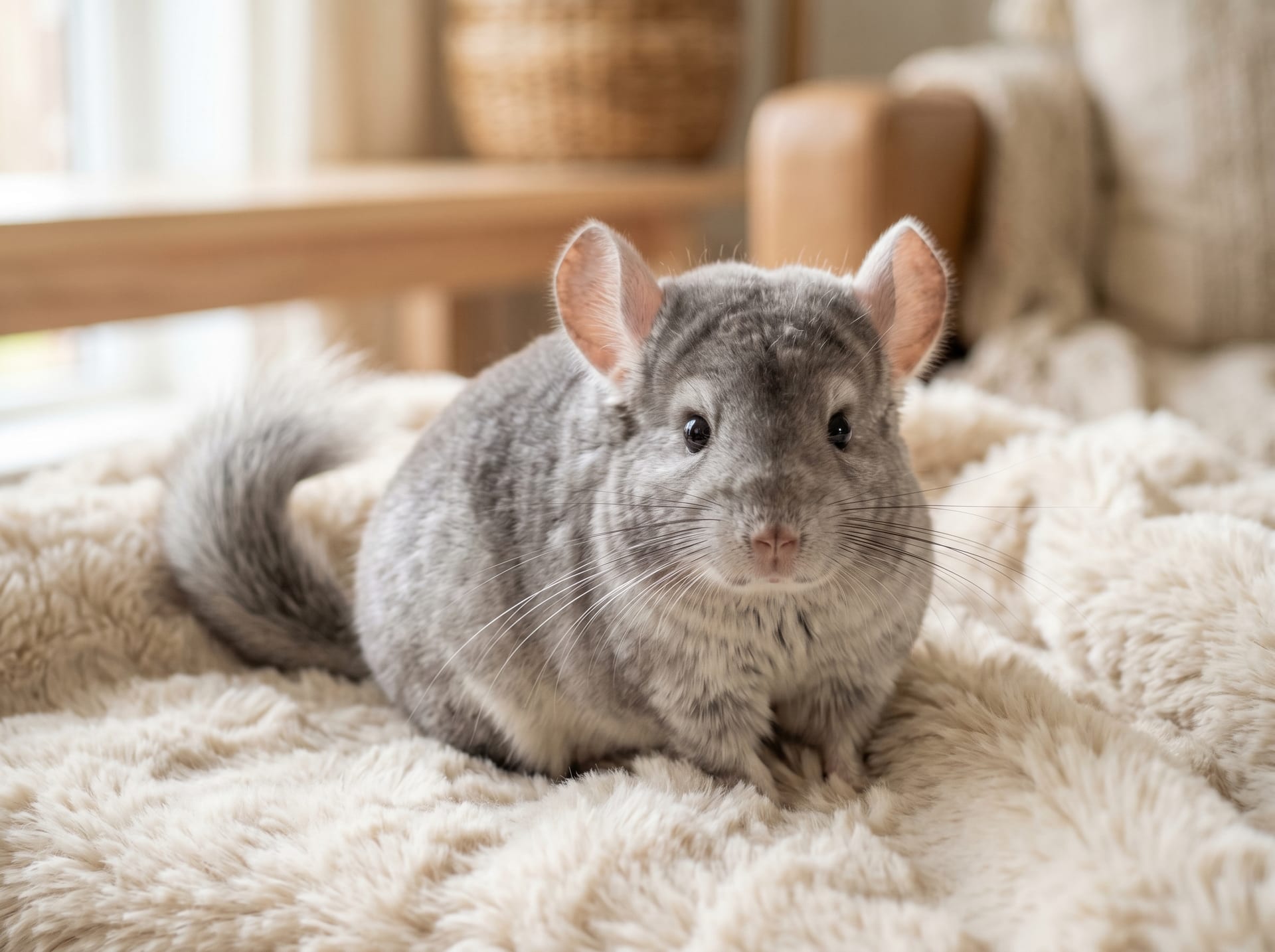
Chinchilla: Uniform fur density, teeth are yellow to orange in color (normal)
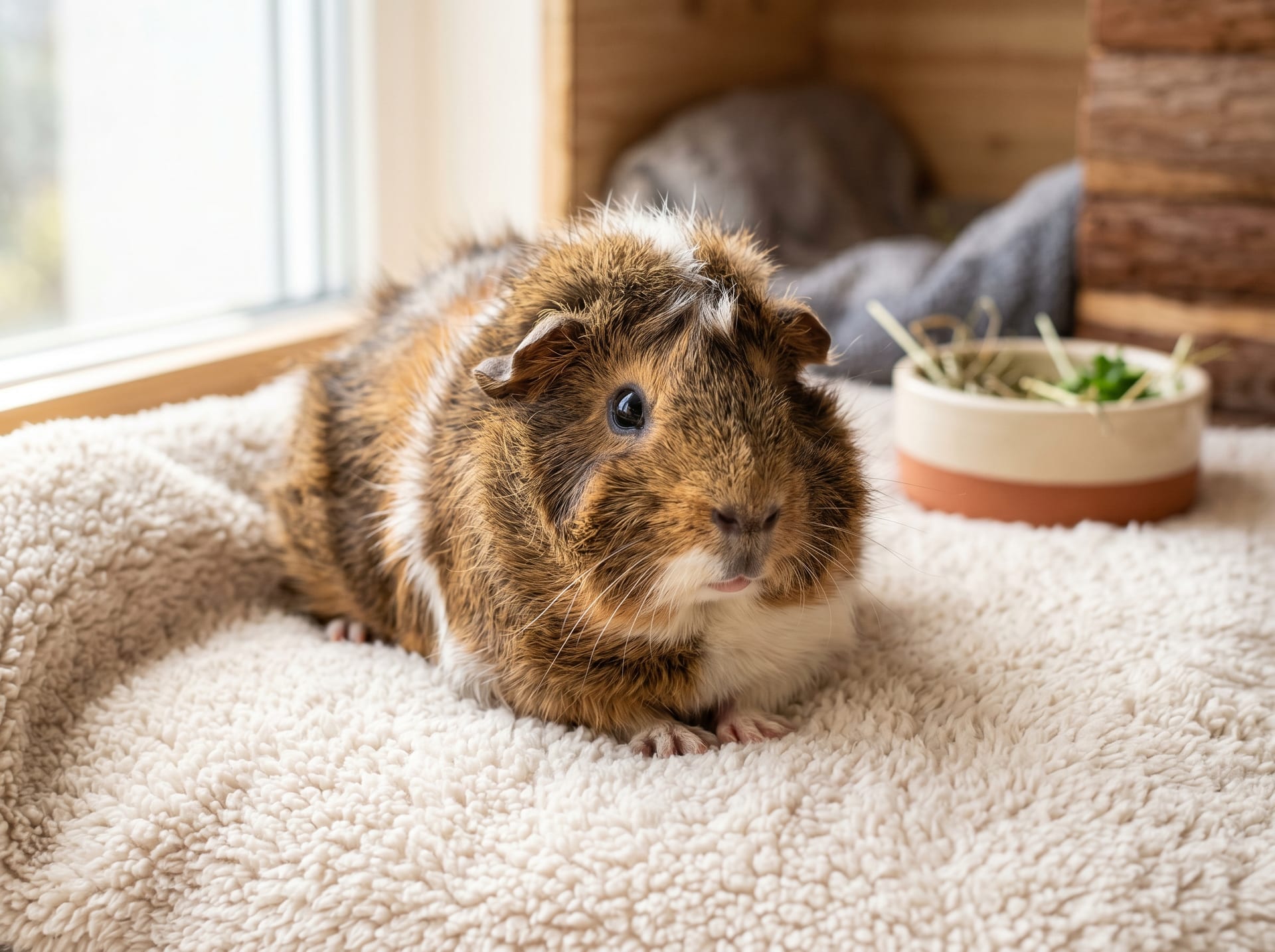
Guinea pig: No wheezing in breathing, nails not overgrown
Guidelines for Appropriate Welcoming Age
Species
Minimum Age
Recommended Age
Hamster
4 weeks or older
5-8 weeks
Rabbit
6 weeks or older
8-12 weeks
Chinchilla
8 weeks or older
10-12 weeks
Hedgehog
6 weeks or older
8-10 weeks
Guinea pig
3 weeks or older
4-6 weeks
Welcoming too early affects immunity, sociability, and emotional stability. If a breeder says "it's still too early," respect their judgment.
---
Transportation and How to Spend the First Day After Welcoming
Small animals are sensitive to environmental changes, and transportation or a new living environment alone causes significant stress. How you spend the first few days greatly affects subsequent socialization and health.
Transportation Tips
Make the carrier case a dark, appropriately confined space resembling a "burrow"
Use ice packs wrapped in towels (to prevent direct contact) in summer, hand warmers in winter
Line the bottom with towels or bedding to absorb vibration
Keep travel time as short as possible. For long distances, consider direct shipping
How to Spend the First 1-3 Days After Welcoming
Prepare the environment before welcoming: Have the cage, water bottle, food, and nesting material set up in advance
Place in a quiet location: Avoid places where TV or voices are constantly heard
Don't handle: For at least 24-48 hours, don't put your hands in the cage, just observe
Handle after one week: Though it varies by individual, gradually accustom them without rushing
Only check eating and drinking: Quietly verify they're eating and drinking
What NOT to Do Immediately After Welcoming
Don't handle for long periods or hold continuously on the first day
Don't raise your voice or make loud noises
Don't introduce other pets
Don't repeatedly peek into or shake the cage out of curiosity
---
Summary | Welcome Your Ideal Small Animal on Br-choku
When welcoming a small animal, not just "where to buy from" but "how to welcome" is also very important. By welcoming healthy individuals at the appropriate age from a trustworthy breeder and carefully considering the environment from day one, you can live together healthily for a long time.
Br-choku allows you to welcome small animals listed by trusted, established breeders while communicating directly. Since you can ask breeders directly about individual personality, husbandry environment, and health status, even first-time small animal owners can confidently proceed with welcoming preparations. Many breeders also offer comprehensive post-purchase support, and the ability to receive long-term support while caring for your animal is also a major attraction.
When you find an individual of interest, please feel free to contact the breeder. Your perfect match with a small animal is waiting for you on Br-choku.