Small Animal Purchasing Guide | Choosing Between Pet Shops and Breeders
Where you purchase small animals like rabbits, hamsters, and guinea pigs significantly impacts their health and adaptability. This guide explains the advantages and disadvantages of pet shops versus breeders, how to identify healthy individuals, and how to choose trustworthy sellers.
Key Takeaways
Where you purchase small animals like rabbits, hamsters, and guinea pigs significantly impacts their health and adaptability. This guide explains the advantages and disadvantages of pet shops versus breeders, how to identify healthy individuals, and how to choose trustworthy sellers.
Related Species

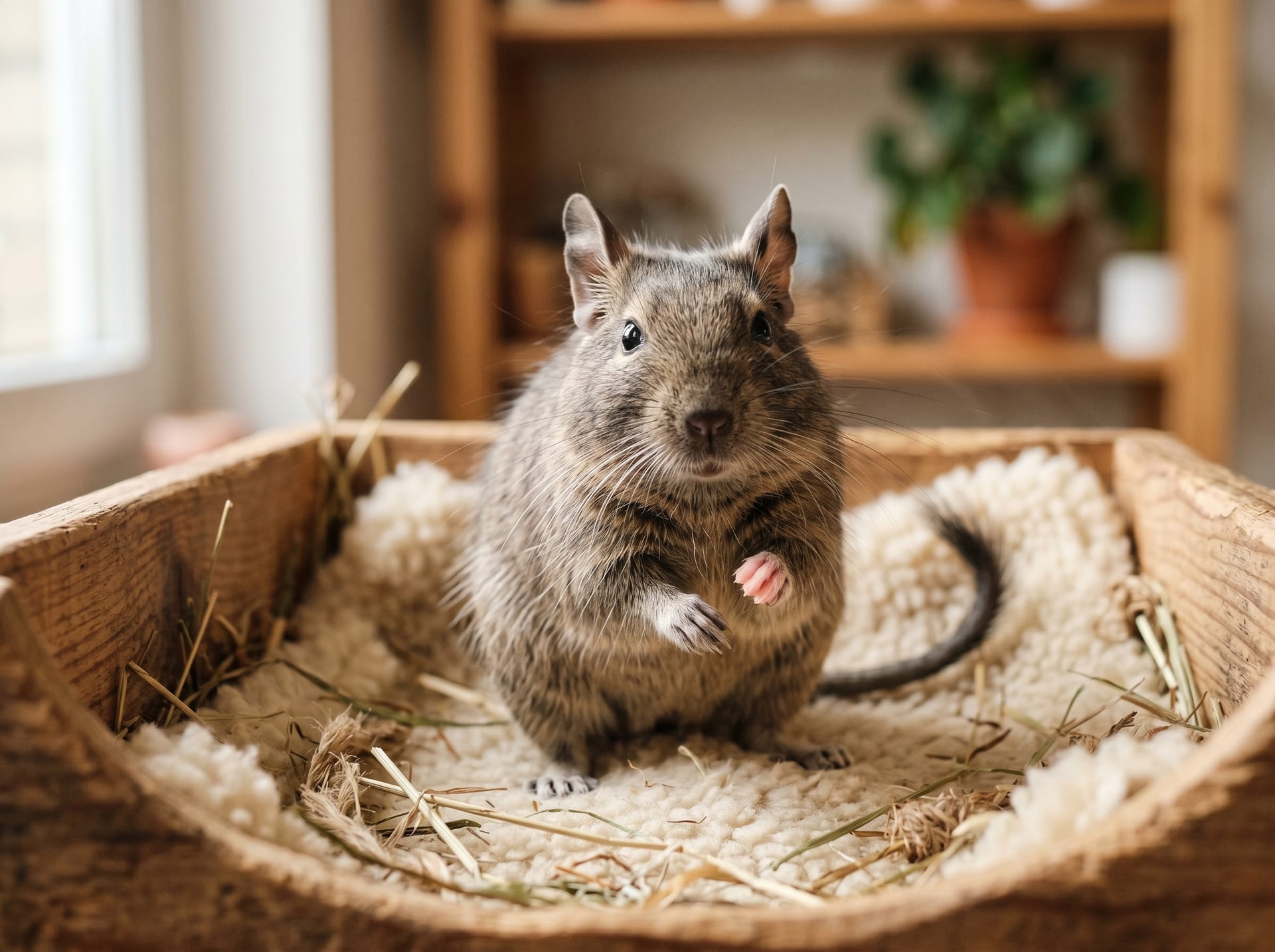
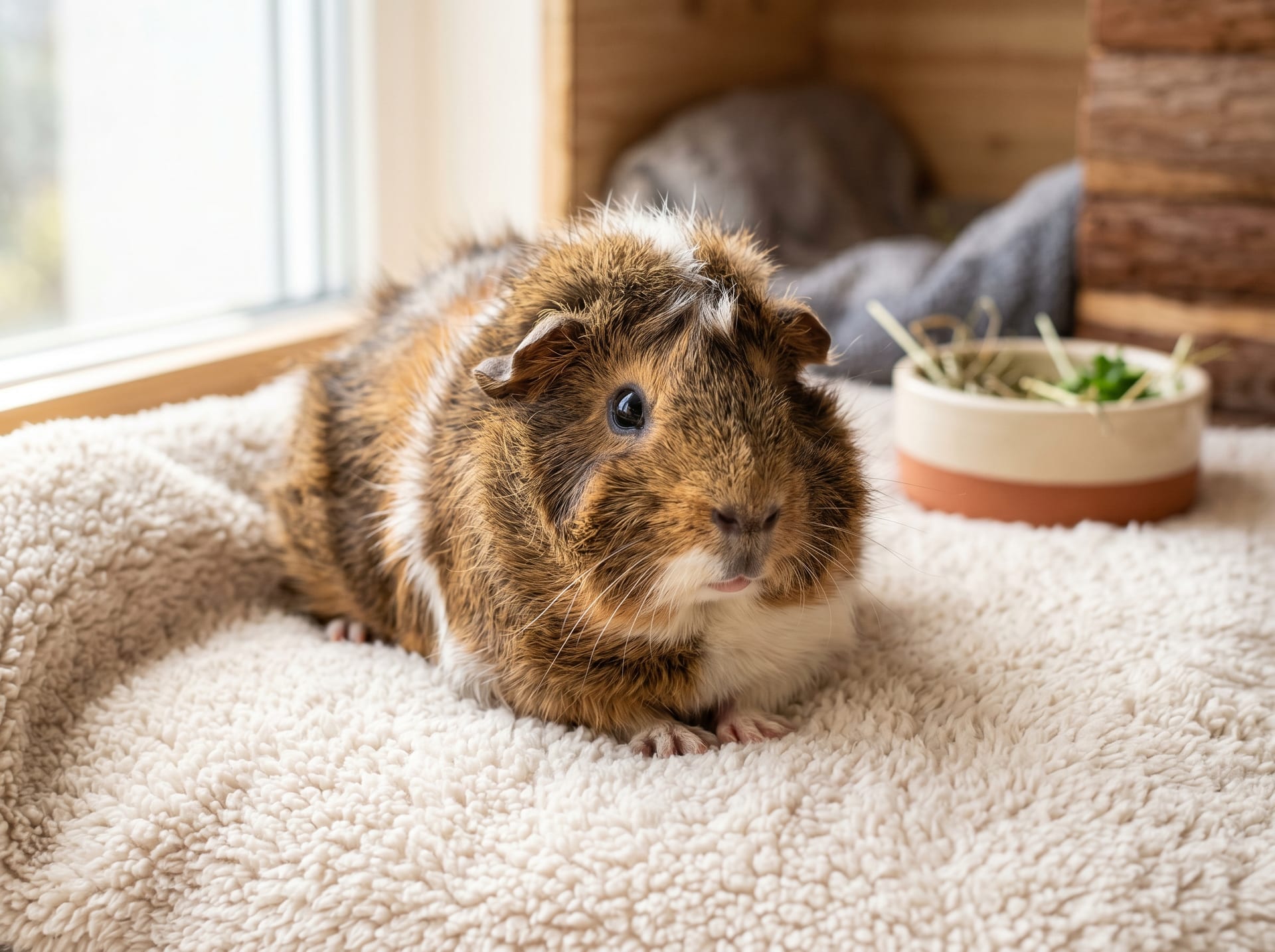
When welcoming a small animal into your home, many people struggle with questions like "Where should I buy one?" and "How do I choose a healthy individual?" Pet shops and breeders each have their own characteristics, and neither is necessarily the "right" choice. What matters is that the new owner is well-informed and develops the ability to identify healthy individuals. This guide explains everything from choosing where to purchase to health checks and precautions on the first day home, in a way that's easy to understand even for first-time owners.
Pet Shop or Breeder: Which Should You Choose?
Advantages and Disadvantages of Pet Shops
Pet shops are attractive for their convenience and ease of access. You can see and handle animals in person before making a choice, and you can purchase care supplies like cages and food at the same time, making them a convenient option for first-time small animal owners.
However, there are several important considerations. In many cases, the individual's date of birth and information about its parents are unclear, and the breeding environment of the source may be opaque. Additionally, because multiple individuals are managed in the same space, it is true that such environments tend to have higher risks of stress and infectious diseases.
Pet Shop Highlights Summary
- You can confirm the animal in person before purchase
- You can purchase all necessary supplies in one place
- Information about the individual's origins and parents is often unclear
- Be aware of the risks of stress and disease from housing multiple animals
Advantages and Disadvantages of Breeders
When purchasing directly from a breeder, the ability to confirm the temperament and health of the parents is a major advantage. Since they observe the animals from birth, breeders can provide detailed information about the individual's temperament and development. You can often tour the breeding environment and see firsthand the conditions in which the animals were raised.
Another advantage unique to breeders is that they are readily available for husbandry advice. They are easy to consult with if you encounter problems after bringing your animal home, and you can expect long-term support.
Disadvantages include that you may not be able to get your desired breed or color immediately, and depending on the region, access may be difficult.
Breeder Highlights Summary
- You can confirm the parents' temperament and health
- Detailed information from birth is available
- Care advice is readily available
- Your desired animal may not be immediately available
How to Identify Healthy Individuals
Many people don't know what criteria to use when selecting an individual. Keeping the following checkpoints in mind will help you identify healthy individuals.
Physical Appearance Checks
- Eyes: Should be clear and bright. Check for any discharge or tears.
- Nose: Should not have discharge. Watch for frequent sneezing.
- Ears: Interior should be clean. Frequent scratching may indicate ear mites.
- Fur: Should be glossy with no hair loss or bald patches.
- Rear End: Should not be soiled with diarrhea (a sign of digestive issues such as wet tail).
- Body Shape: Ribs and spine should not protrude. Should not be overweight or underweight.
Behavioral Checks
- Activity Level: Is the animal moving around energetically? Since hamsters are nocturnal, it's best to check in the evening or later.
- Appetite: Is the animal eating and drinking properly?
- Breathing: Should be calm and regular. Mouth breathing may indicate respiratory issues.
- Gait: Should not drag or tilt its feet.
- Social Behavior: Should not be sitting alone in a corner. An individual isolated from the group may show signs of illness.
Confirm Appropriate Age
Early weaning of small animals can significantly impact their health later on. General guidelines are as follows:
| Species | Recommended Age for Purchase |
|---|---|
| Hamster | 4-6 weeks old |
| Rabbit | 2 months or older |
| Guinea Pig | 3 weeks or older |
| Chinchilla | 2 months or older |
| Degu | 6-8 weeks or older |
Early weaning can lead to weakened immunity and digestive problems, so always confirm the age.
Things to Confirm with the Seller Before Purchase
Even if you find an animal you like, don't rush to decide. Be sure to confirm the following items:
- Date of Birth: Do you have an accurate birth date? Age is directly related to health management.
- Sex: Sex determination can be difficult with small animals, especially with young hamsters. This is especially important if you're considering keeping multiple animals.
- Current Diet: Type and amount of food being fed. Sudden dietary changes can cause stress or digestive problems. It's ideal to use the same food initially.
- Medical History: Has the animal had any previous illnesses or injuries?
- Vaccinations and Parasite Prevention: Have necessary preventive measures been completed? (Varies by species)
- After-Sale Support: Is there a policy in place for dealing with illness discovered after purchase?
The First Day to First Week at Home
A new environment is a significant source of stress for any small animal. Take special care on the day you bring your new pet home.
What to Do Immediately Upon Arrival
- Place the carrier near the cage and let the animal calm down for a while.
- Close the cage lid immediately after placing the animal inside, and do not handle it on the first day.
- Prepare food and water, then observe quietly.
Important Precautions During the First Week
- Place the cage in a dark, quiet location (avoid TV and direct sunlight).
- Minimize cleaning; prioritize letting the animal adjust to its environment.
- Observe appetite, droppings, and behavior daily, and consult a veterinarian immediately if anything seems abnormal.
- If you have other pets, completely isolate the new animal in a separate room (even scent can be stimulating).
Building trust slowly and calmly is the first step to a long, healthy life together.
If you're interested in small animal breeding, you may also want to refer to Small Animal Breeding Basics after bringing your new pet home. It provides detailed information on breeding data and precautions for rabbits, hamsters, guinea pigs, and chinchillas.
BreederDirect's Safe and Secure System
BreederDirect is a platform that mediates direct transactions between buyers and breeders who specialize in breeding small animals. A major feature is that you can directly confirm detailed information about individuals and records of their parents from breeders—information that is difficult to obtain from pet shops.
Using the messaging feature, you can easily ask about anything. Experienced breeders will patiently answer specific questions like "What is this animal's parent like?" and "What kind of food does it eat?"
Payment terms are negotiated directly with the breeder, and all communications are recorded in the messaging feature, so you can proceed with payment and pickup with confidence. If you're anxious about bringing home a small animal for the first time, be sure to browse BreederDirect's list of breeders. Meeting a trustworthy partner will surely make your life with your beloved pet even richer.